Obata Jinya (Gunma Prefecture) Complete Guide: The Charm of the Castle Associated with the Oda Family and Rakuzan-en Garden
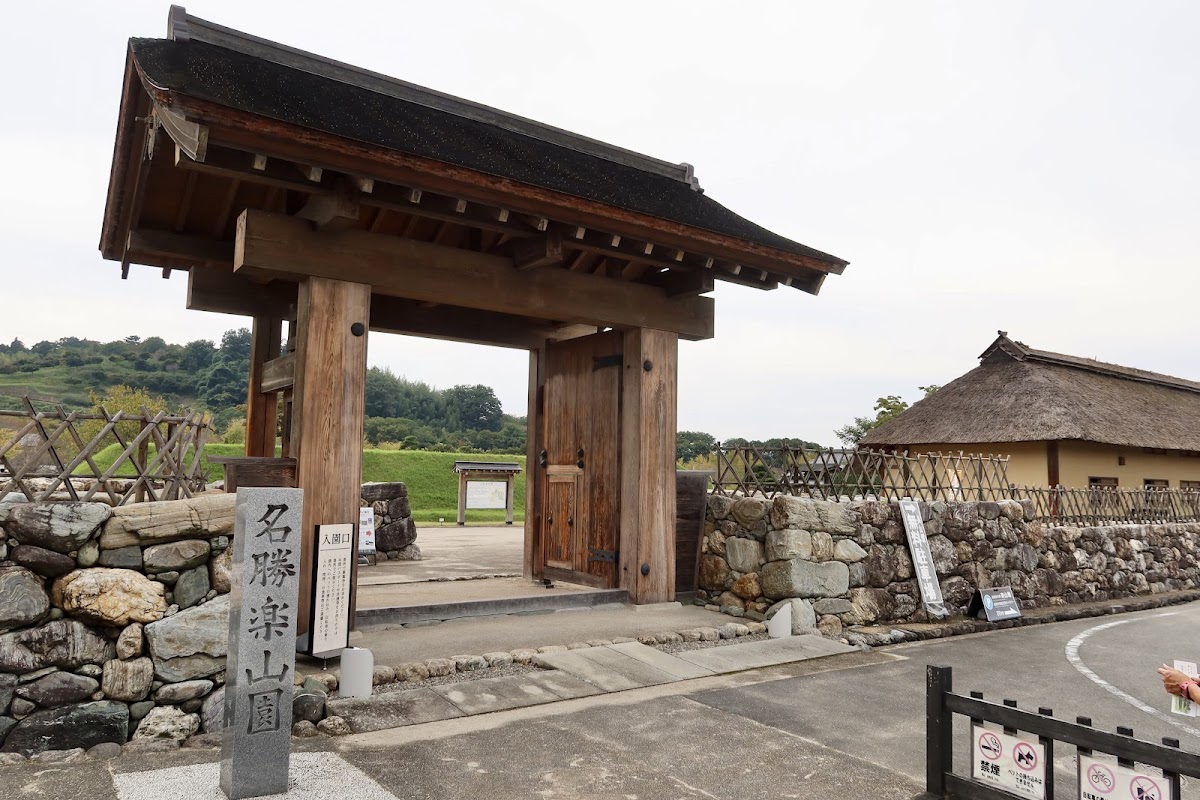
Located in Kanra-cho, Kanra-gun, Gunma Prefecture, Obata Jinya is a historical castle that flourished as the administrative center of the Obata Domain, ruled by the lineage of Oda Nobuo, the second son of Oda Nobunaga. Currently, centered around Rakuzan-en Garden, a nationally designated scenic spot, it is a valuable historical site that retains the atmosphere of the Edo period, attracting many history enthusiasts and tourists.
This article comprehensively explains everything you need to know before visiting Obata Jinya, from its historical background to its current attractions and access methods.
History of Obata Jinya
Establishment of the Obata Domain by the Oda Clan
The history of Obata Jinya begins after the end of the Siege of Osaka in 1615. Oda Nobuo, the second son of Oda Nobunaga, was granted 30,000 koku in Uda-gun, Yamato Province, and 20,000 koku in Kanra-gun, Kozuke Province. Initially, Nobuo resided at the Matsuyama Jinya in Yamato Province, but in 1617, his fourth son, Oda Nobuyoshi, was granted a fief of 20,000 koku in Kanra District, Kozuke Province, officially establishing the Obata Domain.
Relocation from Fukushima Village to Obata Village
At the beginning of the domain’s establishment, the Jinya (fortified residence) was located in Fukushima Village. However, due to its limited space, a relocation to Obata Village to the south was planned in 1629 during the time of the third lord, Oda Nobumasa. Construction took 13 years and was completed in 1642, resulting in the current Obata Jinya.
Oda Nobumasa inherited the family headship at the age of two as Nobuyoshi’s eldest son, but Oda Takanaga, son of Oda Nobuo, acted as his guardian and supported the domain’s administration. This relocation led to the development of Obata as a full-fledged castle town.
The Oda Clan’s 152 Years of Rule Over Seven Generations
The Oda clan ruled the Obata Domain for approximately 150 years, spanning seven generations. Beginning with the first lord, Oda Nobuyoshi, the lineage continued through Nobumasa, Nobuhisa, Nobusuke, Nobuharu, and Nobutomi, before the domain was transferred during the reign of the seventh lord, Oda Nobukuni. During this time, Obata, as a place associated with the Oda family, fostered its own unique culture and established itself as a castle town.
The Matsudaira Clan’s Arrival and the Renaming of Obata Castle
After the Oda clan’s transfer, Matsudaira Tadatsune of the Okudaira Matsudaira family, from the Kamizatomi Domain, took over. The third lord of the Matsudaira clan, Matsudaira Tadae, became a junior councilor, effectively becoming the lord of the castle. As a result, the domain office, previously known as “Obata Jinya,” was renamed “Obata Castle.”
The Matsudaira clan ruled Obata for approximately 100 years over four generations, until the Meiji Restoration. The fact that a fortified residence (jinya) came to be called a castle is a characteristic of the Matsudaira era.
Structure and Layout of Obata Jinya
Layout and Size of the Jinya
Obata Jinya was a flatland castle built on the east bank of the Ogawa River. Centered around the site of the palace, which now includes Rakuzan-en Garden, samurai residences and merchant districts were arranged around it. While the size of the jinya was standard for a 20,000-koku domain at the time, it was built to reflect the prestige of the Oda family.
Earthworks and Moats for Defensive Measures
Earthworks and moats surrounded the jinya as defensive measures. Some earthworks and dry moats remain today, allowing us to see the defensive structure of the time. In particular, the earthworks from the jinya era are well-preserved around Rakuzan-en Garden, making them valuable remains that allow us to feel the atmosphere of an Edo-period jinya.
Location of the Main Gate
The main gate of Obata Jinya was located where the current silk cocoon warehouse (built in 1926) stands. This cocoon warehouse was built in 1926 (Taisho 15), when sericulture in this region was at its peak, as a cocoon warehouse for the Obata Silk Reeling Cooperative. It remains today as a building that tells the story of Obata’s industrial history.
The path leading from the main gate to the interior of the castle grounds still retains traces of its original layout in the current town plan, providing clues to understanding the structure of the castle town in its heyday.
Rakuzan-en Garden: A Daimyo Garden Designated as a National Scenic Spot
Construction of Rakuzan-en Garden
Rakuzan-en Garden is a daimyo garden constructed in 1621 (Genna 7). As a garden attached to the Obata Domain’s palace, it was created using the most advanced landscaping techniques of the time. The garden’s name, “Rakuzan-en,” originates from a passage in the Chinese classic *Analects of Confucius*: “The wise enjoy water, the benevolent enjoy mountains.”
Characteristics of a Pond-Centered Stroll Garden
Rakuzan-en Garden is designed as a pond-centered stroll garden, with a large central pond and a structure that allows visitors to enjoy various landscapes while walking around it. Within the garden, artificial hills, waterfalls, bridges, and stone arrangements are skillfully placed to create the beauty of nature throughout the seasons.
Particularly noteworthy is the way the surrounding mountains are incorporated as borrowed scenery. The landscape, where the clear waters of the Ogawa River and the mountain range in the background are integrated, is a valuable example that conveys the aesthetic sensibilities of Edo-period daimyo gardens to the present day.
Designated as a National Place of Scenic Beauty
Rakuzan-en Garden has been designated as a National Place of Scenic Beauty in recognition of its historical and cultural value. It is one of the few examples nationwide that has well-preserved the appearance of an early Edo-period daimyo garden, and it holds an important position as a representative cultural asset of the Obata Jinya (Obata encampment).
Currently open to the public, visitors can experience the scenery that Edo-period daimyo cherished. The garden is meticulously maintained and displays different expressions throughout the four seasons.
Highlights of the Garden
Rakuzan-en Garden has several important points of interest. First, the central pond features an island, and the bridge spanning it creates an elegant landscape. Various shaped stones are arranged around the pond, showcasing the skillful stonework techniques that give each stone a specific meaning.
The waterfall stone arrangement, located on the north side of the garden, is characterized by its magnificent arrangement of stones that represent the flow of water. Furthermore, the entire garden can be viewed from the artificial hill, allowing one to understand the landscape composition intended by the landscape architect.
The remains of a tea house and a palace also remain within the garden, allowing one to imagine how the feudal lord and his retainers spent their time here.
Obata Castle Town and Samurai Residences
Streetscape with Edo Period Layout
Around the Obata Jinya (fortified residence), the town layout of the Edo period castle town is still well-preserved. The planned urban structure, with samurai residences, merchant districts, and temples and shrines, is a valuable example of typical castle town planning from that era. The width of the roads, the layout of the plots, and the location of the waterways reflect the urban planning philosophy of the Edo period, allowing visitors to experience the lives of the people of that time by strolling through the historical streets.
Remains of Samurai Residences
In Obata, the stone walls, gates, and fences of samurai residences remain as they were. In particular, along the street known as Nakakoji, buildings that strongly retain the appearance of samurai residences are scattered, allowing visitors to experience the atmosphere of the past.
The stone walls, a characteristic feature of samurai residences, were built using locally sourced stone, reflecting the regional characteristics. Furthermore, the hedges and earthen walls are well-preserved, conveying the landscape of Edo-period samurai residences to the present day.
Scenery Along the Ogawa River
The Ogawa River, which flows through the Obata Jinya (fortified residence) and the castle town, is known for its clear waters and is an important element of the castle town. Cherry trees are planted along the river, allowing visitors to enjoy the beautiful cherry blossom scenery in spring.
The Ogawa River was once used as a water source for daily life and firefighting in the castle town. Even today, it is maintained as a waterway and is an important element in the historical landscape.
Current Development Status of Obata Jinya
Restoration and Development of Rakuzan-en Garden
Currently, the Obata Jinya is undergoing restoration, centered around Rakuzan-en Garden. Based on archaeological excavations, work is being done to restore the garden to its Edo period appearance as much as possible. The pond’s embankment, stonework, and plantings are being restored according to the style of the time.
The restoration work is being carried out by comprehensively analyzing historical documents, drawings, and the results of archaeological excavations, resulting in a high level of academic achievement. Visitors can experience a landscape close to the original form of an Edo period daimyo garden.
Free and Paid Areas
Visiting Obata Jinya involves both a free area and a paid area, Rakuzan-en Garden. While there is an entrance fee to Rakuzan-en Garden, you can enjoy strolling through the surrounding samurai residences and castle town free of charge.
For information on Rakuzan-en Garden’s opening hours and admission fees, we recommend checking the latest information on the Kanra Town official website. Opening hours may change depending on the season.
Facilities such as restrooms and parking
Rakuzan-en Garden has restrooms and parking facilities for tourists. Multiple free parking lots are available, making it convenient to access by car. Signboards and maps are also placed throughout the area, ensuring that even first-time visitors can easily navigate.
Rest areas and shops are also available, creating an environment where you can enjoy a leisurely historical stroll.
Highlights around Obata Jinya
History of the Obata Clan
The Obata area flourished as the base of the powerful Obata clan from the Kamakura period to the Sengoku period, even before the arrival of the Oda clan. The Obata clan was a prominent samurai group in the region and played an important role during the Nanboku-cho period.
The remains of the Obata clan’s residence and related historical sites are still present in the surrounding area, allowing visitors to experience the continuity of history from the medieval to the early modern period.
Historical Buildings in Kanra Town
Numerous historical buildings from the Edo period to the Meiji and Taisho periods remain around the Obata Jinya (fortified residence). In addition to the aforementioned cocoon warehouse, buildings related to sericulture, merchant houses, temples, and shrines are scattered throughout the area, allowing for a multifaceted understanding of Obata’s history.
In particular, buildings from the era when sericulture flourished are preserved as valuable cultural assets that tell the story of Gunma Prefecture’s industrial history.
Nearby Tourist Attractions
Besides the Obata Jinya, Kanra Town offers many other points of interest. There are numerous spots for enjoying historical walks, including temples and shrines associated with the Oda clan, historical museums, and traditional merchant houses.
Furthermore, the surrounding natural environment is also attractive, with well-maintained hiking trails, allowing visitors to enjoy both history and nature.
Access Information and Visiting Points
Access by Public Transportation
When visiting the Obata Jinya by public transportation, JR Takasaki Station is the nearest major station. From Takasaki Station, take a local bus towards Kanra Town and get off at the Obata bus stop. Since bus service is limited, it is recommended to check the timetable in advance.
Access by Car
If traveling by car, the nearest interchanges are Tomioka Interchange or Shimonita Interchange on the Joshinetsu Expressway. From the interchange, it takes approximately 15-20 minutes via local roads.
As mentioned above, there is a free parking lot, making access by car convenient. Searching for “Rakuzan-en” or “Kanra-cho Obata” on your car navigation system is recommended.
Estimated Visiting Time
A visit to Rakuzan-en alone takes about 30 minutes to 1 hour, but if you include exploring the surrounding samurai residences and castle town, it’s best to allow 2-3 hours. For those who want to thoroughly experience history, it is recommended to allocate half a day.
Notes on Visiting
Rakuzan-en is an outdoor garden, so the comfort of your visit will vary depending on the weather. During the summer, the sun is strong, so we recommend bringing a hat, parasol, and drinks. Also, during rainy weather, some areas can be slippery, so comfortable walking shoes are recommended.
In winter, snow can accumulate, so appropriate clothing and equipment are necessary. However, the snow-covered Rakuzan-en Garden also has its own charm, allowing you to enjoy the beauty of each season.
Maps and Information
Detailed maps of the area around Obata Jinya can be obtained from the Kanra Town Tourism Association and the town hall. Information boards and maps are also installed on-site, so using them while exploring will be efficient.
While smartphone map apps are useful, for historical points of interest, we recommend using on-site information boards and distributed pamphlets, as they provide more detailed information.
Cultural Value of Obata Jinya
Historical Site Related to the Oda Family
Obata Jinya possesses extremely valuable historical significance as the remains of a domain ruled by a direct descendant of Oda Nobunaga. This area was ruled for seven generations by the lineage of Oda Nobuo, the second son of Oda Nobunaga, making it an important historical site for studying the history of the Oda family.
While Nobunaga and Nobutada are the most famous figures of the Oda family, this site provides valuable insight into how Nobuo’s lineage survived and governed the region throughout the Edo period.
A Typical Example of Edo Period Jinya Architecture
The Obata Jinya is a typical example of Edo period jinya architecture and is important for the study of architectural and urban history. As a facility with characteristics intermediate between a castle and a jinya, it provides valuable information for understanding how defensive and residential functions were balanced.
In particular, the fact that it remained a jinya even after being later renamed “Obata Castle” is an interesting example for understanding the social class system and the realities of the shogunate system during the Edo period.
The Core of Local History and Culture
The Obata Jinya is a central figure in the history and culture of Kanra Town. The current urban structure of Kanra Town, including its town layout as a castle town, the arrangement of samurai residences, and the distribution of temples and shrines, is based on the Edo period castle town plan centered around the Obata Jinya (fortified residence).
As an important cultural asset that forms the identity of the region, it is cherished by the townspeople and plays a central role in local history education and tourism promotion.
The Seasonal Charms of Obata Jinya
Spring: The Season of Cherry Blossoms and Fresh Greenery
In spring, Obata Jinya is known as a famous cherry blossom viewing spot. The cherry blossoms in Rakuzan-en Garden, as well as the cherry trees along the Ogawa River, blooming all at once, are breathtaking. Many tourists visit during the cherry blossom season to enjoy the collaboration of the Edo-period garden and the cherry blossoms.
After the cherry blossoms, the season of fresh greenery arrives, and the trees in the garden are dyed in vibrant green. The weather is pleasant during this time, making it an ideal season for strolling.
Summer: Deep Greenery and the Coolness of Water
In summer, Rakuzan-en Garden is enveloped in deep greenery. The pond’s surface is refreshingly cool, making the garden a relatively comfortable environment even on hot summer days. The clear waters of the Ogawa River also help to alleviate the summer heat.
Visiting in the early morning or evening is recommended; the garden, wet with morning dew, and the pond illuminated by the setting sun are particularly beautiful.
Autumn: Spectacular Autumn Foliage
In autumn, Obata Jinya attracts many visitors as a famous spot for autumn foliage. The trees in Rakuzan-en Garden turn red and yellow, and the reflection of the autumn leaves on the pond’s surface creates a magnificent landscape.
The best time to see the autumn leaves is especially from early to mid-November, and special events are sometimes held during this period.
Winter: Silence in a Snowy Landscape
In winter, Obata Jinya Garden is less crowded, allowing visitors to feel the history in a quiet atmosphere. After a snowfall, Rakuzan-en Garden has a beauty reminiscent of an ink painting, revealing a different charm of Japanese gardens.
The winter landscape also possesses a certain charm, allowing for a clearer observation of the stonework and topographical beauty that form the framework of the garden.
Summary: Historical Significance and Future Preservation of Obata Jinya
Obata Jinya is an important historical site that served as the administrative center of the Obata Domain, ruled by the lineage of Oda Nobukatsu, the second son of Oda Nobunaga, and was the political and cultural center of the region throughout the Edo period. Centered around Rakuzan-en Garden, a designated National Place of Scenic Beauty, the remains such as earthworks and dry moats, as well as the streetscape of samurai residences, are well-preserved, conveying the appearance of the Edo-period jinya and castle town.
Throughout its long history of 152 years under the Oda family (7 generations) and approximately 100 years under the Matsudaira family (4 generations), this area fostered its own unique culture, and its legacy is still cherished as a regional identity. Restoration and development of Rakuzan-en Garden are also underway, allowing visitors to experience a landscape closer to its Edo-period appearance.
When you visit Kanra Town in Gunma Prefecture, be sure to enjoy a stroll through the historic castle town, including the Obata Jinya (fortified residence) and Rakuzan-en Garden. As a place associated with the Oda family and a valuable example of Edo-period fortified residence architecture and daimyo gardens, the Obata Jinya is a historical site well worth visiting. Many areas can be explored for free, and by slowly walking along the historical paths with a map in hand, you can reflect on the lives and culture of people in the Edo period.