Zenjo Castle (Gunma Prefecture) Complete Guide: History and Remains of a Hilltop Castle Known for the “Bare-Handed Attack” of the Sengoku Period
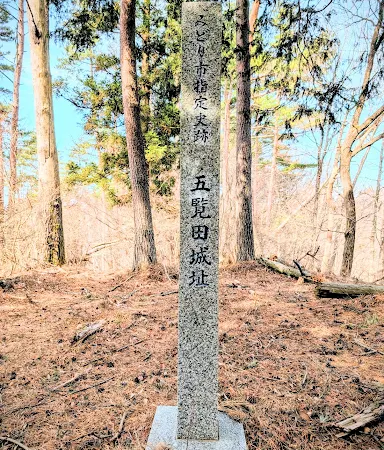
Zenjo Castle is a hilltop castle located in Zen, Kasukawa-cho, Maebashi City, Gunma Prefecture, dating from the Muromachi period to the Sengoku period. It is protected as a Gunma Prefecture designated historical site and is known for the dramatic “Bare-Handed Attack” of Zenjo Castle during the Sengoku period. Even today, the remains such as earthworks and dry moats are well-preserved, making it a valuable historical site that conveys the appearance of a medieval castle.
Zenjo Castle is a hilltop castle located in Zen, Kasukawa-cho, Maebashi City, Gunma Prefecture, dating from the Muromachi period to the Sengoku period. ## Basic Information on Zen Castle
Location: Zen, Kasukawa-cho, Maebashi City, Gunma Prefecture
Castle Type: Hilltop Castle
Construction Period: Estimated to be around the Kakitsu era (1441-1444)
Builder: Zen clan (later Zen clan)
Main Lords: Zen clan, Uesugi clan, Hojo clan, Takeda clan
Year of Abandonment: Tensho era (1573-1592)
Cultural Property Designation: Gunma Prefecture Designated Historic Site
Elevation: Approximately 190m (relative height approximately 10m)
Access: Approximately 10 minutes on foot from Zen Station on the Jomo Electric Railway Jomo Line
History
Construction and the Rise of the Zen Clan
The construction period of Zen Castle is estimated to be around the Kakitsu era (1441-1444). The castle was built by the Zen clan, descendants of Miyoshi Yasunobu, who later changed their name to Zen. Miyoshi Yasunobu was a prominent retainer who played an active role in the early Kamakura shogunate, and his descendants are believed to have settled in this area of Kōzuke Province (present-day Gunma Prefecture).
The Zen clan built their power as influential local lords in this region from the mid-15th century through the Sengoku period. Zen Castle was built on the tip of a terraced hill between the Usagigawa River and its tributary, the Dōjigawa River, and was a highly defensible fortress that skillfully utilized the natural terrain.
Turmoil of the Sengoku Period
With the arrival of the Sengoku period, Zen Castle became the stage for the struggles between various forces vying for control of Kōzuke Province. Caught between the three major powers—the Kantō Kanrei Uesugi clan, the Odawara Hōjō clan, and the Kai Takeda clan—the Zen clan chose to survive by changing their allegiance as needed.
In particular, during the latter half of the 16th century, Kōzuke Province was invaded by Takeda Shingen and his son Katsuyori, and was embroiled in fierce warfare. The Takeda clan expanded their power from Shinano to Kōzuke, and Zen Castle also came under their influence.
The Legend of the Bare-Handed Attack on Zen Castle
The most famous story in Zen Castle’s history is the anecdote of the “Bare-Handed Attack on Zen Castle,” which is said to have occurred during the Tenshō era. This battle is recounted as the event when Kawada Bizen-no-kami, a retainer of Takeda Katsuyori, captured Zen Castle.
According to legend, when the Takeda army attempted to pass through Zen Castle, the castle lord launched an attack, prompting Kawada Bizen-no-kami to decide to counterattack. However, the castle’s defenses were strong, making it difficult to capture with conventional attacks. Therefore, Kawada Bizen-no-kami employed a clever tactic: he ordered his soldiers to remove their armor and charge into the castle bare-handed. It is said that Zen Castle fell as a result of this unexpected tactic.
While there isn’t sufficient historical evidence to support the veracity of this “bare-chested attack,” it remains an impressive local anecdote and an essential element in recounting the history of Zenjo Castle.
Abandonment and Aftermath
During the Tensho era, after the fall of the Takeda clan (1582), Kozuke Province was contested between the Hojo and Uesugi clans, and various daimyo who came under the influence of Toyotomi Hideyoshi. After Toyotomi Hideyoshi’s siege of Odawara (1590), the Kanto region came under the control of Tokugawa Ieyasu, and this region was incorporated into the new system of rule.
It is believed that Zenjo Castle lost its strategic value during this process and was abandoned during the Tensho era. Having ceased its role as a base for a medieval local lord, it was never utilized under the unified government of the early modern period.
Preservation Activities in the Modern Era
After the castle was abandoned, the Zen Castle site was used for a long time as farmland and forest. However, after World War II, a descendant of the Zen clan, Mr. Zen Keinosuke, purchased the land around the main keep privately and donated it to Gunma Prefecture, which marked a turning point in the preservation of the historical site.
This donation led to the Zen Castle site being designated a Gunma Prefecture historical site, and valuable remains of the medieval castle have been preserved to this day. The Kasukawa Historical and Folk Museum and the Kasukawa Excavated Cultural Properties Management Center were built on the site of the northern enclosure north of the main keep, serving as a base for learning about the region’s history.
Structure
Zen Castle is a flatland castle with a spindle-shaped layout, a medium-sized castle covering an area of approximately 550m north-south and 300m east-west. Located on the tip of a terraced hill, it faces the Usagi River to the west and south, and the Doji River, a tributary of the Usagi River, to the east, making it a natural stronghold protected on three sides by rivers.
Main Enclosures
The layout of Zen Castle consists of multiple enclosures centered around the main enclosure (Honmaru). The Honmaru, as the core of the castle, was the most heavily fortified, surrounded by earthen ramparts and dry moats.
To the north of the Honmaru was the North Enclosure (Kita-kuruwa), where the Kasukawa Historical and Folk Museum and the Kasukawa Excavated Cultural Properties Management Center now stand. This North Enclosure is thought to have played a crucial role in defending the Honmaru.
In addition, several enclosures were formed within the castle grounds, each demarcated by moats and earthen ramparts. These enclosures are presumed to have functioned as living spaces, supply bases, and reserve defensive lines.
Characteristics of Earthen Ramparts
The most striking feature of Zen Castle is its well-preserved earthen ramparts. As a defensive structure of the castle, earthen ramparts played a vital role in preventing enemy intrusion and protecting the castle. Some of Zen Castle’s earthen ramparts reach several meters in height, demonstrating the advanced castle-building techniques of the time.
Earthen ramparts surround the main keep, and in some places, double and triple layers of earthen ramparts can be seen. This was a strategy to increase resistance to enemy attacks by creating multiple layers of defense.
Even today, visiting the castle ruins allows you to experience the dynamic undulations of the earthen ramparts and feel the atmosphere of a medieval castle.
Placement of Dry Moats
Along with the earthen ramparts, dry moats played a crucial role in the defense of Zen Castle. Dry moats are moats that do not contain water, hindering enemy advances and also functioning as a source of soil for constructing the earthen ramparts.
At Zen Castle, dry moats were placed between the baileys, clearly defining the castle area. The width of the dry moats ranged from several meters to over ten meters, and their depth is estimated to have been considerable. Some of the dry moats remain clearly visible today, and their sheer size allows us to imagine the scale of the civil engineering work at the time.
The bottom of the dry moat was not flat, but dug in a V-shape or U-shape, a design intended to make movement difficult for enemy soldiers even if they descended to the bottom of the moat.
Earthen Bridges and Entrance Gates
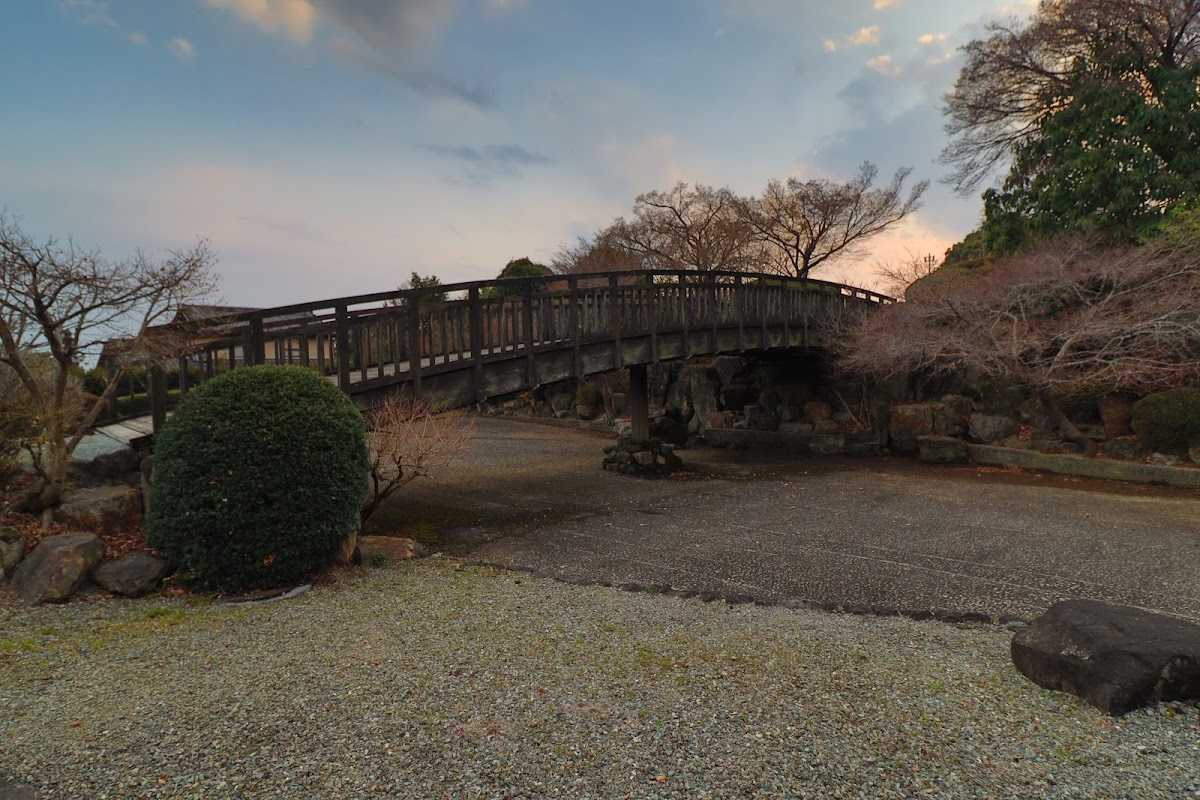
The entrance gates (koguchi) to the baileys were crucial points in castle defense. At Zen Castle, earthen bridges were constructed to cross the dry moats, and the structure was such that soldiers entered each bailey via these bridges.
The earthen bridges were narrow, preventing many soldiers from passing at once, thus preventing large enemy forces from invading all at once. Furthermore, since both sides of the earthen bridges were dry moats, attackers were placed in a dangerous situation, exposed to attacks from the castle side while on the bridges.
Especially strong defensive structures were positioned around the entrance gates, and it is believed that they functioned as the last line of defense to prevent enemy incursions.
Utilization of Terrain
A notable feature of Zen Castle’s structure is its skillful use of the natural terrain. The castle’s location, situated on a hillside between the Usagigawa and Dojigawa rivers, was maximized, with three sides protected by natural moats.
Furthermore, moist valleys fed by springs surrounded the castle, functioning as natural barriers. For attackers, this created a double and triple layer of defense: they first had to cross rivers and wetlands, and only then faced artificial defensive structures such as earthworks and dry moats.
Located on the tip of a hilly plateau, the castle offered panoramic views of the surrounding plains, allowing for early detection of enemy movements. This excellent vantage point further enhanced the strategic value of Zen Castle.
Current Remains
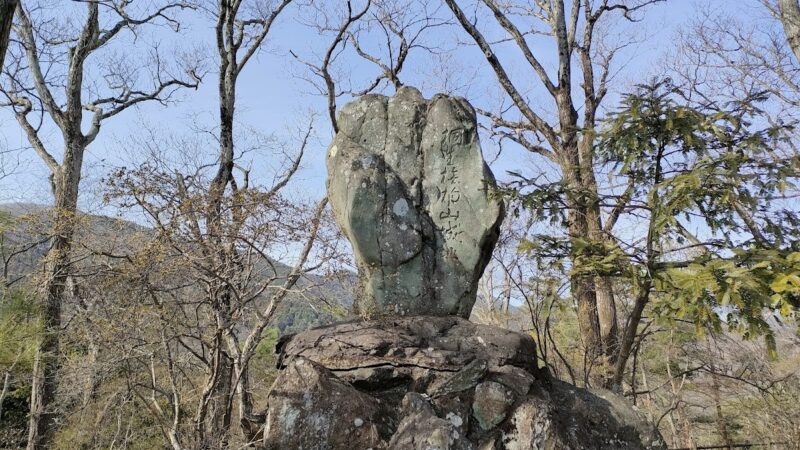
While no buildings remain at the current Zen Castle site, civil engineering remains such as earthworks, dry moats, and earthen bridges are well-preserved. Part of the site has been developed into a castle park with walking paths, allowing visitors to experience the structure of a medieval castle firsthand.
The remains around the main keep are particularly well-preserved, and the height of the earthworks and the depth of the dry moats allow us to imagine the scale and defensive capabilities of the castle at the time. While some areas are covered with trees, this actually enhances the medieval atmosphere, creating a space that evokes a sense of historical romance.
Highlights of Zen Castle
Main Keep Site
The main keep site, the central part of Zen Castle, is believed to be the location of the lord’s residence. It is surrounded by high earthworks, and the interior is a relatively flat space. Although now overgrown with trees, buildings once stood here, and the lord and his retainers lived their daily lives.
The earthworks around the main keep are particularly high, indicating their importance as a defensive stronghold. There are places where you can walk along the top of the earthworks, and from there, you can experience the perspective of a lookout soldier looking out over the castle grounds.
Dynamic Earthworks and Dry Moats
Many castle enthusiasts who visit Zen Castle are impressed by its dynamic earthworks and dry moats. The earthen ramparts, built on a terrain with significant elevation differences, reach heights of over 5 meters in some places, creating an overwhelming and impressive sight.
The dry moats are also deeply dug, and looking up from the bottom of the moats at the top of the ramparts allows one to truly appreciate their defensive strength. These remains were constructed solely by human power in an era without heavy machinery, demonstrating the high level of castle-building technology and labor mobilization capabilities of the time.
Kasukawa Historical and Folk Museum
Located on the site of the northern enclosure north of the main keep, the Kasukawa Historical and Folk Museum features exhibits on the history of Zen Castle and local cultural assets. Exhibits include a reconstructed model of Zen Castle, excavated artifacts, and related historical materials. Visiting the museum before or after exploring the castle ruins will provide a deeper understanding.
The museum staff are knowledgeable about local history and will gladly answer any questions about Zen Castle. We highly recommend visiting the museum during your trip.
Remains of Earthen Bridges
The earthen bridges remaining throughout the castle grounds are valuable relics for understanding the structure of entrances and exits in medieval castles. The narrow width of the bridges, which cross the dry moats, reveals ingenious defensive features.
By actually crossing the earthen bridges, you can experience how the castle soldiers and lord moved around within the castle at that time. Looking down at the dry moats from the bridges, you will be struck anew by their depth and high defensive strength.
Views from the Castle Site
Because Zenjo Castle is located on the tip of a hill, the castle site offers panoramic views of the surrounding plains. While some areas are now obscured by overgrown trees, some open areas offer views towards Maebashi city and Mount Akagi.
During the Sengoku period (Warring States period), this view held significant military importance. Good visibility was a crucial factor in determining the value of a castle, as it allowed for early detection of approaching enemy forces and preparation for defense.
Access and Visiting Information
Access by Public Transportation
The nearest station to Zen Castle is Zen Station on the Jomo Electric Railway Jomo Line. The castle ruins are approximately a 10-minute walk from Zen Station, making it very easily accessible, as the station name suggests.
The Jomo Electric Railway Jomo Line is a local line connecting Maebashi Station on the JR Ryomo Line to Nishi-Kiryu Station, and is a charming route that runs through tranquil rural scenery. Visiting by train allows you to enjoy a castle tour while experiencing the local atmosphere.
Access by Car
If visiting by car, it’s about a 20-minute drive from the Maebashi Interchange on the Kan-Etsu Expressway. There is a parking lot at the Kasukawa Historical and Folk Museum, so you can park your car there and explore the castle ruins.
If using a car navigation system, it’s convenient to set “Kasukawa Historical and Folk Museum” as your destination. Since the museum is built on the site of the northern enclosure, which is part of the castle ruins, you can use it as a starting point for exploring the castle grounds.
Access by Car ### Visiting Hours and Fees
Zenjo Castle Ruins are generally a historical site that can be freely visited. The area developed as a castle park is always open, and there is no entrance fee. However, it is recommended to avoid visiting at night and visit during daylight hours.
The Kasukawa Historical and Folk Museum has set opening hours, usually from 9:00 AM to 5:00 PM (it may be closed on Mondays and during the New Year holidays). Admission to the museum is free or low-cost, so you can easily drop by.
The time required for visiting is approximately 30 minutes to 1 hour if you only visit the castle ruins, and 1.5 to 2 hours if you include a visit to the museum. Those who wish to carefully observe the remains should allocate more time.
Precautions During Visits
Zenjo Castle Ruins are protected as a historical site, so damaging the remains or collapsing the earthworks is strictly prohibited. Also, some areas may be private property, so please be careful not to enter areas marked as off-limits.
Many parts of the castle ruins remain in their natural state, and some areas have uneven ground. When visiting, please wear comfortable shoes and clothing. Particular caution is needed after rain, as the ground can be muddy.
In summer, the area is overgrown with vegetation and insects. Taking appropriate measures such as insect repellent and wearing long sleeves will ensure a more comfortable visit.
Nearby Attractions
Cultural Properties of the Kasukawa Area
The area around Zenjo Castle in Kasukawa-cho, Maebashi City, boasts many other historical sites. The Kasukawa Excavated Cultural Properties Management Center houses and displays archaeological artifacts unearthed in the region, allowing visitors to learn about the history of the area from ancient to medieval times.
Multi-tiered Pagoda (Stupa)
North of Zenjo Castle, on a mountaintop, stands a multi-tiered pagoda (stupa). While not directly related to Zenjo Castle, it is a well-known local landmark and a popular destination for visitors in conjunction with Zenjo Castle.
Nature at the Foot of Mt. Akagi
Zen Castle is located at the southern foot of Mt. Akagi, surrounded by abundant nature. Mt. Akagi is a famous mountain representative of Gunma Prefecture, offering beautiful scenery throughout the seasons. Enjoying a nature walk in conjunction with a castle tour is highly recommended.
Historical Significance of Zen Castle
Zen Castle is an important historical site with well-preserved remains among the medieval castles remaining in Gunma Prefecture. It is a valuable historical resource for understanding the nature of regional power in Kōzuke Province during the Sengoku period and the lives of local lords who survived amidst powerful forces.
In particular, the legend of the “Bare-Handed Attack on Zen Castle” is an interesting episode that conveys the intensity of battles during the Sengoku period and the diverse tactics used in castle sieges. Regardless of whether this legend is historically accurate, its significance lies in its preservation as a part of the region’s historical memory.
Furthermore, the land donation by the descendants of the Zen clan and the subsequent preservation of the historical site are recognized as a pioneering example of citizen activities protecting local historical heritage. This is a prime example of how valuable cultural assets can be preserved for future generations through the generosity of individuals.
Summary
Zen Castle (Gunma Prefecture) is a hilltop castle ruled by the Zen clan from the Muromachi period to the Sengoku period. It is a historical castle known for the legend of the “Bare-Handed Attack on Zen Castle.” Located in Zen, Kasukawa-cho, Maebashi City, Gunma Prefecture, it was a natural stronghold built on a hill between the Usagi River and the Doji River.
Currently protected as a Gunma Prefecture designated historical site, the remains such as earthworks, dry moats, and earthen bridges are well-preserved. Its easy accessibility, approximately a 10-minute walk from Zen Station on the Jomo Electric Railway, is also a major draw, making it a popular medieval castle among castle enthusiasts and history buffs.
Visiting it in conjunction with the Kasukawa Historical and Folk Museum will allow for a deeper understanding of Zen Castle’s history and structure. Why not visit this valuable historical site, where you can feel the spirit of the Sengoku period, at least once?
References
Research on Zenjo Castle has progressed within the fields of local history and castle studies. Basic literature includes historical site survey reports by the Gunma Prefectural Board of Education and local history materials from Maebashi City (formerly Kasukawa Village).
Furthermore, survey reports by the Japan Castle Association and various castle research organizations, as well as papers by castle researchers, are important resources for understanding the history and structure of Zenjo Castle. These documents can be viewed at local libraries and museums.
Many visit records and photographs by castle enthusiasts are also available online, which can be helpful for gathering information before a visit. However, for academic accuracy, it is recommended to refer to materials published by official institutions and research findings by experts.