Complete Guide to Omuro Castle (Maebashi City, Gunma Prefecture): History, Highlights, and Access Explained in Detail
What is Omuro Castle?
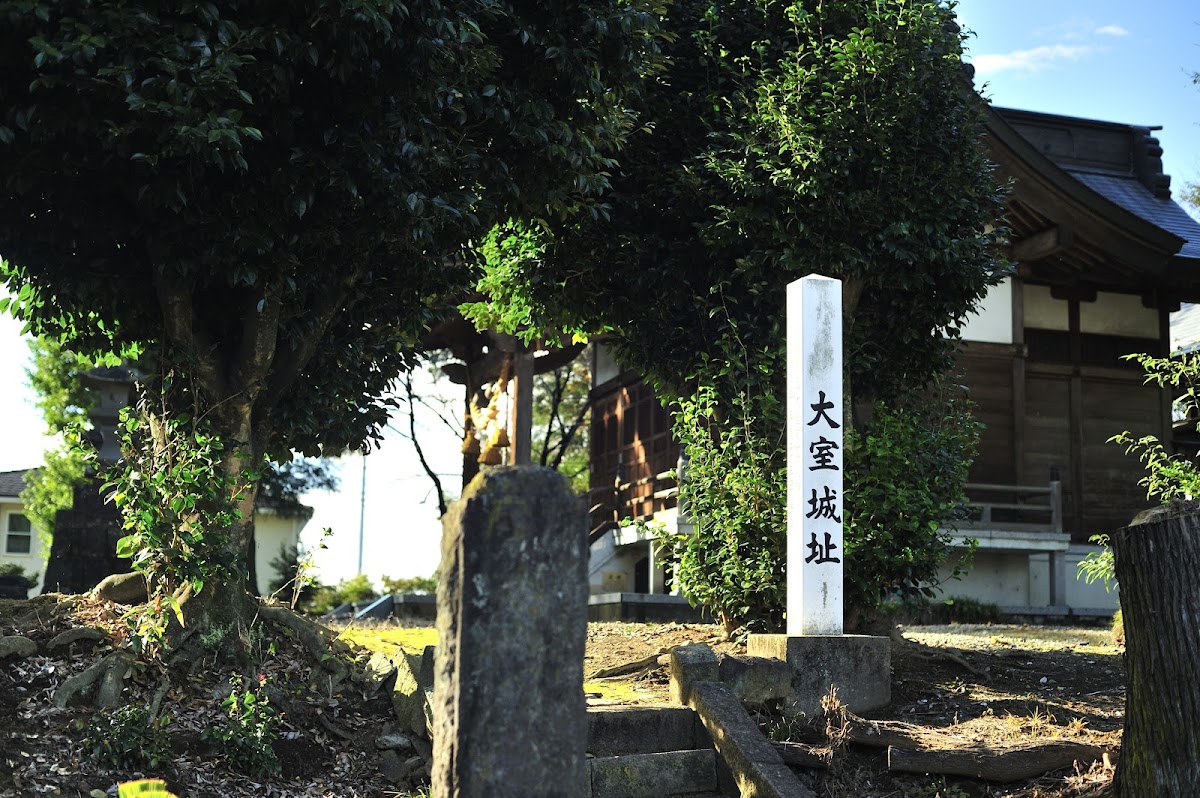
Omuro Castle is a flatland castle located in Nishi-Omuro-cho, Maebashi City, Gunma Prefecture. Currently the grounds of Omuro Shrine, it is known as a valuable historical site preserving the remains of the Sengoku period (Warring States period). It was the stage for the power struggle between the Nagao and Hojo clans in Kozuke Province (present-day Kōzuke Province), and played an important role in the history of the Sengoku period in the Kanto region.
The castle is located on a flat area at the southern foot of Mount Akagi, and the surrounding area contains numerous historical relics from ancient times, including the Omuro Kofun (ancient burial mounds). Omuro Castle functioned as a flatland castle equipped with defensive structures such as moats and earthworks, and also served as a subsidiary castle of Maebashi Castle.
History of Omuro Castle
The Era of the Shirai Nagao and Maki Clans
The exact construction date of Omuro Castle is unclear, but it is recorded as the residence of Maki Danjo, a vassal of the Shirai Nagao clan, during the Sengoku period. The Shirai Nagao clan was a powerful local lord representing Kōzuke Province, and the Maki clan held an important position among their vassals.
The Maki clan controlled the surrounding area from Omuro Castle, contributing to the maintenance of the Shirai Nagao clan’s power. The castle’s size and structure suggest it was not merely a residence, but a full-fledged castle with military functions.
Conflict with the Hojo Clan and the Capture of the Castle
In the late Sengoku period, the Kanto region was gradually falling under the influence of the Odawara Hojo clan. However, the Maki clan showed a stance of opposition to the Hojo clan over territorial issues. Hojo Ujinao responded to this resistance with a hardline stance.
Hojo Ujinao ordered Yura Narishige, lord of Kanayama Castle, to attack Omuro Castle, and the castle was captured from Maki Izumi-no-kami and his son, Danjo. Kanayama Castle was a strong mountain castle located in what is now Ota City, Gunma Prefecture, and the Yura clan was a powerful vassal of the Hojo clan.
This military action brought Omuro Castle under the control of the Hojo clan. The Hojo clan granted the castle to Nagao Masakage (Kagehiro), the son of Nagao Norikage. Nagao Masakage had been held hostage in Odawara Castle, and it is believed that he was appointed lord of Omuro Castle to demonstrate his loyalty to the Hojo clan.
Edo Period: As a Branch Castle of the Sakai Clan
After the Battle of Sekigahara, in 1601 (Keicho 6), when the Sakai clan became lords of Maebashi Castle, Omuro Castle was positioned as a branch castle of Maebashi Castle. The Sakai clan was a branch of Sakai Tadatsugu, one of the Four Heavenly Kings of the Tokugawa, and played an important role as a hereditary daimyo.
The Ishikawa clan, vassals of the Sakai clan, were stationed as castle lords at Omuro Castle, playing a part in the defense network of Maebashi Castle. However, when the Sakai clan was transferred to Himeji Domain in 1749 (Kanei 2), Omuro Castle is believed to have ceased its role and been abandoned.
While the exact date of its abandonment is not recorded, it is highly likely that it had already lost its function as a castle around the time of the Sakai clan’s transfer.
Structure and Layout of Omuro Castle
Characteristics as a Flatland Castle
Omuro Castle was a typical flatland castle, employing a different defensive system than mountain castles. Castles built on flat land needed to enhance their defensive capabilities by combining moats and earthworks.
The area around the current Omuro Shrine is estimated to have been the center of the castle, and traces of the original topography remain within the shrine grounds. The advantage of a flatland castle lies in its ease of transporting goods and convenience for daily life. It is believed that Omuro Castle also utilized these characteristics.
Arrangement of Moats and Earthworks
The moats and earthworks were crucial defensive features of Omuro Castle. Records such as “Castle Wanderings” confirm that Omuro Castle was surrounded by moats. The moats not only prevented enemy intrusion but also clearly defined the castle’s boundaries.
Regarding the earthworks, some traces have been confirmed through on-site surveys, but it is believed that many parts have been lost due to later development. The earthworks were constructed by piling up soil excavated from the moats, and fences or walls were built on top to enhance their defensive capabilities.
Arrangement of Enclosures
It is presumed that multiple enclosures (kuruwa) were arranged around the main enclosure (shukuruwa), which was the center of the castle. The main enclosure likely housed the lord’s residence and important facilities, while the surrounding enclosures probably contained the residences of retainers, barracks, and warehouses.
It is highly probable that the site where the main hall of Omuro Shrine stands was the main enclosure, with secondary enclosures such as the second and third enclosures located around it. However, due to the development of the shrine and surrounding residential areas, it is now difficult to pinpoint the exact layout of the enclosures.
Highlights of Omuro Castle
Omuro Shrine and Castle Ruins
The greatest highlight of Omuro Castle is Omuro Shrine, which stands on the castle ruins. Because the shrine grounds were the center of the castle, visitors can feel the atmosphere of the castle ruins while paying their respects. There are subtle differences in elevation around the shrine, which may be remnants of the earthworks and enclosures from the past.
Walking along the shrine’s approach and grounds, one can imagine the figures of the warlords who ruled this land during the Sengoku period. The quiet grounds create a unique space that combines the historical value of the castle ruins with the sacredness of a place of worship.
Traces of the Moat
Careful observation around Omuro Shrine can reveal traces of the former moat. While some parts are now filled in or used as waterways, it’s possible to infer the location of the moat from the depressions in the terrain and the flow of water.
In particular, changes in the terrain that appear to be the remains of the moat can be seen north of the shrine. Those interested in castles will be able to enjoy the castle ruins more deeply by paying attention to these subtle changes in terrain while exploring.
Surrounding Historical Landscape
The area around Omuro Castle boasts a historical landscape that has continued since ancient times. The relationship with the Omuro Kofun Cluster is particularly interesting; the existence of a chieftain’s tomb from the Kofun period and a castle from the Sengoku period in the same area indicates that this was an important strategic point from ancient times.
The view with Mount Akagi in the background is also magnificent, and on a clear day, you can see its majestic form. It’s impossible not to feel the romance of history when you imagine that the warlords who built the castle gazed upon the same view.
Visitor Guide
Points to Note When visiting Omuro Castle, the following points will be helpful.
Visiting Omuro Shrine: First, visit the shrine and soak up the atmosphere of the entire grounds. As you stroll around, keeping in mind the possibility that the shrine building was located on the main enclosure, you’ll begin to see the castle’s structure.
Observing the Topography: Pay attention to the subtle differences in elevation and depressions within and around the shrine grounds. These may be traces of earthworks and moats.
Relationship with the Surroundings: Understanding Omuro Castle within its historical context, considering its relationship to the Omuro Kofun Cluster and Omuro Park, is crucial.
Notes for Visitors
Omuro Shrine still functions as a place of worship, so it’s important to observe proper etiquette as a visitor. Please be careful not to damage the shrine buildings or facilities within the grounds, and observe quietly.
Since no clear remains of the castle exist, you’ll need to use your imagination during your visit. Learning about the castle’s history and structure beforehand will make your visit more fulfilling.
Photography is permitted, but please respect the shrine’s rules and be considerate of other visitors.
Access Information
Access by Public Transportation
From JR Maebashi Station: Taking a bus from Maebashi Station is the most common route. Take a Kan-etsu Kotsu bus bound for “Omuro Park,” get off at the “Omuro Park” bus stop, and walk approximately 10 minutes to reach Omuro Shrine. Since bus services are limited, it is recommended to check the timetable in advance.
From JR Isesaki Station: While it is possible to access the shrine by bus from Isesaki Station, the route via Maebashi Station is often more convenient. Isesaki Station is also relatively close, so taking a taxi is another option.
Access by Car
From the Kan-etsu Expressway: Approximately 20 minutes from the Maebashi Interchange on the Kan-etsu Expressway. Take National Route 17 and then a prefectural road towards Omuro.
From the Kita-Kanto Expressway: Approximately 15 minutes from the Isesaki Interchange on the Kita-Kanto Expressway. This route is also convenient.
Parking: Omuro Shrine has parking spaces for visitors. Additionally, a large parking lot is available at the nearby Omuro Park, making it possible to visit on foot.
Map and Location Information
Omuro Castle (Omuro Shrine) is located in Nishi-Omuro-cho, Maebashi City, Gunma Prefecture. The exact address is “Nishi-Omuro-cho, Maebashi City, Gunma Prefecture (Omuro Shrine)”. Searching for “Omuro Shrine” on a car navigation system or smartphone map app will display the correct location.
Nearby attractions include Omuro Park and the Omuro Kofun Cluster; visiting these together is efficient.
Nearby Tourist Information
Omuro Kofun Cluster
The Omuro Kofun Cluster, within walking distance of Omuro Castle, is an important group of ancient burial mounds protected as a nationally designated historic site. Four of the burial mounds—Mae-Futago Kofun, Naka-Futago Kofun, Ushiro-Futago Kofun, and Ko-Futago Kofun—are designated as national historic sites, representing a valuable legacy for understanding the culture of eastern Japan during the Kofun period.
The stone chambers of the Mae-Futago Kofun and Ato-Futago Kofun are open to the public, allowing visitors to explore their interiors. The opportunity to visit historical sites from different eras—the Kofun period and the Sengoku period—all at once is a unique charm of the Omuro area.
Omuro Park
This historical park, centered around the Omuro Kofun cluster, boasts a vast area encompassing not only the burial mounds but also a lawn area, a folk house garden, and other facilities. Cherry blossoms bloom in spring, and cosmos flowers in autumn, allowing visitors to enjoy the beauty of nature throughout the seasons.
The “Omuro Haniwa Museum” within the park displays replicas of haniwa (clay figures) and pottery excavated from the Omuro Kofun cluster, offering insights into Kofun period culture. Haniwa created by citizen volunteers are also on display, demonstrating the high level of local interest in history.
Maebashi Castle
Maebashi Castle, the main castle of Omuro Castle, is also worth a visit. Located where the Gunma Prefectural Government building now stands, it flourished as a flatland castle along the Tone River. Understanding the history of Maebashi Castle is valuable for comprehending its relationship with Omuro Castle during the Sakai clan’s era.
Ogo Castle
There are many other castle ruins within Maebashi City, and Ogo Castle is a prime example. Known as the residence of the Ogo clan, it is now maintained as a castle ruins park. Visiting it along with Omuro Castle will allow for a deeper understanding of the castle culture of Kozuke Province.
Related Castles to Omuro Castle
Relationship with Kanayama Castle
Kanayama Castle (Ota City, Gunma Prefecture) is indispensable when discussing the history of Omuro Castle. The historical fact that Hojo Ujinao ordered Kanayama Castle lord Yura Narishige to attack Omuro Castle demonstrates the close relationship between the two castles.
Kanayama Castle is known as one of the leading mountain castles in the Kanto region, and its remains, such as stone walls and moats, are well-preserved. It has also been selected as one of Japan’s 100 Famous Castles and is an important historical site for learning about castle architecture of the Sengoku period. When visiting Omuro Castle, a visit to Kanayama Castle will provide a deeper understanding of the Hojo clan’s control over the Kanto region.
Castle Network of Kozuke Province
Omuro Castle functioned as part of a castle network in Kozuke Province. Centered around Maebashi Castle, numerous other castles existed in the surrounding area, including Ogo Castle, Zen Castle, Urushikubo Castle, and Hikida Castle, maintaining regional control through mutual cooperation.
These castles were strategically located at key points on major roads and river crossings, indicating they were built with military and political objectives.
Significance of Visiting Omuro Castle
Understanding Kanto in the Sengoku Period
Omuro Castle is a valuable historical site that conveys the reality of power struggles in Kanto during the Sengoku period. The history of changing rulers—from the Shirai Nagao clan, the Hojo clan, and the Sakai clan under the Tokugawa shogunate—reflects the complex political situation of Kanto.
The Hojo clan’s capture of the castle, in particular, is a typical example of the Odawara Hojo clan’s process of unifying the Kanto region, and is important for understanding the realities of power struggles during the Sengoku period.
Experiencing Local History and Culture
The Omuro area has consistently remained an important region from the Kofun period through the Sengoku period and into the early modern period. Visiting Omuro Castle allows you to experience the multi-layered history of this region.
Visiting the Omuro Kofun Cluster and Omuro Castle together allows you to feel the continuity of history across different eras. The existence of ancient chieftain tombs and a Sengoku period castle in the same area demonstrates the geopolitical importance of the land.
Perspectives on Castle Research
Omuro Castle is also an interesting case study for studying the structure and defensive systems of flatland castles. The unique features of flatland castles, different from mountain castles, and the defensive system combining moats and earthworks, demonstrate the diversity of Japanese castle architecture.
Visiting the site, observing the topography, and understanding the castle’s structure by comparing it with a layout map is a fundamental method of castle research, and Omuro Castle is a suitable place for such learning. ## Model Itinerary for Visiting Omuro Castle
Half-Day Course
Morning: Take a bus from JR Maebashi Station to Omuro Park. Visit the burial mounds within Omuro Park and view the exhibits at the Omuro Haniwa Museum. Visit the historical buildings in the park’s folk village.
Lunch: Lunch near Omuro Park or in Maebashi City.
Afternoon: Visit Omuro Shrine (Omuro Castle Ruins) and stroll around the castle ruins. Observe the surrounding terrain and feel the atmosphere of a Sengoku period castle.
Full-Day Course
This course includes the above half-day course plus visits to other castles in Maebashi City, such as Maebashi Castle Ruins (near the Gunma Prefectural Government Office) and Ogo Castle. Using a rental car or taxi will allow you to visit more efficiently.
Maebashi City also has several other castle ruins, such as Urushikubo Castle and Hikida Castle, making it a fulfilling day for castle enthusiasts.
Reference Information Regarding Omuro Castle
Related Books
For those who want to learn more about Omuro Castle and castles in Kōzuke Province, the following books are helpful:
- *Medieval Castle Sites in Gunma Prefecture* (Gunma Prefectural Board of Education)
- *Comprehensive Survey of Japanese Castles*, Volume 4: Gunma and Tochigi (Shin Jinbutsu Ōraisha)
- *Mastering Sengoku Castles* series
- Papers and reports by local history research groups
These documents contain detailed information on Omuro Castle’s layout, archaeological excavation results, and historical background.
Online Information
Websites such as *Jōkaku Hōrōki* and *Kōjōdan* feature photos and impressions from visitors, which are useful for gathering information before a visit. The official website of Maebashi City also provides information on Omuro Park and the Omuro Kofun Group.
Local Museums
Local materials related to Omuro Castle can be viewed at local history museums and libraries in Maebashi City. The Maebashi City Library, in particular, has a local history section with a rich collection of castle-related literature. ## Summary
Omuro Castle, located in Nishi-Omuro-cho, Maebashi City, Gunma Prefecture, is a flatland castle from the Sengoku period. It began as the residence of Maki Danjo, a retainer of the Shirai Nagao clan, was later seized by the Hojo clan, and later functioned as a branch castle of the Sakai clan during the Edo period. Currently, it is the grounds of Omuro Shrine and is a valuable historical site retaining traces of its moats and earthworks.
Nearby are the Omuro Kofun Group, a nationally designated historical site, making it a rare place where one can experience history from ancient times to the Sengoku period all at once. It is an important castle for understanding the Sengoku history of the Kanto region, particularly the expansion of the Hojo clan’s power, and is a historical site worth visiting not only for castle enthusiasts but also for history buffs.
Access is relatively easy; it can be reached by bus from Maebashi Station. Therefore, please consider visiting Omuro Castle as part of your Kanto castle tour. You will surely feel the spirit of the Sengoku period warlords in the quiet shrine grounds.