Numata Castle (Numata City, Gunma Prefecture) Complete Guide | History and Highlights of a Strategic Fortress Fought Between the Sanada Clan and Sengoku Daimyo
Table of Contents
- Overview and Basic Information of Numata Castle
- History and Development of Numata Castle
- Layout and Scale of Numata Castle
- The Deep Connection Between the Sanada Clan and Numata Castle
- Remains and Current Appearance of Numata Castle
- Access and Tourist Information for Numata Castle
- Works and Cultural Properties Related to Numata Castle
Overview and Basic Information of Numata Castle
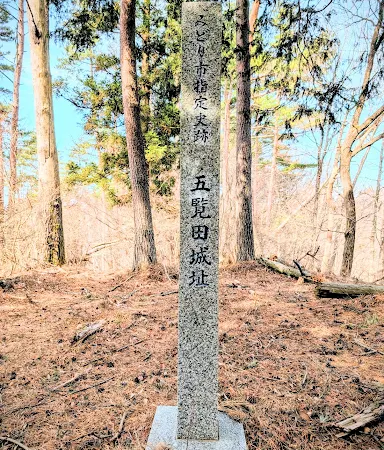
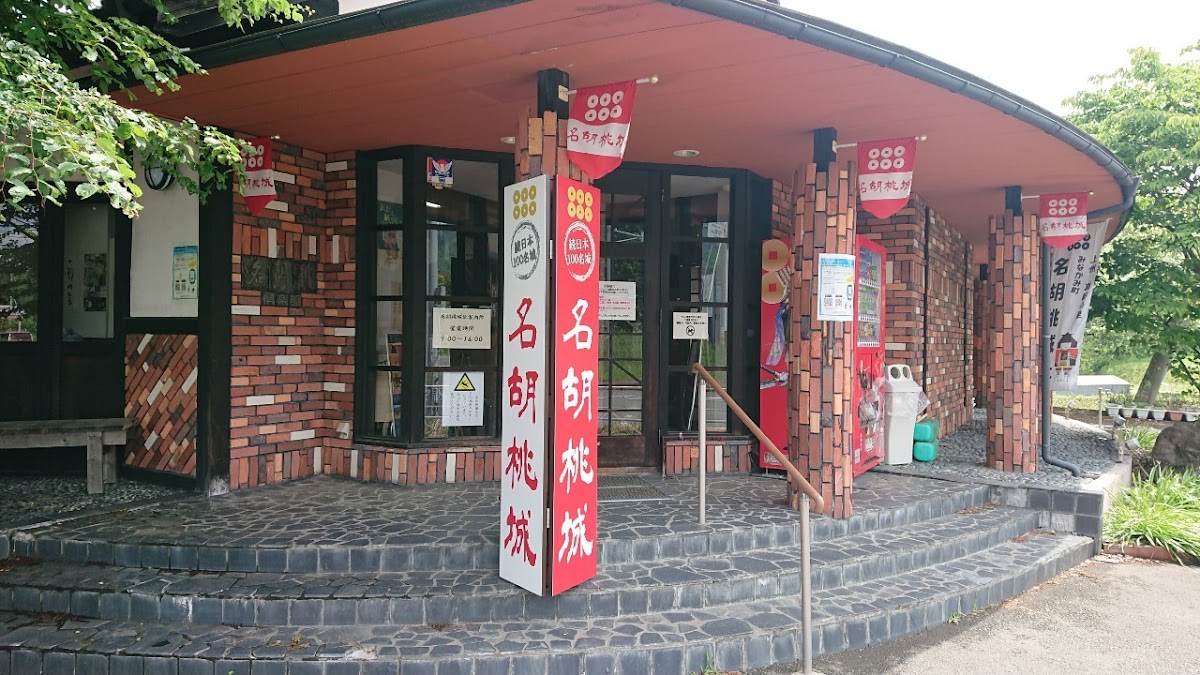
Numata Castle (Numata-jo) was a Japanese castle that once existed in Nishikurauchi-cho, Numata City, Gunma Prefecture. It is now a popular park for citizens, known as Numata Park. It was designated a Numata City Historic Site on March 30, 1976 (Showa 51), and was selected as one of the Continued Top 100 Japanese Castles (No. 116) in 2017 (Heisei 29).
Location and Geographical Importance of Numata Castle
Numata Castle is a hill castle built on a plateau on a river terrace between the Tone River and the Usune River. This plateau is approximately 70 meters higher than the surrounding area and measures approximately 500 meters east-west and 300 meters north-south. Surrounded on three sides by cliffs, it is a natural stronghold and, due to its strategic location on the Mikuni Kaido road connecting the Kanto Plain and Echigo, it functioned as an extremely important military base during the Sengoku period.
This geographical location was the reason why the Uesugi clan of Echigo, the Takeda clan of Kai, and the Later Hojo clan of Odawara—all leading daimyo of the Sengoku period—fiercely fought over it. The strategic value of controlling Numata, which would give control of the transportation routes between Kanto and Echigo, was immeasurable.
Alternative Names and Designations
Numata Castle was also called “Kurauchi Castle” when it was first built. This name originates from the place name Kurauchi, where the castle was located. Furthermore, it was affectionately known locally simply as “Numata Castle,” and during the Edo period, it functioned as the administrative center of the Numata Domain.
History and Development of Numata Castle
Construction by the Numata Clan (Tenbun 1, 1532)
The history of Numata Castle begins in Tenbun 1 (1532), when Mankisai Akiyasu, the 12th head of the Numata clan, a powerful family in this region since the Kamakura period, built a castle on a plateau atop a cliff. The Numata clan is said to be a branch of the Miura clan and was a prestigious family that had ruled this region for many years.
Initially, Numata Castle was called Kurauchi Castle and is thought to have been a relatively small fortress. However, due to its advantageous location, it gradually increased in importance.
Struggle for Control by Sengoku Daimyo (1560s-1580s)
From the mid to late 16th century, Numata Castle became the target of fierce struggle among Sengoku daimyo. The Era of Uesugi Kenshin Around 1560, as Uesugi Kenshin of Echigo Province sought to expand into the Kanto region, Numata Castle came under the influence of the Uesugi clan. Numata was a crucial base for the Uesugi clan’s control of Kanto, and Kenshin is said to have visited the area numerous times.
Intervention by the Takeda Clan Takeda Shingen also recognized the importance of Numata as he aimed to expand into Kanto. From the Eiroku era to the Tensho era, the Takeda clan sought to expand their influence over Numata territory, and for a time, it was under Takeda control.
Conflict with the Hojo Clan The Later Hojo clan of Odawara also aimed to acquire Numata Castle in order to seize hegemony in Kanto. Especially after the death of Uesugi Kenshin, as the balance of power in Kanto became fluid, the Hojo clan actively attempted to expand into Numata.
The Sanada Clan Era (1580s–1681)
Acquisition by Sanada Masayuki
Around 1580 (Tensho 8), Sanada Masayuki, a vassal of the Takeda clan, seized Numata Castle. Masayuki was known as a general skilled in strategy and diplomacy, and fully understood the strategic value of Numata Castle.
Even after the Takeda clan’s downfall in 1582 (Tensho 10), Masayuki continued to maintain control of the Numata territory through skillful diplomacy. He managed to protect Numata Castle as the base of the Sanada family’s power, while navigating the complexities of the time with powerful figures such as Oda Nobunaga, Tokugawa Ieyasu, Uesugi Kagekatsu, and Hojo Ujimasa.
The Appointment of Sanada Nobuyuki
In 1590, after Toyotomi Hideyoshi’s siege of Odawara, Sanada Nobuyuki, the eldest son of Sanada Masayuki, officially became the first lord of Numata Castle, a domain of 27,000 koku. Unlike his father and younger brother, Sanada Yukimura (Nobushige), Nobuyuki sided with the Tokugawa at the Battle of Sekigahara, ensuring the survival of the Sanada family.
Construction of the Five-Story Keep
In 1597, Sanada Nobuyuki constructed a five-story keep at Numata Castle. This was an extremely impressive keep for its time and became a symbol of Numata Castle’s grandeur. Around 1614, the castle town took shape, and Numata prospered as a castle town of the Sanada clan.
The Sanada clan, counting from Nobuyuki, ruled Numata Castle for 91 years over five generations, governing the region as the lords of the Numata Domain. Many anecdotes surround Komatsuhime, the wife of Sanada Nobuyuki (daughter of Honda Tadakatsu), and the connection between the Sanada family and Numata is still recounted today.
The Era After the Toki Clan (1681-Meiji Restoration)
The Sanada Clan’s Dispossession and the Demolition of the Castle
In 1681, the 5th lord, Sanada Nobutoshi, incurred the wrath of the shogunate and was dispossessed of his domain. Nobutoshi faced complaints from his people due to harsh tax collection and unethical practices, ultimately receiving the severe punishment of confiscation of his territory.
Following this dispossession, Numata Castle was ordered to be demolished by the shogunate. Major buildings such as the keep, turrets, and gates were dismantled, and parts of the stone walls were also destroyed.
The Entry of the Toki Clan
After the Sanada clan’s dispossession, the Toki clan from Mino Province entered the domain with a stipend of 30,000 koku. However, since the castle had already been demolished, the Toki clan established a fortified residence on the castle site and conducted their domain administration there. The Toki clan ruled Numata for 11 generations until the Meiji Restoration.
After the Meiji Era
After the Meiji Restoration, the Numata Castle site was developed into a park. From the Meiji era to the Showa era, trees such as cherry trees and pine trees were planted in the former castle grounds, and it became a popular place of relaxation for citizens.
On March 30, 1976, the Numata Castle site was designated a Numata City Historic Site, officially recognizing its historical value. In 2017, it was selected as one of the Continued Top 100 Japanese Castles, increasing its national recognition.
Layout and Scale of Numata Castle
Castle Structure
Numata Castle is characterized by its layout that makes maximum use of the river terrace topography. The castle grounds were centered around the main keep (Honmaru), with the second and third baileys (Ninmaru and Sannomaru) arranged around it, each separated by moats and earthen ramparts.
Honmaru
The Honmaru was the central enclosure of the castle, and a five-story keep stood there. Its dimensions are estimated to be approximately 150 meters east-west and 100 meters north-south. The current center of Numata Park corresponds to the former Honmaru.
Ninmaru and Sannomaru
The second and third baileys surrounded the Honmaru. These baileys housed the residences of retainers and storehouses, enhancing the castle’s defensive capabilities.
Moats and Stone Walls
Multiple moats were constructed within the castle grounds, separating the baileys. Stone walls were also built in various locations, some of which still remain today. The stone walls around the Honmaru, in particular, are valuable remnants demonstrating the advanced castle-building techniques of the Sanada clan era.
The Imposing Five-Story Keep
The five-story keep, built by Sanada Nobuyuki in 1597 (Keicho 2), was the symbol of Numata Castle. According to records from the time, this keep was a magnificent structure visible from afar, symbolizing the control of the Numata territory.
Unfortunately, the keep was lost when the Sanada clan was dispossessed of their domain and no longer exists. However, it is possible to estimate its size and structure to some extent from ancient documents and drawings. The keep was a multi-story tower type, and it is believed that from the top floor, one could see the Tone River and the surrounding mountains.
The Deep Connection Between the Sanada Clan and Numata Castle
Sanada Masayuki’s Strategic Base
For Sanada Masayuki, Numata Castle was a crucial strategic base for the survival of the Sanada family. During the chaotic period after the fall of the Takeda clan, Masayuki used Numata Castle as his base to skillfully conduct diplomacy between the Hojo, Tokugawa, and Uesugi clans.
Especially after the Tensho-Jingo War (1582), he clashed fiercely with the Hojo clan over the ownership of the Numata territory. Although Toyotomi Hideyoshi’s ruling temporarily resulted in the surrender of part of the Numata territory to the Hojo clan, Masayuki ultimately succeeded in maintaining control of Numata Castle.
The Era of Sanada Nobuyuki and Komatsuhime
Sanada Nobuyuki sided with the Tokugawa in the Battle of Sekigahara, separating him from his father Masayuki and younger brother Nobushige. This decision ensured the survival of the Sanada family, and Nobuyuki was able to govern Numata Castle stably.
Nobuyuki’s wife, Komatsuhime, was the daughter of Honda Tadakatsu and is known as an intelligent and brave woman. An anecdote tells that before the Battle of Sekigahara, when Masayuki, who sided with the Western Army, visited Numata Castle, Komatsuhime refused to open the castle gates, stating, “Even if he is my father-in-law, I cannot allow someone from the enemy into the castle.” This anecdote is famous as an episode that illustrates Princess Komatsu’s fortitude and the harsh realities of the Sengoku period.
The Sanada Clan’s Management of the Castle Town
The Sanada clan developed Numata Castle not only as a military base but also as an economic center. They developed the castle town, attracting merchants and craftsmen to promote its prosperity. By around 1614, the castle town was fully formed, and Numata flourished as the central city of the Tone region.
During the Sanada era, Numata also functioned as a post town on the Mikuni Kaido road, bustling with the movement of people and goods. Some traces of the town layout built during this period remain in the present-day Numata city center.
Remains and Current State of Numata Castle
Existing Remains
Since Numata Castle was developed into a park after the Meiji era, very few buildings remain. However, the following remains can still be seen today.
Stone Walls
Parts of the stone walls remain, mainly around the main keep. These were built during the Sanada clan’s era and are valuable historical materials for understanding the castle construction techniques of that time. The stone walls on the east side of the main keep are particularly well-preserved and impressive.
Moat Remains
The remains of the moats that separated the baileys are still visible as part of the topography. While some parts have been filled in or altered, they provide clues to understanding the castle’s layout.
Earthworks
Traces of earthworks can also be seen in some baileys. These functioned as defensive structures and are important for understanding the castle’s structure.
Numata Park Today
Currently, the Numata Castle ruins have been developed into Numata Park, a place of relaxation for citizens. The park features a baseball field, tennis courts, and playground equipment, and is bustling with people enjoying sports and recreation.
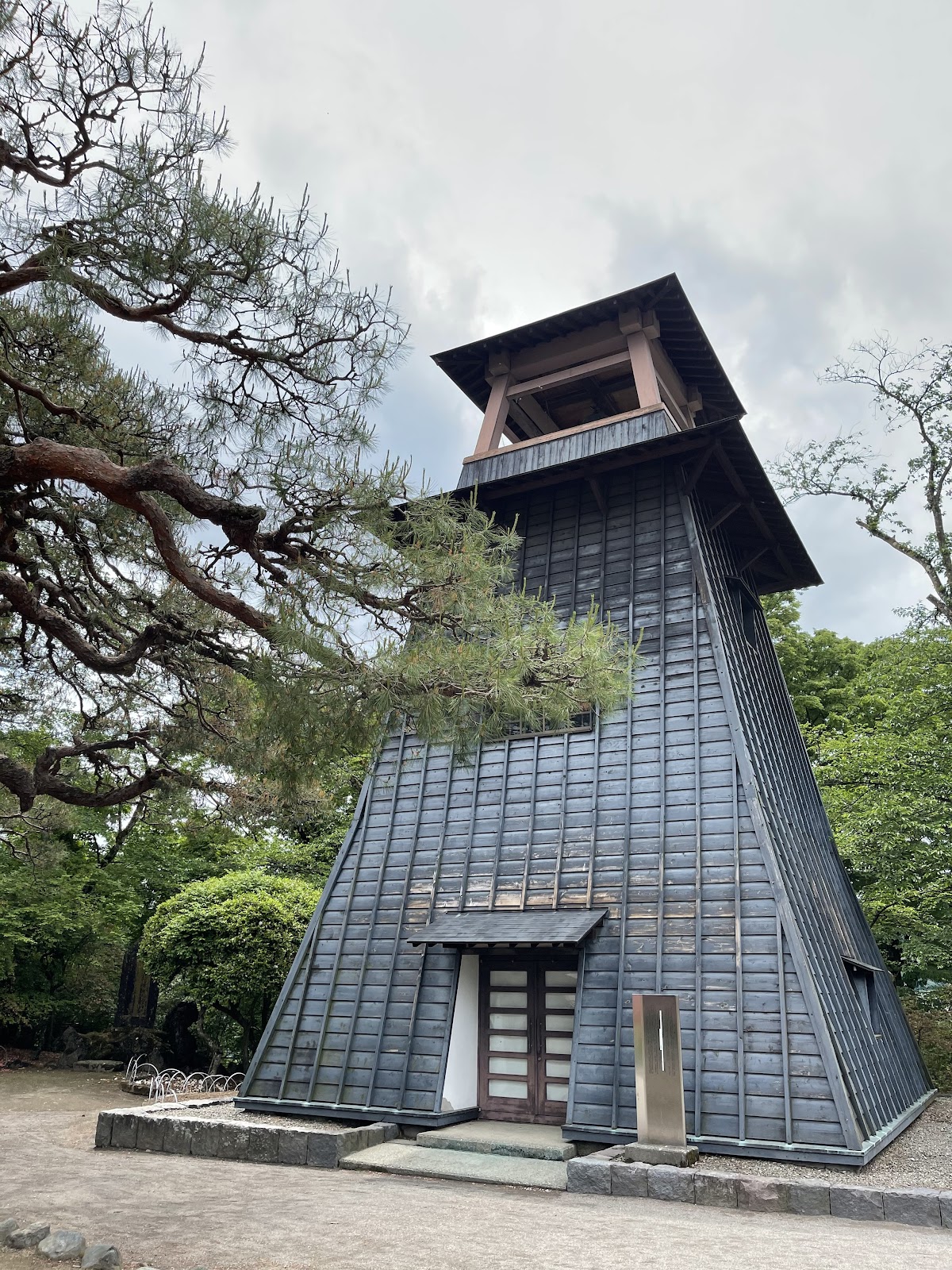
Bell Tower
A bell tower stands within the park, its chime ringing out to mark the time. This was erected as a symbol of the castle and is a popular spot for tourists.
Stone Monuments and Information Boards
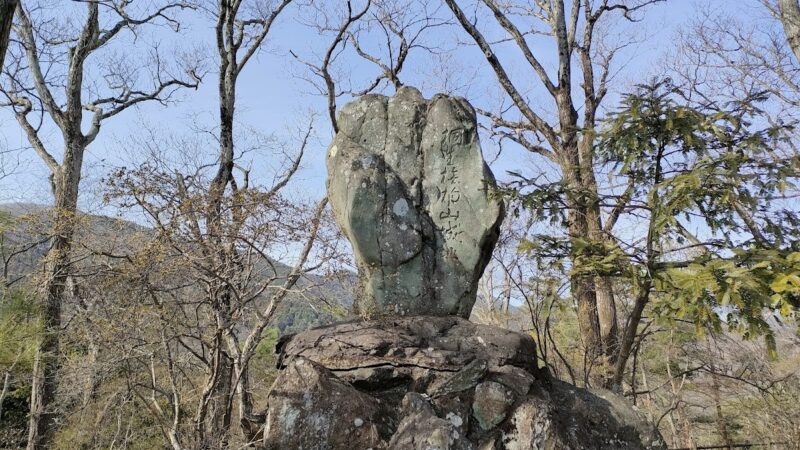
Throughout the park are stone monuments and information boards that tell the history of Numata Castle. Explanations about the Sanada and Toki clans, as well as maps of the castle’s layout, are installed to convey the castle’s history to visitors.
Cherry Blossom Viewing Spot
Numata Park is also known as a cherry blossom viewing spot. In spring, approximately 200 Somei Yoshino cherry trees bloom, attracting many visitors. The combination of the castle ruins and cherry blossoms evokes a sense of history and romance in visitors.
Numata City Historical Museum
Adjacent to Numata Park is the Numata City Historical Museum. This museum exhibits materials related to the history of Numata Castle and its lords, the Numata, Sanada, and Toki clans.
Exhibits include armor and ancient documents related to the Sanada clan, a reconstructed model of the castle, and artifacts unearthed during archaeological excavations. When visiting Numata Castle, we highly recommend stopping by this museum to learn more about the castle’s history.
Access and Tourist Information for Numata Castle
Basic Information
Location
594 Nishikurauchi-cho, Numata City, Gunma Prefecture 378-0042 (Numata Park)
Opening Hours
Open at all times (park area)
Numata City Historical Museum: 9:00 AM – 5:00 PM (Last entry at 4:30 PM)
Closed Days
Numata City Historical Museum: Mondays (or the following day if Monday is a public holiday), New Year holidays
Admission Fee
Park area: Free
Numata City Historical Museum: 200 yen for adults, 100 yen for elementary and junior high school students
Access Methods
Access by Train/Bus
Approximately 15 minutes on foot from JR Joetsu Line “Numata Station,” or immediately after getting off at “Numata Castle Ruins Entrance” bus stop.
Access by Car
Approximately 5 minutes from Kan-Etsu Expressway “Numata IC.” Free parking available around the park (approximately 30 spaces).
Nearby Tourist Attractions
Sites Associated with the Sanada Clan
Numata Castle is surrounded by numerous historical sites related to the Sanada clan. Shōgaku-ji Temple houses the grave of Sanada Nobuyoshi (Nobuyuki’s second son), and Kashozan Miroku-ji Temple was a place of prayer for the Sanada clan.
Fukiware Falls
A famous waterfall, known as the “Niagara of the East,” located about 30 minutes by car from Numata City. It is designated a national natural monument.
Tambara Lavender Park
A highland resort where approximately 50,000 lavender plants bloom in the summer. It has become a new tourist attraction in Numata City.
Works and Cultural Properties Related to Numata Castle
Literary Works
Numerous historical novels have been written about Numata Castle and the Sanada clan. In Shōtarō Ikenami’s *Sanada Taiheiki*, Numata Castle is depicted as an important setting in the story of the three generations of Sanada Masayuki, Nobuyuki, and Yukimura.
Drama and Film
The 2016 NHK Taiga drama “Sanada Maru” featured the relationship between the Sanada clan and Numata Castle, attracting nationwide attention. The broadcast of this drama significantly increased the number of tourists visiting Numata Castle.
Cultural Property Designation
- Numata City Designated Historic Site (Designated March 30, 1976)
- One of the Continued Top 100 Japanese Castles (Selected 2017, No. 116)
These designations officially recognize the historical and cultural value of Numata Castle ruins, and preservation and utilization efforts are underway.
Summary
Numata Castle was a strategic point fought over by powerful daimyo such as the Uesugi, Takeda, and Hojo clans during the Sengoku period (Warring States period). It is a historically important castle that served as the residence of the Sanada clan for 91 years across five generations. Although no buildings remain today, the remains such as stone walls and the castle ruins, which have been developed into Numata Park, convey the atmosphere of that time.
As a strategic base for Sanada Masayuki, the residence of Sanada Nobuyuki and Princess Komatsu, and the administrative center of the Numata Domain, Numata Castle always remained the heart of the region. Its selection as one of the Continued Top 100 Japanese Castles has given it nationwide recognition for its historical value.
When visiting Gunma Prefecture, be sure to visit the Numata Castle ruins and experience the romance of the Sengoku period and the legacy of the Sanada clan. It is especially beautiful during the cherry blossom season in spring, allowing you to enjoy both historical exploration and natural beauty simultaneously.