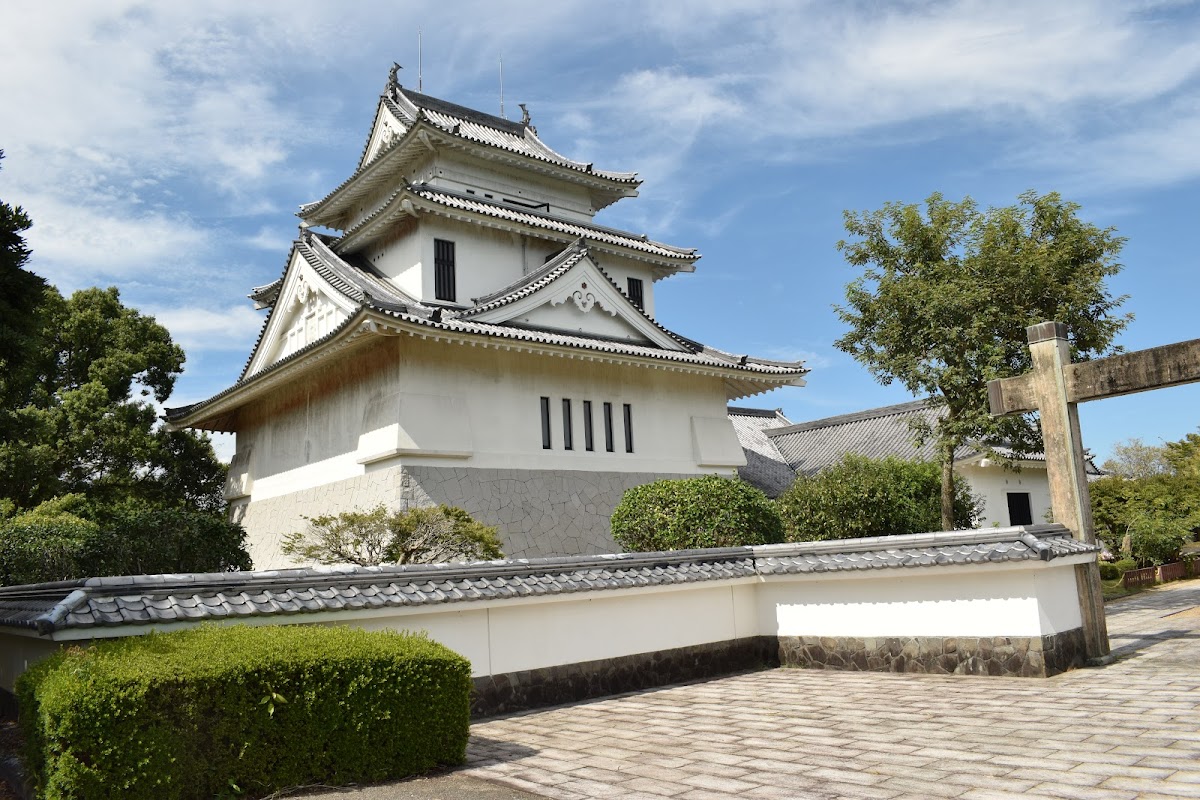
Amagajo Castle (Miyazaki Prefecture) Complete Guide | History, Highlights, Access, and Cherry Blossom Festival Information
Located in Uchiyama, Takaoka-cho, Miyazaki City, Miyazaki Prefecture, Amagajo Castle is a mountain castle ruin that preserves the history from the Sengoku period to the early Edo period. Also known as “Takaoka Castle” and “Fumoto Castle,” it played an important role as one of the 48 castles of the Ito clan. Currently, it is maintained as Amagajo Park, and in spring, approximately 1,300 cherry trees bloom, making it one of Miyazaki City’s leading cherry blossom viewing spots, popular with many tourists and locals alike.
History of Amagajo Castle
Uchiyama Castle during the Ito Clan Era
The history of Amagajo Castle begins with “Uchiyama Castle,” built by the Ito clan during the Sengoku period. The Ito clan was a Sengoku daimyo who ruled Hyuga Province (present-day Miyazaki Prefecture) and adopted a strategy of placing 48 branch castles within their territory. Uchiyama Castle, one such example, was built on a hill 120 meters above sea level overlooking the Miyazaki Plain, serving as a crucial base for territorial defense.
The Ito Forty-Eight Castles were a group of branch castles located throughout Hyuga Province, centered around the main castle, Sadowara Castle. These castles cooperated with each other, forming a defensive network to prepare for enemy invasions. Uchiyama Castle also played a part in this network, functioning as a defensive line against invasions from the south.
Renovation and Renaming to Takaoka Castle by the Shimazu Clan
In the Battle of Sekigahara in 1600, Shimazu Yoshihiro, who belonged to the Western Army, carried out a daring retreat by breaking through enemy lines and returned to Satsuma. After this battle, the Shimazu clan, wary of pursuit by the Eastern Army led by Tokugawa Ieyasu, felt compelled to strengthen their defenses within their territory.
Shimazu Yoshihiro recognized the strategic importance of Uchiyama Castle, which had previously been under the control of the Ito clan, and ordered a large-scale renovation of the castle. This renovation led to the castle being called “Takaoka Castle” or “Amaga Castle,” and it was reborn as a frontline fortress to prepare for invasions by the Ito clan and attacks by the Tokugawa forces.
The Shimazu clan’s renovations included expanding the baileys, deepening the moats, and strengthening the earthworks, developing it into a more robust mountain castle. By utilizing the Oyodo River as a natural moat and employing a defensive design that took advantage of the surrounding terrain, it became a castle that was difficult to attack and easy to defend.
Changes after the Edo Period
During the Edo period, Amaga Castle came under the control of the Satsuma Domain. However, with the arrival of peace, its role as a practical fortress gradually diminished. Nevertheless, it maintained its function as a regional administrative center and observation post, remaining a central presence in the Takaoka region.
With the Meiji-era decree abolishing castles, Amaga Castle was officially abandoned. Afterward, the castle ruins were used as living space for local residents, and were utilized as farmland and residential areas. From the Showa to the Heisei era, there was a growing movement to preserve and utilize the site as a historical heritage of the region, leading to its development as a park.
Structure and Remains of Amagajo Castle
Characteristics as a Mountain Castle
Amagajo Castle is a typical mountain castle, built on a hill 120 meters above sea level. This location offered the advantage of a panoramic view of the surrounding area, allowing for early detection of enemy movements. Furthermore, attacking the castle required climbing steep slopes, making it advantageous for the defenders.
The castle’s layout consisted of multiple enclosures centered around the main keep. Each enclosure was separated by earthworks and moats, forming a tiered defensive line. A multi-layered defensive system was employed, allowing for defense even if the enemy breached one enclosure.
Existing Remains
Currently, the following remains can be confirmed at the Amagajo Castle site:
Enclosure Remains: Flat surfaces of multiple enclosures, including the main keep, remain, allowing for inferences about the castle’s layout at the time. The main keep site, in particular, is a large, flat area that has been developed into a grassy plaza.
Earthworks: Traces of earthworks remain around some of the baileys, confirming the existence of defensive structures. Although the original height has been lost due to weathering, the layout of the earthworks allows us to understand the castle’s defensive lines.
Moat Traces: Although not clearly defined, traces of moats can be seen in the steps and depressions between the baileys. While some of these have been filled in by years of wind, rain, and development, expert research has revealed their original layout.
The Amagajo Castle Ruins are protected as a Miyazaki City designated historical site and are preserved as a historically valuable heritage for future generations.
Miyazaki City Amagajo Historical and Folk Museum
Museum Overview
The Miyazaki City Amagajo Historical and Folk Museum, modeled after a castle tower, is located on the site of the main keep of Amagajo Castle. This building is not an actual castle keep, but a replica with a castle-like exterior. Its striking appearance, visible even from afar, makes it a symbol of Amagajo Park.
The museum is a three-story structure, with each floor featuring extensive exhibits on the history and culture of the Takaoka region. It is a valuable facility where visitors can learn about local history while experiencing the atmosphere of castle architecture, and is popular with many visitors.
Exhibits
1st Floor: Takaoka History Exhibits
The first floor presents the history of the Takaoka region from ancient times to the modern era in chronological order. The exhibits on the history of Amagajo Castle are particularly extensive, clearly explaining the castle’s transformation from the Ito clan era to the Shimazu clan era using panels and models.
Excavated pottery, weapons, and daily life items are also on display, offering a glimpse into the lives of the people of that time. Furthermore, old maps and documents showing the development of Takaoka town are also exhibited, serving as valuable resources for local history research.
2nd Floor: Edo Period Takaoka Town Diorama
The highlight of the second floor is a diorama that precisely recreates the town of Takaoka during the Edo period. The layout of the castle town, the appearance of the main roads, and the rows of merchant houses and samurai residences are meticulously depicted, allowing visitors to visually understand the bustling atmosphere of the town at that time.
This diorama was created under the supervision of experts based on historical documents and illustrations, and is highly regarded for its historical accuracy. Lighting effects also depict the change in atmosphere between day and night, transporting viewers back to the Edo period.
3rd Floor: Observation Deck
The third floor is an observation deck offering a 360-degree panoramic view. From an altitude of 120 meters, you can see the Miyazaki Plain, the Oyodo River, the Kirishima mountain range, and on clear days, even the Hyuga Sea.
This view is almost identical to the viewpoint from which the castle lord and soldiers once kept watch, allowing you to appreciate the importance of Takaoka as a defensive stronghold during the Sengoku period. Enjoy the scenery of each season, and the sea of cherry blossoms stretching out below during cherry blossom season is particularly breathtaking.
Special Exhibitions
The museum holds special exhibitions several times a year. These exhibitions showcase local culture through diverse themes, including displays about Takagi Kanehiro, a medical scientist from Takaoka, and special exhibitions of local folklore materials.
Opening Hours and Visitor Information
Opening Hours
The Miyazaki City Amagajo Historical and Folk Museum changed its opening days on April 1, 2017. Currently, it is open only on Saturdays, Sundays, and national holidays, and closed on weekdays. Opening hours are from 9:00 AM to 4:30 PM.
Admission Fee
Admission is free. Anyone can easily visit and experience the history and culture of the region.
Inquiries
Miyazaki City Amagajo Historical and Folk Museum
Phone: 0985-82-2950
*Calls made on weekdays will be forwarded to the Miyazaki City Ikime-no-Mori Yukokan Museum. The museum is operated by the Miyazaki Cultural Promotion Association.
The Charms of Amagajo Park
Overview of Park Facilities
The Amagajo Castle ruins have now been developed into “Amagajo Park,” a place of relaxation for citizens. In addition to the historical and folk museum, the park features facilities such as a lawn area, baseball field, and gymnasium, making it a comprehensive park that can be used for various purposes, from historical walks to sports.
Walking paths are maintained throughout the vast grounds, allowing visitors to enjoy the changing seasons while strolling. The view from the hilltop is particularly magnificent, making it a popular spot for its panoramic views of Miyazaki city and the surrounding mountains.
A Famous Cherry Blossom Spot
Amagajo Park, known as “Senbonzakura” (Thousand Cherry Trees), is one of Miyazaki City’s premier cherry blossom viewing spots. Approximately 1,300 Somei Yoshino and mountain cherry trees are planted in the park, blooming simultaneously from late March to early April.
During the cherry blossom season, the entire hillside is dyed pink, creating a breathtaking spectacle. The combination of the castle-like architecture of the museum and the cherry blossoms creates a picturesque scene, attracting many photography enthusiasts. The trees are also illuminated at night, allowing visitors to enjoy the magical sight of cherry blossoms after dark.
Amagajo Cherry Blossom Festival
The “Amagajo Cherry Blossom Festival” is held annually to coincide with the peak cherry blossom season. During this event, local food stalls line the streets, and stage events and traditional performing arts are presented.
The cherry blossom festival attracts many visitors from both within and outside the prefecture, creating a lively atmosphere. Families, groups enjoying picnics, friends having flower viewing parties – people can be seen enjoying the cherry blossoms in their own way.
The event period and details vary from year to year, so it is recommended to check Miyazaki City’s tourist information and the museum’s official information before visiting.
Azalea Season
After the cherry blossom season ends, around mid-April, approximately 50,000 azaleas begin to bloom. The red, pink, and white azaleas that adorn the slopes of the park captivate visitors with a different kind of splendor than the cherry blossoms.
The azalea blooming period is longer than that of the cherry blossoms, and they can often be enjoyed until around Golden Week, making it a spot where you can enjoy flowers throughout the spring sightseeing season.
Enjoying the Park Through the Seasons
Spring: Cherry blossom and azalea viewing, historical walks, picnics
Summer: Hiking amidst fresh greenery, sports at athletic facilities, enjoying the summer sky from the observation deck
Autumn: Viewing autumn leaves, strolling under the autumn sky, enjoying the views in the crisp air
Winter: Enjoying the views on a clear winter day, quiet historical walks, bird watching
Amagajo Park offers different charms throughout the year, and you’ll discover something new every time you visit.
Access Information
Access by Car
From Miyazaki City Center
Amagajo Park is approximately 30 minutes by car from Miyazaki City center. Head south on National Route 10 towards Takaoka Town. Following the signs will ensure you arrive without getting lost.
Using the Miyazaki Expressway
Exit the Miyazaki Expressway at the Takahara Interchange or Tano Interchange, and it’s approximately 20 minutes via local roads. Access from outside the prefecture is convenient via expressways.
Parking
Amagajo Park has a free parking lot. While there is usually ample parking space, congestion is expected during the cherry blossom festival. Early arrival is recommended, especially on weekends and holidays. Temporary parking lots may be opened during peak times.
Access by Public Transportation
By Bus
From Miyazaki Station or the central area of Miyazaki City, take a Miyazaki Kotsu bus bound for Takaoka. Get off at the “Takaoka Elementary School Entrance” bus stop, and Amagajo Park is approximately a 15-minute walk from there.
The walk from the bus stop to the park is a gentle uphill slope, so comfortable shoes are recommended. Bus service is limited, so checking the timetable in advance is advisable.
By JR
The nearest stations are Tano Station or Miyazaki Station on the JR Nippo Main Line. From the station, you will need to take a taxi or bus. By taxi, it takes approximately 30 minutes from Miyazaki Station and approximately 20 minutes from Tano Station.
Combining with Nearby Facilities
There are other attractive tourist spots around Amagajo Park. Combining it with other attractions such as the Miyazaki City Ikime-no-Mori Yukokan (Archaeological Museum), Sadowara Castle Ruins, and Miyazaki Shrine is recommended for a one-day sightseeing plan exploring Miyazaki’s history and culture.
Photo Spots and Photo Gallery Information
Recommended Photo Spots
Amagajo Park has many spots perfect for photography.
Collaboration of the Mock Castle Tower and Cherry Blossoms: During cherry blossom season, this is an excellent photo spot where you can capture the castle-like museum tower and the cherry blossoms in full bloom together. Shooting in the soft morning light is especially recommended.
Panoramic View from the Observation Deck: From the observation deck on the 3rd floor of the museum, you can photograph the vast landscape of the Miyazaki Plain. Using a wide-angle lens, you can capture the magnificent expanse of nature in a single photograph.
Nighttime Cherry Blossom Illumination: The nighttime illumination during the cherry blossom festival offers a fantastic opportunity to capture magical photographs. Using a tripod and long exposures will allow you to photograph the nighttime cherry blossoms even more beautifully.
Azalea Slope: In mid-April, during the azalea season, you can photograph the slope covered in colorful blossoms. Both macro shots and wide-angle shots will produce captivating images.
Photography Precautions
Photography inside the museum may be restricted to protect the exhibits. We recommend checking with museum staff before taking photos. Also, please be mindful of other visitors and maintain good manners while taking photos.
During the cherry blossom festival, there will be many visitors, and the use of tripods may be restricted. When shooting in crowded areas, please primarily use handheld photography and be considerate of those around you.
Points to Note When Visiting Amagajo Castle
Clothing and Items to Bring
Amagajo Park is located on a hillside, and the grounds are uneven. We recommend wearing comfortable shoes and clothing suitable for walking. Especially if you plan to climb to the observation deck at the museum, you will use stairs, so please be careful of your footing.
When visiting in spring or autumn, it’s a good idea to bring a jacket to cope with temperature changes. In summer, the sun is strong, so bring a hat, sunscreen, and drinks. In winter, it can be windy, so be sure to dress warmly.
Estimated Time Required
If you only plan to visit the museum, it will take about 30 minutes to an hour. However, if you want to stroll around the park and enjoy the view from the observation deck, it’s best to allow about two hours. If you want to enjoy cherry blossom viewing at a leisurely pace during the cherry blossom season, a half-day stay is recommended.
Accessibility Information
While some parts of the park are barrier-free, the terrain is uneven due to its nature as a mountain castle site. If you are considering visiting in a wheelchair, we recommend contacting the museum in advance to confirm the accessible areas.
Nearby Dining and Rest Facilities
There are no permanent dining facilities within the park, but food stalls are set up during the cherry blossom festival. Normally, there are restaurants and cafes within a few minutes’ drive of Takaoka town center, which you can use.
If you plan to enjoy a picnic, you can prepare and bring your own food. You can enjoy a leisurely meal on the lawn. However, please be sure to take your trash with you and help maintain the park’s beauty.
Local History and Culture
History of Takaoka Town
Takaoka town has flourished since ancient times as a transportation hub. During the Edo period, it developed as a post town on the Satsuma Highway, a bustling town with many travelers passing through. Amagajo Castle was the central hub of the region, serving as an administrative and defense base.
Even after the Meiji era, Takaoka town continued to develop as a region centered on agriculture. Although now merged into Miyazaki City, Takaoka Town retains its unique characteristics as a region with its own distinct history and culture.
Connection to Takagi Kanehiro
Takaoka Town is the birthplace of Takagi Kanehiro, a medical scientist known as the “father of vitamins.” Takagi Kanehiro is known for his research on the prevention of beriberi and made a significant contribution to the development of modern medicine in Japan.
The Amagajo Historical and Folk Museum holds special exhibitions on Takagi Kanehiro several times a year. Learning about the achievements of this great figure born in the region deepens one’s understanding of Takaoka Town’s history and culture.
Value as one of the 48 castles of the Ito clan
Amagajo Castle, as one of the 48 castles of the Ito clan, is an important historical site for understanding the history of Hyuga Province during the Sengoku period. As a valuable historical site that tells the story of the Ito clan’s sphere of influence and strategies, and the history of their battles with the Shimazu clan, it holds high value for historical research.
Visiting the castle ruins allows one to imagine the strategies of the warlords of the Sengoku period and the lives of the people of that time. For history buffs and castle enthusiasts, this is a place well worth visiting.
Summary
Amagajo Castle (Miyazaki City, Miyazaki Prefecture) is a valuable mountain castle site that preserves the history from the Sengoku period to the early Edo period. Built as one of the 48 castles of the Ito clan, it was renovated by Shimazu Yoshihiro after the Battle of Sekigahara and is now a popular park for locals.
At the Miyazaki City Amagajo Historical and Folk Museum, you can learn about the history and culture of the Takaoka region, and enjoy a 360-degree panoramic view from the observation deck. In spring, it’s a famous spot for “Senbonzakura” (a thousand cherry trees) with approximately 1,300 blossoms, and in mid-April, it becomes a popular flower spot with approximately 50,000 azaleas, attracting many tourists.
Located about 30 minutes by car from the center of Miyazaki City and accessible by bus, it’s easily accessible with free parking and free admission to the museum. Amagajo Castle offers a variety of ways to enjoy yourself, from historical walks and cherry blossom viewing to scenic views and photography. It’s a hidden gem of Miyazaki tourism and a must-visit spot.
Spend a special time immersed in Miyazaki’s history and culture at Amagajo Castle, where the beauty of nature in every season and history intertwine.