Nango Castle (Hioki City, Kagoshima Prefecture) Complete Guide: The Residence of the Kuwahata Clan and the History of the Shimazu Clan’s Battles
What is Nango Castle?
Nango Castle is a medieval mountain castle located in Nagayoshi, Fukiage-cho, Hioki City, Kagoshima Prefecture. Built on a mountain north of the current Nagayoshi Elementary School, this castle, surrounded by deep valleys and cliffs, played an important role from the Kamakura period to the Sengoku period as a natural stronghold.
With a vast castle area extending approximately 500 meters in maximum width from north to south and approximately 550 meters in maximum width from east to west, it is known as one of the representative examples of medieval castles in Satsuma Province, built on a Shirasu plateau with a relative height of approximately 50 to 60 meters.
Historical Importance of Nango Castle
Nango Castle was the stage for a crucial turning point in Satsuma during the Sengoku period: the Shimazu clan’s succession dispute. The fall of Nango Castle in 1533 marked a crucial step for Shimazu Tadayoshi (Nisshinsai) in unifying Satsuma Province and greatly contributed to the subsequent development of the Shimazu clan.
History of Nango Castle
The Kuwahata Clan Era: Kamakura Period to Nanboku-cho Period
While there are no clear records regarding the exact date of Nango Castle’s construction, the area was already developed as Hioki Nango by the late Heian period. It is believed that the Kuwahata clan, whose ancestor was Kakuben, the district magistrate of Hioki Nango during the Kamakura period, built a castle in this area during the Nanboku-cho period in the mid-medieval era.
The Kuwahata clan ruled this area for generations, expanding their power with Nango Castle as their base. As a powerful local clan, the Kuwahata clan controlled the entire Hioki Nango area, skillfully utilizing the topography of the Shirasu plateau to construct a strong mountain castle.
The Siege of Nango Castle in 1533
The most important event in the history of Nango Castle was the siege by Shimazu Tadayoshi (Nisshin-ko) in 1533.
During this period, Shimazu Tadayoshi and his son Takahisa were in fierce conflict with Shimazu Sanehisa over the succession of the Shimazu family. The castle lord at the time, Kuwahata Eikage (Kuwahata Magoroku), chose to side with Shimazu Sanehisa. This choice would determine the fate of Nango Castle.
Shimazu Tadayoshi and his son Takahisa attacked Nango Castle, and despite its natural fortress protected by deep valleys and cliffs, the castle fell. This battle marked the end of the Kuwahata clan’s rule over Nango Castle.
The Era of the Nagayoshi Shimazu Clan: Late Sengoku Period to Edo Period
After the fall of Nango Castle, this area became the territory of the Nagayoshi Shimazu clan, descended from Shimazu Naohisa, the third son of Shimazu Tadayoshi. The Nagayoshi Shimazu clan, as a branch of the Shimazu clan, ruled this region.
In the Edo period, Nango Castle functioned as an outer castle (tojo), and Nagayoshi Fumoto was established. In the unique outer castle system of the Satsuma Domain, Nagayoshi Fumoto played a crucial role as a base for regional control, and a settlement of samurai gathered at the foot of the mountain.
Structure and Layout of Nango Castle
Characteristics of a Group-Enclosure Mountain Castle
Nango Castle is a group-enclosure mountain castle built on a shirasu plateau with steep cliffs. Its structure, with multiple enclosures (kuruwa) connected in a row, also exhibits characteristics of a renku-style castle.
The castle is composed of the following main enclosures, running from west to east:
- Nozune Castle: The enclosure located at the western end
- Neko Castle: An important enclosure on the west side
- Taka Castle: The central area equivalent to the main keep
- Higashi Castle: The enclosure at the eastern end
These seven fortifications (enclosures) are strategically placed, taking advantage of the terrain surrounded by deep valleys and cliffs, and work together to enhance their defensive capabilities.
Defensive Structure Utilizing the Shirasu Plateau
The most distinctive feature of Nango Castle lies in its defensive structure, which skillfully utilizes the Shirasu plateau terrain unique to Kagoshima. Shirasu is a geological layer formed from accumulated volcanic ash, and it has the characteristic of easily forming nearly vertical cliffs.
The castle is surrounded by deep valleys and cliffs, and the elevation difference of approximately 50-60 meters serves as a natural defensive wall. Due to its advantageous topography, Nango Castle boasted such formidable defenses that it was described as a “magnificent and impregnable mountain castle.”
Existing Remains
Currently, the following remains can be observed at the Nango Castle site:
Earthworks: Earthen embankments built as defensive structures for the castle remain around each enclosure. These earthworks prevented enemy intrusion and functioned as defensive strongholds from within the castle.
Moats: Defensive structures dug to cut across ridges served to block enemy intrusion routes. Multiple moats can be found at Nango Castle, serving as important facilities for controlling communication between enclosures.
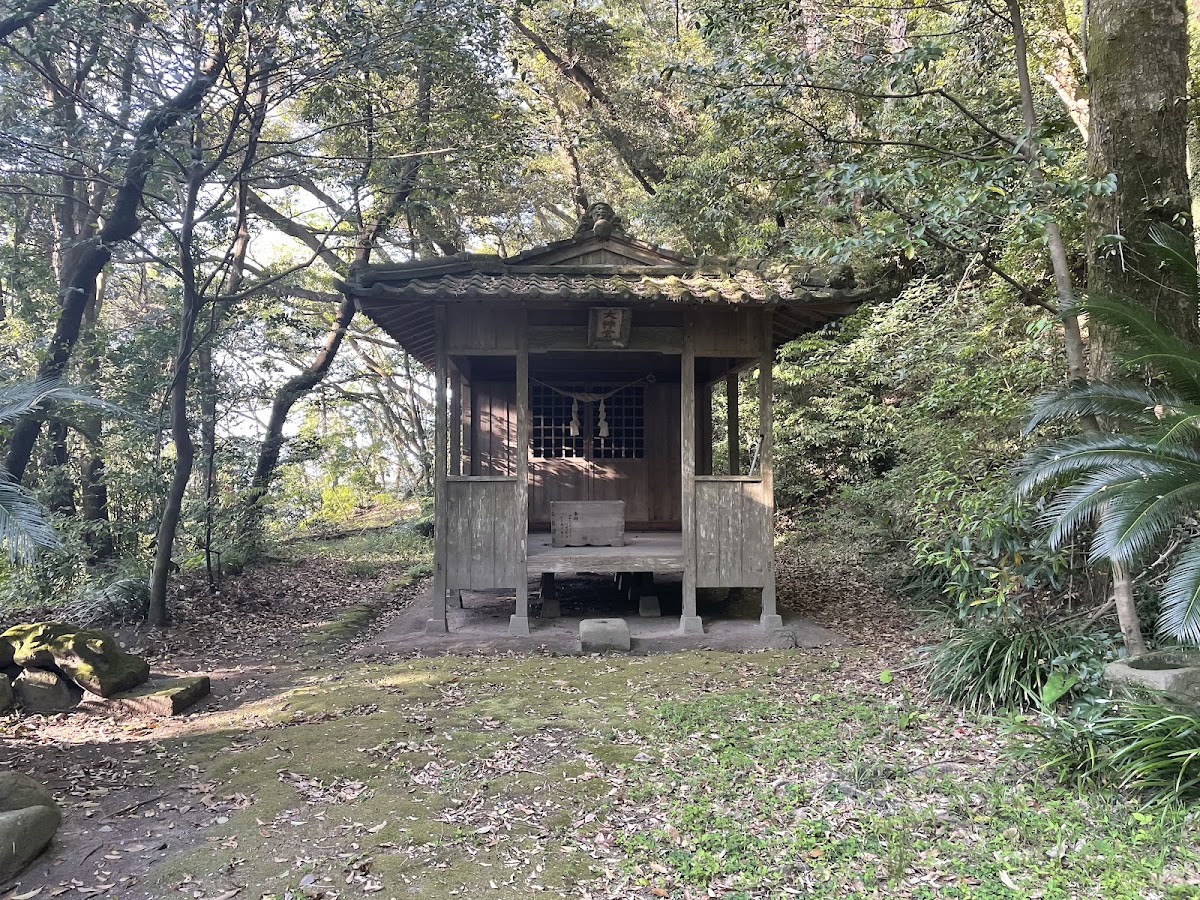
Enclosure Layout: The flat areas of each enclosure remain, allowing one to appreciate the scale of the former castle. In particular, the high castle, which corresponds to the main enclosure, offers panoramic views of the surrounding area.
In recent years, some areas have been affected by landslides, and the state of maintenance varies from place to place. However, valuable remains for understanding the structure of medieval mountain castles are preserved.
Highlights of Nango Castle
Magnificent Castle Grounds and Topography
The greatest highlight of a visit to Nango Castle is its magnificent castle grounds and natural fortifications. The castle, spanning approximately 500 meters north-south and 550 meters east-west, can be truly appreciated on foot.
Its location, surrounded by deep valleys and cliffs, still exudes an overwhelming presence today. The nearly vertical cliff faces, characteristic of the Shirasu plateau, speak to the difficulty of sieges in those times.
Remains of Earthworks and Moats
The earthworks and moats remaining within the castle grounds are valuable remains for learning about the defensive techniques of medieval castles. The height and width of the earthworks and the depth of the moats reveal the high level of castle construction technology of the time.
The moats separating the baileys, in particular, not only prevented enemy intrusion but also controlled movement within the castle, demonstrating a strategic layout.
Views from Each Bailey
From each bailey, including Takajo (the main keep), you can overlook the surrounding area. The former lords of the castle likely used these views to monitor their territory and keep an eye on enemy movements.
Even today, on clear days, you can see the cityscape of Hioki and the distant mountains, demonstrating the castle’s important position as a base for regional control.
Information Boards and Guides
Information boards are installed at the castle ruins, allowing visitors to learn about the history and structure of Nango Castle. The history of the castle, from the time of the Kuwahata clan to the siege by Shimazu Tadayoshi and the subsequent rule by the Nagayoshi Shimazu clan, is concisely summarized.
Access and Visiting Information for Nango Castle
Access Methods
Access by Car:
- Approximately 40 minutes from Kagoshima City via National Route 270
- It’s easy to find if you aim for Nagayoshi Elementary School in Nagayoshi, Fukiage-cho, Hioki City
- The castle ruins are located on the mountain north of Nagayoshi Elementary School
Public Transportation:
- Take a local bus from JR Kagoshima-Chuo Station towards Fukiage
- It’s possible to access the castle on foot from the nearest bus stop, but the number of buses is limited, so it’s necessary to check the timetable in advance.
Parking Information
There is no dedicated parking lot for Nango Castle ruins, but there are places to park your car around Nagayoshi Elementary School. However, consideration should be given to school hours and events. Please be careful not to disturb local residents when visiting.
Points to Note When Visiting
- Clothing and Equipment: As it is a mountain castle, comfortable walking shoes and clothing are essential. Insect repellent is also recommended during the summer.
- Safety Considerations: Some areas have been affected by landslides, so caution is needed when stepping. Visiting during or after rain is especially recommended as the ground becomes slippery.
- Maintenance Status: As the site has not been developed as a full-fledged tourist attraction, the remains are preserved in a state close to their natural state.
- Visiting Time: Due to the large size of the castle grounds, it is recommended to allocate 1-2 hours for a thorough visit.
Best Seasons for Visiting
Nango Castle is accessible year-round, but the following seasons are particularly recommended:
- Spring (March-May): The weather is mild, and the fresh greenery is beautiful.
- Autumn (October-November): Temperatures are moderate, and the autumn foliage can be enjoyed.
- Winter (December-February): There are fewer insects, the air is clear, and the views are excellent.
Summer is hot and insects are numerous, so sufficient preparation is necessary for a visit.
Nearby Tourist Attractions
Other Historical Sites in Hioki City
When visiting Nango Castle, we recommend also visiting other historical sites in Hioki City.
Isaku Castle Ruins: This castle was the residence of Shimazu Tadayoshi (Nisshin-ko) and served as a base for the attack on Nango Castle. It is an important historical site for understanding the history of the Shimazu clan.
Nagayoshi Fumoto Samurai Residences: This is a group of samurai residences formed under the Edo period’s outer castle system, offering insight into the unique regional governance system of the Satsuma Domain.
Nature and Culture of Hioki City
Fukiagehama Beach: A beautiful coastline considered one of Japan’s three largest sand dunes, located about 20 minutes by car from Nango Castle.
Hioki City Historical and Folk Museum: A facility where you can learn about the local history and culture, and exhibits materials related to Nango Castle.
The Significance of Shimazu Tadayoshi (Nisshin-ko) and the Capture of Nango Castle
The Life and Achievements of Shimazu Tadayoshi
Shimazu Tadayoshi (1492-1568), also known as Nisshin-sai, is known as the restorer of the Shimazu clan. His achievements in unifying the divided Shimazu clan and laying the foundation for them as a powerful Sengoku daimyo are immeasurable.
Tadayoshi was not only a military commander but also an excellent educator, leaving behind moral lessons such as the well-known “Iroha Song,” and exerting a significant cultural influence.
The Strategic Importance of the Capture of Nango Castle
The capture of Nango Castle in 1533 was a crucial step for Shimazu Tadayoshi toward the unification of Satsuma. By defeating the Kuwahata clan, a powerful supporter of Shimazu Sanehisa, the power of Tadayoshi and his son Takahisa greatly expanded.
This victory allowed Tadayoshi to establish his control over the Hioki region, laying the foundation for the subsequent development of the Shimazu clan. The Battle of Nango Castle was not merely a siege of a single castle, but a historical turning point that reshaped the political landscape of Satsuma Province.
Nango Castle as a Medieval Castle in Satsuma
Characteristics of Castles in Satsuma Province
Medieval castles in Satsuma Province (present-day western Kagoshima Prefecture) are characterized by structures that utilize the unique topography of the Shirasu plateau. Many feature nearly vertical cliffs and deep dry moats, taking advantage of the properties of Shirasu.
Nango Castle also possesses these typical characteristics of Satsuma castles, demonstrating the high level of castle-building technology in the region.
Development of Group-Enclosure Mountain Castles
Group-enclosure mountain castles like Nango Castle are based on the design philosophy of enhancing defensive capabilities by arranging multiple enclosures. The structure, where each enclosure functions as an independent defensive base while forming a single castle system as a whole, demonstrates the development of castle-building technology in the late medieval period.
The Cultural Value of Nango Castle
Designated Cultural Property of Hioki City
Nango Castle ruins are protected as an important cultural property of Hioki City. As a valuable historical site that conveys the history of medieval Satsuma, it is utilized for local history education and as a tourist resource.
Challenges in Preservation and Utilization
Because Nango Castle ruins are remains left in a natural environment, they are susceptible to weathering and natural disasters such as landslides. The challenge for the future is to maintain its value as a cultural property while creating an environment where visitors can safely enjoy the site.
Preservation activities are also being carried out by local residents and history enthusiasts, and efforts continue to pass on this valuable historical heritage to future generations.
Advice for Castle Enthusiasts Visiting Nango Castle
Preparation
Before visiting Nango Castle, the following preparations will make your visit more fulfilling:
- Historical Preparation: Gaining basic knowledge about the Kuwahata clan and Shimazu Tadayoshi will allow you to understand the meaning of the ruins more deeply.
- Check the Map: Because the castle grounds are extensive, checking the layout of the baileys beforehand will allow for a more efficient visit.
- Check the Weather: Since the ground becomes muddy in rainy weather, we recommend choosing a sunny day.
Photography Tips
At Nango Castle Ruins, there are several photo opportunities, including:
- Cross-section of the Earthwork: A valuable relic demonstrating medieval castle construction techniques.
- Depth of the Moat: An angle that allows you to appreciate its function as a defensive structure.
- View from the Bailey: A landscape that helps you understand the importance of the castle’s location.
- Cliff of the Shirasu Plateau: A topography that serves as a natural stronghold.
How to Enjoy Castle Visits
Nango Castle is a highly regarded castle site among castle enthusiasts nationwide. Castle fan community sites feature visitor records and photo posts, allowing you to refer to information from other visitors.
By recording your own discoveries and impressions and sharing information with other castle enthusiasts, you can more deeply appreciate the charm of Nango Castle.
Summary: The Historical Significance of Nango Castle
Nango Castle, a medieval mountain castle remaining in Hioki City, Kagoshima Prefecture, holds significant historical value in the following respects:
- As the residence of the Kuwahata clan, it served as a base for regional control from the Kamakura period to the Sengoku period.
- It was the stage for a crucial turning point in the Sengoku period: the succession dispute within the Shimazu clan.
- The battle in 1533 paved the way for Shimazu Tadayoshi’s unification of Satsuma.
- As a multi-bailey mountain castle utilizing the Shirasu plateau, it demonstrates the high level of Satsuma’s castle-building technology.
- Remains of earthworks and moats still exist, allowing visitors to learn about the structure of medieval castles.
The magnificent castle grounds, surrounded by deep valleys and cliffs, still convey a sense of its formidable strength today. Visiting Nango Castle allows you to experience the turbulent history of Satsuma during the Sengoku period and appreciate the remarkable castle-building techniques of our ancestors.
When you visit Hioki City, be sure to stop by the Nango Castle ruins and reflect on the history of 500 years ago.