Complete Guide to Chiran Castle (Kagoshima Prefecture): A Thorough Explanation of the History of Satsuma’s Famous Castle and Samurai Residences
What is Chiran Castle?: A Representative Medieval Mountain Castle of Southern Kyushu
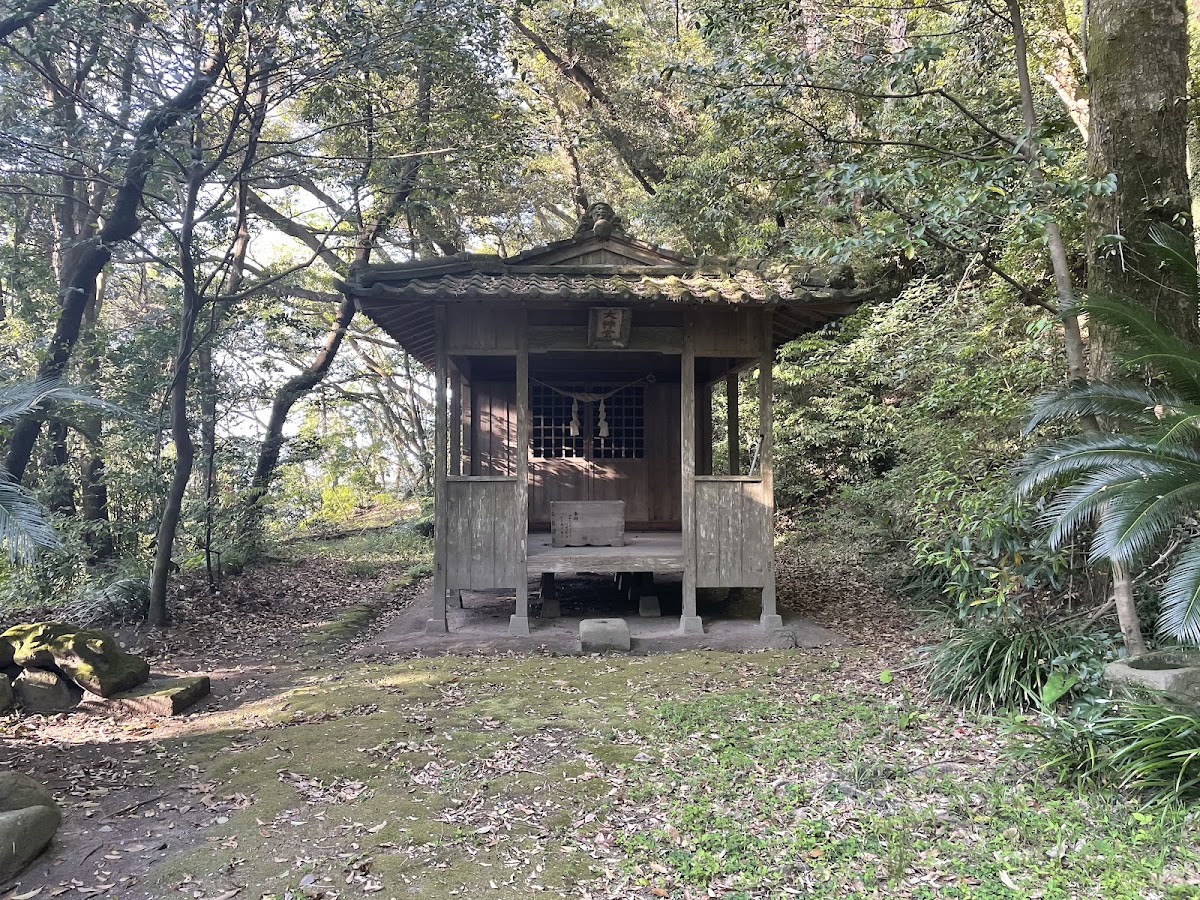
Chiran Castle is a medieval mountain castle located in Nagasato, Chiran-cho, Minamikyushu City, Kagoshima Prefecture. It is a nationally designated historical site and a representative castle ruin of Kagoshima Prefecture. It has also been selected as one of the Continued Top 100 Japanese Castles (No. 197), and its unique layout, which skillfully utilizes the topography of the Shirasu plateau, is highly regarded.
The castle ruins boast a vast scale, measuring approximately 800 meters north-south and 900 meters east-west, with a total area of approximately 450,000 square meters. Situated on a small plateau at an altitude of approximately 170 meters, it is known as a typical example of castle architecture unique to Southern Kyushu, utilizing the vertical cliffs of the Shirasu layer (a layer of volcanic ash) for defense.
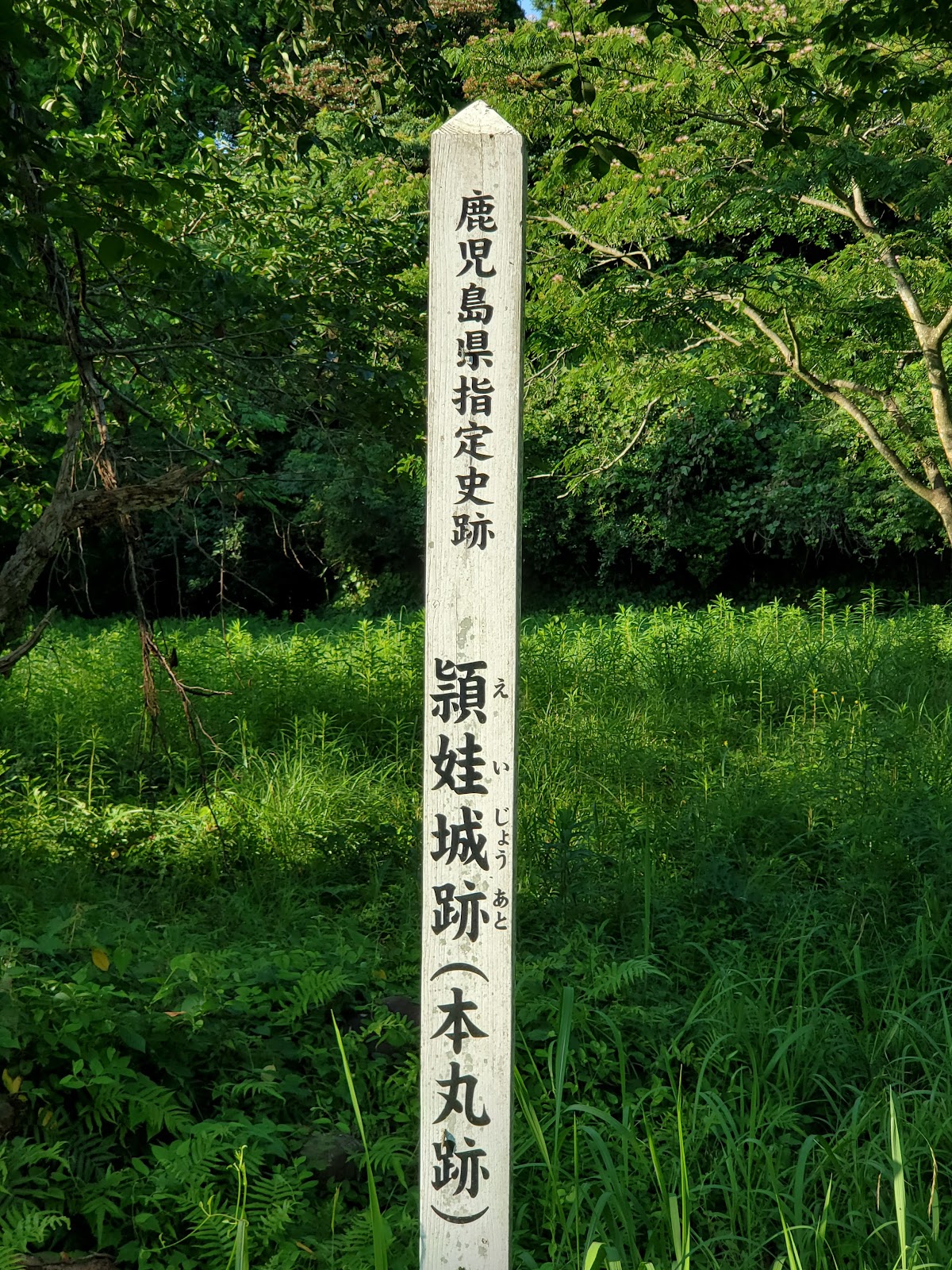
In 1993, Chiran Castle became the first mountain castle site in Kagoshima Prefecture to be designated a National Historic Site after World War II, officially recognizing its historical and cultural value. Even today, 15 baileys, including the four main baileys (Honmaru, Kuranojo, Imajo, and Yumibajo), and the massive dry moats separating them, remain in excellent condition, making it a valuable historical site for understanding the evolution of castles from the medieval to the early modern period.
History of Chiran Castle: From the Sata Clan to the Shimazu Clan
Origins in the Late Heian Period
The history of Chiran Castle is ancient. It is said that the first person to build a castle on this site was Chiran Tadanobu, a district official in the late Heian period. At that time, it was called “Chiran-in” and functioned as the administrative and military center of the region.
Nanboku-cho Period: The Sata Clan’s Arrival
Chiran Castle was fully developed as a castle during the Nanboku-cho period. In 1353, by order of Ashikaga Takauji, Sata Tadamitsu, the third son of Shimazu Tadamune, became the lord of this region and established Chiran Castle as his base. This marked the beginning of the Sata clan’s rule over Chiran.
As a branch of the Shimazu clan, the Sata clan ruled this area for approximately 240 years. From the Muromachi period to the Sengoku period, Chiran Castle served as an important base in southern Satsuma and experienced numerous battles.
Turmoil of the Sengoku Period
During the Sengoku period, internal conflicts within the Shimazu clan and clashes with surrounding forces continued within Satsuma. Chiran Castle was also caught up in these battles and became the stage for numerous attacks and defenses. The castle’s structure underwent repeated renovations and expansions over time, evolving into a more robust defensive structure.
In particular, in the 16th century, the independence of each enclosure was enhanced, and a complex layout was completed that allowed for continued defense even if one enclosure fell. This reflects the changing tactics of the time and demonstrates the high military importance of Chiran Castle.
Changes in the Tensho Period: The Era of the Tanegashima Clan
In 1591 (Tensho 19), following Toyotomi Hideyoshi’s conquest of Kyushu and subsequent relocation of territories, the lord of Chiran Castle changed from the Sata clan to the Tanegashima clan. However, it is said that the castle burned down during this period, and many details remain unclear.
Edo Period: The Return of the Sata Clan and the Formation of the Foothills
In 1610 (Keicho 15), the Sata clan returned as the lords of Chiran. The 18th lord, Sata Hisamine (Shimazu Hisamine), did not rebuild the burnt-down Chiran Castle, but instead established his residence at the foot of the subsidiary castle, Kameko Castle (present-day Chiran Fumoto), making it his new base of operations.
This is the origin of the Chiran samurai residences that remain to this day. Based on the “outer castle system” unique to the Satsuma Domain, Hisamine was built by concentrating samurai at the foot of the mountain and forming a castle town with an orderly layout. The town layout established during this period still retains a strong resemblance to its original form, even after more than 260 years.
Castle Structure Utilizing the Shirasu Plateau
Shirasu Topography Unique to Southern Kyushu
The greatest feature of Chiran Castle lies in its layout, which skillfully utilizes the topography of the Shirasu plateau unique to southern Kyushu. Shirasu is volcanic ash soil formed from accumulated volcanic ejecta, and is widely distributed throughout southern Kagoshima Prefecture.
Shirasu layers become soft when wet, but harden extremely when dry, forming steep, almost vertical cliffs. Chiran Castle maximizes this characteristic, with artificially excavated Shirasu cliffs serving as natural defensive walls.
The Impressive Power of the Massive Dry Moat
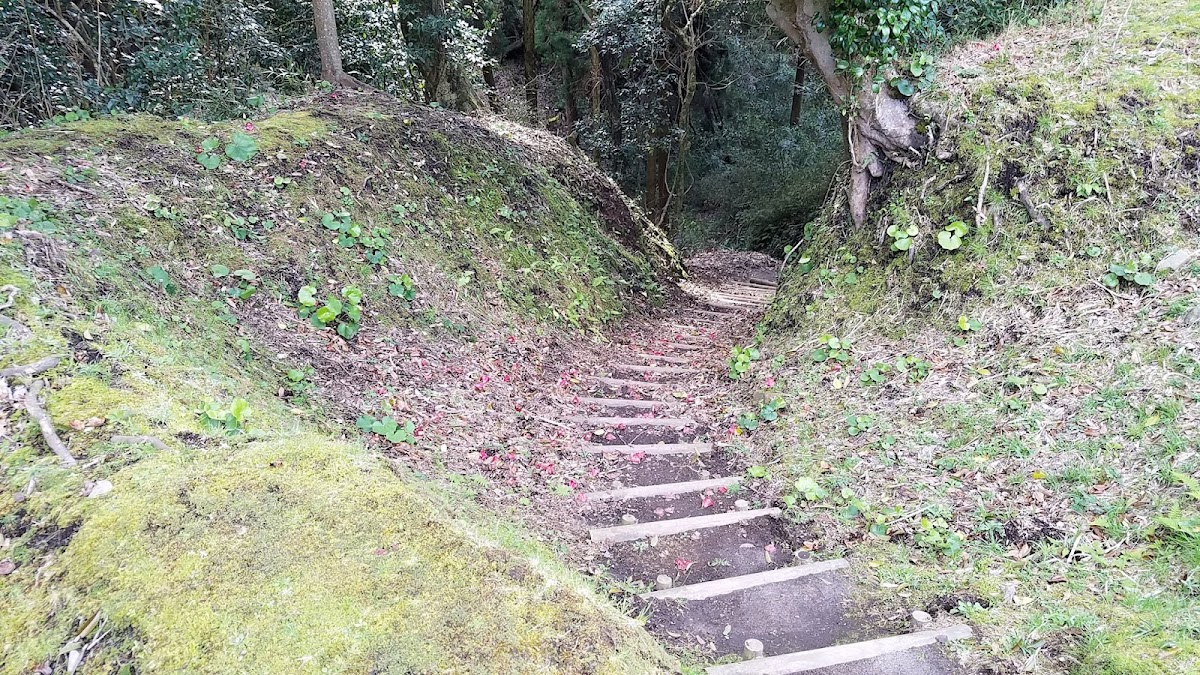
What surprises visitors to Chiran Castle the most is the massive dry moat that separates each enclosure. With depths exceeding 10 meters and widths exceeding 20 meters in some places, its scale far surpasses imagination.
The vertical cliffs of shirasu (volcanic ash) not only physically hindered enemy incursions but also had a tremendous psychological intimidating effect. Even today, the sheer power of the cliffs viewed from the bottom of the moat is overwhelming, allowing visitors to truly appreciate the high level of defensive technology used in medieval castles.
Four Main Enclosures and Fifteen Enclosure Groups
Chiran Castle consists of 15 enclosures in total, centered around four main enclosures: Honmaru, Kuranojo, Imajo, and Yumibajo. In Kagoshima, each enclosure is unique in that it is given a name such as “○○ Castle” because it is large enough to be considered an independent castle.
Honmaru is the core enclosure of the castle and is built at the highest point. However, while some sections of the cliff face have collapsed and restricted areas have been established, entry into the main enclosure is still possible.
Kuranojo is a fortified enclosure believed to have housed a storage facility for supplies, and was second only in importance to the main enclosure. Imajo and Yumibajo were strategically placed to defend key locations, allowing for attacks from multiple directions.
Furthermore, a group of subsidiary castles, including Michinashijo, Kojo, and Shikibudonojo, were positioned on the outer perimeter, creating a multi-layered defensive system protecting the entire Chiran Castle.
Current State of the Remains
The Chiran Castle ruins underwent numerous renovations and reconstructions from the medieval to the early modern period, resulting in a layered preservation of remains from each era. Due to the nature of the shirasu (volcanic ash) soil, the structure primarily consists of earthworks and dry moats rather than stone walls, but the preservation is good, allowing for almost complete confirmation of the original layout.
Some sections of the cliff face have collapsed, and entry is restricted for safety reasons, but the main areas are accessible for viewing. With well-maintained walking trails, it’s a popular spot not only for castle enthusiasts but also for hikers.
The Satsuma Domain’s Outer Castle System and Chiran Foothills
What is the Outer Castle System?
The “Outer Castle System” (Tojōsei) adopted by the Satsuma Domain was a unique governing system not seen in other Japanese domains. Kagoshima Castle (Tsurumaru Castle), the residence of the domain lord Shimazu, was called the “Inner Castle” (Uchijō), and the domain was divided into approximately 100 sections, each with an “Outer Castle” (Tojō).
Each Outer Castle had a samurai settlement called a “Foothill” (Fumoto), where local governance was carried out under a lord called a Jitō. Samurai were not stationed in castle towns but dispersed to various foothills, engaging in agriculture during peacetime and being immediately mobilized as military force in times of emergency.
This system allowed the Satsuma Domain to efficiently govern its vast territory and maintain a powerful military force. Furthermore, the “half-farmer, half-samurai” system, where the boundaries between samurai and farmers were blurred, became a source of strength for the Satsuma Domain during the late Edo period.
Establishment and Development of Chiran Fumoto
Chiran Fumoto began in 1610 (Keicho 15) when Hisamine Sata established his residence at the foot of Kikko Castle. Hisamine planned the town’s layout meticulously, arranging samurai residences in an orderly fashion.
The town’s layout has a unique structure that takes defense into consideration. Roads are not straight, but curve at key points to impair visibility and make enemy intrusion difficult. Each samurai residence is surrounded by stone walls and hedges, designed to function as a small fortress.
Characteristics of the Samurai Residences
The current Chiran samurai residences retain strong traces of the samurai alley layout from the time of the 18th lord, Hisamine Shimazu, approximately 260 years ago. In 1981, the area was designated a National Important Preservation District for Groups of Traditional Buildings, and its seven samurai residence gardens are designated as National Places of Scenic Beauty.
The layout of the residences is designed so that each residence acts as a defensive barrier, like a rampart. The height of the stone walls, the arrangement of the hedges, and the location of the gates—everything is designed with defense in mind, and a sense of tension from samurai society can be felt even amidst the beautiful scenery.
The samurai residence gardens exhibit various styles, including dry landscape gardens and pond gardens. While influenced by Kyoto’s garden culture, they showcase landscaping techniques that utilize the unique vegetation of southern Kyushu. Gardens primarily featuring evergreen trees such as azaleas and Japanese yews create the elegant atmosphere of Chiran, often called “Little Kyoto of Satsuma.”
Education and Culture in Chiran: The Tradition of Goju Education
The Samurai Spirit Cultivated by Goju Education
The “Goju Education” system, a distinctive educational system of the Satsuma Domain, was also practiced in Chiran. The Gochu education system was a self-directed educational system for youth organized by age group, characterized by a unique method where older members guided younger members.
Through this Gochu education, the samurai of Chiran learned martial arts and academics, cultivating the spirit of a Satsuma samurai. The Satsuma teachings of “Never lose, never lie, never bully the weak” were passed down through generations via Gochu education, forming the foundation of the samurai spirit of Chiran.
This educational system became fertile ground for producing many outstanding individuals from the end of the Edo period to the Meiji Restoration, with many of the patriots of the Restoration and those who contributed to the development of modern Japan emerging from Chiran.
Nakakakubei and the Economic Development of Chiran Fumoto
A merchant named Nakakakubei made a significant contribution to the economic development of Chiran Fumoto. In the mid-Edo period, Nakakakubei revitalized trade connecting Chiran with other regions, strengthening the economic base of Chiran Fumoto.
He particularly focused on the distribution of agricultural products, establishing a wide distribution network for Chiran’s specialty goods. This revitalized the entire region’s economy, including not only samurai but also townspeople and farmers, making Chiran a vital economic hub in southern Satsuma.
The Development Brought About by Chiran Tea After the Meiji Restoration
After the Meiji Restoration, the privileges of the samurai class were lost, and many former samurai lost their livelihoods. A similar situation occurred in Chiran, but the cultivation of “Chiran tea” saved the region.
Chiran’s warm climate and fertile soil were ideal for tea cultivation, and full-scale tea production began in the Meiji era. Former samurai also engaged in tea cultivation, and the quality of Chiran tea gradually improved.
Today, Chiran tea is known nationwide as a representative specialty product of Kagoshima Prefecture, and it is one of Japan’s leading tea-producing regions. The beautiful tea plantation landscape has become a new tourist attraction in Chiran, creating a unique scenery in combination with the historical samurai residences.
The Townscape of Chiran, “Little Kyoto of Satsuma”
Formation of a Beautiful Landscape
The reason Chiran is called “Little Kyoto of Satsuma” lies in its orderly town layout and the beautiful landscape of its samurai residences. The streets lined with samurai residences surrounded by stone walls and hedges have an atmosphere reminiscent of a historical drama set, strongly retaining the charm of the Edo period.
Especially in spring, the azaleas in the hedges bloom all at once, creating a beautiful scene in harmony with the stone walls. In autumn, the autumn leaves add color, allowing visitors to enjoy the scenery of each season.
Historical Landscape Preserved in the Modern Age
In areas designated as Important Preservation Districts for Groups of Traditional Buildings, strict regulations are in place to preserve the landscape. Respect for traditional styles is required during new construction and renovations, and undergrounding of power lines is also being promoted.
Thanks to these efforts, the samurai residences of Chiran boast one of the best preservations in the country, making it a popular tourist spot attracting many visitors every year. Chiran is a popular spot for photography, and beautiful photos of the townscape are frequently shared on social media.
Chiran’s Modern History: Memories as a Kamikaze Base
History We Must Not Forget
While Chiran is known for its beautiful samurai residences and historical castle ruins, there is another important historical event that must not be forgotten: the fact that Chiran was used as a Kamikaze base by the Imperial Japanese Army during the final stages of the Pacific War.
In 1941, an Army airfield was constructed in Chiran. Initially a training base, it became a sortie base for Kamikaze attacks in 1945, and many young Kamikaze pilots departed from Chiran for Okinawa, never to return.
Chiran Peace Museum for Kamikaze Pilots
Currently, the Chiran Peace Museum for Kamikaze Pilots is located in Chiran, displaying relics, last letters, and photographs of Kamikaze pilots. As a facility that conveys the preciousness of peace and the tragedy of war to future generations, it attracts many visitors every year, providing an opportunity to reflect on peace. The historic samurai residences and the Chiran Peace Museum symbolize the two faces of the town. Understanding both the beautiful traditional culture and the tragic memories of war will allow you to grasp the profound meaning of Chiran.
Access and Tourist Information for Chiran Castle and Chiran Fumoto
Location and Access
Chiran Castle Ruins
Address: Nagasato, Chiran-cho, Minamikyushu City, Kagoshima Prefecture
Located approximately 1 kilometer south of Chiran Fumoto.
Chiran Samurai Residences
Address: Chiran-cho, Minamikyushu City, Kagoshima Prefecture
Access:
- By Car: Approximately 40 minutes from Kagoshima City via National Routes 225 and 226
- By Bus: Approximately 1 hour and 15 minutes by Kagoshima Kotsu Bus bound for “Chiran” from Kagoshima Chuo Station, get off at “Samurai Residence Entrance”
Points to Note During Your Visit
The Chiran Castle Ruins cover a vast area, so it takes approximately 2-3 hours to see everything. While walking paths are well-maintained, there are some steep slopes and stairs, so comfortable shoes are recommended.
The massive dry moats and cliffs are a must-see. The view looking up from the bottom of the moat is particularly breathtaking, allowing you to experience the power of a medieval castle. However, some areas are off-limits due to the risk of collapse, so please follow the signs and visit safely.
The Chiran Samurai Residences feature seven gardens open to the public, each offering a different atmosphere. While there is a fee to visit the gardens, simply walking along the streets allows you to fully appreciate the atmosphere.
Nearby Tourist Attractions
The Chiran Peace Museum for Kamikaze Pilots is a must-visit facility when visiting Chiran. It offers a valuable opportunity to learn about history and reflect on the importance of peace.
Furthermore, the Chiran tea plantations create a beautiful landscape, and there are facilities where you can experience tea picking. You can also purchase Chiran tea, a local specialty, making it an ideal souvenir.
Summary: The History and Culture of Satsuma as Told by Chiran
Chiran Castle and Chiran Fumoto are historical and cultural heritage sites that Minamikyushu City, Kagoshima Prefecture, is proud of. The magnificent remains of the medieval mountain castle built on a Shirasu plateau convey the essence of castle architecture unique to southern Kyushu and attract many castle enthusiasts as one of the Continued Top 100 Japanese Castles.
Meanwhile, the samurai residences at Chiran Fumoto preserve a valuable historical landscape formed by the unique outer castle system of the Satsuma Domain. Known as “Little Kyoto of Satsuma,” the beautiful townscape strongly reflects the samurai society of the Edo period and is protected as a nationally important traditional building preservation district.
The samurai spirit nurtured by the Gochu education system, the economic development brought about by Chiran tea, and the tragic history as a kamikaze base—Chiran embodies various aspects of Japanese history, prompting visitors to much reflection.
When visiting Kagoshima, be sure to visit the Chiran Castle ruins and the Chiran samurai residences to experience the depth of Satsuma’s history and culture. The magnificent dry moats and cliffs, the beautiful gardens of the samurai residences, and the museum conveying the importance of peace—all of these tell the rich story that Chiran holds.