Yuzuki Castle: A Thorough Explanation of the 250-Year Residence of the Kono Clan and the Charm of One of Japan’s Top 100 Castles
Yuzuki Castle is a medieval castle site located in Dogo Park, Matsuyama City, Ehime Prefecture. Counted as one of Japan’s Top 100 Castles and designated a national historic site, this castle served as the residence of the prestigious Kono clan of Iyo Province for approximately 250 years, from the Nanboku-cho period to the end of the Sengoku period. Its location adjacent to Dogo Onsen and its well-preserved moats and earthworks make it a valuable medieval castle highly regarded by history buffs and castle enthusiasts.
History of Yuzuki Castle: The Rise and Fall of the Kono Clan and the Castle’s Transformation
Origins of the Kono Clan and Their Rise in Iyo Province
The Kono clan, who built Yuzuki Castle, were originally a powerful family in Iyo Province, based in Kono-go, Kazahaya District (present-day Hojo area of Matsuyama City). From the late Heian period to the early Kamakura period, during the Genpei War (1180-1185), Kono Michinobu distinguished himself on the side of the Minamoto clan, and his achievements led to him becoming a powerful retainer of the Kamakura shogunate. This success allowed the Kono clan to gain control of Iyo Province and establish themselves as a powerful samurai family in the region.
However, during the Jokyu War (1221), they sided with the imperial court, suffering a temporary decline. Later, through the actions of Kono Michiari in the Koan War (1281), they regained their power and re-established their influence in Iyo Province. Thus, despite repeated ups and downs, the Kono clan steadily solidified their power base.
The Construction of Yuzuki Castle and the Golden Age of the Kono Clan
Around 1335 (Kenmu 2), during the time of Kono Michimori, who was appointed governor of Iyo Province, the Kono clan moved their base from Kono-go in Kazahaya District to Yuzuki in Onsen District (present-day Dogo area of Matsuyama City). Yuzuki Castle was built in conjunction with this relocation.
There were several strategic reasons for the construction of Yuzuki Castle. Dogo had been known as a hot spring resort since ancient times and was also a transportation hub. Furthermore, its topography—a hilly area close to the plains—provided excellent conditions for both defense and governance as a flatland castle. The structure, with its main gate on the east and a double moat surrounding it, represented the pinnacle of castle construction technology at the time.
During the time of Kono Michimori, the Kono clan reached its golden age as governors of Iyo Province. Using Yuzuki Castle as their base, the Kono clan maintained control over Iyo Province from the turbulent period of the Northern and Southern Courts through the Muromachi and Sengoku periods. The fact that the same clan resided in the same castle for approximately 250 years is noteworthy in the history of medieval castles.
Toyotomi Hideyoshi’s Shikoku Campaign and the End of Yuzuki Castle
In 1585, when Toyotomi Hideyoshi launched his Shikoku campaign, the fate of the Kono clan changed dramatically. At this time, the Kono clan was attacked by Kobayakawa Takakage and eventually surrendered. After the Shikoku campaign, Kobayakawa Takakage entered Yuzuki Castle, and subsequently, Fukushima Masanori became its lord.
However, Fukushima Masanori decided to move his residence to Kokubuyama Castle (the predecessor of the later Matsuyama Castle). With this relocation, Yuzuki Castle was abandoned around 1587. Having served as the residence of the Kono clan for approximately 250 years, Yuzuki Castle has now completed its historical role.
Structure and Characteristics of Yuzuki Castle
Layout as a Hilltop Castle
Yuzuki Castle is classified as a hilltop castle. Built on a hill approximately 50 meters above sea level, it was surrounded by a double moat. Samurai residences were located between the inner and outer moats, with the lord’s residence situated at the top of the hill.
An Otemon gate was located on the east side of the castle, serving as the main entrance. The layout, skillfully utilizing the hill’s topography, ensured defensive superiority while also considering the comfort of the living space.
Existing Remains: Moats and Earthworks
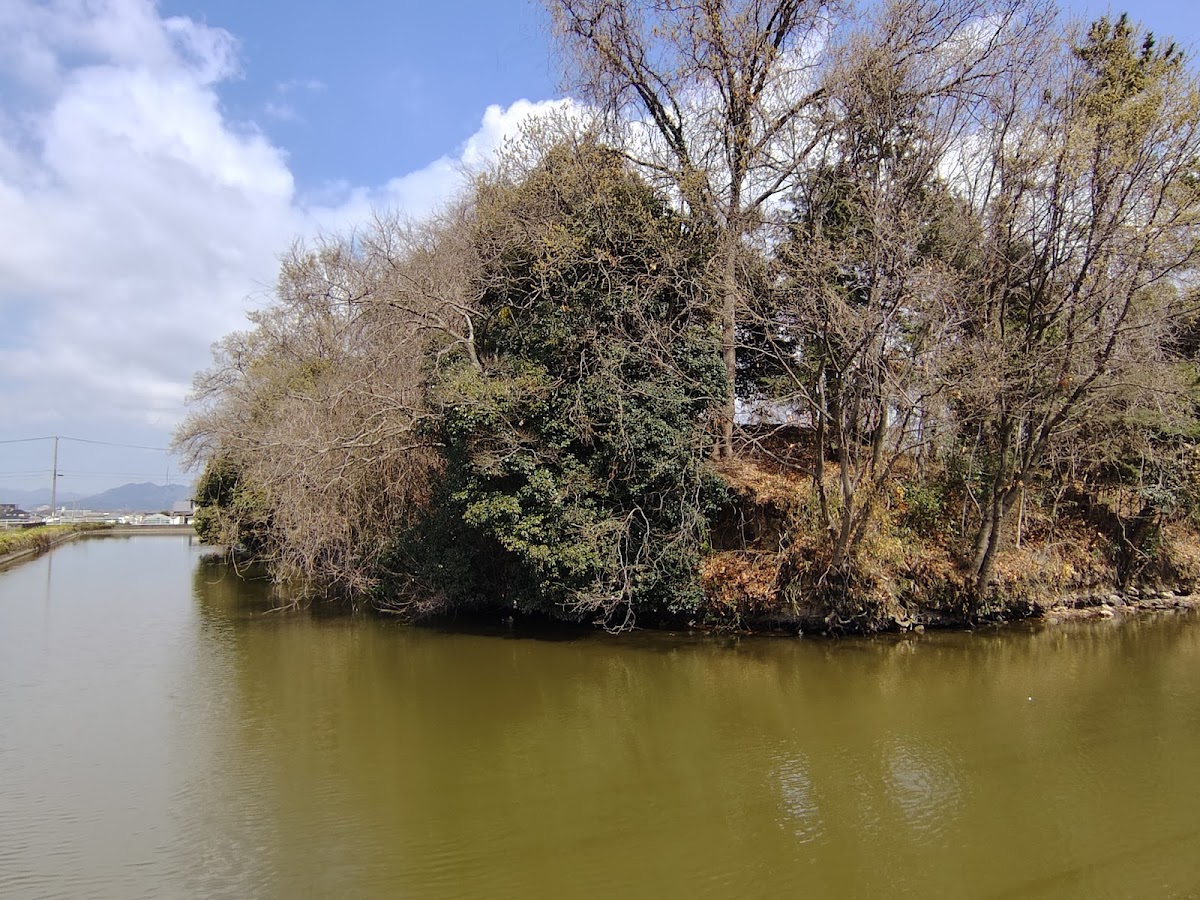
The most distinctive feature of Yuzuki Castle is that, despite being located within an urban area, the remains of a medieval castle are preserved in almost perfect form. The preservation of the moats and earthworks, in particular, is exceptionally good, making them valuable historical materials that convey the appearance of the castle at the time of its construction.
The inner moat was approximately 10 meters wide and 3 meters deep, while the outer moat was an even larger structure. The earthworks reached several meters in height, forming a strong defensive line in combination with the moats. Excavations have unearthed medieval ceramics and wooden artifacts from the bottom of the moats, providing clues to the lifestyle of the time.
Excavation Results of Samurai Residence Sites
Excavations conducted from the Showa to Heisei periods confirmed the remains of samurai residences located between the inner and outer moats. These residences are believed to have been the living spaces of retainers who served the Kono clan.
The excavations revealed building foundations, postholes, and well remains, clarifying the layout and structure of the residences. The unearthed artifacts confirm the high standard of living of the samurai at the time and the various goods brought in through trade.
Designation as a National Historic Site and Development as Dogo Park
Significance of National Historic Site Designation
Yuzuki Castle Ruins have been designated a National Historic Site due to their historical value and excellent state of preservation. Such well-preserved remains of a medieval castle are rare nationwide, and the fact that it escaped development despite being located within an urban area is particularly noteworthy.
During the post-war period of rapid economic growth, while many castle ruins were lost due to urban development, the preservation of Yuzuki Castle Ruins demonstrates a high level of awareness regarding cultural property protection in the region. The designation as a National Historic Site has established legal protection, creating a foundation for the preservation of the remains for future generations.
Utilization as Dogo Park
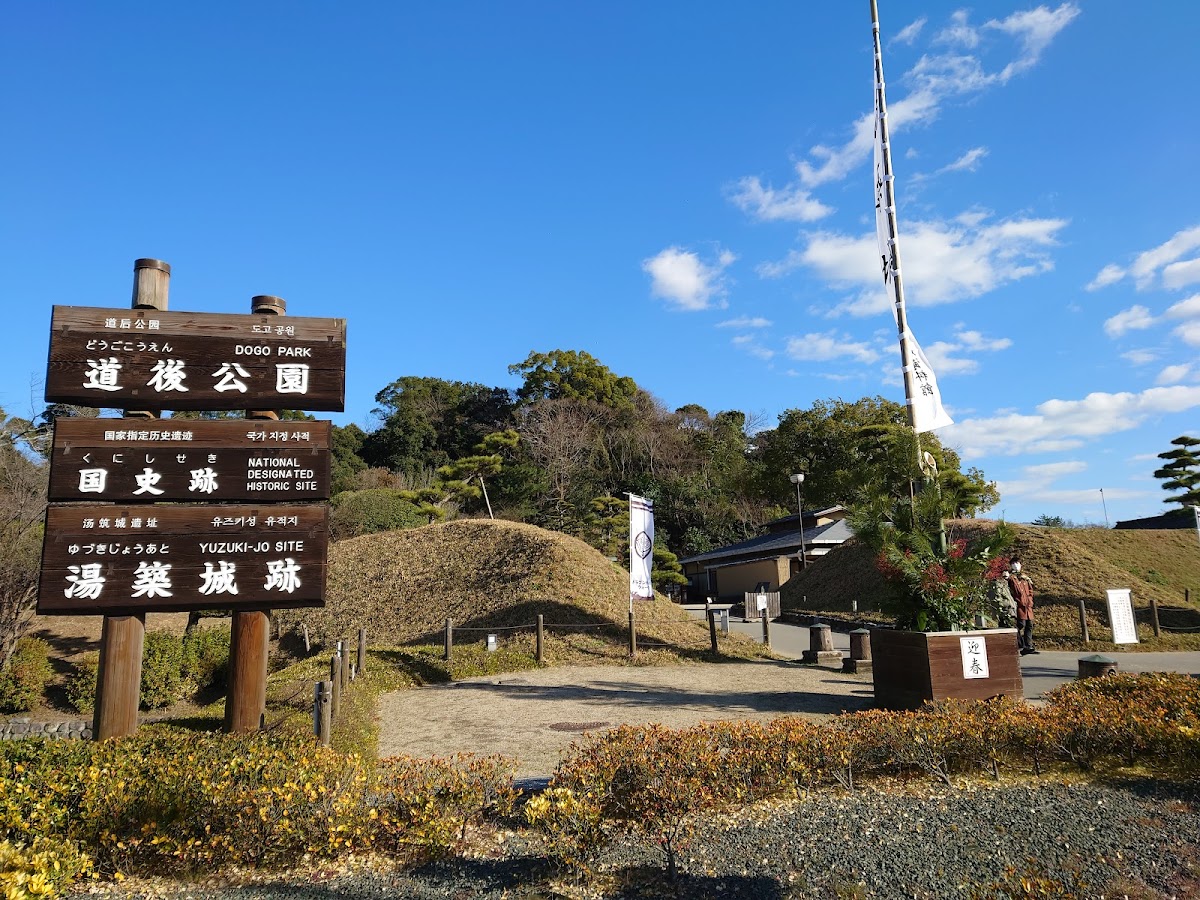
Currently, Yuzuki Castle Ruins have been developed as Ehime Prefectural Dogo Park, serving as a place of relaxation for citizens. Walking paths have been established within the park, allowing visitors to observe the remains, such as moats and earthworks, up close. An observation deck has been installed at the top of the hill, offering a spectacular panoramic view of the Matsuyama Plain.
The development of the park, which balances its function as a park with the preservation of historical sites, is highly regarded as an example of how cultural properties can be utilized. Visitors can enjoy strolling through a rich natural environment while appreciating the historical remains.
Exhibits at the Yuzuki Castle Museum
The Yuzuki Castle Museum is located within Dogo Park and features detailed exhibits on the history of the castle and the Kono clan. The museum displays artifacts unearthed during archaeological excavations, a reconstructed model of the castle, and panels explaining the lineage and history of the Kono clan.
Of particular note is the reconstructed samurai residence. Based on the results of archaeological excavations, a full-scale replica of a samurai residence from that period has been created, allowing visitors to experience the living space of a medieval samurai. The museum also regularly holds special exhibitions showcasing the latest research findings on Yuzuki Castle and the Kono clan.
Evaluation as one of Japan’s Top 100 Castles
Reasons for Selection as one of the Top 100 Castles
Yuzuki Castle is the 80th castle selected by the Japan Castle Association as one of Japan’s Top 100 Castles. This selection is the result of a comprehensive evaluation of the castle’s historical importance, the state of preservation of its remains, and its academic value.
It was highly evaluated for its typical medieval castle structure, its long history of use for approximately 250 years, its status as the residence of the Kono clan, a powerful local family, and its excellent preservation despite being located in an urban area.
Evaluation from Castle Enthusiasts
Yuzuki Castle has received positive reviews from over 2,000 visitors within castle enthusiast communities such as Kojodan. Visitors have commented, “You can fully appreciate the charm of an earthen castle,” “You can gain a good understanding of the structure of a medieval castle,” and “Its location, which allows you to visit it together with Dogo Onsen, is wonderful.”
In particular, its value as an earthen castle without stone walls is attracting attention, and the ingenuity of its defensive system using moats and earthworks is highly regarded. Furthermore, the restoration work based on archaeological excavations makes it easy to imagine its appearance in its heyday, which is also well-received.
Highlights of Yuzuki Castle
Double Moats and Earthworks
The greatest highlight of Yuzuki Castle is undoubtedly its well-preserved double moats and earthworks. The inner moat surrounds the center of the castle, and the outer moat encircles it. The combination of moats and earthworks is fundamental to the defensive system of medieval castles, and Yuzuki Castle offers a classic example.
In particular, in areas where the cross-section of the moats can be observed, one can learn in detail about the excavation techniques and structure. There are also places where you can walk on top of the earthworks, allowing you to experience the perspective of the defending soldiers of the time.
Restored Samurai Residences
The restored samurai residences, based on the results of archaeological excavations, are a valuable exhibit that allows you to concretely imagine the life of a medieval samurai. The building’s structure, layout, and the tools used have been recreated, offering a glimpse into the lifestyle of the time.
Regular volunteer guided tours are held within the residence, allowing for a deeper understanding of its history. Furthermore, the garden surrounding the residence has been restored, allowing visitors to experience the overall structure of a medieval samurai residence.
View from the Observation Deck
From the observation deck located at the top of the hill, you can enjoy a panoramic view of the Matsuyama Plain. On a clear day, you can even see the Seto Inland Sea and the Ishizuchi Mountain Range, giving you a real sense of why the Kono clan chose this location as their base.
The view from the observation deck is also important for understanding the advantages of the castle’s location. It confirms the ideal conditions for a flatland castle: a position overlooking the plains while possessing terrain suitable for defense.
Earthwork Exhibition Room and Excavated Artifacts
Don’t miss the earthwork exhibition room, where you can observe the internal structure of the earthworks. This exhibition room provides detailed information about the structure and construction methods of the earthworks. It also displays actual artifacts unearthed during archaeological excavations, such as pottery, weapons, and daily life tools, allowing visitors to learn about the material culture of the Middle Ages.
Access and Tourist Information
Location and Access
Yuzuki Castle Ruins (Dogo Park) is located in Dogo-cho, Matsuyama City, Ehime Prefecture. Its convenient location, approximately a 5-minute walk from Dogo Onsen Main Building, makes it easily accessible for tourists.
If using public transportation, it’s approximately a 5-minute walk from the Iyo Railway tram station “Dogo Onsen Station.” From JR Matsuyama Station, it’s about a 25-minute tram ride, and from Matsuyama Airport, it’s about a 40-minute ride by limousine bus and bus transfer. By private car, it’s about a 30-minute drive from the Matsuyama Interchange on the Matsuyama Expressway, and there are paid parking lots around Dogo Park.
Opening Hours and Admission Fee
Dogo Park is generally open all day, and visitors are free to stroll around. The Yuzuki Castle Museum is open from 9:00 AM to 5:00 PM (last entry at 4:30 PM), and is closed on Mondays (or the following day if Monday is a public holiday) and during the New Year holidays. Admission is free.
Combined Sightseeing with Dogo Onsen
Since Yuzuki Castle ruins are adjacent to Dogo Onsen, sightseeing plans combining hot springs and historical exploration are popular. A course that includes enjoying a bath at Dogo Onsen Main Building, strolling through the Yuzuki Castle ruins, and learning about history at the museum is an ideal plan for refreshing both mind and body.
Besides Dogo Onsen Main Building, the Dogo area boasts numerous other hot spring facilities such as Asuka-no-Yu Onsen, as well as shopping streets and restaurants, allowing for a full day of leisurely enjoyment.
Nearby Tourist Attractions
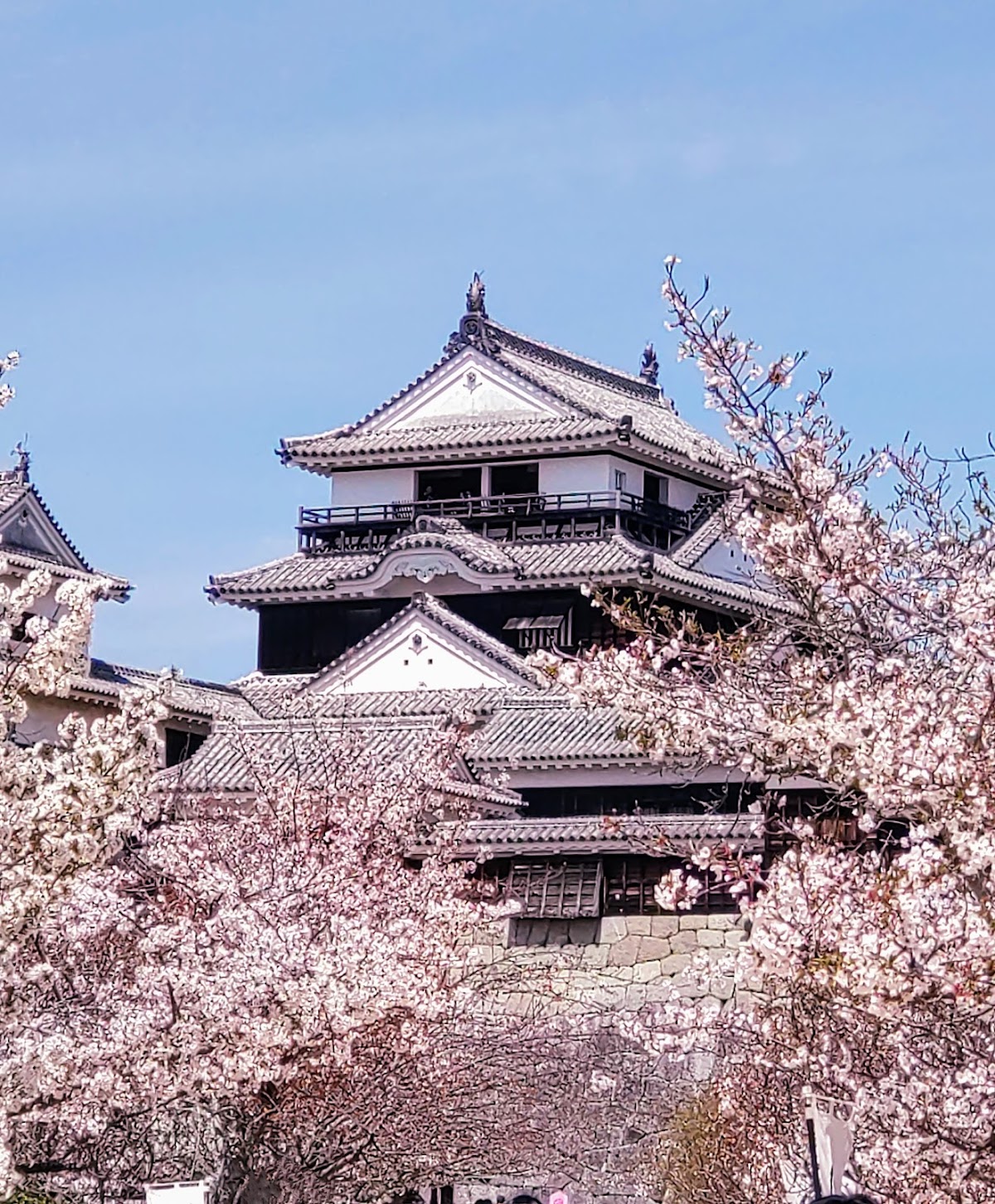
There are many other tourist attractions around Yuzuki Castle ruins. Matsuyama Castle, a famous castle known as one of the 12 remaining original castle keeps, is about a 15-minute drive from Yuzuki Castle. Visiting both castles allows you to compare the differences between medieval and early modern castles.
Furthermore, nearby facilities related to Matsuyama’s history and literature, such as the Shiki Memorial Museum and the Saka no Ue no Kumo Museum, offer opportunities for cultural sightseeing.
Excavation and Research of Yuzuki Castle Ruins
Excavation Surveys in the Showa and Heisei Periods
Multiple full-scale excavation surveys were conducted at the Yuzuki Castle ruins from the late Showa period through the Heisei period. These surveys scientifically clarified the castle’s structure, the layout of samurai residences, and the lifestyle of the inhabitants.
The excavations confirmed the structure of the moats, the construction methods of the earthworks, building remains, and well remains, providing concrete information that could not be obtained from historical documents alone. In particular, the discovery of ceramics revealed that the Kono clan possessed an extensive trading network.
Significance in Medieval Castle Research
The research findings at the Yuzuki Castle ruins occupy an important position in the study of medieval castles in Japan. In particular, it provides valuable data on the structure of the earthen castle, the changes in the castle over a long period of use, and the layout and structure of samurai residences.
Compared to medieval castles throughout Japan, Yuzuki Castle stands out for its excellent state of preservation and the thoroughness of its research, making it an important research subject for scholars. Continued research and investigation are expected in the future.
The History of the Kono Clan and its Role in Iyo Province
Genealogy and Key Figures of the Kono Clan
The Kono clan, a branch of the Ochi clan, adopted their name from their base in Kono-go, Kazahaya District. They produced figures who played important roles in various eras, including Kono Michinobu, who distinguished himself in the Genpei War; Kono Michiari, who achieved merit in the Koan War; and Kono Michimori, who built Yuzuki Castle.
From the Muromachi period to the Sengoku period, a succession of clan heads, such as Kono Michinao and Kono Michinobu, maintained regional control as the governors of Iyo Province. The last head, Kono Michinao, surrendered during Toyotomi Hideyoshi’s conquest of Shikoku, bringing the history of the Kono clan to an end.
Governance as the Governor of Iyo Province
The Kono clan served as the governors of Iyo Province for a long period, governing the region. Backed by their authority as governors, they exercised land control, military mobilization, and judicial power, striving to maintain order in Iyo Province.
By establishing Yuzuki Castle as their base, they strengthened their control over the plains and utilized its strategic location as a key point for maritime traffic in the Seto Inland Sea. The Kono clan’s navy operated in the Seto Inland Sea, playing a crucial role in both trade and military affairs.
Cultural Value of Yuzuki Castle
Protection and Management as a National Historic Site
The Yuzuki Castle ruins are protected as a national historic site under the Cultural Properties Protection Law. Ehime Prefecture and Matsuyama City are the managing bodies, responsible for preserving the remains, developing the site as a park, and promoting research and investigation.
Protection of the historic site includes maintaining the current state of the remains, appropriate vegetation management, and consideration for visitors. Furthermore, long-term preservation is ensured through regular inspections and necessary restoration work.
Utilization as an Educational and Learning Resource
Yuzuki Castle Ruins are utilized as an important resource for local history education. Local elementary and junior high schools provide opportunities for field trips to Yuzuki Castle Ruins to learn about local history.
The museum also offers educational programs for schools, including explanations by expert guides and hands-on learning experiences. It plays an important role as a place where children can experience local history and understand the value of cultural properties.
Summary: The Charm and Future Prospects of Yuzuki Castle
Yuzuki Castle is a valuable historical site that conveys the history of medieval Iyo Province. It possesses many attractions, including its history as the residence of the Kono clan for approximately 250 years, its well-preserved remains such as moats and earthworks, and its excellent location adjacent to Dogo Onsen.
As one of Japan’s 100 Famous Castles and a national historical site, Yuzuki Castle Ruins are appropriately protected and managed, and are utilized as a place of relaxation for citizens, a tourist resource, and an educational site. Within the landscaped environment of Dogo Park, the harmonious blend of historical heritage and nature offers visitors a special experience.
Continued research is expected to further shed light on the history of Yuzuki Castle and the Kono clan. Furthermore, enhancing exhibits with digital technology and strengthening international information dissemination are also areas for improvement.
When visiting Ehime Prefecture, we highly recommend visiting Yuzuki Castle ruins along with Dogo Onsen. You can enjoy the beautiful scenery and comprehensive exhibits while feeling the romance of medieval history. Yuzuki Castle, a precious cultural heritage connecting the past and present, will undoubtedly continue to be cherished by many people for years to come.