Complete Guide to Toro Castle | History from the Fierce Battle of the Mikawa Ikko-ikki Rebellion to the Construction of Ishikawa Kazumasa and Current Remains
Located in Fukuoka-cho, Okazaki City, Aichi Prefecture, Toro Castle is an important historical site that conveys the fierce conflict between religion and politics in the Mikawa region during the Sengoku period. This castle site, which transformed from a base of the Mikawa Ikko-ikki rebellion to a castle built by Ishikawa Kazumasa on the orders of Tokugawa Ieyasu, is now a residential area and a shrine, but its historical value remains undiminished.
This article comprehensively explains information about Toro Castle, including its historical background, castle structure, existing remains, and highlights for visitors.
Basic Information on Toro Castle
Location: Minami-Goboyama, Fukuoka-cho, Okazaki City, Aichi Prefecture
Alternate Name: Toro Fort
Year of Construction: Around Eiroku 7 (1564)
Builder: Ishikawa Kazumasa
Castle Structure: Hilltop Castle
Main Lord: Ishikawa Kazumasa
Year of Abandonment: Late Eiroku Period (around 1564-1570)
Remains: Earthworks, part of stone walls, castle site monument
Toro Castle was a short-lived castle built after the suppression of the Mikawa Ikko-ikki rebellion, and was quickly abandoned after its role was fulfilled. Currently, a castle site monument stands around Toro Hachimangu Shrine, preserving a small trace of its former appearance.
History Before the Construction of Toro Castle | Honsoji Temple, a Base of the Mikawa Ikko-ikki Rebellion
The Founding of Toro Honsoji Temple and Rennyo Shonin
Before Toro Castle was built, this area was a major base for the Mikawa Ikko-ikki sect. In 1468 (Ounin 2), when Rennyo Shonin, known as the restorer of Jodo Shinshu Buddhism, visited the Mikawa region, Toro Honsoji Temple was established as a base for spreading the Ikko-ikki teachings.
Rennyo Shonin dedicated himself to spreading the teachings of Shinran Shonin to the common people, gaining many followers, especially in the Mikawa region. Toro Honsoji Temple, as a core temple of the Ikko-ikki sect in Mikawa, was counted as one of the “Three Temples of Mikawa,” along with Harizaki Shomanji Temple and Nodera Honshoji Temple, and established its position as the top temple of the Mikawa Ikko-ikki sect, uniting even these three temples.
Prosperity as a Temple Town
The area of Toro was not merely a religious site, but had developed significantly as a temple town. The Yahagi River flowed to the west, and a wetland area leading to Hishiike Pond stretched to the south, functioning as a loading point for ships traveling up the Yahagi River from Mikawa Bay.
Furthermore, it was a crucial transportation hub through which the Kira Road passed, and it flourished as a major commercial center where water and land transport intersected. This economic prosperity was a factor that increased Toro’s importance in the later Ikko-ikki rebellions.
Outbreak of the Mikawa Ikko-ikki Rebellion
From 1563 to 1564, a large-scale Ikko-ikki rebellion occurred in Mikawa Province. This rebellion was an armed conflict between Tokugawa Ieyasu (then Matsudaira Motoyasu) and the Mikawa Ikko-shu followers.
The origins of the uprising are complex, but many of Ieyasu’s retainers were devout followers of the Ikkō-shū sect, and many samurai were caught between their religious beliefs and their loyalty to their lord. The Toro district, centered around Toro Honshōji Temple, became one of the main strongholds of the rebels, and they participated in the attack on Okazaki Castle alongside followers of Harizaki Shōmanji Temple.
The Betrayal of Ōmi Tōroku, Lord of Kamiji Castle, and the Burning of Toro
During the uprising, Ōmi Tōroku, lord of Kamiji Castle, betrayed Ieyasu and joined the rebels, turning the area around Toro into a fierce battlefield. Ultimately, however, Ieyasu’s side prevailed, and the uprising was suppressed.
In this battle, the temple town of Toro was reduced to ashes, and Honshōji Temple was also burned down. It is believed that the Midōyama area, a stronghold of the Mikawa Ikkō-shū, was thoroughly destroyed as a symbol of the suppression of the uprising.
Construction of Toro Castle | Base Development by Ishikawa Kazumasa
Who was Ishikawa Kazumasa?
Ishikawa Kazumasa (1533-1592) was a samurai known as a senior retainer of Tokugawa Ieyasu. He was from the prestigious Ishikawa clan of Mikawa Province and played an active role in both diplomacy and military affairs as a close confidant of Ieyasu. He played a particularly important role in alliance negotiations with Oda Nobunaga and negotiations with the Takeda clan.
During the Mikawa Ikko-ikki rebellion, Kazumasa fought on Ieyasu’s side. After the rebellion was suppressed, Ieyasu ordered the construction of fortresses in various locations that had been strongholds of the Ikko-ikki sect to stabilize his rule over Mikawa. Toro Castle is believed to have been one of these fortresses, built under Ieyasu’s orders.
Purpose of Toro Castle’s Construction
The construction of Toro Castle had multiple purposes.
- Monitoring the Ikkō-ikki forces: Fortifying the burnt-down site of Honshōji Temple to prevent the Ikkō-ikki forces from gathering again.
- Controlling the Yahagi River water transport: Placing Toro, a key transportation and logistics hub, under direct control.
- Strengthening the defense line of Okazaki Castle: Utilizing it as a frontline base against threats from the west.
- Symbol of Mikawa governance: Visualizing the results of suppressing the Ikkō-ikki rebellion and demonstrating Ieyasu’s authority.
Construction Period and Scale
Toro Castle is believed to have been constructed around 1564 (Eiroku 7). This was immediately after the end of the Mikawa Ikkō-ikki rebellion and coincided with a period when Ieyasu was restructuring the governance system within Mikawa Province.
In terms of scale, the castle is thought to have been closer to a fort than a full-fledged residence. It was built in a short period, and after achieving its purpose of monitoring the Ikkō-ikki forces, it seems to have been abandoned relatively quickly.
Structure and Layout of Toro Castle
Castle Layout Utilizing Two Mountains
The most distinctive feature of Toro Castle lies in its layout, which utilizes two independent hills.
Midoyama (Main Enclosure): This was the site of the former Honsoji Temple, where the main enclosure (Honmaru) of Toro Castle was located. Although not particularly high in elevation, its position overlooking the surrounding plains provided a defensive advantage.
Goboyama (Second Enclosure): Located approximately 250 meters east of Midoyama, this was the site of the second enclosure (Ninokuruwa). Currently, Toro Hachimangu Shrine stands here.
By linking these two hills, a wider area of surveillance and defense was possible. A flat area exists between the two, where it is presumed that town-like facilities and logistical functions were located.
Current Status of Midoyama (Main Enclosure Site)
At the site of the main enclosure on Midoyama, partial earthen mounds, believed to be earthworks, remain. Furthermore, the grave of Rennyo Shonin is located here, preserving the connection to the former Honso-ji Temple.
However, around August 2022, this Mido-yama hill disappeared due to residential development, and is now a residential area. Houses now line the site where the hill once stood, making it difficult to directly confirm the location of the main keep of Toro Castle. This is a very regrettable event from the perspective of preserving historical heritage.
Gobo-yama (Second Bailey Site) and Toro Hachimangu Shrine
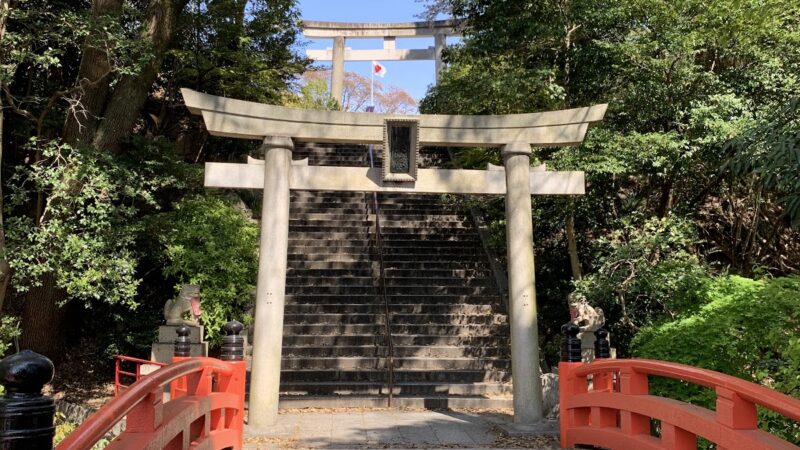
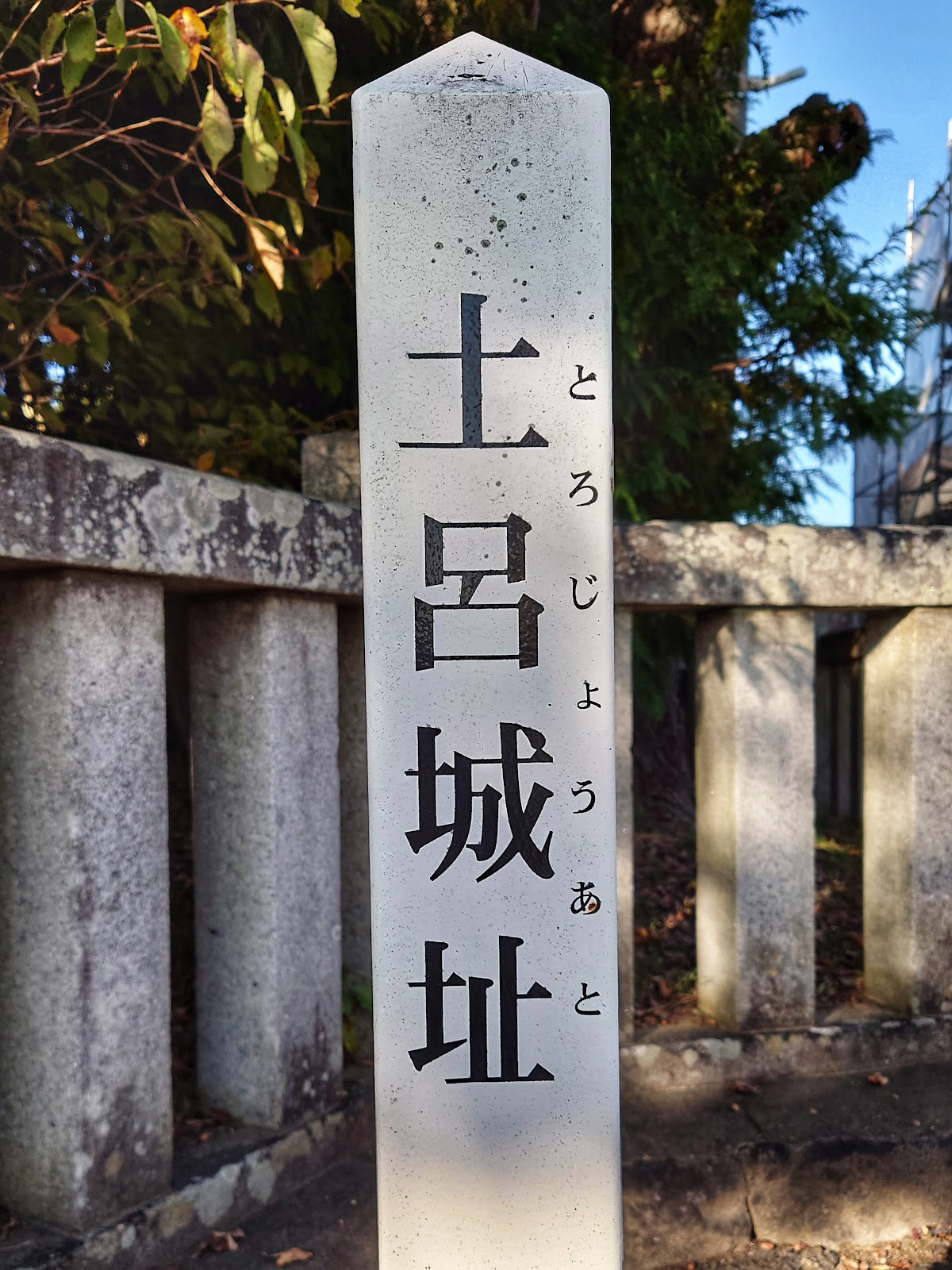
On the other hand, Gobo-yama hill remains as part of the grounds of Toro Hachimangu Shrine. A monument marking the site of Toro Castle stands beside the shrine’s torii gate, indicating that this area was once a castle.
A small portion of the stone walls remains around Toro Hachimangu Shrine, allowing us to imagine the castle’s structure at the time. However, due to shrine renovations and surrounding development, many of the remains have been lost.
Defensive Structures and Water Resources
The defenses of Toro Castle skillfully utilized the natural terrain. The Yahagi River on the west side functioned as a natural moat, and the wetlands on the south side also served as an obstacle to enemy intrusion.
Furthermore, it is believed that the castle’s water supply depended on the Yahagi River and surrounding springs. Securing this water source was a crucial factor when considering a short-term siege.
The Abandonment of Toro Castle and its Aftermath
Time and Reasons for Abandonment
While there are no clear records of exactly when Toro Castle was abandoned, it is estimated to have been sometime between the late Eiroku period and the early Genki period (around 1564-1570).
The following are possible reasons for the abandonment:
- Weakening of the Ikkō-shū Force: After the suppression of the Ikkō-ikki rebellion, the Ikkō-shū’s influence in Mikawa declined significantly, reducing its need as a surveillance base.
- Ieyasu’s Relocation of Base: Ieyasu moved his base from Okazaki Castle to Hamamatsu Castle, changing the strategic importance of Mikawa Province.
- Ishikawa Kazumasa’s Reassignment: Kazumasa himself began to engage in other duties and territorial management.
Reconstruction of Honshōji Temple
The Toro Honshōji Temple, which had been destroyed by fire, remained unrebuilt for a long time. However, in 1583, Myōsai-ni, the mother of Ishikawa Ienari (a member of Kazumasa’s family), petitioned Tokugawa Ieyasu, and permission was granted to rebuild Honshōji Temple in Miwa (present-day Miwa-cho, Okazaki City).
This reconstruction indicates that approximately 20 years had passed since the Ikkō-ikki rebellion, and religious conflict had eased. However, the fact that the castle was rebuilt in a different location than the original Toro site indicates that Ieyasu’s guard was still wary.
Toro After the Edo Period
During the Edo period, Toro once again developed as a commercial center. It flourished as a base for transporting goods using the Yahagi River’s water transport system, and as a settlement with post-town functions along the highway connecting Okazaki and Nishimikawa.
After the Meiji Restoration, it became an agricultural area amidst the wave of modernization, and after the post-war period of rapid economic growth, it transformed into a residential area. Currently, it is a residential area within Okazaki City, and almost no trace of the former castle or temple town remains.
Visiting the Current Toro Castle Ruins | Highlights and Access
Toro Hachimangu Shrine and Castle Site Monument
Toro Hachimangu Shrine is the central point of interest when visiting the Toro Castle ruins. The castle site monument, erected beside the shrine’s torii gate, is an important marker indicating that this site was the second bailey of Toro Castle.
The shrine grounds are quiet and continue to function as a place of worship for the local people. While there are limited castle ruins to see, standing on this historical site allows you to feel the atmosphere of Mikawa during the Sengoku period.
Remaining Stone Walls
A small portion of the stone walls, believed to date back to the time of Toro Castle, remains around Toro Hachimangu Shrine. Although weathered and altered by later periods, it does not perfectly represent the original appearance, but it is a valuable historical site.
The construction method and choice of stones offer a glimpse into the castle-building techniques of the time. Stone wall technology in the late Sengoku period was still developing, and the Toro Castle walls are characterized by their relatively rough construction.
Current Status of Midoyama (Main Keep Site)
As mentioned above, Midoyama disappeared in 2022 due to residential development. Currently, houses line the area, and it is no longer possible to directly see the former main keep site.
However, it is possible to estimate the approximate location from the surrounding topography and road layout. For history enthusiasts, it is a place that should be remembered as a “lost ruin.”
Access Methods
Public Transportation:
- Approximately 20 minutes on foot from Meitetsu Nagoya Main Line “Miai Station”
- Approximately 5 minutes on foot from Meitetsu Bus “Toro” bus stop
Car:
- Approximately 15 minutes from Tomei Expressway “Okazaki IC”
- Parking: Small parking space available for visitors at Toro Hachimangu Shrine (limited number of spaces)
Address: Minami Goboyama, Fukuoka-cho, Okazaki City, Aichi Prefecture
When visiting, please be considerate of the residential area and be mindful of quietly observing so as not to disturb the local residents.
Related Historical Sites in the Surrounding Area
When visiting Toro Castle Ruins, it is recommended to also visit the related historical sites in the surrounding area.
Miai Honsoji Temple: Honsoji Temple, which was relocated and rebuilt from Toro. These are important temples that tell the history of the Mikawa Ikko-ikki rebellion.
Harizaki Shomanji Temple: One of the three temples of Mikawa, and a stronghold of the Ikko-ikki rebellion alongside Toro Honsoji Temple.
Nodera Honshoji Temple: Also one of the three temples of Mikawa. Part of the moat remains, conveying the atmosphere of the temple town.
Okazaki Castle: A castle famous as the birthplace of Tokugawa Ieyasu. It was a target of attack by the Ikko-ikki rebels during the Mikawa Ikko-ikki rebellion.
Kamiji Castle Ruins: The castle where Omi Fujiroku resided, a historical site deeply connected to the Ikko-ikki rebellion.
By visiting these historical sites, you can gain a deeper understanding of the historical background of the Mikawa Ikko-ikki rebellion and Toro Castle.
The History of Mikawa as Tōro Castle Tells the Story
The Conflict Between Religion and Politics
The history of Tōro Castle symbolizes the complex relationship between religion and politics during the Sengoku period. Jōdo Shinshū (Ikkō-shū) was a religion deeply ingrained in the populace, and its faith extended even to the samurai class.
The Mikawa Ikkō-ikki was not merely a religious conflict, but a complex dispute involving multiple layers of factors such as local autonomy, economic interests, and the loyalty of the samurai. Tōro Castle was a symbol of the “control and surveillance” that emerged as a result of this conflict.
Tokugawa Ieyasu’s Rule of Mikawa
For Ieyasu, the Mikawa Ikkō-ikki was one of the greatest crises of his life. Facing a triple difficulty—the division of his retainers, the devastation of his territory, and conflict with religious forces—Ieyasu learned important lessons as a ruler from this experience.
The construction of Tōro Castle was not merely a military measure, but also an expression of Ieyasu’s philosophy of governance. The multi-stage approach—not only suppression by force, but also continuous surveillance through the establishment of bases, and gradual restoration of relations (such as permission for the reconstruction of Honsoji Temple)—has resonated with the later religious policies of the Edo Shogunate.
The Role of Ishikawa Kazumasa
Ishikawa Kazumasa served as a senior retainer of Ieyasu even after the construction of Toro Castle, but in 1585, he made the shocking decision to suddenly defect to Toyotomi Hideyoshi. The reason for this defection remains shrouded in mystery, but it was a major blow to Ieyasu.
Toro Castle is a valuable historical site that commemorates Kazumasa’s time in Mikawa, and a place that tells the story of his achievements and complex life.
Vanishing Historical Heritage
The disappearance of Mount Mido symbolizes the major problem of historical heritage loss progressing throughout Japan. Balancing economic development and historical preservation is always a difficult challenge, but once a site is lost, it can never be recovered.
Historical sites like Toro Castle, which are not widely known, are particularly difficult to preserve. However, it is the accumulation of these “small histories” that forms the cultural identity of the region.
Summary | Historical Significance of Toro Castle
Toro Castle is a small castle with a short construction period and only a few remains. However, its historical significance is by no means small.
Toro Castle, built by Tokugawa Ieyasu on the orders of Ishikawa Kazumasa, served as a watchtower in Toro, the site of the Mikawa Ikko-ikki, a major religious and political upheaval. This castle provides important clues to understanding the changes in the power structure in Mikawa during the Sengoku period, the relationship between religion and politics, and Tokugawa Ieyasu’s methods of governance.
Currently, Mount Mido, the site of Toro Castle’s main keep, has disappeared, and Mount Gobo, the site of the second keep, now serves a different purpose as Toro Hachimangu Shrine. However, the castle site monument, the remaining stone walls, and the history passed down in the region convey to the present day that this place once experienced the turmoil of the Sengoku period.
Visiting the ruins of Toro Castle is not just about seeing castle remains; it’s also about experiencing the stories of faith, battles, and reconciliation among the people of Mikawa during the Sengoku period. When you visit Okazaki, be sure to stop by Toro and experience this small but important historical site.