Ori Castle: A Sengoku Period Mountain Castle in Mizunami City, Gifu Prefecture, Notable for its Connection to Azuchi Castle
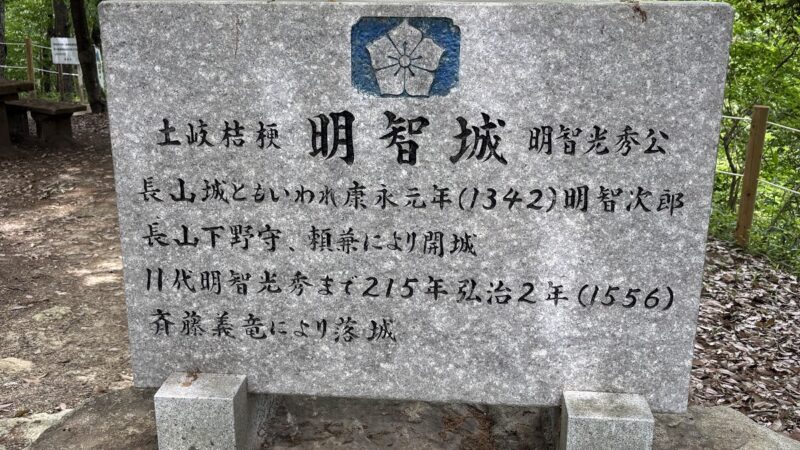
Located in Ori, Inatsu-cho, Mizunami City, Gifu Prefecture, Ori Castle is a mountain castle that conveys the turbulent history of the Sengoku period. Built on the summit of Shiroyama Mountain at an altitude of 403 meters, this castle played an important role as a frontline base in the power struggle between Oda Nobunaga and the Takeda clan. Particularly noteworthy is the surviving polygonal keep base, a feature only seen at Azuchi Castle, suggesting a deep connection to Oda Nobunaga’s castle-building techniques.
History and Background of Ori Castle
Construction by the Ori Clan and Early History
While there are various theories regarding the construction date of Ori Castle, it is believed to have been built around 1532-1534 by Ori Dewa-no-kami Mitsutada, a descendant of the Toki clan. The Ori clan was a branch of the Toki clan and a powerful local lord who ruled this region.
Before the construction of the castle, the Ori clan resided at Ori Shinjo, located west of Kōtoku-ji Temple on the south bank of the Ori River. However, amidst the tense situation of the Sengoku period, they were compelled to construct a new mountain castle on a more defensible hill. Initially, Ori Castle was not a large-scale fortress encompassing the entire hill, but rather a small castle built modestly at the foot of the hill.
Renovation and Expansion by Oda Nobunaga
The history of Ori Castle underwent a major transformation in 1574, during the late Sengoku period. In that year, Oda Nobunaga focused on Ori Castle as a military base for recapturing Iwamura Castle, which had been seized by Takeda Katsuyori. Nobunaga appointed Ikeda Tsuneoki as the castle commander and ordered a large-scale renovation and expansion of the castle.
In 1576, Oda Nobutada entered the castle, and construction of new stone walls, earthworks, and a three-story turret proceeded. It is believed that many of the stone walls and castle tower bases visible today were built during this period. However, because Oda Nobutada’s forces captured Iwamura Castle sooner than expected, the expansion work on Ori Castle was interrupted.
This unfinished renovation work is the greatest mystery surrounding Ori Castle. The irregular hexagonal castle tower base remaining on the mountaintop has a structure similar to that of Azuchi Castle’s castle tower base, leading to the intriguing hypothesis that “Ori Castle may have been built as a prototype before Azuchi Castle was constructed.”
Edo Period and Abandoned Castles
After the Honnoji Incident in 1582, the Ori clan came to serve Tokugawa Ieyasu. In 1600, after the Battle of Sekigahara, Ori Mitsuchika became a hatamoto (direct retainer) of the Edo shogunate. At this time, Mitsuchika demolished Ori Castle, a mountain castle, and built a new Ori Jinya (fortified residence) in Gotemba, near the castle entrance.
In 1623 (Genna 9), Mitsuchika’s son, Mitsushige, died without an heir, leading to the extinction of the Ori clan and the demolition of the Ori Jinya (fortified residence). This marked the complete end of the history of Ori Castle.
Structure and Remains of Ori Castle
Layout and Defensive System
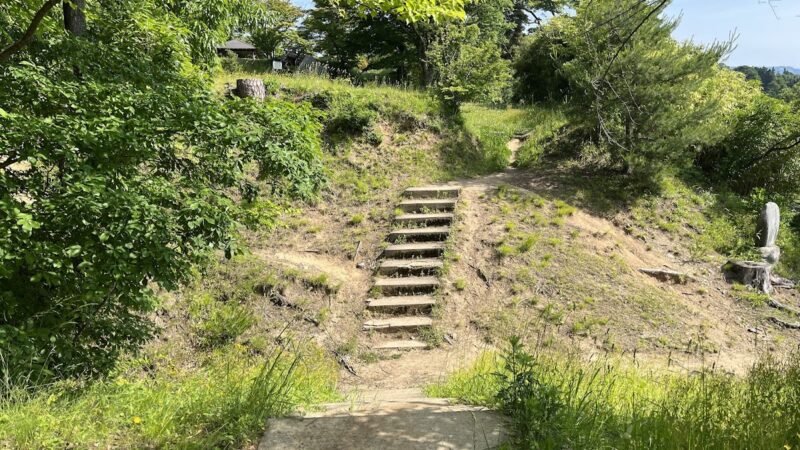
Ori Castle was built on the summit of Shiroyama Mountain, which rises on the west bank of the Ori River. Located at the northeastern edge of the mountain range, it is a typical mountain castle with a defensive system that skillfully utilizes the natural terrain.
The ridge on the south side of the castle is divided by a moat, which served as an important defensive line to prevent enemy intrusion. The steep terrain and the natural moat of the Ori River further enhanced the castle’s defensive capabilities. The access routes to the castle were limited, making it extremely difficult for attackers to conquer.
Features of the Keep Base
The greatest highlight of Ori Castle is the irregularly shaped hexagonal keep base remaining in the main enclosure at the mountaintop. This castle tower base features a semi-underground structure called an “anagura” (crypt), a shape extremely rare nationwide.
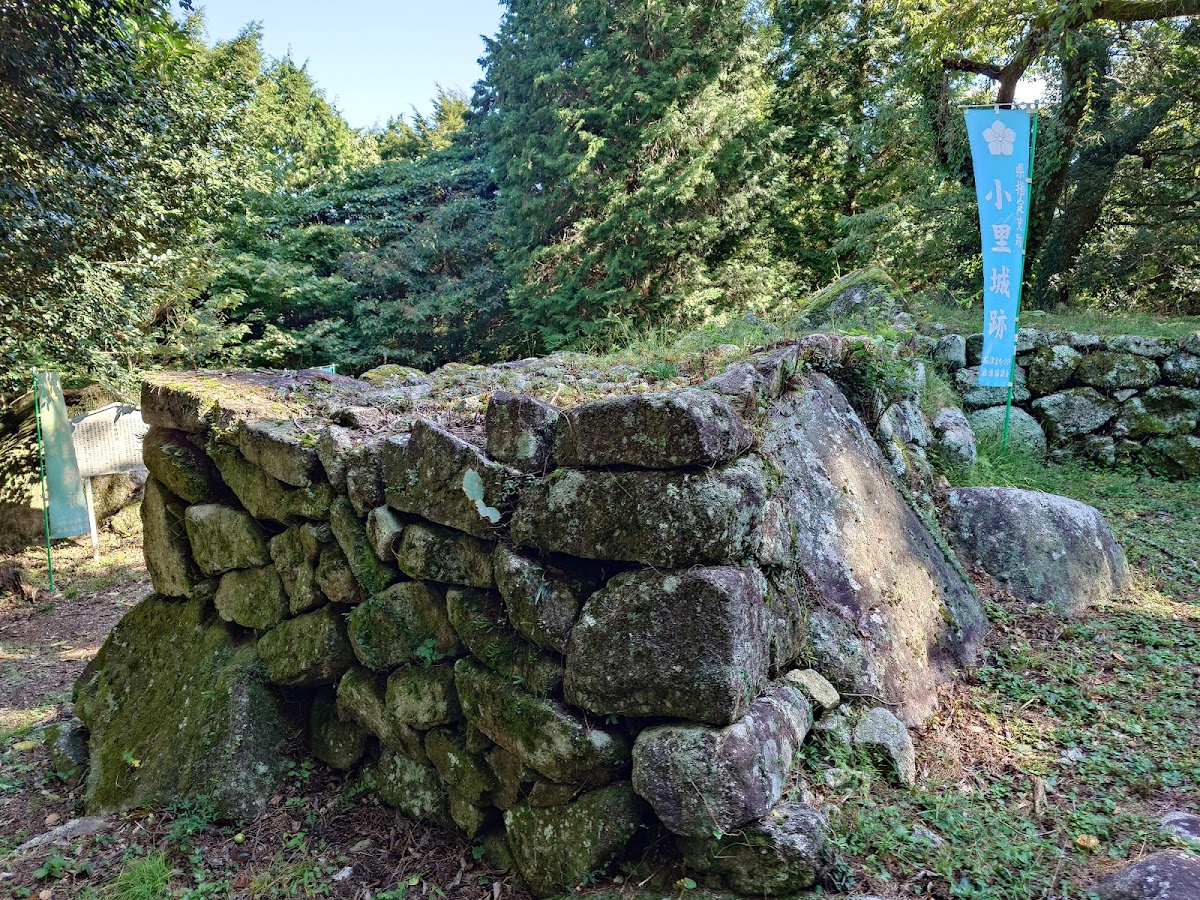
The stone walls of the castle tower base still bear the marks of wedge holes (holes used to split stones), indicating that construction was interrupted midway. Currently, a shrine stands atop the base, making it an object of local worship.
This polygonal castle tower base is structurally similar to that of Azuchi Castle and is considered a very important historical site in the history of castle construction. Considering that construction of Azuchi Castle began in 1576, it appears that renovations to Ori Castle were carried out around the same time, making the connection between the two extremely interesting.
Stone Walls and Enclosures
Around the main enclosure where the castle tower base is located, remnants of stone walls remain in various places. These stone walls are thought to have been built during renovations by the Oda clan, and they convey the advanced castle construction techniques of that time.
In addition to the main enclosure, several other enclosures (kuruwa) were arranged, giving the castle ample functionality as a mountain castle. Each enclosure was demarcated by earthen ramparts, indicating an efficient defensive system.
Palace Site and Living Space
The remains of a palace are preserved at the foot of the mountain, indicating that this was the living space for the lord and his retainers. Well remains have also been found near the palace site, suggesting that the castle, despite being a mountain castle, offered a certain level of habitability.
The remains of the main gate are also clearly visible, revealing the location of the castle’s front entrance. The route from the castle entrance to the palace site and then to the main enclosure at the summit provides important clues to understanding the castle’s structure at the time.
About the Ori Jinya
In 1600 (Keicho 5), Ori Mitsuchika abandoned the mountain castle of Ori Castle and established the Ori Jinya, located near the castle entrance in Gotenba. As a jinya (fortified residence) for a hatamoto (direct retainer of the shogun) in the early Edo period, it served as an administrative facility.
The Ori Jinya (fortified residence) was demolished in 1623 when the Ori clan died out, so there are virtually no clear remains today. However, the place name “Gotemba” remains, indicating that a fortified residence once stood here.
Historical Evaluation of Ori Castle
Position in the History of Castle Construction Technology
Ori Castle occupies a special place in the history of Japanese castle construction technology. In particular, the existence of its polygonal keep base has attracted the attention of many researchers due to its connection to Azuchi Castle.
The common feature of polygonal keep bases, found only at Azuchi Castle and Ori Castle, is valued as an indication of a part of Oda Nobunaga’s castle construction concept. Some researchers point out the possibility that Ori Castle can be positioned as an experimental prototype for Azuchi Castle, making it an important historical site for understanding Nobunaga’s innovative castle construction ideas.
The Role of the Tono Region in Sengoku Period History
At the end of the Sengoku period, the Tono region was the front line where the forces of the Oda and Takeda clans clashed. Ori Castle functioned as an important military base for the Oda forces in this region and served as a base for the attack on Iwamura Castle.
During the period when Takeda Katsuyori occupied Iwamura Castle, Ori Castle held extremely important strategic value as a key point for the Oda’s control of Tono. The fact that Ikeda Tsuneoki, a senior retainer of the Oda family, was stationed as the castle’s commander shows how highly Nobunaga valued this castle.
Local Information and Access to Ori Castle
Location and Designated Cultural Property
Location: Ori, Inatsu-cho, Mizunami City, Gifu Prefecture
The Ori Castle ruins are a designated cultural property of Mizunami City and are protected as an important historical heritage of the region. The entire castle hill is preserved as a historical site, and visitors can see the remains such as the stone walls and the castle tower base.
Access Methods
Access by Car:
- Approximately 15 minutes from Mizunami Interchange on the Chuo Expressway
- Parking is available near the castle entrance.
Public Transportation:
- Approximately 15 minutes by taxi from Mizunami Station on the JR Chuo Main Line
- Access by car is recommended due to limited bus service.
Precautions When Visiting the Castle
Ori Castle is located on a mountaintop at an altitude of 403 meters, and a certain level of physical fitness is required to reach the castle. It takes approximately 30-40 minutes to walk from the castle entrance to the summit.
- Please wear appropriate clothing and shoes for hiking.
- Be especially careful after rain, as the ground can become slippery.
- Don’t forget insect repellent in summer and warm clothing in winter.
- Bringing drinking water is recommended.
- As it is a mountain castle, toilet facilities are limited.
Points to Note During Your Visit
When visiting Ori Castle, keeping the following points in mind will help you appreciate the castle’s charm more deeply:
- Tenshudai: Carefully observe the unusual irregular hexagonal structure.
- Ishigami no tsubo: Confirm the traces of unfinished construction.
- Goten no tsubo: The location of the lord’s living quarters.
- Otemon no tsubo: The structure of the castle’s main entrance.
- Horikiri: Defensive structure on the southern ridge.
- Omigata: The view of the Ori River basin from the mountaintop.
Ori Castle and Surrounding Sightseeing
Other Historical Sites in Mizunami City
Mizunami City has many historical sights besides Ori Castle. Kōtoku-ji Temple is known as the family temple of the Ori clan, and visiting it together with Ori Castle will give you a deeper understanding of the Ori clan’s history.
Mizunami City is also famous as a fossil site, and the Mizunami Fossil Museum displays Cenozoic fossils dating from approximately 20 million to 15 million years ago.
Touring Mountain Castles in Tōno
Many mountain castles remain in the Tōno region besides Ori Castle. Iwamura Castle is known as one of Japan’s three great mountain castles and has deep historical ties to Ori Castle. Naegi Castle is also popular as a mountain castle with beautiful stone walls and can be included in a mountain castle tour route.
Current Status and Challenges of Ori Castle Research
Research on its Relationship with Azuchi Castle
Research on the relationship between Ori Castle and Azuchi Castle is still ongoing. While the structural similarities of the polygonal castle tower bases are clear, there is still no definitive conclusion regarding the specific technological exchanges that occurred and whether Ori Castle was truly a prototype for Azuchi Castle. Further archaeological excavations and documentary research may reveal more details about Oda Nobunaga’s castle construction plans.
Efforts for Preservation and Utilization
Mizunami City is focusing on the preservation and utilization of the Ori Castle ruins. Efforts are underway to create a safe environment for visitors, including the improvement of access routes and the installation of information boards.
Educational use is also an important theme as a regional historical heritage site. Local elementary and junior high schools are incorporating Ori Castle into their local history lessons, aiming to pass on history to future generations.
The Charm of Ori Castle
The greatest charm of Ori Castle is the opportunity to experience firsthand the turbulent history of the Sengoku period. It was a castle that Oda Nobunaga considered important as a frontline base in his battles against the Takeda clan, and traces of its renovation work still remain today.
Unfinished stone walls, stones bearing arrow holes, and a polygonal castle tower base similar to that of Azuchi Castle. These are not merely ruins, but living witnesses to history, conveying the tension of the Sengoku period and the ambition of Oda Nobunaga.
The view from the mountaintop is magnificent, offering a panoramic view of the beautiful scenery of the Origawa River basin. Perhaps the former lords of the castle also strategized while gazing at this view.
Summary
Origawa Castle is a Sengoku period mountain castle located in Mizunami City, Gifu Prefecture, and is an important historical site that was the stage for the power struggle between Oda Nobunaga and the Takeda clan. It was built by the Origawa clan, a branch of the Toki clan, and underwent large-scale renovations by Oda Nobunaga, but the work remained unfinished.
A polygonal castle tower base similar to that of Azuchi Castle remains, and its connection to Oda Nobunaga’s castle-building techniques places it in significant importance in castle history. Even today, the remains such as the stone walls, castle tower base, palace ruins, and main gate ruins are well-preserved, conveying the appearance of a Sengoku period mountain castle.
Climbing to the 403-meter-high summit of the castle requires a certain level of physical fitness, but it will be a valuable experience that allows you to feel the romance of history. For those interested in the Sengoku period history of the Tono region, or those who enjoy visiting mountain castles, Ori Castle is a must-see historical site.