Full view of the Ouchi clan’s residence: Western political and cultural center – history and highlights of the local governor’s residence
Is this the Ouchi Ujifu residence?
The Ouchi clan’s residence (Ōuchi-shi Yakata) is a medieval castle fortress located in Ojino Oji-cho, Yamaguchi City. The main residence of the Ouchi family (later established as a long-term residence in the country), which has been in operation for 200 years, is a political center in the western part of Chengdu, and has become the cultural center of Zhenghe. Currently, it has been designated as `Ouchi Clan Site (including Ryunji Temple Site)'' and has been selected as `Japan’s 100 Famous Castles.”
The current site of Longfukuji Temple is the current location of the temple’s former residence, where the ancient history of the temple is scattered, the history and culture of the envoys are important, and the prosperity of the Shōdai clan continues to flourish.
History of the Ouchi clan and their capital Yamaguchi
Origin of the Ouchi clan
The Ouchi clan was the name of the clan, and they called themselves the descendants of Shotaiko Hyakuen. The name of this place is derived from the family name of the Ouchi clan, which was located in Ouchi City, Yamaguchi Prefecture, in the late Heian period.
Hiroyoshi Ouchi Shoiechi to Yamaguchi
At the end of the 14th dynasty, around 1360 (Shohei 15), Hiroyoshi Ouchi moved from the Shoie area to Mihori Ouchi. General Hiroyoshi Ouchi’s vision focused on the topography of Yamaguchi, giving him a basin similar to that of Kyoto, and the general’s determination of his own strength. After its establishment, Yamaguchi’s prosperity and Ouchi culture flourished.
Yamaguchi: Western Kyoto
Hiroyoshi Ouchi recommended the city of Kyoto, and the city of Kyoto was established, and the road layout of the city was established. The Ouchi clan’s political affairs from their current capital to this prefecture’s residence. At the time of the war, Yamaguchi’s troupe was exhibited and was honored as a famous cultural castle in Western Kyoto. The Ouchi clan gave the Chinese and Japanese merchants a huge amount of wealth, and since then they have been able to take advantage of the culture of the Kyoto tribe, and have grown up with the unique Ouchi culture.
Summary of the Ouchi domain residence
Basic structure of a residential property
Recent archaeological excavations were announced, and the residence of the Ouchi clan was built from the end of the 14th century to the beginning of the 15th century. The residence has a long square layout, a four-circle construction, an indigenous castle wall and a castle river, which is a typical medieval residence style for local governors.
As the size of the residence changed over time, it continued to grow, and the size of the residence continued to increase as the power of the Ouchi domain increased. During the period of prosperity, the residence was 180 meters long in the east and west, 220 meters wide in the north and south, and the territory was wide.
Main Implementation Bureau
The main hall of the residence (the residence of the feudal lord), the official residence, a large hall for entertaining guests, and a flower garden. The flower garden has been conquered by the Ouchi clan, and the cultural cultivation of the Ouchi clan has been completed.
Defense installation
However, the main works include housing, earthworks, castle rivers, etc. defense works. Comprehensive west gate, multiple castle gates, and garden-like entrances and exits. Part of the construction work is quite high, and it has been announced that it is not planned to be used as a defense fortification under construction in an emergency situation.
Archaeological excavation
Building construction foundation stone
Archaeological excavations have proven to be a monument to the construction of many buildings. The foundation stone is located here, where there is a large-scale construction of the troupe, and the location of important construction such as the formal reception hall of the main hall. The excavated house tiles, made of Japanese ceramics, have shown their status in construction, and the Ouchi clan’s strength has also been demonstrated.
园林遗迹
The ruins of the home’s residence and the garden of the pond and garden. A complete garden using the Kyoto garden technique, which combines excavated stone materials, stone culverts, Japanese ponds, and a total of 1,000 buildings. The garden is an important place for guests and visitors, and is representative of Ouchi’s cultural masterpieces.
Hijikata Engineering Waho Castle River Railway
Part of Hijikata’s construction and construction of the residence still exists. The details of the excavation work were shown, and the construction of Hijikata’s construction was an imitation of the Japanese castle river, and the defense system of the residence was completed step by step. Specially, the preservation of the Hijikata process around the west gate has been completed, and the original appearance has been provided for important research.
Excavated artifacts
A wide variety of pottery has been excavated from excavation work, including Chinese blue porcelain, Japanese white porcelain, and Korean pottery, as well as Japanese pottery. These rare and rare items are available for purchase by the Ouchi clan in China, Japan, and Korea. In addition, excavated pieces of gold-leaf tiles, Japanese decorations, decorative metal fittings, and an exhibition of old-fashioned luxury at the residence have been completed.
Changing the history of the Ouchi family residence
The height of residential development
From the 15th century to the 16th century, when the Ouchi clan was at its peak, the mansion reached its most brilliant stage. During the reign of the 29th head of the household, Masahiro Ouchi, the 30th head of the household, Yoshikazu Ouchi, and the 31st head of the household, Yorutaka Ouchi, the 31st head of the household, was involved in cultural activities such as the residence of Kyoto’s Asahi, the famous Japanese culture in the capital, the Yamaguchi theater, regular concerts in the residence, and tea ceremony performances.
Arrival at Fangzhou · Sha Mushroom
In 1550, when you arrived at this residence, you were invited to visit Ouchi. If you can get it, you can get it, you can get it, you can get it from Yamaguchi, and you can start teaching. This incident is one of the most important chapters in the history of Japan, and the Ouchi family is also a place of international exchange.
The decline of the Ouchi family and the end of the mansion
In 1555 (the first year of Koji), Ryūin Ouchi’s vassal Sueharukata rebelled and committed suicide. In 1557 (3rd year of Koji), the late Haruhata was replaced by Mori, and the Ouchi family he had led was killed. After this, the Mori family moved into the mansion, but the Mori family commander moved to the island, and the mansion disappeared.
Ryofukuji Temple Yooouchi Family Residence Site
Dongfukuji temple construction
In 1564 (7th year of Eiroku), after the death of the Ouchi family, Mori Takamoto, who was a member of the Mori family, left his residence and built Ryofuku-ji Temple. Ryufukuji Temple is a Zen temple, and an exhibition of the Mori clan’s eaves under the eaves. The current main hall is a heavy construction site during the Edo period, but its location is the ruins of the Ouchi clan’s residence.
Current situation at Ryofukuji Temple
A part of the Hijikata construction at the time of the Ouchi family’s residence at Ryufukuji Temple was built as a Japanese stone culvert. Behind the main hall, the garden is a relic of the park, and the envoys and visitors can enjoy the ancient Japanese style of the imaginative temple. The official address of the temple, which is located near the main gate of the Ouchi clan, is currently pending.
Preservation and development of National Museum of History
History designated by history
Due to the historical importance of the Ouchi clan, the preservation status of the monument is good, and the Ouchi clan’s residence has been designated as a national historical monument, and the name is “Ouchi clan residence (including Longshan Temple site)”. Ryuhoji Temple is the ancestral temple of the Ouchi clan, and the entire site of the Yotaku mansion is preserved.
Wooden construction repair and opening items
The history of the Ouchi family’s residence was further preserved, and Yamaguchi City’s current location was recommended for preservation purposes. As a result of the basic archaeological excavation, the construction of the future part of the city government and the archaeological site proceeded with the construction and repair of the tree structure. In addition, please let us know the historical environment that you will be able to experience when you visit, and we will provide you with information about the current layout of the website, as well as a scenic guide to the construction of the building.
Archaeological excavation work in progress
As the archaeological excavation work continues, new historical artifacts are constantly being discovered. Due to the progress of digging and digging, the government was promulgated in order to improve the appearance of the area, and the Ouchi clan’s residence also brought about a change in appearance and cleanliness. As we follow the detailed study, we will understand the progress of each step, and the summary of our daily life.
Ouchi domain residence Ryoten
Existing earthworks
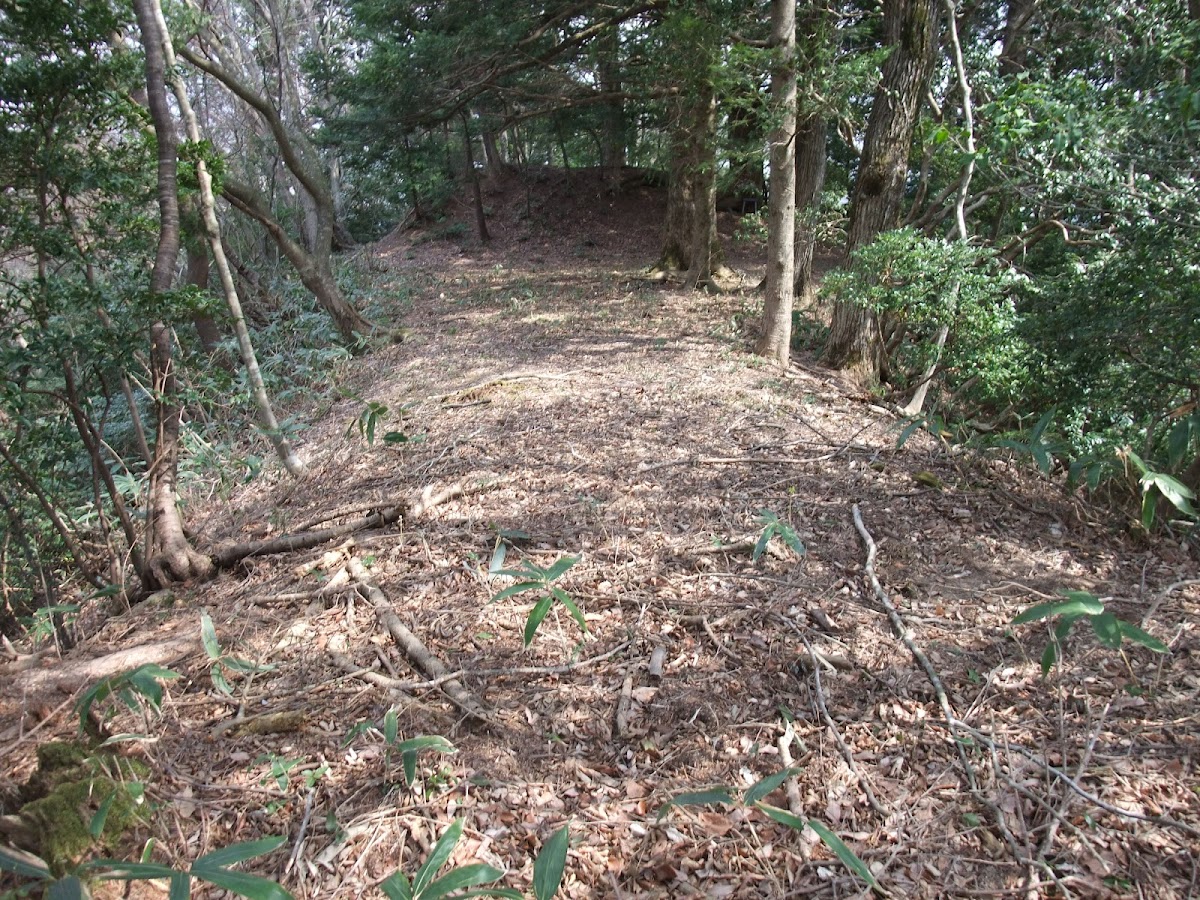
Partial earthworks carried out during the period of the residence of the Ouchi clan, which was located in Ryufuku-ji Temple and its surrounding area. This is a small amount of earthworks, approximately 2-3 meters, which is a rare consideration, so please understand that the defense construction will be carried out at this time. Especially because of the Hijikata process in the west, it has been preserved perfectly, and we can imagine what it looked like in its heyday.
Garden Garden
During the excavation process, we confirmed that the garden was partially preserved. When the Ouchi clan showed the history of the stone culvert and water pond, the Ouchi clan transplanted the culture of Kyoto’s gardens to Yamaguchi. The garden is an important element of the exquisite taste of the Ouchi clan’s culture.
Ryofukuji Temple Main Hall and Exhibitions
Excavated cultural artifacts from the Ouchi clan are on display at the main hall of Ryufuku-ji Temple. The Ouchi family’s residence has a description of the residence of the Ouchi clan.
Zhou Xianyo Ouchi clan’s historical site
Near the residence of the Ouchi clan, there is a historical site where the Ouchi clan was buried. Visit the Longunji Temple ruins, Kouryuji Temple ruins (the family temple of the Ouchi clan), and other scenic spots such as the Tomb of Yoshiro Ouchi, and learn more about the history of the Ouchi clan. In addition, the Yamaguchi City Museum of History and Folklore also has a detailed exhibition of the Ouchi clan, which is a historical museum of the Ouchi clan’s residence.
Transportation and visitor information
Location
The Ouchi family’s residence (Ryufukuji Temple) is located in Ojino Oji-cho, Yamaguchi City. It takes about 20 minutes to walk to JR Yamaguchi Line Yamaguchi Station, or it takes 5 minutes to walk to “Yamaguchi” Station.
Car stop
Longfuji temple parking lot. However, the number of parking spaces is limited, and public parking areas are available for use during high peak times. ### Visit Knowledge
Longfukuji Temple is a temple with one troupe in use, and visitors are welcome to visit. The temple garden is usually open to visitors, but viewing the main hall is subject to demand. In addition to this, there are also areas where archaeological excavations are currently underway.
Effects of Ouchi culture and Ouchi domain residence
Real estate production cultural village
The residence of the Ouchi clan was not centered on politics, but it was also a cultural center. He came from Kyoto as a retainer, was a culturally famous Japanese Zen sect monk, lived here, studied poetry, and exchanged tea ceremony and Japanese studies. A famous cultural castle in Kyoto that promotes all kinds of cultural exchange.
Ouchi lacquerware Japanese origin of Ouchi people
The Ouchi clan’s master craftsmanship techniques were used in the Yamaguchi area. Ouchi lacquerware was originally produced by Ouchi people during the time of the Ouchi clan. This is a small piece of craftsmanship, made in-house, and a prized item.
International exchange center
The residence of Ouchi was also a trading post in Japan since the Ming Dynasty. When I came to Japan from China, I visited a half-island envoy to visit this place, and continued to conduct diplomatic and cultural exchanges. Ouchi House is also a place for international exchange, as it is a place where people can visit various places to visit.
Impressions of the Ouchi clan’s residence
Impressions of 对山口县城市发連
Hiroyoshi Ouchi and the city of Kyoto were constructed, and now Yamaguchi City is now the foundation of the highway layout. The layout of temples and shrines was achieved through the construction of the temples and shrines, and the concept of castle city management during the Ouchi clan was realized.
Production culture and production world
The site of the residence of the Ouchi clan is an important archaeological site as it was the residence of the feudal lords of the medieval period (local rulers). The structure of the residence and the artifacts excavated from archaeological excavations are a research laboratory, the town’s period politics, and the source of cultural treasures.
Use for travel resources
Right now, the site of the Ouchi clan’s residence is now an important source of tourist attractions in Yamaguchi City. Part of the purpose of the work was to open the Ouchi Cultural Castle, and the development included one section of the residence and the other Ouchi clan’s historical sites as a tourist route, attracting many history lovers and tourists.
Juho-tei new facility and surrounding development
Overview of Juho-tei Shinkansen
Juho-tei’s new building was located near the residence of the Ouchi clan, and the history of Yamaguchi during the post-Eko period and Meiji period. Juho-tei is a gathering place for many people who loved the country during the Edo period, and is located in the new museum. This is a historical scene from the time when Yamaguchi was in charge of the Ouchi domain and towards the end of the Edo era.
Zhou Kai Cultural Development
Yamaguchi City Cultural History and Folklore Museum has regular exhibitions of the Ouchi clan, and the contents are detailed.Be sure to visit the residence and understand the ideal place for the history of the Ouchi clan. Yamaguchi’s beauty museum is also included in the works of the Ouchi clan.
overview
The residence of the Ouchi clan is a historical example of the residence of a local ruler, and the residence was in the Muromachi era to the Warring States period, and was the center of Western Japanese politics and Japanese culture. Hiroyoshi Ōuchi was installed as General, and after the Yamaguchi Empress, the Ouchi domain was the current lord of the domain, and the administration was completed for about 200 years, and the flourishing of Yamaguchi, which was called “Saikyo”, was completed.
However, the location of the Longfuji Temple, which was built on the island, is still perfectly preserved, including the historical sites of the Japanese gardens and other countries that are part of the country. The archaeological excavation work was carried out step by step, showing the residence of the Ouchi domain, the daily life of the Ouchi clan, the development of the mission, the study of the medieval period, important sites of the residences of feudal lords, etc.
Visit the Ouchi clan’s residence, and enjoy the shining lights of the Ouchi clan. Due to the Ouchi clan’s trade and prosperity during the Ming dynasty, there was a fusion of Kyoto culture at the same time, and the unique Ouchi culture was exhibited. In addition to this, I understand that Yamaguchi City’s history is an internationalized city, and its footprints are completely different. If you are visiting Yamaguchi City, you must visit the historical site of the castle, which gives you a glimpse of the rich culture of medieval Japan.