Ancient castles: Takeda Shingen’s construction of castles
Ancient Palace City (Ancient Palace Site) is a mountain castle during the time of the War in Qingwu, Yuanzhiguan, New City. After the construction of Takeda Shingen’s invasion of Mikawa Province and the establishment of a base in Mikawa Province, Shinji’s plans for the famous military’s military affairs were investigated. From that time onwards, the city’s earthworks were completed, and the castle’s river heritage was still perfectly preserved, making it an important historical site to be observed, and was also honored as the “Touchi no Kan”. On April 6, 2017, the 150th person selected to be selected as one of the 100 greatest castles in Japan.
Ancient castle history
Construction background and Takeda Shingen’s invasion of Mikawa Province
The ancient castle-like construction originated from Takeda Shingen’s military strategy in the East Sea region. In 1570, Takeda Shingen invaded Yuyu and became the Okudaira clan (local lord) in the Joji-tate district, where he was effectively a loyal Takeda clan.
From about 1571 to 1572, the Emperor Takeda Shingen built an ancient castle, which was then used as a military base in Mikawa Province. The layout of the ancient castle was designed by the famous fort builder Shinji Mato (Nobuharu Mato no Kami). Shinji Majo was one of the 24 Great Takeda Shoguns, and he was also the Takeda Clan’s most courageous fort builder, and he was the advisor who designed the Western Fortress.
The Okudaira clan’s rebellion and escape from the ancient castle
In 1572, the owner of this area, Okudaira, arrived and the arrival of Takeda Shingen ensured that the area was safe. However, in 1573, Takeda Shingen passed away due to an illness, and the situation was in a state of emergency.
Okudaira and his son Okudaira, secret alliance with Tokugawa Ieyasu, decided to rebel against the Takeda clan. In 1573, Okudaira father and son separated and other castle forts: Kuzan Castle (attached castle), entered Tsuyama Castle (later changed its name to Changyu Castle), and at this time the Takeda Army’s main direction of the castle was transferred.
Please take a look at the annexed area of 龟山城, the Takeda army is located in the mountain of 韟山城, the construction of the mountain was completed, and the western guardian castle was the central location of the construction of the ancient castle. Installation, Obata mata military, Amari left division Kawa Okuma’s former Shutoso’s homeroom teacher of the old shrine castle.
1575 Attack on Yobiki Castle
In May 1575 (3rd year of Tensho), during the long-term war in Shimodahara, the Takeda army was defeated by the Tokugawa army. After this battle, the Tokugawa Army joined the attack, and the Takeda Army was located in Shiroike, the old castle castle, and the Tokugawa Army entered the area.
After this, the ancient castle was occupied, the existence of Chengdu Troupe was shortened, and the actual use time was several years. However, its existence has been short-lived, and it has been perfectly preserved to this day, becoming a rare historical site and exhibiting the Takeda clan’s fort construction techniques.
Ancient castle location Japanese geography special expedition
Strategic location in the Atete Basin
The ancient palace is located in the center of the foot basin in the eastern northern mountain area of Mikawa country. The attached road is located on the west side of the castle fort, and the attached basin is extended northward and southward. In addition, the Ichijo Yute road branch road is an extension of the city fort from south to east, and is an important transportation hub for the Chengdu mountain area, which connects Yuegun and Yina roads.
The Tsute Basin is a plateau basin approximately 500 meters wide, surrounded by four mountain ranges, and a natural fortress. After completing the use of the ancient palace, it is located in the center of the Yu Basin, and is a mountain redoubt with a height of about 20 meters and a famous palace mountain.
Terrain construction natural fortress
The ancient castle is built on a small hill, except for the west side, the other three sides are covered with wetlands, and the castle is a natural fortress. The use of small wetlands allows the enemy to get close to the enemy, and the defensive ability of the fort increases.
Yuyu City Fort, Jianyu Plains, a single isolated small mountain hilltop in the middle of the plains, in this place, the mountain and hill capital were reinforced. The construction of the fort has been fully exploited, and Shinji’s outstanding fort construction techniques have been developed.
Komiya Castle’s distribution structure
Chiropractic structure and main parts
The main castle is located on the eastern and western sides of the river, and the main castle is located on the east side of the castle. The western side of the world-shaped fortifications has been exhibited in a variety of highly diversified layouts, displaying the exquisite techniques of fort construction in the latter half of the imperial era.
The main citadel is the central part of the fort, and the four walls have a high quality earthen wall. The castle is now in perfect condition, with its original appearance preserved. The main tower is on the east side, and several towers are placed in a ladder-like arrangement, and each step strengthens the defense.
围墙和桡形结构
The most attractive feature of Komiya Castle is the carefully designed castle gate (small entrance). The entrance to the main castle is a square-shaped wall, with two walls on the side, and when it appears, it is a clever plan for the invasion of defense forces.
The small gate of the square (square castle gate) is a sophisticated defense construction, a narrow space for the introduction of talented soldiers, and a three-sided attack, which is a sophisticated defense technique that was common in the fort during the post-war period. The ancient castle’s ancient beliefs are preserved in its primitive form, the creation of a unique sense of reality, and the ability of Buddhas and soldiers to breathe in the stillness of space.
Defense installation
The ancient castle is famous for its defensive construction. The entrance is a small-sized burial mound in front of Kokou, and it is used for defense in front of Kukou.
It is an important historical site in terms of the defense philosophy of the construction of the Takeda clan’s fort, which has been perfectly preserved. The combination of Komiide and Furuguchi is one of the characteristics of Takeda-style castle fort construction.
Hijikata Construction Works
The defensive key to the ancient castle is the construction of the castle and the earthworks of the fort. Each castle mound is constructed of earthenware, with the main mound being the center, and the castle mounds several meters high still perfectly preserved.
Liquor moat (standing moat) is a vertical excavation along the mountain, blocking the enemy’s horizontal movement and restricting the offensive line. Inside the ancient castle, there is an aridabori moat, and its organic structure has increased its physical strength and defensive ability.
Function of the cloth of the 围墙
The main burial mound is the center of the ancient castle, and there are many burial mounds. The east side of the main cave is the second and third cave with a ladder-like arrangement;
In this case, the configuration of the armor does not require any consideration for defense, and it also has practical functions such as the equipment of the soldiers and the soldiers. Each castle can be separated from the capital and formed into an independent defense tower.
Features of Takeda-style fort construction
Shinji Majo’s fort construction techniques
Shinji was honored as the Takeda clan’s most successful fort builder. The fort designed by Shinji is a culmination of advanced technology, combined with practical defense capabilities and highly effective use of space.
The construction techniques of the city’s Xinzhi fort are unique, the topography of the land is skillful, the landscaping, the castle river, the city gates, the city gates, and other defense construction materials are available. Komiya Castle is a classic example of Takeda-style fort construction techniques, but it is also an impossible historical site.
The perfect work of Toshiro
Komiyajo Kore Ichiza “Tsuchijo”, unused stone burial mound. However, in the late 19th century, the castle was used as a stone fort, but in the area of the Takeda clan, the castle was the mainstream.
The construction time of the integrated defense system is shortened, and the construction time is shortened, and the available local human resources and materials are used. The castle was sometimes called “Tsuchi no Ken”, and the fortress was the pinnacle of the castle construction technology in the country’s time.
Comparison of Yotake Ujijo Pond
The castles built by the Takeda clan, such as the castles in Kai Province, Shinga, Eikawa, and Mikawa, have been preserved to this day. Xiaocheng City is unique, due to the construction of front line fortifications, and the eastern part of the Takeda clan’s stronghold was built.
In addition, the Takeda clan’s castle, Ikei Aihi, and the Komiya Castle are relatively small, but their defenses are densely packed. It is recognized that this is due to the production of front line fortifications, which requires less military force and highly effective defense.
Komiya Castle past and current situation
Main milestones
It has been 450 years since the construction of Komiya Castle, and it is still perfectly preserved. Major milestones included:
- Hijikata process of the main castle: The construction of the Hijikata process of several meters high in the main castle is complete and undamaged.
- Castle Gate and Square Mound: The elaborate structure of the entrance to the main castle wall remains in its original form at the time of arrival.
- Horse stable: Defense set up in front of the castle gate can be seen clearly.
- 护城川: The East and West divisions of the 护城川 general fortress area of the first station have opened.
- Vertical 护城川: Multi-line vertical 护城川 along the mountain.
- Independent wall: A clear view of the layout of multiple independent walls in the main wall.
In addition, we have taken some measures to cut down trees, clear trees, shrubs, etc., and make it convenient for visitors to visit. ### Designated as a new city city
The ancient castle site is designated as a new city, and the historical sites are protected. The designated date was August 10, 1971, and the new city was subsequently managed by the city’s liability insurance.
The history of the production industry, the destruction of the ruins, the restriction on the acceptance of the reconstruction, and the protection of the receipt of the cultural heritage of the current national and contemporary style of the production industry. The city of New City has a regular schedule of transportation, coordination, and reasonable security management.
Selected “Japan’s 100 Famous Castles”
On April 6, 2017 (Heisei 29), the ancient castle was selected as “Japan’s 100 Famous Castles (Introduced)”, the 150th famous castle in Chenghei. `Japan's 100 Famous Castles'' (100 Famous Castles of Japan) is selected by the Japan Castle Association as an important castle fortress name, and its status is `Japan’s 100 Famous Castles”.
This time, I will introduce the history and culture of ancient palaces and castles to the national market, and I will be interested in seeing them from the perspective of people who love castles and castles. Seal of “Japan’s 100 Famous Castles (continued)” available for visitors to the Museum of History and Folklore.
Komiya Castle Ryoten
Hijikata process around the main castle
When visiting the ancient castle, please be careful at the top of the castle. The land quality of the main castle is 3-4 meters high, and the land has been completely preserved.
Guests can walk along the castle wall, and have a bird’s-eye view of the inner temple of the main castle wall and surrounding area. The design concept of the castle’s final structure and the appearance of the castle’s defender’s angle.
Castle-like exquisite structure
The entrance to the main castle wall – the castle gate, which is the bright spot of the ancient castle. The construction of the castle gate and the construction of the land, from the original appearance to the present, the history of the creation of the envoy, and the history of the castle and pond construction at the time of the war can be directly experienced.
As we walked through the narrow city gate, the enemy army was in danger throughout the year. The castle gate is lined with land on both sides, easy to attack and attack, and the proverbial name is also the actual “murder room.”
The line of protection for the castle
In front of the entrance of the city, the same gate is not available. Liancheng is a small fortress, a mock fort, a defensive fortification and an attack on the castle gate, and it is also an outpost within the castle. The integrated defense construction of the castle and castle gates is typical of the Takeda-style fort construction, and the structure of the ancient castle is as clear as possible. Please note the construction of the castle’s earthworks and the construction of the castle’s river.
竖向护城川的结站
The castle river was opened on the mountain. The vertical movement of the city and the river, the vertical movement of the mountain, and the movement of the enemy horizontally.
As the ancient castle’s river flow continues to be repaired, its depth and length are further expanded. The multi-layered structure is a part of the strategically designed defense system.
Zhucheng River District
The best part about the music from both sides of the East and West is Kawaya. Crossing the river across the mountain, preventing enemy invasion, and clearing the area.
The depths of the river in the ancient palace city were several meters, and the number of people who visited the castle stopped looking at it. Looking at the bottom of the riverbed of the city, the land quality of the city is high, and the talent and authenticity of the defense work is impressive.
Transportation and visitor information
Location
The ruins of the ancient palace are located in Miyayama-cho, Qingwu-gun, Tsukute, Xincheng City. The Zhute area is located in the northern part of Yuxin City, a plateau basin approximately 500 meters deep, with beautiful natural environment.
Transportation
Self-indulgence
- Departs from Shinshiro IC on Shinto-Mei Expressway, approximately 30 minutes.
- Exit the Tochuan IC on the Tomei Expressway, along National Route 151, approximately 50 minutes away.
- Parking: Hakuto Shrine parking area (free of charge)
Public transportation
- From the JR Yamada line, take a seated passenger or depart from the main station, approximately 30 minutes away.
- Public transportation is inconvenient, construction is difficult.
Entrance and walkway
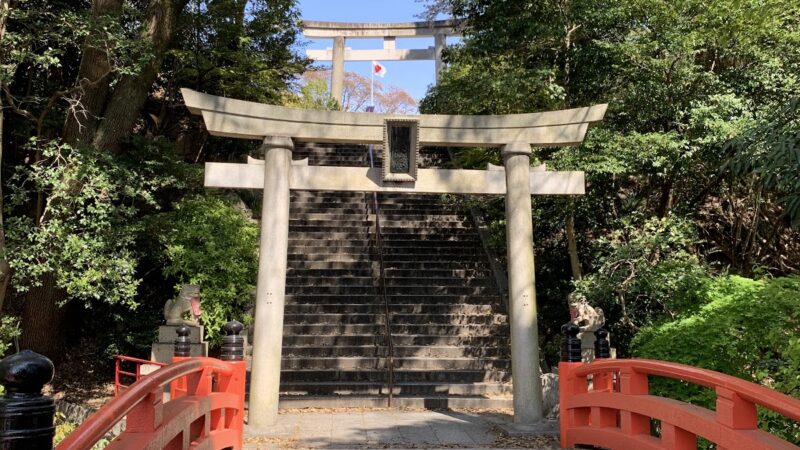
Hakuto Shrine is located south of the entrance to the ancient castle. Entrance to Yuhakutori Shrine, Yuichijo path leading to the ruins of the ancient shrine castle, sign with sign.
The path is flat, the walking distance is approximately 5-10 minutes, and you can reach the main shrine immediately. The castle fort has a walking route within the site, and it is convenient to visit the main monuments. Tour time approximately 30 minutes to 1 hour.
Visitor knowledge
- Wear: Designed walking shoes and Japanese clothing. The ground is wet and slippery after the rain, and I’m extremely cautious.
- Season: Summer clothes are used to carry mosquitoes, winter clothes are used to keep warm.
- Time: Descending the mountain before the fall in Japan.
- Courtesy: If you have any questions about the history of the museum, please contact us.
Seal of Japan’s 100 Great Castles (complete)
A museum of history and folklore attached to the seals of Japan’s 100 greatest castles. Please visit the museum to see the exhibits in the ancient palace and the ancient castle.
Chikute Cuisine History and Folklore Museum
- Opening hours: 9:00 p.m. – 5:00 p.m.
- Closing day: Shuichi (the first day of the first year, the next day), New Year’s holiday
- Gate ticket: No charge
- Site: No. 35, Chikute Takasato Nate, Shinshiro Town
Zhoujian scenic spot
Gusan Castle Ruins
Lushan City is located in Yu Xiaocheng City, approximately 2 kilometers away, and was the residence of the Okuhei clan. The history of the wars in the area was explained in detail by the commander Yusuke, who visited the entire castle and went further into the area.
Longjo Castle Ruins
It was located in Yuxincheng in 1575, the birthplace of the long war. The castle ruins have been reviewed as one of Japan’s 100 most famous castles, and the historical preservation museum provides an exhaustive exhibition.
Isatehara Historical Museum
This is a long list of materials that are included in the museum’s exhibition. A live firework performance was performed in the hall, and the audience understood that it was a historical battle role.
Komiya City’s cultural scene
Takeda Ujijo Pond Construction Technology Research Materials
Komiya Castle is an important historical site for the study of Takeda castle and pond construction techniques. The construction of the ruined earthen castle with stone burial mounds, its construction work, and the complete preservation of defense works such as the castle’s Hewa castle gate, is a treasure trove of castle pond construction techniques from the time of the Empire.
In the words of a Japanese archaeologist and an archaeologist, Komiya Castle is a typical representative of the Takeda clan’s castle and pond construction, and has an extremely high academic world. It is especially important to get one idea, and the design features of Shinji’s city center have been specially designed, and this has been awarded a national commission.
Chengguan local historical and cultural heritage
The ancient castle is an important cultural heritage in the Chikute area, and the history of the country’s history. The actual exhibition has been completed, and the historical scenes of the war in the area have been completed, such as Takeda Shingen and Tokugawa Ieyasu’s conflict, and the Okudaira clan’s activities, as well as the development of a regional history education and travel tour promotion project. The city of Xin, the ancient castle has been designated as an important cultural property, and efforts have been made to protect its progress and use it in a controlled manner. During the periodic delivery and installation of the notice board, the customer understands that the customer is in a remote location.
Earth castle protection policy
Yoishi 猡城塡相ibi, earth castle was easily received, the wind was invaded, and the situation was confirmed. Good value, reasonable conservation management, 450 years after the construction of the ancient palace, it is still perfectly preserved, and is an important standard for the preservation of the castle.
At the same time, we can improve the environment of the land, such as the management of trees, the construction of drainage measures, the construction of scenic walking paths, and the provision of other small measures for protection and management of the land.
overview
Komiya Castle is Ichiza Plain Castle during the war period, built by Yutake Shingen, and served as a base for the invasion of Mikawa. Designed by Shinji, a famous military commander in the castle. However, the period of use of the ancient castle is very short, but the time of its use is short, but its elaborate construction has been honored as “Land City”, and the ruins have been perfectly preserved, and the castle has a high cultural heritage, and has been selected as one of “Japan’s 100 Famous Castles”.
The ruins of the ancient castle site have been revealed, and the architectural features of the Takeda clan fort have been revealed, such as the architectural features of the castle’s main castle, and the elaborate square gate. , Since the departure of the castle, the river has been vertical, and the history of the mission has been a rare one. As you can see, you will be able to visit the Fortress District of New City, where you will be visiting the ancient castle ruins, and you will experience the Takeda clan’s fort construction techniques 450 years ago.
The road leading to the shrine and castle is in good condition, and transportation is convenient. You can also visit the Museum of History and Folklore with the seal of “Japan’s 100 Famous Castles”, and the museum has a detailed explanation of the ancient castles. The history of the castle and fort construction technique was interesting to hear about the history of the castle, and the ancient castle capital was not suitable for the past.