Nihonmatsu Castle Complete Guide | Japan’s 100 Famous Castles Explained: History, Light Points, and Transportation Guide
Nihonmatsu Castle is located in Nihonmatsu City, Fukushima, and is one of Japan’s 100 most famous castles. Also known as `Kasumi Castle'' or `White Flag Castle”, it is a fortress site with important historical significance. Nihonmatsu Castle was first built in 1414, and has a history of over 600 years, and is also the site of the tragic accident of the Nihonmatsu Boy Soldiers during the Boshin War. Nowadays, productions are made, the castle park is opened outside, every spring the sky is full of cherry blossoms, the autumn sky is full of chrysanthemum figures, and other seasonal scenery, attracting more visitors.
Full text introduction, please visit Nihonmatsu Castle to understand everything you need, comprehensive history, and transportation methods beyond the light point.
History of Nihonmatsu Castle
When the country was built
The history of Nihonmatsu Castle began in 1414 (the 21st year of the Choei era), when Mitsayasu Hatakeyama’s residence was from Tajika in Eisai to Mt. Shirahata, which was also named Nihonmatsu Castle. Created by the Hatakeyama clan, Oshu Governor (Oshu Consolidator), has a strong power, and has been in charge of the area for about 170 years.
The era of war has arrived, and Nihonmatsu Castle has been completed, and the Tohoku region has entered the war. In 1586 (Tensho 14), the Hatakeyama clan attacked and destroyed Ida Masamune, and Nihonmatsu Castle was established and divided into Ida clan castles. However, Yuyu’s retainer Hideyoshi Heisada Oshu, Aizu, where the Ida clan went, and the Nihonmatsu area where the Gamo clan lived.
Edited by Mr. Gamo and Mr. Kato
Mr. Gamo is a famous master of Chikujo, and other people have visited Nihonmatsu Castle and made large-scale repairs. Specially, the rock wall below the castle tower was built by the hands of the Gamo clan, and its exquisite technique is now clearly visible.
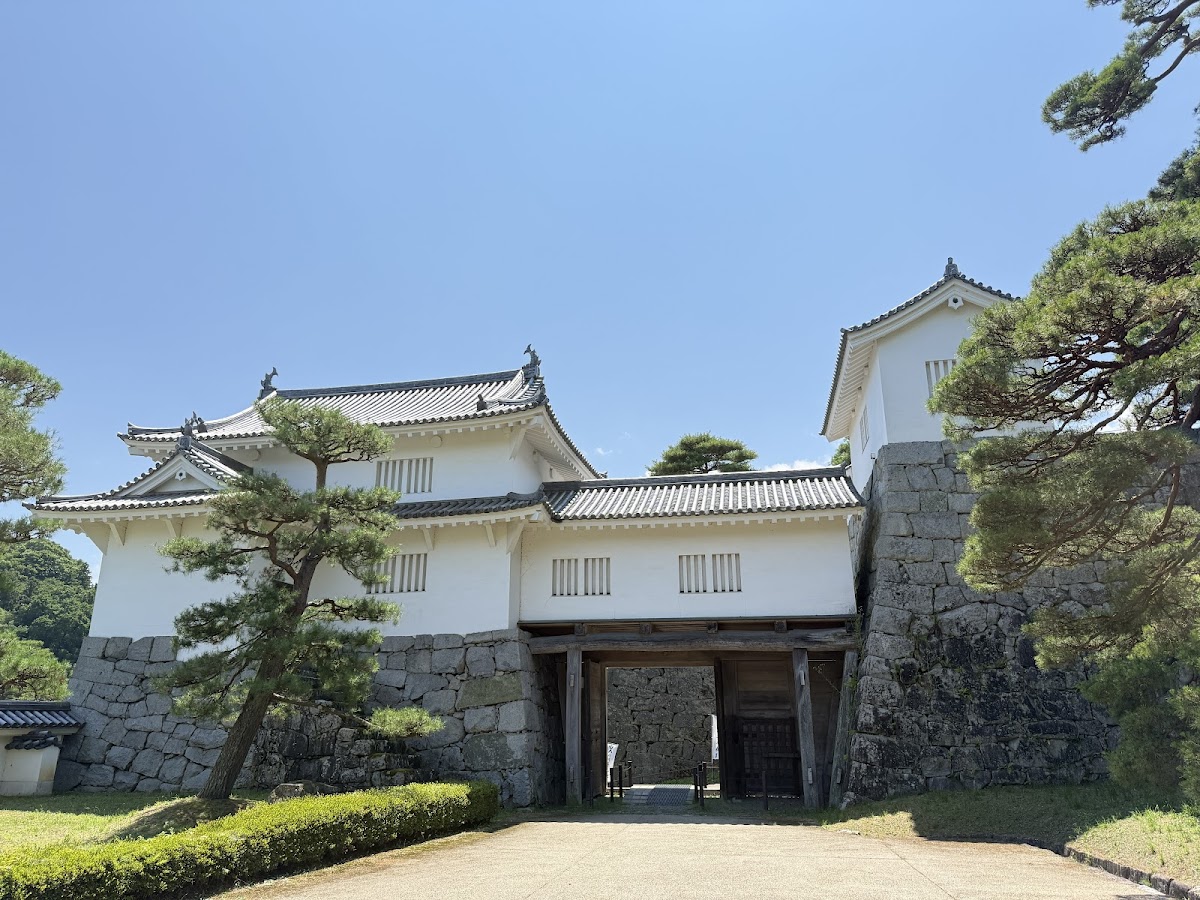
Later, in 1602, Kato became the lord of Nihonmatsu Castle in the Uesugi clan. Kato Yumei is also the number one commander of Chikujo, and he also built the three-tiered castle gate, the gate of the three-tiered castle, and the Waga stone tomb in the surrounding area. A stone tomb built by two famous military commanders, this is the highlight of Nihonmatsu Castle.
Niwa clan era and modern castle fort construction
In 1643, Mitsushige Niwa became the chief lord of the Nihonmatsu domain. Mitsushige Niwa is a high-class vassal of Nobunaga Kita, the son of Chohide Niwa. Niwa Ujisho’s Nihonmatsu Castle was rebuilt and modernized as a fortress, and the construction was completed in one year, and the construction was a grand masterpiece, with an average cost of 100,000 koku (100,000 koku) (the average weight of rice is 100,000 koku).
Exhibition of Nihonmatsu’s long history and its tenth generation, the beginning of the Meiji era, the Nihonmatsu Castle, the residence of the Nihonmatsu castle, and the residence and prosperity of the Nihonmatsu castle. Castle town and history exhibition, Nihonmatsu Chengdu culture and Japanese collection center.
The Tragedy of the Nihonmatsu Boy Soldiers in the Boshin Battle
In 1868 (fourth year of the Euning era), the Boshin War was fought, the Nihonmatsu Domain joined the Oshu Reiban Alliance, and the government established the Yoshine Dynasty and fought against the military. On July 29 of the same year, the new government’s army attacked Nihonmatsu Castle, and both sides engaged in a fierce battle.
During the war, the Nihonmatsu Children’s Troops’ sacrifices were particularly devastating. This was a military unit composed of a number of samurai children, and many soldiers died during the war from 12 to 17 years ago. Among them, the death of Jutaro Kimura (12 years old at the time), the oldest samurai in history, is a tragic story of generations.
After the fierce battle, the fall of Nihonmatsu Castle, the construction of a large number of buildings and the battle. This was the most tragic incident in the history of Nihonmatsu Castle, as it was observed during the Battle of Boshin.
Nihonmatsu Castle from the Meiji era to the new era
In 1872 (5th year of the Meiji era), the Yuyu Castle fortification order was issued, Nihonmatsu Castle was owned and constructed, and its maintenance gate was comprehensively maintained, its attached castle tower was removed, and the capital was closed. The castle fort was once destroyed, but in the late Meiji period, it was opened as a formal park, and many kinds of cherry blossom trees were planted there.
In 1982 (Showa 57), the construction of the gate and its attached castle tower was completed, and the scenery of the shrine was re-visited in the light of old days. In 2007, Nihonmatsu Castle was ranked as one of Japan’s 100 most famous castles. In 2008, the main castle tower and castle tower were built.
At present, the site of Nihonmatsu Castle has been designated as a national historical site, and plans have been made to ensure its continued use and protection.
Special features of Nihonmatsu Castle
Structure of the mountain castle
Nihonmatsu Castle is located in the northern part of the center of Nihonmatsu City, and is a mountain castle with a tiered structure, located at the foot of Mt. A ladder-style fort is a castle and pond that is arranged along a mountain and has a structure that is easy to defend and attack.
The following partial composition of Fort Daichiyu:
- Honmaru: The location of the main castle tower.
- Second Summary: Below the main enclosure.
- Sannomaru: Down below, the gate is located.
- Sky-eye right gate: back gate.
- Yokosaka Prefecture: The residence of the feudal lord.
The bright spot of the famous general Chikuseki Mound
Nihonmatsu Castle’s most famous special expedition was the stone tomb, which was constructed by the famous commander of the Gamo clan and Kato Yumei, who was known for his skill in constructing castle tombs.
High stone burial mound below the Honmaru (Gamou clan)
The north side of the main circle was extended to the east side, and a high stone tomb was built. The height of this stone burial mound is approximately 17 meters, and the technique of building a stone burial mound at the end of the 19th century was exhibited. It has been in operation for more than 400 years, and the natural stone has been used for a long time, and the stone mound is still solid and solid.
Third Castle Tomb (Kato Yoshiaki)
The third castle in the building was built by Kato Yumei. This is the advancement of the technique of “uchikomi-tsugi” (uchikomi-tsugi), which is used for small stone walls, and is the advancement of the technology of the castle walls of the Higamo clan. In the course of the process, the surface of the stone before being deposited is progressively processed, and the structure is solid.
It is a double road stone burial ground at the same time, which is one of the great highlights of Nihonmatsu Castle.
After repair, the gate and attached fire pit
The gate and its attached fire station were repaired in 1982, and the main defense work was carried out at the entrance to the Third City. The tall stone tombs on both sides of the castle gate are now on display, and the castle fort’s majestic monument is on display.
The gate is a rectangular entrance with a square entrance, and its interior is designed to protect against foreign invasion. During the repair process, the artisans can refer to the ancient Japanese paper, and the original appearance of the faithful place can be exhausted.
Main castle tower after heavy construction
The main castle tower was established in 2008, and the location of Iyuhara Castle Tower was established in 2008. It was decided that Nihonmatsu Castle would have one seat and five layers of the castle tower, but the details would be recorded without any consideration.
A panoramic view of Nihonmatsu City from the current main castle tower, a clear view of Hikori, and a magnificent view of the towers of Layama and Azumayama. An alternative name for Nihonmatsu Castle is “Kajo”.
Nihonmatsu Castle Ryoten
Nihonmatsu Children’s Soldiers Memorial Monument
Statue of the Yuichi troupe in Kajo Park, a memorial to the Nihonmatsu Boy’s Troops, which were a part of the military during the Boshin War. The Sculpture Statue was completed on July 28, 1996 by Yuji, a resident of Honmatsu City, and created by the sculptor Kentaro Hisumoto.
The heroic battles of the boy soldiers, the tragic and tragic sacrifices, and the suicide of the people of Nihonmatsu are commemorated every year. The memorial monument is an unprecedented scenic spot when visiting Nihonmatsu Castle.
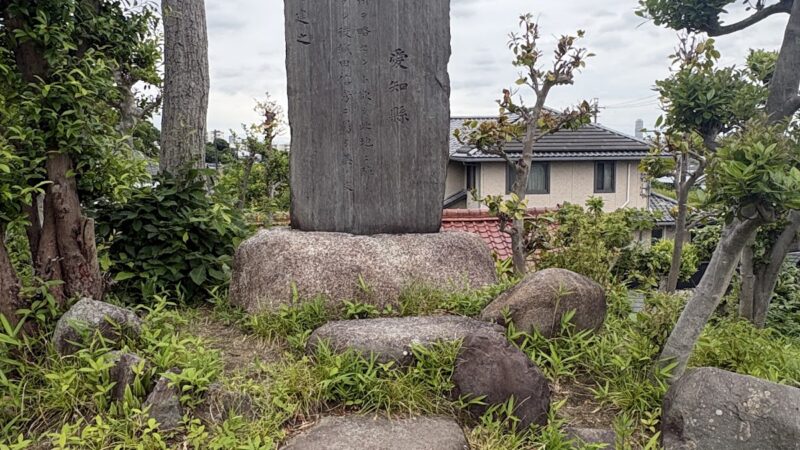
Hara-Nihonmatsu Clan Monument
The words of the original Nihonmatsu domain are located on the stone monument below Nihonmatsu Castle. Inscription photography: “Rouroku Rumin Yushi, Min Yi Deception, Heavenly Death”, the path of monarchical rule is manifested.
The stone monument inscribed here has been preserved to this day, and its work symbolizes the good governance of the Nihonmatsu domain.
Hikagei
Hikage Well, near the castle tower, is an important water source for Nihonmatsu Castle. The water source is very important, and the water source is very important. Ibuka is about 15 meters long, and I’ve been drinking water ever since.
Chieko’s Shifuji
Nihonmatsu is the late author of Kotaro Takamura’s wife and daughter Chieko. In Kasinojo Park, there is a famous Shiji wisteria called “Thousand Keiko’s Shishi wisteria”, which opens every May and wins a beautiful victory. This is the memory of Chieko’s love and Nihonmatsu Mikage’s death.
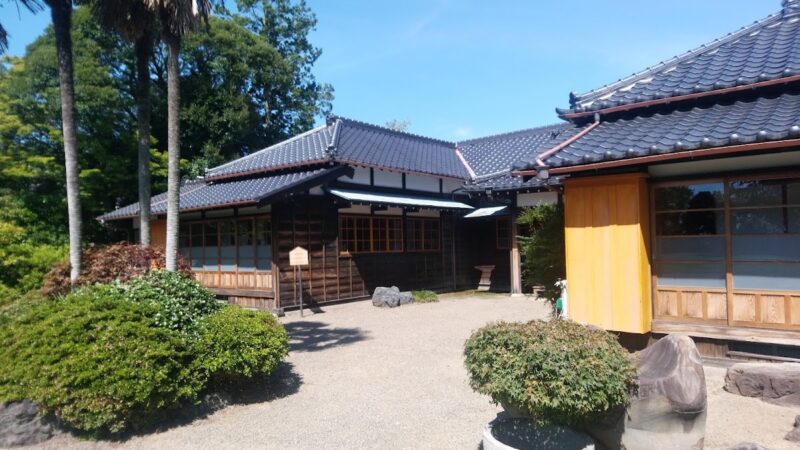
Zenshintei Japanese Tea Room
In the park, there is a famous tea room called Zenxin Pavilion, where you can find matcha tea. In Ning, there is a static castle fortress, which has a different taste.
Nihonmatsu Castle Four Seasons Beautiful Views
Spring: Famous Victories
Nihonmatsu Castle is one of the most famous places on the island. Approximately 2,500 Yoshino oak trees have been planted in the park, and are in full bloom in mid-to-late April every year.
The view from the castle tower is particularly spectacular; the castle ruins, Nihonmatsu City and far-flung mountains, the city’s cherry blossoms, and beautiful scenery. At night, the light of the castle fort lights up, and the sight of a lost man under the curtain is full of beauties.
Autumn: Nihonmatsu Chrysanthemum Festival
The autumn season of Nihonmatsu Castle is inseparable from the “Nihonmatsu Kikujin Festival”. This activity started in 1955, started in October, started in November, and has now completed 70 years.
The Chrysanthemum figure is in the Xiacheng Park, and since the exhibition has been completed, the Chrysanthemum figure has been sculpted in a variety of colors, and the Chrysanthemum figure has been decorated with thousands of chrysanthemum flowers. The chrysanthemum figurines, the autumn leaves of the Japanese castle ruins, and the beautiful scenery of autumn in Japan.
Winter: Shirayuki Gogo’s Nihonmatsu Castle Ruins
In winter, Nihonmatsu Castle is covered with white snow, presenting a calm and peaceful scenery. When the snow was covered, the stone wall was covered with stone, and the winter weather was cold, and the Buddha was in the middle of winter. At this time, the number of visitors was small, and it was the best time in history to experience serenity.
Zhoujian scenic spot
Eirokuji Temple
Eirokuji Temple is a short walk from Nihonmatsu Castle, and is the family temple of the Niwa clan, the lord of the Nihonmatsu Domain. The mausoleum of the lord of the Nihonmatsu clan in Terauchi’s funeral, an important site in the history of the Nihonmatsu clan.
Kundong Temple
Kantoji Temple is the location of the tomb of Nihonmatsu Children’s Soldiers in the 1990s, including Jutaro Kimura’s grave. The production is an important historic site in the tragic drama of the Battle of Boshin, and many visitors have been attracted to the work.
Koshidai Moka
This is a giant red spider lily in Nihonmatsu City, which has been around for about 400 years, and has been designated as a National Natural Treasure. During the flowering period of Yuyu and Nihonmatsu Castle, the maple flowers were not the same, and the construction of the castle was strong and the capital was gone.
Mt. Adachitara
From the distance of Nihonmatsu Castle, you can see Mt. Tara, which is actually one of Japan’s 100 famous mountains. The beautiful mountain peaks in the 《Thousand Keiko Books》 are honored as “true heavens”, providing an opportunity for walking while sitting and looking at the car.
Activity information
70th Notification Nihonmatsu Kikuto Juju
Nihonmatsu Kikujin event runs from October to November every year, making it the biggest event in Nihonmatsu Castle. At the time of delivery, there were approximately 50,000 chrysanthemums on display, beautiful and beautiful Chrysanthemum puppet generals, and the current historical scene, attracting a lot of visitors.
Oshiroyama City Collection (every month, 4th quarter, 6th week, 3rd day)
The 4th and 6th quarter of every month in Kasei Park, the daily urban event “Dashiroyama City Collection”. The city has a collection of local specialties, handicrafts, Japanese gastronomy, visitor opportunities, and local residents’ interaction. Man walking through Nihonmatsu Castle ruins, the unique charm of Nihonmatsu.
Nihonmatsu Lantern Festival
The Nihonmatsu lanterns are used for the first time in October every year, and this is a 300-year-old historical event. At the time of delivery, the Nanami Taiko Flower Carriage with 300 lanterns and 300 lanterns was touring on the Nihonmatsu road. Nihonmatsu Castle is surrounded by a wide range of surroundings, and the weather is very strong.
Transportation information
Transportation method
Fire vehicle transportation
- Travel time: 20 minutes from JR East Main Line Nihonmatsu Station
- About 5 minutes from the Nihonmatsu Station
Self-indulgence
- Approximately 5 minutes from the Nihonmatsu IC exit of the East North Expressway
- Parking: Kasei Park Park (free of charge, approximately 200 cars)
Hashi Kotsu
- Fukujima traffic officer sitting at Nihonmatsu station, immediately available after getting off at “Kajo” station
Collection point of Japan’s 100 most famous castles
Nihonmatsu Castle has been recognized as one of Japan’s 100 most famous castles, and has been visited by many visitors. Two locations below the seal:
- JR Nihonmatsu Station Light Information Center
- Opening hours: 9:00 am – 5:00 pm
- Open all year round (excluding New Year holidays)
- Nihonmatsu Castle Information Center (Nihonmatsu City History Museum Building 1)
- Opening hours: 9:00 am – 5:00 pm
- Rest day: Zhou 2 (the second day of Zhou, the next day of the second year), New Year holidays
*Note: The original location of the seal was Nihonmatsu City Museum of History, the name of the museum, and the current location. Latest news about where you are now.
Visitor knowledge
- Gate vote: Discount (Xiacheng Park)
- Opening time: 24 hours (no lighting at night)
- Accounting time: Approximately 1-2 hours
- Recommended tour route: Parking area → Minato gate → Sannomaru → Ninomaru → Honmaru → Tenshudai → Shonen Memorial Monument
Nihonmatsu Castle’s protection and protection
Nihonmatsu Castle site protection and utilization plan
To promote the rational protection and use of the Nihonmatsu Castle site, Nihonmatsu City has been established. After the investigation, we decided to protect the stone burial ground, manage the vegetation cover, and develop the archaeological excavation.
Fukushima Sea Earthquake Creation Destruction and Correction
From 2021 to 2022, the earthquake near Fukushima in Kyoto has completed the construction of a high-rise stone tomb on the west side of Nihonmatsu Castle. At present, the construction of the building, the construction of the building, the construction of the building, and the construction method are in progress.
The latest information on repair work is regularly updated on the Nihonmatsu City government station, and the progress of the process is convenient for citizens to monitor.
Archaeological excavation work progress
The archaeological excavation work at the Nihonmatsu Castle ruins continues to progress, and new developments continue. In the past, the Department of Archeology has been conducting field reviews, and the research results have been brought to the attention of citizens who love Japanese history.
The following research results are available for further details: the historical history of Nihonmatsu Castle, and the future development of the general.
Visitor knowledge
Clothing and accessories
Yuyu Nihonmatsu Castle is one mountain castle, how to plan for climbing to the castle tower, and the shoes you choose are indispensable. After the rain, the demand for it is small, so the stone wall can be wetted.
- Optional walking shoes (driving shoes or mountain climbing shoes)
- Drinking water (in the summer)
- Hat Japanese anti-bleaching frost (partial area shielding)
- Aikeki (a scenic and beautiful viewing point in the castle)
- Mosquito (summer)
Recommended spot
- The castle gate and the attached castle tower: After the renovation, the castle gate and the castle tower were completed and beautiful.
- Tenjyo Viewing Platform: A bird’s-eye view of Nihonmatsu City and Mt. Anda Tarayama.
- The high stone burial mound below the tower gate: The stone burial mound of the 气势恢宏, the exhibition of Gamo Uji’s fine technique.
- Nihonmatsu Children’s Soldiers Memorial Monument: It is especially beautiful when the Japanese maple flower and leaves are in full bloom.
- Looking up at the entrance to the castle tower: Looking up at the entrance to the castle gives a deep impression on the people.
Best time to explore
- 樱花season (mid-to-late April): The hottest travel season, the preparation for the most popular season.
- Green intention season (May): Chieko’s purple wisteria blooms, Tenki Gijin.
- Chrysanthemum Festival (October-November): Chrysanthemum Autumn Beauty.
- Red leaves season (late October-early November): Colorful red leaves and old stone walls are compatible with each other, and beauty is not won.
- Weekdays and clearing days: Recommendations for leisurely tours.
Local gastronomy information
Nihonmatsu City is also home to the local sake brewery, the city’s Arita family sake brewery. You can enjoy the local delicacies of Nihonmatsu and enjoy the special dishes of Japan’s Fukushima Island.
- Nihonmatsu local sake: Examples include “Okunomatsu” and “Hinoki-ya”.
- Cold Food:Nihonmatsu’s cold food.
- Wanmu-myeon: Wanmu-myeon, which is made from local Wongwheat flour.
- Fukushima beef: High quality Japanese beef.
We are here to visit the Nihonmatsu Castle Ruins, a local restaurant near the Nihonmatsu Station, and a selection of local delicacies.
overview
The history of Nihonmatsu Castle has been over 600 years, and this is the history of Nihonmatsu Castle. This is a perfect combination of exquisite stonemasonry techniques, the tragic drama of the Boshin War, and the natural beauty of the changing seasons. This book has been reviewed as one of Japan’s top 100 famous castles, and is a must-see for history lovers, as well as an ideal destination for nature lovers and film lovers.
Nowadays, the site of Nihonmatsu Castle is now open and the Xiacheng Park is open, free of charge, and convenient for transportation. It takes about 20 minutes to walk to Nihonmatsu Station, and the geographical location is excellent, which is also a great point.
An image of one place, a beautiful and beautiful stone sculpture, one place to see the tragic history of the Nihonmatsu Children’s Army; one place to view the castle tower and see Mt. Tara, and experience the harmonious coexistence of nature and the history of the Nihonmatsu Castle. As soon as you arrive at Fu Island, you won’t need 10 million yen.
The Nihonmatsu City Government Office provides the latest information on the Nihonmatsu Castle ruins and archaeological excavations, and is regularly updated. Since the beginning of the Heisei Era, plans have been established for the use of protection measures in the Reiwa era, and Nihonmatsu Castle’s general administration has been determined to ensure thorough security measures.