Fukushima Castle completion guide: history, structure, history and sightseeing points explanation
Is this Fukushima Castle? : Presence like a castle fortress
“Fukushima Castle” is one of the most unique castles in Japanese history. The troupe is located at Fukushima Castle in Fukushima City, Oobu District, Fukushima City, and the troupe is located at Fukushima Castle in Etsugo District, Joetsu City, Niigata. This fort is the plains fort, which played an important role in the early modern capital, each with its own unique historical background and characteristics.
Full details of the main text: Fukushima Castle, comprehensive construction history, castle fortifications, historical history, and current sightseeing spots. Information provided by interesting people who love the history of the castle and the local area.
Fukushima City Fukushima City: General information and location
Basic information and geography special expedition
Fukushima City, Fukushima Castle is located in the Shinobu District of Oku Province, a flat castle fortress located in the area of Fukushima City. The seat of Fudai’s government is the site of Yuanyuan City Fortress, and the surrounding area of the government’s seat of Fudai is the same as the city’s fort. The Abukuma River and the Arakawa River separated from each other, flowing eastward and southward, forming natural defenses, and forming the outer castle river.
The land is completely flat, Fukushima Castle is well used, the land is used wisely, defense work has been completed, and the area is the center of politics and peace in the county. Yes, it is an important fort in the center of Fukushima City.
Alternative name and name change
Fukushima Castle has had many different names in its history. Before the time of the war, Shunya also called Daibutsu Castle Wasugime Castle. Its name is Xinyuan Yucheng Fort’s geographical location and surrounding place names.
The name “Fukushima Castle” was changed when Kimura lived there. Please note that the name of the castle was changed to the name of the current castle fort.
Fushima Castle, Fushima City: Prehistoric history and construction process
Shinobu County in the Age of War
The area where Fukushima Castle was located was known as Yunin District during the war, and was a key strategic location for military exchanges between the two clans. During the time of Sugime Castle, the area was observed only in a small area.
In 1590, after the invasion of Odawara by the vassal Hideyoshi, the Tohoku region was closed and a major political change occurred. During this period, Masamune Ida was appointed to the Iwate Mountains, and the Gamo clan was suspended from Aizu.
Oshu Wakin Yoki Village and Kiyoiri Castle
In 1591, the vassal Hideyoshi’s “Oshu Peace” was established, and a regional control system was established. The Gamo clan’s guest general, Kimura Kiyoshi, first entered Omori Castle, but later came to his residence at Sugime Castle.
At this time, Kiyomasa Kimura changed the castle name to “Fukushima Castle”. This is not a change in name, but it is a new form of the current castle fort. This is a powerful and powerful theory, and this effect is effective for the Gamo clan’s general Aizu Kurokawa Castle and Aizu Wakamatsu Castle’s law.
Mr. Uesugi to Mr. Ida
In 1598, after the arrival of Uesugi Keiten, Fukushima Castle was appointed as its successor. However, in 1600, after the conquest of Kanbara, the Uesugi clan was transferred to Aizu, and the Gamo clan returned to power.
Later, in 1627, the Kato clan entered Aizu, and in 1643, the Matsudaira clan (Hoshina clan) was subdued. During this period, Fukushima Castle was constructed and the Aizu domain was divided into a branch of the castle and the Waninobu district was established. ### Fukushima clan’s establishment and its production and functions of the clan’s political machine
In 1643, the descendants of Honda Tadayoshi entered Fukushima and officially established the Fukushima domain. Fukushima Castle is the political and administrative center of the Fukushima clan.
Later, in 1682, the Horita clan was expelled from the Fukushima domain, and in 1700, the Itaku clan was also expelled. At the end of the Edo period, when the Fukushima clan was established, Fukushima Castle was an important influence in the establishment of the domain’s political machinery.
Fushima City, Fushima City: Department of Construction and Clothing
Features of Hirahara Castle
Fukushima Castle is a typical plains castle, and its defense system is based on the castle’s Hewa land quality fortifications, and the mountainous castle’s height difference. The flow of the Fukushima Castle eastward and southward from the Abukuma River and the Arakawa River, the formation of the natural outer castle river, the use of the Fukushima Castle’s land was flat, and the defense ability was strong.
Cloth station Yoshiroikefu station
The layout of Fukushima Castle is a typical early modern castle fort structure, with the castle tower centered on the main gate, and the distribution of two and three castle ponds. Currently Fu Island is the seat of the government, the original castle tower is located, and the surrounding area is a samurai residence and Japanese commercial district.
The fortress area is approximately 500 meters long in the east, north and south 700 meters, and is a medium-sized city fortress in the east. Each layer of the castle is separated from the pond by the castle and the land, and its bureau is established and the administrative power of the domain and country is established. ### Defense construction Yohikata process
The main defense work for Fukushima Castle is Hijikata’s construction process. The use of stone forts in Yokunpai is different, and the construction of forts centered on local construction is the usual special expedition for forts in the eastern region.
The construction of the earthworks was several meters high, and the construction of the castle tower and tower was completed. The river is pulled by the Abukuma River, the water level is constant, and the defense ability is increased.
Fukushima Castle, Fukushima City: Changes since the Meiji era
Removal of castle fort structure
After the Meiji period, the feudal domain was established, and the Fukushima domain was abolished in 1871 (Meiji 4), and Fukushima Castle was established. Nemoto’s Meiji government policy, fortifications and capitals were removed all over the country, and Fukushima Castle was an exception.
The construction of the fort was removed, the city river was covered with flat land, the land was taken out by private individuals, and the land was taken out by government. During this time, the original appearance of the castle fort completely disappeared.
Current status of the government’s construction and fortifications in Fushima
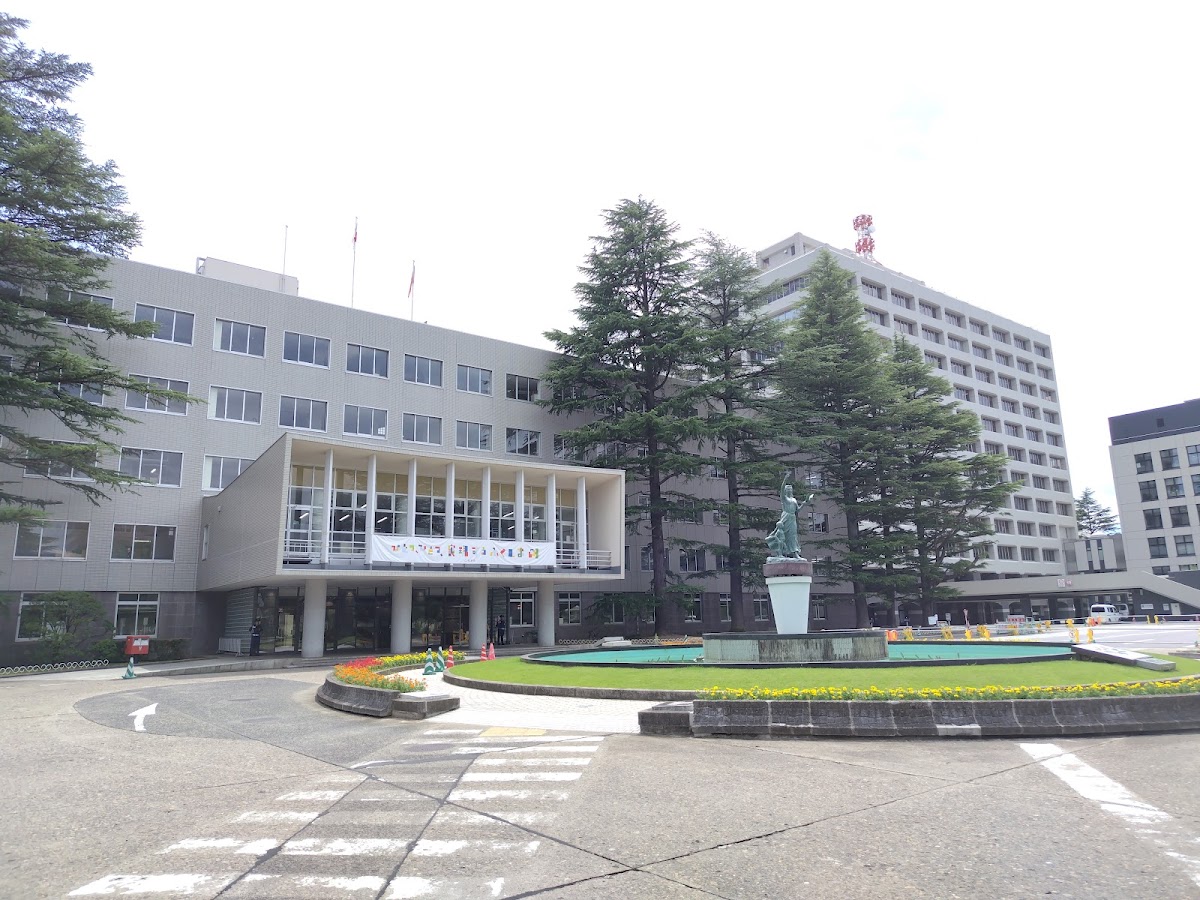
In 1876 (Meiji 9), Fukushima was established, and the government tower was built and the castle tower of Fukushima Castle was abandoned. This is the center of government administration.
At present, the Fudai government and its surrounding authorities have laid down most of the city’s ruins, and the city’s fortress is now a model of ancient times. However, during the construction of the Nawa Road in this area, we were able to arrive at the castle fort.
Fushima Castle, Fushima City: Existing Legacy
Current Hijikata process
The most important legacy of Fukushima Castle is the partial Hijikata project after the Fukushima government**. This is a small portion of Hijikata’s construction work for the defense of Fukushima Castle, and it is also the real treasure of Fukushima Castle’s existence.
The current height of Hijikata’s process is approximately 2-3 meters, and it has been estimated that it can be traced back to ancient Japan. However, due to the construction of the area around Yuyu, the area was changed by the development of the area, and its original form was completely preserved.
Traces of place name Wajo Castle Town Center
Unfortunately, Fukushima Castle’s original location was not cleared, but the surrounding area remained in Nawa Castle’s headquarters, and there are traces from the castle town era. The structure of Ryofukujima castle town reflects place names such as “Oyama”, “Omachi”, and “Kamimachi”.
In addition to this, the road layout and the shape of the area are traces of the construction work of Hijikata Castle, Kawawa and Hijikata. Since then, I have been able to imagine what Fukushima Castle looked like in its heyday.
Archaeological excavations and excavated artifacts
In recent years, heavy construction and archaeological excavation work have been carried out in the surrounding areas of the government. The small excavations excavated the city river, the construction process, the pottery and other cultural relics, and the history of the construction of Fukushima Castle and the lifestyle of the residents at that time.
Excavated ceramics include Hizen porcelain ware and Japanese porcelain/Meihou porcelain, which was confirmed to be in an important position in the circulation network during the Edo period in Fukushima Castle.
Fukushima Castle, Joetsu City, Niigata: Overview and construction background
New base in Vietnam
Fukushima Castle in Joetsu City, Niigata Prefecture, was built in 1607 (1607) by Hideharu Hori and his son Tadatoshi Hori. Currently located near Kojo Elementary School (2-chome, Minato-cho, Joetsu City).
The castle fort was covered by the new capital of the post-Vietnam region, and Kasugayama Castle was fused with the functions of a castle town and the capital of the post-Vietnam region in the medieval period. Yuyu Jianyu on the plains, it is not designed to be strong, it is also functional, and it is also functional at the entrance of the port.
The Hori clan was established in the Etsu region and the capital of Kasugayama Castle.
In 1598, Uesugi was appointed as the lord of Kasugayama Castle, written by Hori Hideharu. Since the beginning of the Hori clan, Kasugayama Castle has been the center of consolidating the country after the Etsu. However, the construction of Ichiza Yamashiro and Kasugayama Castle was the center of early modern construction and construction, which was inconvenient, and the Inkobori family planned the capital in a flat area.
Chief vassal Hori Kanemitsu Naoto’s influence
The chief vassal of the Yoshihori clan, Naomasa Hori Kanemitsu, who built Fukushima Castle. When installed, Naomasa general Fukushima Castle was designed and fully utilized to make full use of its capabilities as a functional flatland fort at the mouth of the port.
Fushima Castle is located in the Sea of Japan geographical location and is located in Chengdu maritime transportation hub. The appearance of an early modern castle fort has changed color to the original military fortification, which has been transformed into a trading center.
Fukushima Castle, Joetsu City, Niigata Prefecture: Summary
Comparison of the country’s fortress in Vietnam
Fukushima Castle is one of the most famous forts in Hong Kong, and it is a fort that is unique in Vietnam. It is a complete early modern castle fort with a castle tower, two walls and three walls, and its size reflects the importance of Vietnam.
The east and west length of the city is approximately 600 meters, the distance from north and south is approximately 800 meters, and the construction of the castle in Hewa and the land quality of Yuhong. The construction of the fort, the castle tower, the tower, etc., left an impressive impression on the emperor, and the residence of many feudal lords.
Yokoguchi functional fusion
The most important feature of Fukushima Castle is that it has been carefully designed and has the functions of the port. Its geographical location near the Sea of Japan, the construction of the castle town, the construction of the port entrance, and the establishment of the maritime transport center.
We are promoting the development of the international military affairs department in Vietnam. Let’s take a look at the early modern castle forts and explore their primary predecessors.
Fukushima Castle, Joetsu City, Niigata Prefecture: Immediately built after 7 years of construction
Appointed by Tadateru Matsudaira and built Yotakada Castle
In 1609, Tokugawa Ieyasu’s sixth son, Matsudaira Tadateru, was appointed lord of the post-Etsu province. Tadateru’s wife was Masamune Ida’s wife, Goro’s wife, and she was a member of the Tokugawa family.
Zhongzhao decided to build a new castle in the post-Vietnam country: Takada Castle, Jifei Fukushima Castle, operational base for production. Takada Castle is a fortress that is located in the depths of the country and serves as a strategic transportation hub.
Reasonable causes and background
In 1614 (19th year of the Emperor’s reign), after the construction of Takada Castle, the use of Fukushima Castle was completed and the construction was completed in 7 years. Possible causes of rapid development:
At the tip of the neck, Takada Castle’s strategic position was further advanced. Then, people recognized that the political center was changing, and at the same time, the port function of Fukushima City was retained, and the administrative system was established and revised. Third, Matsudaira Tadateru or his will was to build his own fort and succeed in its success.
After the construction of Fukushima Castle, its construction was removed, and the construction materials were used for the construction of Takada Castle.
Fukushima Castle, Niigata Joetsu City: history and current situation
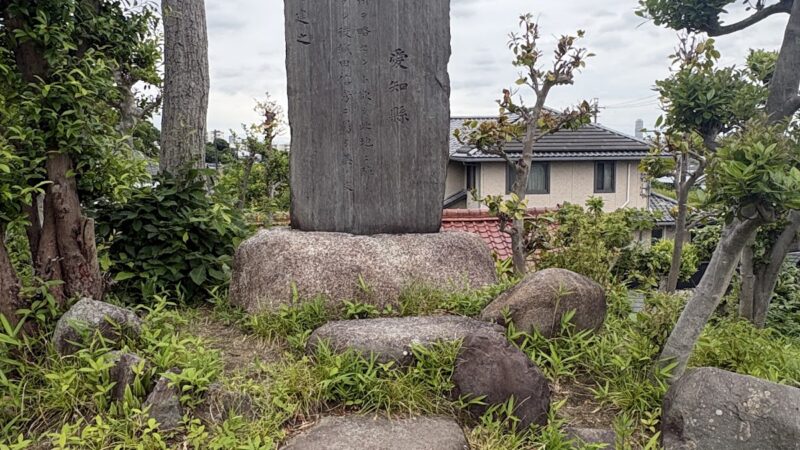
Fukushima Castle ruins
Fukushima Castle is currently located near Minato-cho, Joetsu City. The name of the elementary school of the ancient city was announced, and the fortress of the castle was established.
Unfortunately, most of the castle forts disappeared, and the city turned into a city. In addition to this, place names such as `Old Castle'' and `Shiroyama” still exist, and the name of the castle is still there, and the name of the place still stands out.
Fukushima Castle Museum and Exhibitions
Joetsu City’s Fukushima Castle Museum exhibits a series of exhibits that show the history of Yofukushima Castle. Cultural relics unearthed through archeological excavations, a model of the original fort of the Japanese fort, visitors can understand the appearance of Fukushima Castle in its heyday.
The details of the museum are as follows: The Hori clan established the post-Vietnamese country, and later Tadateru Matsudaira built Takada Castle, and the envoys were established.It is an important site in the early modern history of the post-Vietnamese country.
Archaeological excavation results
Recent archaeological excavations have confirmed the foundational monuments of Fushima Castle’s construction in Kawa. This is a detailed study of the research team and the detailed structure of the fort without any legal knowledge.
However, it is important to note that it is a long time ago that we should be able to arrange a port and exit, and that it is not a military base.
History of Fukushima Boza Castle
Reflecting early modern castle policy
Fukushima Biza Castle, one seat from Fukushima City, one seat from Niigata and Joetsu City, important examples of early modern castle policy that reflected the city. For example, there was a change in the time of the conquest of the elephants, a change in the mountains and plains of the city during the time of the war, and a change in the functions of the military base and the political organization.
The city utilizes the natural river flow, the construction of the castle river, its design integration completes the construction of artificial castle rivers, and the development of a typical plains castle special expedition.
Work area control center
Fushima City (Fukushima City) is the administrative center of the Fushima clan (comprehensive county), and has a central effect on the area control system. On the other hand, the existence of Fukushima Castle (Ii Niigata Castle), the capital of the country, was very short after the construction, and its merits were quickly replaced by Takada Castle.
This is a small example of how the history of the treasure that I have provided to you has been established, so that I can understand how early modern daimyo chose to use the fort as a citadel.
Influences on the formation of the castle town
Written and edited by Ryoaki, who created a castle town in each city. From the central area of Fushima City, the foundations of Fushima Castle Town originated, and its influence is still in progress as a city.
Although the existence of Fukushima Castle in Joetsu City was short, it had a constant influence on the formation of Takada Castle Town after its establishment.
Fukushima Castle Visitor Guide
Fushima City Fushima City Fushima Castle Ruins Transportation Guide
Point: Sugisuma-cho, Fushima City, Fushima City (near Fushima Government Building)
Transportation method:
- Travel time approximately 15 minutes from JR Fukushima Station
- You can get there immediately after you get off the bus from the “Yuan Government Office Building” station, located at Fu Island Traffic Bureau.
- Approximately 15 minutes by car from Fudai West IC on the North East Expressway
Notes for viewing:
- Fujiao government government building back view local engineering history
- Imagining the ancient scenery of the city’s capital, Hezhou Town
- Be careful, the government building is located on the site of Yuhara Castle Tower.
Niigata Joetsu City Fukushima Castle Ruins Transportation Guide
Point: 2-chome Niigata, Minato-cho, Joetsu City (near Kojo Elementary School)
traffic:
- Approximately 10 minutes by car from Myoko Haba Line Naoetsu Station after leaving Vietnam
- 20 minutes by car from China Expressway IC
Playing point:
- History of Zaifukushima Castle Museum
- Imagination of the topography of the surrounding city of Gucheng Elementary School and the model of the castle fort.
- Sensitive geographical location near the Sea of Japan
Zhoukan Xiangguan History Museum
Fukushima City Shukan:
- Omori Castle Ruins: Yoshiki Kimura’s first resident castle
- Mt. Oshi: A symbol of Fukushima City, it is also a mountain with an eternal history.
Joetsu City Shukan:
- Kasugayama Castle Ruins: Uesugi family address information
- Takada Castle Ruins: Matsudaira Tadateru’s castle fort built after the arrival of Fukushima Castle
- Kasugayama Castle Ruins History Museum: Understanding Uesugi Clan Kawahori Clan Historical Site
Overview: Fukushima Castle History of Japanese Castle Fortress
The title of the fort was Fukushima Castle, which had a different historical background and different regions, and was an example of Japan’s conquest of early modern castle forts.
Fushima City is located in Fushima City, and from the time of the war to the river, it is the local control point, and the foundation of Fushima City is now the foundation of Fushima City. Fukushima Castle in Joetsu City, Niigata, Japan, was built for the first time, and was the capital city of the post-Vietnamese country.The city’s existence lasted only seven years, and new possibilities emerged as a castle fort in the early modern period.
The vast majority of the castle forts in question have existed for a long time, but we still have the remains of the construction process, the results of archaeological excavation, and the remains of the castle’s headquarters, etc., and the imaginary remains of ancient times. Please take a look at the site of the castle fortress, which is an opportunity to purchase the original treasure of the Japanese history.
As a lover of castle forts in the early modern period, the castle forts in the early modern period were characterized by their diversity and regional characteristics. In addition, there are interesting stories about the history of the Chinese and Chinese people, and the historical origins of Fukushima Castle provide an important link.