Is this water castle? An explanation of its history, a summary of its history | One of the greatest defense works in ancient Japan
Is this water castle?
Ancient defense construction work between Mizushiro and Kasuga City, Dazaifu City. This huge earthen fort built in the 7th century is one of the largest civil engineering projects in ancient Japan, with a total length of 1.2 km, a base width of 80 meters, and a height of 10 meters.
The origin of the name “Water City” is its unique structure. However, the defense ability of the castle river is not increased, and the defense ability is also important. In front of Mizuki, it was designated as a national special historical site, and it was a historical site where military equipment was developed, and ancient Japanese defense techniques were exhibited at international events.
Mizuki Castle Basic Information
- Point: Fukujima Dazaifu City, Kasuga City
- Construction date: Kōgen 664 (Third year of Emperor Tenji’s reign)
- Total length: Approximately 1.2 km
- Altitude: Approximately 10 meters (at the time)
- Degree: Bottom approximately 80 meters
- Designated use: National special hall history (designated in 1953)
Historical background of Mizuki Castle construction
The Battle of Shirae and the Japanese Crisis
The Mizuki Castle was built in 663 during the Battle of Baijiang. During the current military role, Japan’s 100 military forces were disastrously defeated in the Tang Dynasty. In this place, the lost envoy arrived at the Japanese government and invaded Tang Xinluo.
The defeat of Shirajiang was a failure on a scale that had occurred during the wars in foreign countries in the history of Japan, putting the nation in danger and threatening its survival. The Imperial Household’s rapid start-up of the defense system and the construction of the Mizuki Castle are one of the most important measures.
Emperor Tenji’s defense policy
After the Battle of Hakue, Emperor Tenji promoted an aggressive defense policy. In 664, while in other provinces, Ikiwa and Tsukushi Sanchi were built as sentries (guards in advance) and Japanese flag towers were built, and in 665 they were rebuilt as Asahi-style mountain castles – Ono Castle.
Mizuki Castle was located along the front line with minor defensive construction, and the defense line was located at the rear of Dazaifu. Ono Castle was built in Lushan District, and Mizuki Castle was designed to be the first defense line on the plains.
Dazaifu defensive key
Dazaifu was the most important center of diplomatic peace and defense in ancient Japan. It is the gateway to exchange between China and China, and is also the administrative center of the Kyushu region. The Mizuki Castle was protected by Dazaifu, and the Hakata Bay area was invaded by construction and defensive works.
Mizuki Castle’s geographical location has important strategic implications. After construction, the narrow area between the Mikasa River and the Wagyu Kubi River was completely blocked, and the main road leading to Dazaifu and Hakata Bay was completely blocked.
Mizuki castle construction technology
Hijikata engineering structure
Mizuki Castle’s earthworks are not easy to use, and the construction of advanced civil engineering engineering techniques has been completed. Archaeological excavation mission completed as follows:
Basic structure:
- Fixed base for opening ground
- Clay construction method for pottery, quick replacement clay Wasako
- Strength of fused wood during local process
Hijikata process horizontal cut surface structure:
Hijikata’s horizontal-cut planes are shaped like ladders, one side of Hakata Bay (northwest side), one side of Hakata Bay (northwest side), one side of Dazaifu (east south side), one side of the land. These types of designs can be used to prevent existing effective forces from attacking, and also to act as effective allies.
护城川统
Mizuki Castle’s most famous special expedition was the river on the side. In fact, it is located on one side of Hakata Bay, with a total area of 60 meters and a total area of 4 meters.
Abilities below:
- Physical barrier: Obstruction by enemy
- Hill hardening: Foundation for fixing earthworks
- Water source guarantee: Water source for use during defense period
- Visibility guarantee: Early arrival of enemy movement
The water level of the Mikasa River comes from the water source of the Mikasa River, and it is designed to ensure that the water level is constant.
Wood control system
Wooden control road for earthwork construction in Mizuki Castle. This is the perfect defense system since the Mikasagawa water gate, the water flow that guaranteed the peace period, and the water barrier during the war.
In 1962, the excavated wood control pipe was a large wood pipe with a diameter of approximately 2 meters, and was considered an important cultural object in advanced civil engineering engineering technology at the time of construction. Right now, you can see the exhibition in Dazaifu, where you can see part of the water canal.
Building water conduits activities
The demand for construction of water conduits consumes a large amount of manpower. 《Japanese Book》 Record, August 664, “Tsukushi Chikuchiku Daike Water Storage, Famous Water Channel.”
The number of researchers and engineers spent hundreds of thousands of hours on the construction of the water culvert. When we think about it, Japan’s population and science and technology level are at the same level, and this is a large-scale project with national resources for one operation.
The history of water conduits
Ancient effects
After the construction of the water conduits, you will be able to use the real force. Because of this, the invasion plan of the new Tang Dynasty army was finally realized. However, the existence of Dazaifu’s defensive image was created by Kazutoshi Mizunao.
In the 8th generation of Kōgen, Japan’s Yoshinro’s original system was Hijaku Hiroaki, and Mizuki’s defensive ability was repeated. In addition, there is a connection between the government and Hakata government roads, which are important transportation hubs for missions.
Changes since the Middle Ages
Since the Heian period, the importance of Mizuki military affairs has gradually declined. Hijikata process step by step, Kawaya Kōjo covered flat. During the Middle Ages, the road was renovated on Mizuki, and the Zhouyan area was used for agricultural cultivation.
During the Jiang Dynasty, Mizuki’s main presence was in the region, but the original appearance was different. Information from Mizuki Mizuki, a scholar of the Fukue domain, who wrote his work Chikuzen Province Wind and Land Records.
Since the modern era, new innovations and protection
Annotations from a historian and Japanese archaeologist who admired the beginnings of Mizuki Castle during the Jimei era. In 1922, Mizuki Castle was designated as a national historical monument, and in 1953, it was designated as a special cultural historical monument.
In 1962, a large-scale excavation was completed, and the construction of Mizuki Castle was completed. This is the turning point in Mizuki Castle’s research, and since then, the research has continued to move forward.
Mizukijo Ryoten
Current status of Mizuki Castle
Today’s Mizuki Castle ruins are on hold, with a grand old atmosphere. The best preserved part is the area east of JR Mizuki Station. The earthen embankment, which is about 9 meters high, has been preserved for a long time, and the scale of ancient defensive works has been appreciated by visitors.
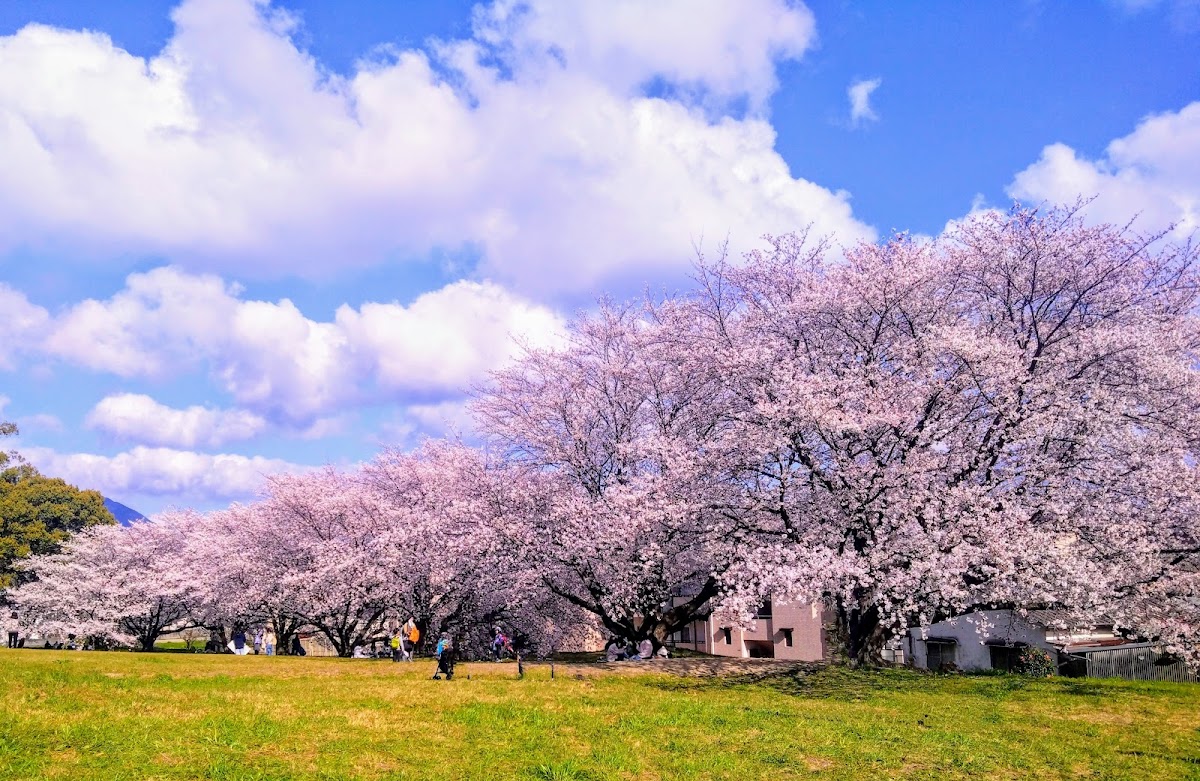
The construction of one article on the embankment was completed, and visitors were allowed to walk there, and Mizuki Castle was reorganized. The spring sky blooms, and the local people’s joyful walk takes place.
Mizuki Museum
It is understood that the Mizuki Museum is the site of Mizuki Castle for people living in Kawai. The interior of the building is a Japanese model, and the simple method is used to understand the history of Mizuki Castle, and the overall Japanese construction techniques. Mizuki Museum main exhibits:
- Mizuki Castle Eihara model
- A three-dimensional model of the time when the Fortress of Wawara was built.
- Artifacts excavated from archaeological excavations
- Information about the Battle of Hakujiang and the Ancient Eastern Bureau
- Mizuki Castle Summary
Free admission, the applicant will be responsible for paying the fee (pre-requisition).
Mizuki Castle East Gate Site
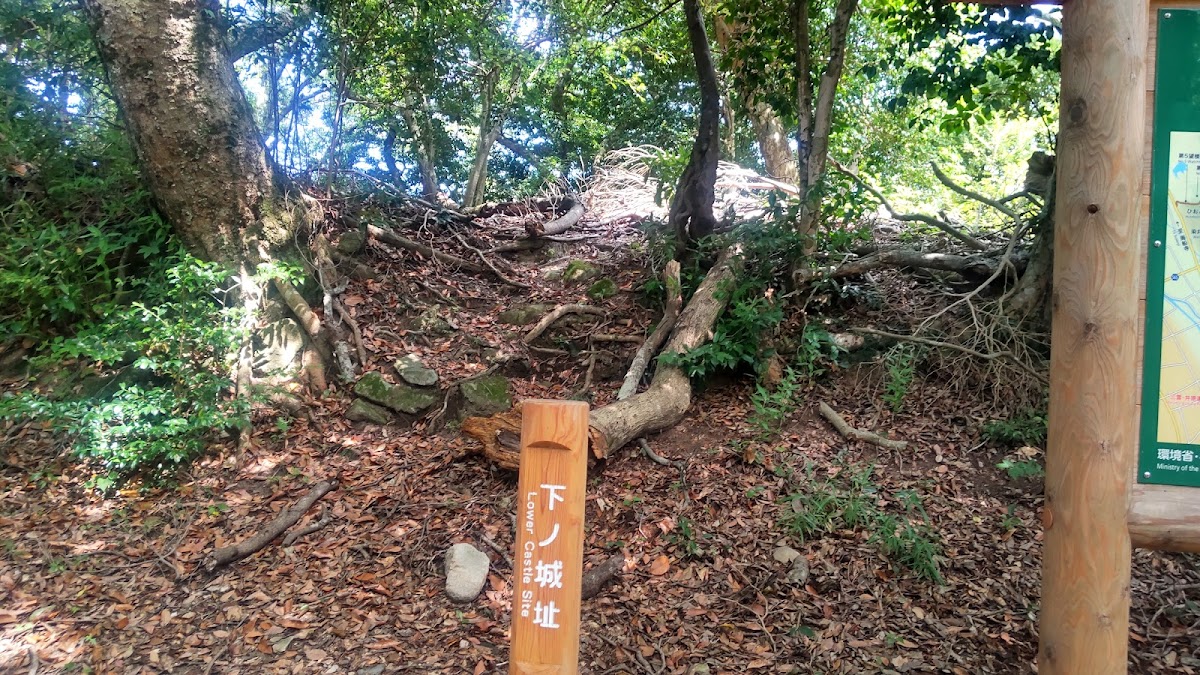
The castle gate is uniformly designed on the east and west sides of Mizuki Castle. The location of the eastern gate has been confirmed by the archaeological excavation, and the information board has been set up.
The construction of an ancient transportation system, where one official road was pierced by Mizuki Castle, was what I imagined.
Woodwind exhibition
In 1962, the first stage of the woodwind was preserved and exhibited at the Dazaifu Exhibition Hall in Dazaifu City. The giant woodwind, with a root diameter of about 2 American, is now a rare artifact of civil engineering technology advanced over 1,300 years ago.
Viewpoint
Due to the construction work on the site of Mizuki Castle, you can see the distant view of Hakata Bay and Dazaifu. Haruharu’s Hikori, who had a direct view of Hakata Bay, was able to sense the true feelings of the people who had built Mizuki Castle, and had the effect of blocking the invasion of Hakata Bay.
When the sun sets, the scenery is especially lost, and this place is the place where the sun shines.
History of Mizuki Castle and Zhou Kai
Ono Castle Ruins
Ono Castle was located in the eastern part of Mizuki Castle, about 5 kilometers east and south, and was built in 665 as a mountain castle built in the Asahi style. Mizuki Castle’s main defense construction, and Ono Castle’s rear base.
Ono-jo Castle was built on the top of the mountain in 410 miles of U.S., and Daisen-jo Castle and Yomizuki-jo Castle were jointly constructed and the center point of the Dazaifu defense system was established. Nowadays, the stone burial mound and foundation stone are still perfectly preserved and designated as a national special monument.
Kii Castle Ruins
Kii Castle was built in the year 665 of the Duke’s reign, and it is a morning castle style mountain castle in Kiyama-cho, Wasaka-machi, Chikushino City. Dazaifu Castle, also known as Yomizuki Castle and Ono Castle, is one of the three major fortresses in Dazaifu.
Dazaifu Official Residence Site
The Dazaifu official residence was located in the east and south of Mizuki Castle, approximately 4 kilometers away, and protected by Mizuki Castle. From the end of the 7th century to the end of the Nara era and the peace and peace era, it was the seat of government offices in the Kyushu region.
However, the foundation stone of the foundation of the building was still present, and the location of the building was still the same, and the image of the envoy’s ability was the centerpiece of Japanese politics and diplomacy in the past.
Dazaifu Tenko Shrine
The Dazaifu Official Residence is located near the Dazaifu Tenno Shrine, and is dedicated to Michizane Sugawara, the deity of the school. A visit to Mizuki Castle’s tourist club, Dazaifu Tianhu Palace.
Mizuki Castle Transportation and Travel Information
Fire vehicle transportation
JR Rokujima Main Line “Mizuki Station”:
- From Hakata Station, the fast train takes approximately 20 minutes.
- You can easily walk to the Mizuki castle ruins.
- The most convenient transportation method
Seirin Tenjin Omuta Line “Shimo Station”:
- 25 minute train seat at Xi Xi Railway Station (Tenjin)
- Travel time from the bus station is 15 minutes, and you can arrive at the Mizuki Castle Ruins.
self-driving traffic
Kyushu Expressway:
- Approximately 10 minutes from Dazaifu IC
- Approximately 15 minutes from Chikushino IC
Mizuki Park has a free parking space (approx. 20 cars).
Visiting time and cost
Mizuki Castle Ruins:
- All-sky 24 hour broadcast
- Indemnity
Mizuki Museum:
- Opening hours: 9:00 a.m. – 4:30 p.m.
- Closing day: Shuichi (the first day of the first year, the next day), New Year’s holiday
- Gate ticket: No charge
Recommended tour route
Accounting time: about 1.5-2 hours
- Resistance JR Mizuki Station
- Basic knowledge of Mizuki Castle (30 minutes)
- Walk through indigenous castles (40 minutes)
- Visit Dongmen Gate (10 minutes)
- Visiting viewing platform (10 minutes)
The next step is to complete the construction of the Dazaifu Official Residence and enter the Dazaifu Palace.
Visit Knowledge
- Hijikata engineering part of the walking path has not yet been designed, and the construction is perforated by the appropriate shoes.
- Summer protection is low, carry a hat, and drink water.
- Rainy weather and damp ground, please be careful and safe.
- The washing room is located in the Mizuki Museum (Mizuki Museum).
Mizuki’s cultural heritage and contemporary meaning
Central position in the history of ancient China
Mizuki is an important archaeological site, which was described as an international monument in the East during the 7th century. The country’s prestige in the East, such as the Tang Dynasty, has been provided with concrete confirmation.
The combination of water and wood has been achieved with Asaku style mountain castle technology, and the construction of large-scale earthen castles on the plains has resulted in the realization of Japan’s unique defense philosophy.
Masterpiece of ancient civil engineering technology
The best horizontal civil engineering technology at the time of the construction of Mizuki Castle. The construction of the earth, the construction of the wooden pipes, the construction of the castle river system, etc. are a part of history, and the structure has remained perfectly preserved for more than 1300 years, and the level of technology at the time of its verification.
Immediately, from the perspective of modern civil engineering engineering, under the limited circumstances of ancient people’s existing tools and technology, we can see how the construction was done in a short period of time, and how the wisdom, wisdom, and efforts of modern people were also seen.
Industrial District History
Mizuki Castle is an important historical site in Dazaifu City and Kasuga City, and is the cultural core of the area. From elementary school to elementary school and middle school, Mizuki City School’s historical teaching topic, provided to children as a historical place for students to study.
In addition, Mizuki Castle is a place where the local residents are free to relax, enjoy the history and culture of their homestead, and enjoy the peaceful coexistence of modern life.
Dispute World Report
At present, the ancient ruins of Mizuki Castle and Dazaifu Sokan will be officially recognized as world famous places. Mizuki Castle Site, Dazaifu Government Office Site, Ono Castle Site, Wakii Castle Site, Ichigo, henceforth “Ancient Japan’s Western Capital”—Yodonga The idea of “community exchange”, the production of a series of exhibitions, the historical legacy of ancient Japan’s international exchange and defense, and the correct reception of the historical legacy.
Mizuki Castle Research and New Screen
Recent digging
Excavation work at Mizuki Castle is underway. Recent research completed: New report:
2010s research results:
- New confirmation of the original construction process
- Detailed construction date
- Clear and detailed structure of the castle river
- Comprehensive construction of the surrounding area
This little research envoy Mizukijo’s chiropractic appearance is changed to Kiyoshi.
Repair research
Currently researching and modifying computational computer technology. A 3D image of the first appearance of Mizuki construction was used by the research staff, and the small image was exhibited at the Mizuki Museum and other places.
This category has been revised and researched by the public.
International comparative research
Similar defensive construction works exist in China. In the course of the comparative study of the progress of the minor works, we have also demonstrated the progress of the defense techniques of the ancient East.
Mizuki and Hyakusho’s defense construction system was specially developed, and research was announced.
Visit Mizuki Mae Chichi
关于水木’s name
The sound of “Mizuki” is “mizuki”. `suijō'' is a song written at a certain time, and mizuki'' is a song written by a government official. Includes this article: `City River Environment, Water Stream Filling Bastion”.
Four seasons of Mizuki Castle
Mizuki Castle ruins are accompanied by seasonal changes that appear in a disparate landscape.
Spring (March to May):
- The construction of a local fortress along the border of Bonghua, and the construction of the envoy to win the land.
- Green intention, scenery, people, this is the ideal season to walk around.
Summer (June to August):
- Shigemori Uehige, Saranoshujinron’s recollection of ancient landscapes.
- The sun shines brightly, and the demand for heat protection is low.
Autumn (September to November):
- Autumn leaves are colorful, and this is the best time to photograph them.
- If you are a warm and friendly person, this is the ideal season for sightseeing.
Winter season (December to February):
- A panoramic view of Hakata Bay, air fresh air, Keika Obino, and Kaen.
- Due to the demand for cold weather protection, however, the number of visitors is small, so it is possible to enjoy a static tour.
Dining and rest facilities
JR Mizuki Station Shukan Restaurant Co., Ltd., located at Dazaifu Station or Shimoohori Station. There are many restaurants and souvenir shops on the streets of Dazaifu Tianyu Palace.
Mizuki has a rest area Japanese motor vehicle sales machine. ## Overview: History of Mizuki Castle
Mizuki Castle is one of Japan’s greatest defense constructions, and Jianyu was a time of national crisis in ancient Japan. After the war in Baijiang, Japan made every effort to move up and down the country, and the civil engineering process in Hong Kong was completed at the turning point in history, and at that time the Japanese people felt a sense of crisis and the level of science and technology was at an all-time high.
1.2 km of earthworks and river systems, complete preservation of parts for more than 1,300 years, the development of rare ancient traditions, and the development of ancient defensive thought and civil engineering technology. Although it was not true, it was not used in real life, but it was created as a center of international exchange in ancient Japan.
Nowadays, the Mizuki Castle ruins are perfectly preserved, and the local history is a rare sight. Visit Mizuki Castle, enjoy learning about ancient Eastern national forms, understanding the history of Japanese defense, and understanding the wisdom and efforts of our ancestors.
If you are lucky enough to have visited Mizuki Castle, you must visit the Mizuki Castle ruins, and feel the glittering history of ancient Japan. At the same time, we also visited Dazaifu Tianya Shrine, the site of the Dazaifu official residence, and a complete understanding of ancient Dazaifu.