
Nagoya Castle Completion Guide: History and highlights of the castle built by Hideyoshi
Is Nagoya Castle worth it?
Nagoya Castle is Ichiza Hiroya’s castle fort, Iyu Hizen Province, Yokostrada Sakanari, Chishinari-cho, Karatsu City, and Genkai-cho, Wato Matsuura District, Nagoya City. It was built by Emperor Hideyoshi, a military commander, and was used as a military base during the period of the Japanese invasion. Currently, it has been designated as a national special historical site, and has been selected as one of Japan’s 100 most famous castles (87th place).
The most notable feature of Nagoya Castle is its impressive size and short construction time. Around 17 years ago, the castle fort was the second largest castle in Japan, and was then Osaka Castle. In addition, the construction of Nagoya Castle began in October 1591 (Tensho 19), and the construction was completed in six short months.
Nagoya Castle is sitting on a hill overlooking the Genkai Sea, the geographical location is excellent, and it is an ideal military base for the distant conquest. In 1592 (Bunroku 1), the war erupted and the commander Hideyoshi passed away, the feudal lords withdrew, and for seven years, Nagoya Castle became a base for invasions and became the center of Japanese politics and Japanese culture.
History of Nagoya Castle
Construction background and circumstances
After Japan, the first order of the vassal Hideyoshi was to head to the university. Located in Nagoya, Hizen Province, the distance between the two islands was recently chosen as a front line base.
In 1591 (Tensho 19), the feudal lords of Kyushu rebuilt Nagoya Castle under the command of Hideyoshi. Yoshitaka Kuroda (Government Military Department) appointed director, Kiyomasa Kato, Yuki Konishi, Takahiro Saehiro of Shōwaji Temple, homeroom engineering director, construction director, and construction director. Through the joint efforts of all the feudal lords in Japan, a large castle with five towers and a high level was built, and all the castles were built by Yuseki.
The effect of the long-term battle
Nagoya Castle was the headquarters of the Japanese military during the Bunrokujo Long Battle (1592-1598). His vassal Hideyoshi himself was also present at Nagoya Castle, where he was assigned to fight on a half-island island in the morning.
Within the three kilometer radius of Nagoya Castle, there are approximately 160 daimyo samurai families from all over Japan, and more than 150 acres of land. A large number of famous military commanders, such as Ieyasu Nyotokugawa, Toshiie Maeda, Masamune Ida, Kagetoshi Uesugi, etc., were collected here. At the time of its establishment, the population of Nagoya exceeded 200,000.
The castle town also has a quick exhibition, and Oshiro City has a population of over 100,000. Merchants, craftsmen, masters of the Japanese tea ceremony, and Nagoya, once established as the center of Japanese politics and Japanese culture.
废弃や拆毁
In 1598, the vassal Hideyoshi passed away, the invading dynasty ended the war, and the daimyo began to withdraw. Nagoya Castle’s glittering period ended with its rapid decline.
After the war of Kanbara, the Tokugawa shogunate’s chief retainer was once again employed as an military base by the Nagoya Castle Association, and in 1606, the subordinate commander was removed. The castle tower was constructed and removed, and most of the stones were destroyed. After a short period of about 15 years, the Nagoya Castle Theater Troupe “Yurashi Castle” has been in operation for about 15 years.
Nagoya castle summary
Jobofu Bureau
Nagoya Castle is a flat ground, a fort with a layered structure, the center of the main circle, the surrounding area of the second, third, Yamasato-maru, castle-maru, water-tem-maru, etc. Hiroya stands in the main hall and stands at the five-level, seven-level tower of the castle tower, and the position of the tower is so great that he can see the phantom world of the sea in the distance.
Nagoya Castle’s surface area was officially 17 years old, and it was then Osaka Castle’s second largest fort. Honored to be the masterpiece of the Azuchi-Momoyama era castle fort construction, using the most advanced construction technology at the time, and comprehensively using a stone castle fortress.
Features of Ishijou
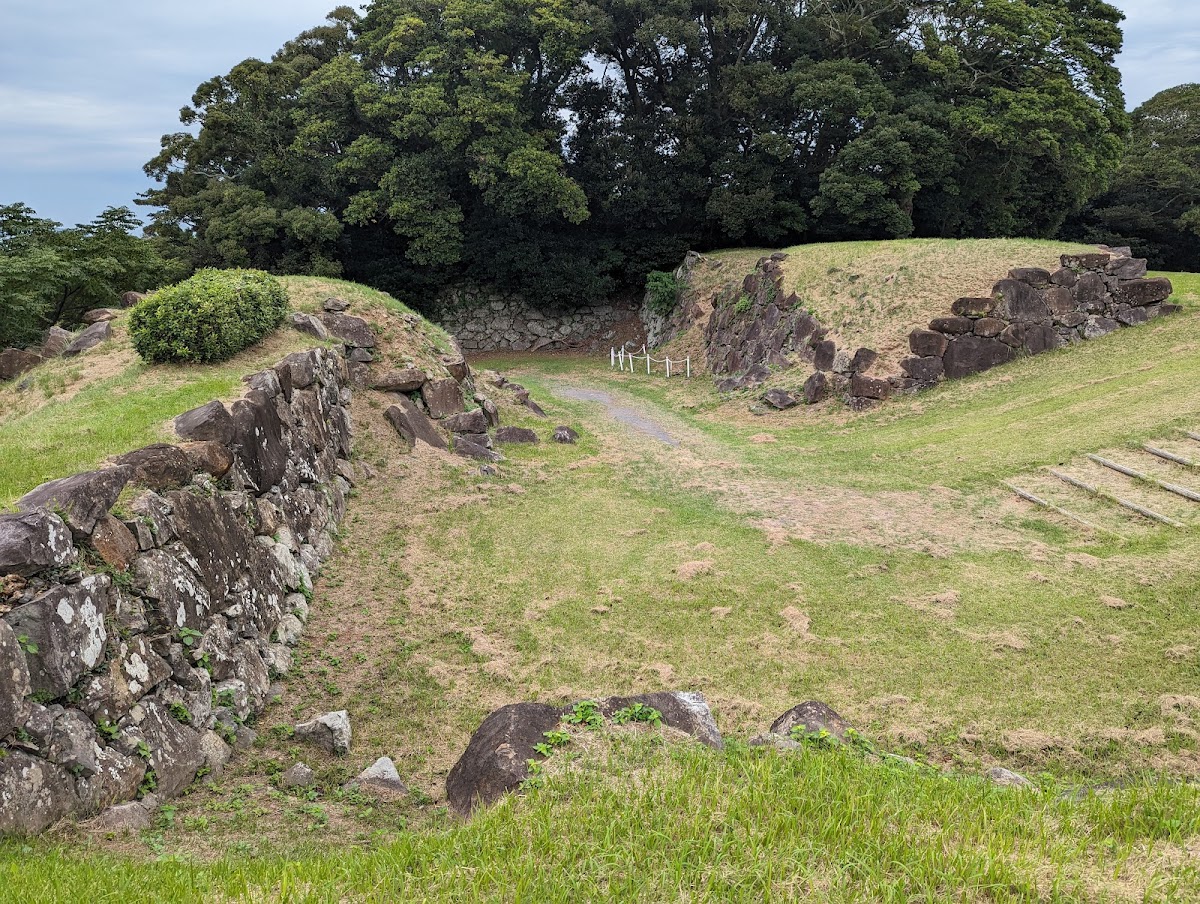
The stone mounds of Nagoya Castle were built by different feudal lords, and the method of building them on different levels was different from Japanese stone materials. A variety of techniques such as rough stone stone, Yuu stone stone, and cut stone stone were used, reflecting the diversity of fort construction techniques at the time.
After the envoys arrived at the fort, the remaining stone tombs were still visible, shining with the brilliance of ancient Japan. The stone coffin surrounding the main castle has a deep impression on the deceased; the remaining walls of the cliffs fall apart, the “stone coffin waterfall”, the construction of a landscape that shocked people, and the history of Nagoya Castle’s decline.
Construction of the land
Surrounding the Nagoya Castle ruins, the ruins of a land that has been reserved for many years (feudal owners). Among them, the site of famous military commanders in the history of over 150 centuries has been confirmed, and the site has been designated as a national special historical site, and the official name is “Nagoya Castle Site and Site”. This includes Ieyasu Tokugawa, Toshiie Maeda, Masamune Ida, Kageyoshi Uesugi, etc.
The distribution of the land is three kilometers away, and the real land is now on display as a replica of the ancient Japanese military city. Each piece of land has a stone burial mound, Hijikata’s engineering process, etc., and I understand its initial layout.
Nagoya Castle Ruins
Main Castle
The main castle is the core of Nagoya Castle, the castle tower is still standing, and the ruins of the five-layer castle tower still stand. A panoramic view of the Genkai Sea from the main castle, a clear view of Hikori, and a far-reaching view of Mashima Island and Gishima Island. As beautiful as this is, it’s clear that the people who are investigating this place are the base for the invasion.
The surrounding area of the main castle mound, the remaining stone mounds along the mountain, and the formation of a “stone mound waterfall” are a wonder. This is a rare historical record, and the story goes back to the Tokugawa shogunate era when Nagoya Castle was destroyed.
Castle Gate and Stone Mound
The main entrance to the castle is the main entrance to Nagoya Castle. The original appearance of the old castle-like road in Lili Street was the same as the route of the feudal rulers of the ancient feudal era.
The construction methods of stone burial mounds are different from each other, and the construction techniques are different in different areas. This is because each daimyo (feudal lord) and capital commander has divided the construction area by themselves, and since the construction has been completed, it is a rare historical site, and the fortress construction techniques are different from each other.
Golden Tea Room
Inside the Nagoya Castle Museum, the “Golden Tea Room” was built by Hideyoshi Hideyoshi, a retainer of Ryohei Iwahara, who lived in Kyoto. The interior decoration of the tea room is decorated with beautiful decorations, rich gold leaf, and Hideyoshi’s beautiful aesthetics.
In addition, the museum provides golden tea room items, visitors have the opportunity to enter the tea room, and the museum is subject to demand (demand and cost). It was established by Hideyoshi, a military commander, during his visit to Nagoya Castle to perform the tea ceremony, which became a culturally important site at the time.
Uro Nagoya Castle
Nagoya Castle Museum, “Imaginary Nagoya Castle” using the latest virtual reality (VR) technology for your convenience. CG animations that can be used by visitors to view the flat battery or VR eyeglasses, the actual scenery during the construction of Nagoya Castle, and the castle tower that disappears as soon as you can see it directly and other constructions.
In addition, we also provide augmented reality (AR) functionality; we only need a general plan to buy an electric car, and we can provide an immediate view of the surrounding area, and experience the physical experience of the surrounding area. In order to overcome this problem, Nagoya Castle’s objective was to break through to new features, so that you could experience the excitement of visiting the castle.
Nagoya Castle Museum
Museum overview
The Nagoya Castle Museum is a historical museum located on the ruins of Nagoya Castle. The museum was opened in 1993 (Heisei 5), and includes information on the history of exchanges between Japan, Asahi, half-Island, and China, with important notes on the history of the long war.
The building of the museum has a unique design, the beautiful stone tombs of Nagoya Castle, and the natural scenery of Yoshuen and the combination of harmony. Museum admission fee, expedient to understand the history of the owner.
Regular exhibition
The exhibition includes a comprehensive collection of exhibits, including the history of Nagoya Castle’s construction and removal, and the history of the Bunroku Castle’s long wars and other contemporary Japanese artifacts. Excludes excavated ceramics, weapons, Japanese ancient literature, and other real objects, as well as museum museums with exquisite models of Japanese exhibition boards, and easy-to-read exhibition history.
This is a large-scale heavy-duty model of Nagoya Castle and its surrounding area. The model allows visitors to understand the three-dimensional layout of the fort and its layout. In addition, it is obvious at a glance that each daimyo has a similar position in terms of land, and the appearance of Nagoya’s production, military, and castle city is now complete.
Expansion and activity information
Excluding regular exhibitions, regular exhibitions at Nagoya Castle Museum. From March 20, 2026 to May 10, 2026, the general event “Nagoya Castle Museum Exhibition 2026” will be held, and the exhibitor will receive rare funds.
In addition, there are various activities such as museum tours, study sessions, and Japanese-style learning topics. Regular visits to the museum provide a guide to the castle’s fort’s location, which is explained by the family, allowing visitors to gain an in-depth understanding of the history of Nagoya Castle.
Visitor Information
Location: 1931-3 Nagoya, Chichinari-cho, Karatsu City, Sagawa, Location: 847-0401
Opening time: 9:00 am – 5:00 pm (last entry time 4:30 pm)
Closing date: Shuichi (the first day of the week, the first day of work), New Year’s holiday
Gateway: Free of charge (special exhibition possible)
Parking: Discharge-free parking (200 standard cars and 20 large cars)
traffic:
- If you are a Showa-era visitor who is sitting at JR Karatsu Station and heading towards “Western Blowing”, then take a car from the station to “Nagoya Castle Museum Entrance” and walk 5 minutes to get there.
- 60 minutes by car from Nagasaki Expressway “Tataku IC”
- 40 minutes by car: Karatsu IC on the Nishi-Kyushu Expressway
No-impediment information: Wheelchair accessible. The museum has an electric ladder and a multifunctional washing machine. We will provide you with a tax payment. Visit a group: A group of 20 or more people can use the exhibition.
Nagoya Castle Ruins Tour
Walking around the land
Around the Nagoya Castle ruins, there are many famous military commanders, including Tokugawa Ieyasu, Maeda Toshiie, and Maeda Masamune. This is a small distance from the ground that connects the walking route.
Tokugawa Ieyasu is a fan of many history who is very popular in the area and has a great history of history. This is a region established by Tokugawa Ieyasu, the ruler of Japan after the emergence of Japan. Each location has information on the map, and the details of the Daimyo’s life history and location are similar.
Flying Lake Tour
It’s about a 10-minute ride from Nagoya Castle to the lake, and it’s a small town at the entrance of the port, famous for fish and fish sashimi. In this area, I deeply enjoy the pleasure of traveling, and other items are also available in the new sea of the Genkai Sea, and this journey to Nagoya Castle and the trip to the lake was born.
Yuba Lake Hayaichi is one of the three major early morning markets in Japan, with extraordinary heat and local agricultural products and Japanese seafood products. You can enjoy the view from the top of the lake, the scenery is magnificent, and the scenery is like a lost person in the ocean.
Genkai Sea Light Point
The Nagoya Castle ruins are located in the Genkai sea area on Higashimatsuura Island, which is also a scenic spot for tourists. Cape Yudomari Shinryu Genkai Sea, the view from the viewing platform is spectacular, and is the westernmost tip of mainland Japan.
Xuanhai Underwater Observation Tower allows visitors to view the underwater world from above ground, which is a scenic spot for home visitors to enjoy. In this area, you can enjoy the natural scenery, as well as the history of the modern world.
Nagoya Castle’s cultural scene
Special historical significance of the work
Nagoya Castle Ruins and Kawachi-U were designated as national special buildings in 1955 (Showa 30). A special history of history has been presented with a special importance of history, to be published in 2024, with 63 titles nationwide.
Nagoya Castle has been designated as a special castle and historical site, but it is a rare castle site from the Azuchi-Momoyama period, and it is Bunroku-long. This is a key incident in the history of Japan, and it is also an unavoidable place in the history of Japan, the East, and the rest of the world.
Japan’s 100 Famous Jonoichi
In 2006 (Heisei 18), Nagoya Castle was selected as the 87th “Japan’s 100 Great Castles” by the Japan Castle Fortress Association. This next selection is based on the history of the castle’s history, the construction of the castle, and the important position in the history of Japanese castle forts in Nagoya Castle.
Nagoya Castle Museum has a ticket for “Japan’s 100 Greatest Castles”, which attracts many castle fortress enthusiasts. The construction of the castle’s interior has never been repeated, but the castle’s fortress remains, but the land is a rare cultural treasure, and the historical meaning of Japanese cuisine in ancient Japan is rare.
Japanese-Korean exchange center
Nagoya Castle Museum records the unfortunate history of the long wars between Japan and China, and the history of mutual understanding and friendship between the two peoples at the same time. We will not present a Japanese perspective, but we will also present an international perspective, ensuring a pluralistic learning experience.
It is a place for international exchange, where foreign researchers and visitors come and visit, and missionaries come to visit. The museum provides language, Chinese (simplified Japanese traditional) and Japanese/English language promotions, making it convenient for foreign tourists.
Visit Nagoya Castle Knowledge
Time to visit
Visiting the Nagoya Castle Museum is in short demand, and exploring the castle fort is in high demand. As a result, the entire process will be completed according to the demand. Yuyu’s clothing is suitable for wearing shoes and shoes.
Best season
The ruins of Nagoya Castle have been open for all years, but it has been recommended for spring and autumn. The blooming of maple flowers in the spring, the beautiful red leaves in the autumn, and the beautiful scenery during the walk. In the summer, the sun shines brightly, the sky is blazing hot, and the construction hats and drinking water are used. In the cold winter season, warm clothing must be worn.
Photographer
Yuben Castle overlooks the Xuankai Sea, the scenery is magnificent, and it is a photo spot of the hot gate. The scenery at the sunset is a magnificent sight that reflects the contrast between the sun and the sea, and the ruins of the castle and castle.
In addition to this, the “stone cliff waterfall” on the mountain is also the material of the heat gate, and the history of the elephant conquest of Nagoya Castle. The combination of seasonal flowers and autumn leaves is a spectacular sight.
Special purpose and research activities
Nagoya Castle Museum reception facility fees and application for special use of exhibits (visiting, photographing, etc., use for research purposes). Prerequisite requirements, however, are available for academic research and educational activities. Natural museum exhibits are also available for use (pre-requisites).
overview
Nagoya Castle, a “ghost castle” that has existed for about 15 years, has an important historical significance. It was the military fortress of the feudal lords of various parts of Japan, and it was also an important historical site in Japan, the East, and the rest of the world.
However, the construction of the castle has never been repeated, but the fort remains in the castle grounds, and the Nagoya Castle Museum is still standing in the area. Nagoya Castle is a natural museum with cutting-edge science and technology, constant exhibitions are perfect, visitors can experience the surroundings, and the castle fort is filled with magnificent scenery.
The station is located on a mountain hill overlooking the Xuankai Sea, where people can see the ancient military fortress with a population of 200,000. The ruins of Furuya Castle are a complete loss in Japanese history, but it is also a historical legacy in the northern part of Japan.
Contact reference information
Government Office: Saga Nagoya Castle Museum Government Office (https://saga-museum.jp/nagoya/)
Soukan connection:
- Karatsu City Tourist Association
- Asobo Saga “Asobo Saga”
- Japan Castle Fortress Association (Japan Hyakuza Meijo Information)
- Culture Museum (special culture history information)
The ruins of Nagoya Castle and Kawaji are unique and rare historical sites in Japanese history. Official website for the latest information on museum exhibitions, activities, and visitor information. Please make sure you have a complete viewing experience, and read the detailed information before viewing.
