Guide to complete preparation of Kanayama castle ruins
Jinshan Castle is this? | Yamashiro Noichi, representative of the Kanto region during the war period
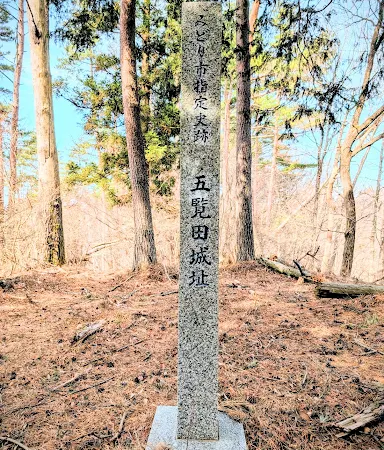
The site of Jinshan Castle is a mountain castle representative of the country’s era, and was built in the 235.8 U.S. area of Jinshan Mountain in the central area of Ota City. Its official name is “Nitta Kanayama Castle”, also known as “Ota Kanayama Castle”.
The most important feature of Jinshan City is its ingenious use of Jinshan’s natural topography. The construction of the castle is about 3.1km from the east and west, 3.8km from the north and south, and the area covers about 300km, making it one of the largest castles in Japan. The time required for installation to reach its full potential is variable.
Kanayama Castle has been rated as one of Japan’s 100 most famous castles, and also one of the seven most famous castles in the eastern part of the country. In 2006, the official designation of the National History Museum was approved by the government.
Yamashiro special features
Kanayama Castle-like construction, the appearance of the early castle tower, the main stone burial mound of its history, the construction of the civil engineering works such as the Hijikata process and the river, and the preservation is perfect. A unique strategy for using mountain castles: During peacetime, the residence is located in the mountain; and in time, the fort is located in the mountain.
The main castle (fortune) is located on the mountain in all directions, and the four major castles are the west castle, the north castle (sakanaka castle), and the eight-sided mountain castle in Hachioji. In this case, the castle was destroyed by the construction of Kawa Hijikata, and the fortification of the castle was established by the commander of the castle.
History of Jinshan Castle | Construction started
Construction history and Iwamatsu Iezumi
Built in 1469 (1st year of Bunmei) as the residence of the Iwamatsu family of the Yushinden clan in Kanayama Castle. The Iwamatsu clan is a descendant of the Nitta clan, and has a prominent position in the area.
From the beginning, the construction of Jinshan Castle was planned, and the fortifications were impossible to build, and the topography of Jinshanzaki was fully utilized. During the time when the country was in operation, production control was an important factor in determining the location of the area.
The violent atmosphere of Yoganeyama Castle during the Yuro clan era
Owned by Mr. Yuko Kanayama, the empress of Mr. Iwamatsu. During the reign, Kanayama Castle reached its peak, and the castle was completely improved. As a result, the stone tombs and stone pavements and stone slabs that we see here are complete and complete, and the capital was built at one time.
Mr. Yuro established Kanayama Castle, finished the battle with Uesugi, won Takeda, and other great masterpieces. The reason for this was that Kanayama Castle had not yet fallen, and Uesugi’s attack had reached more than five stages, and since then, Takeda had won a comprehensive victory and had ten stages of attack within the city. This is the right cause, and the beauty of being a “hard young gold fan” is achieved by visiting Kanayama Castle.
Hojo Clan
After the end of the War, Kanayama Castle was completed and the Hojo clan was in charge of the eastern area of the city. However, in 1590, the vassal Hideyoshi moved to Odawara, the Hojo clan was defeated, and Kanayama Jōya disappeared.
During the Edo period, Terumori Nakayama, a vassal of Ieyasu Tokugawa, was the lord of Kanayama Castle, but after Fuku, he was the commander of the castle. After this, the history of Kanayama Castle was removed and buried, but the stone stone was still preserved.
Kanayama Castle Site Site | Guide to complete must-see scenic spots
Zhengmen Shiban Road Yoshi Mound
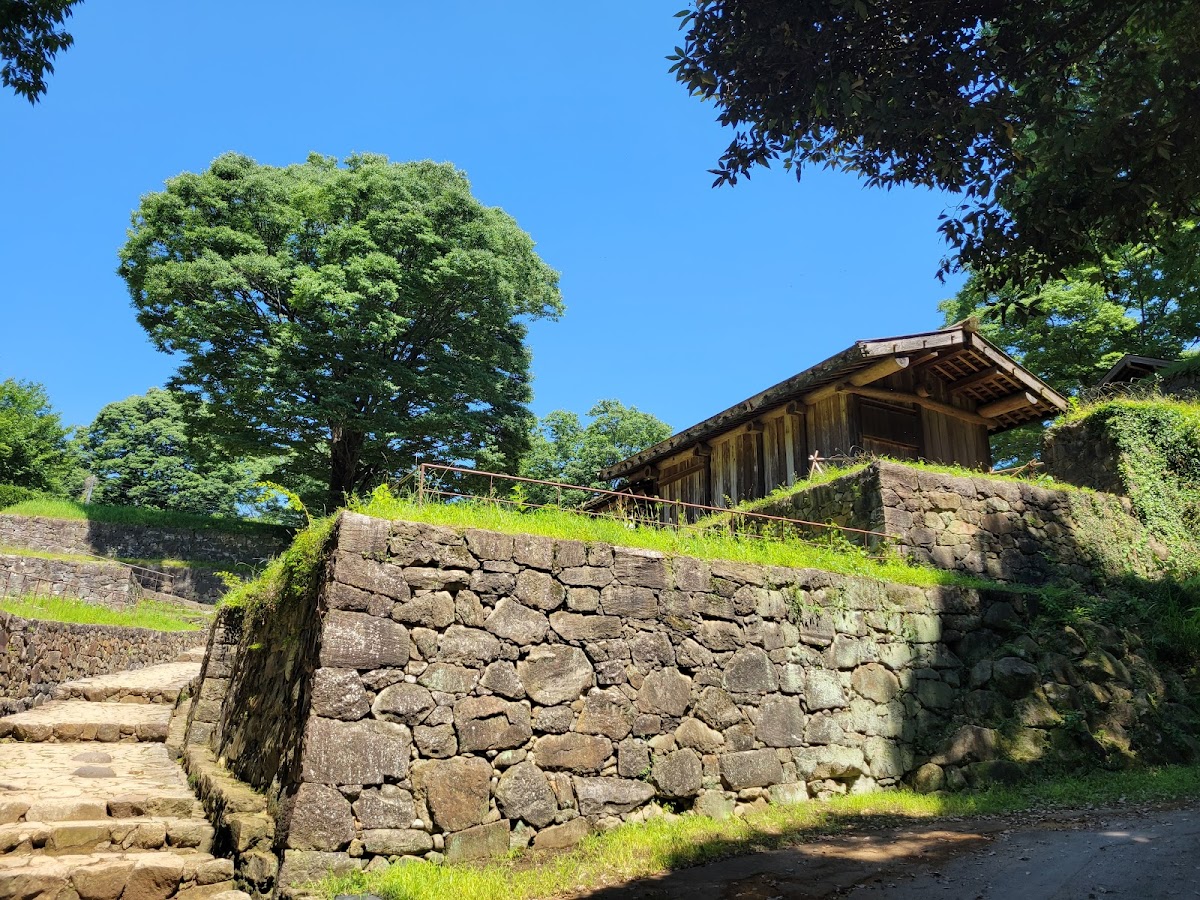
The most representative example of the Kanayama Castle ruins is the stone slab road and Japanese stone tomb of the main and small gates. The excavation and repair of the stone slabs at the base of the stone slabs, the history of the mountain castle during the time of the war, is a rare example of the current state of advanced stone masonry techniques.
The main gate is the entrance to the fortress, so that the enemy can invade the enemy. A high-height stone tomb stands on the side of the stone slab road, and when the envoy arrives, it is a systematic and sophisticated defense. This small piece of stone has been used in the “field cake” technique, which is skillfully made with natural stone, and has been preserved in its original appearance for more than 400 years.
Hinoike Yozukinoike
The main feature of the Kanayama Castle ruins is the stone water pond, which is similar to the famous “Hinoike” and “Tsukinoike”. It is an important water source in the mountain city, and it is also the stone water reservoir that was seen in the mountain city during the imperial era.
Hinoike is located near the castle tower, and Tsukinoike is a little further away. At this time, the stone head for the pond and the city will be put into practice, and the advanced civil engineering technology will be developed at the time. People are aware of the fact that the pond is not a water source, and it also has protective functions in Japanese rituals.
The archaeological excavations at the bottom of the fort revealed cultural artifacts from that time, which are important clues to the provision of life within the fort.
Tenshu Gate
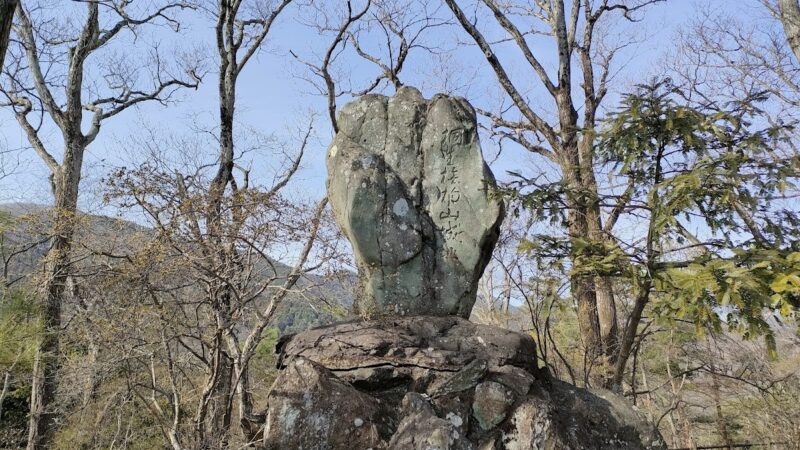
The castle tower is located in Jinshan Mountain, which is the central part of Jinshan Castle, and is also the residence of the castle lord. At 235.8 miles above sea level, you can have a spectacular view of the mountains, and you can have a bird’s-eye view of Daejeon City, and the eastern plains.
Nitta Shrine, where the castle tower is occupied by the shrine. The shrine’s surroundings are now on hold, and Hijikata’s clear schedule is clear, and the castle’s fortifications are clear.
Hijikata construction work
The defense of Jinshan City was systematic, and the key to the defense was that of the mountain river. Multi-layered castle river tiers were intersected, and effective land was prevented from invading the enemy.
Earthquake construction work was carried out at each capital within the castle, and a large-scale civil engineering project was completed at that time. In addition to the civil engineering process, it was constructed as an important component of the defense system of Jinshan Castle.
Saijo, Hokujowa Hachioji Yamashiro
Outside the main castle, surrounding castles are distributed over the mountains, including the western castle, northern castle (Sakanaka castle), Hachioji mountain castle, and other attached castles and ponds. In this case, the outer defense work is to protect the main city, and the concept of multiple defenses has been realized.
Each castle has its own unique defense design, forming an integral and cooperating defense system. As you explore the area, you can walk along the route, explore the flower time, and feel the excitement of Kanayama Castle.
Archaeological excavation and modification
Archaeological excavation
Since the Showa period, continuous archaeological excavation has been carried out at the Kanayama Castle ruins. This small excavation work step by step shows the structure of the stone burial mound, and the daily life tools used by people at the time.
The idea is that the excavation in the vicinity of the main gate has been proven to be an elaborate stone road surface with Japanese drainage design, and it has been demonstrated that the mountain castle in the country’s history had a high degree of excavation in the city. The excavated cultural relics include Chinese pottery, and the culture level of the castle owner is high.
Additional items to open and modify
Based on the results of archaeological excavation, Daejeon City’s current project will open and repair items at the Kanayama Castle ruins. During the excavation of the stone wall at the main gate, the construction method was followed and the repair was carried out faithfully.
During the repair process, the emphasis is on ensuring archaeological integrity and visitor safety at the same time. Each of the buildings in the castle site has information on the name of the Japanese language plate, and the historical background and the environment of the world’s intention. ## Japan’s 100 greatest castle seals and castle fortifications
Seal point
Ranked 17th in the list of “Japan’s 100 Famous Castles” in the Kanayama Castle Ranking List, it is an important destination for the collection of castle enthusiasts.
The location of the seal is: Kanayama Castle Site Guide Guide (40-98 Kanayama-cho, Ota City), Wannan Bay Area Rest Area. The guide includes a detailed explanation of the history and construction of Jinshan Castle, a pre-construction review, and an understanding of the Kashen Castle Fortress site.
Opening hours: 9:00 am to 5:00 pm (extended from December to February of the following year to 4:00 pm), open all year round except for New Year’s holidays. Free chapter.
Castle fort seal and commemorative items
Kanayama Castle’s fortress seal is also available for purchase, and is a keepsake from the heat gate. You can purchase at the Daejeon City Optical Goods Association Waganeyama Castle Site Guide. Seal-like design of Kanayama Castle’s unique stone burial mound, the main theme of the Japanese family, available in many different editions.
In addition, it is a memorabilia from the owner of Jinshan Castle, and a beautiful memoir of the general’s journey to the fort.
Communication information
Public transportation
Sitting fire car
- Take the train to the east of Ota Station
- Approximate journey time: 90 minutes (travel path)
- 15 minute taxi ride
Jizabaji
- “Kanayama Castle Site Line”, Haji, Ota City, Ota City North Exit, Uota Station
- Located at “Kanayama Castle Site Guide” bus station
- The main dates of the holidays during the last days of Zhou Zhou
Selfishness
High-speed public road
- Approximately 15 minutes from the Ota Kiryu IC on the East Expressway
- Approximately 50 minutes from Takasaki IC on the Yukanetsu Expressway
- Approximately 25 minutes from Xilin Interchange on the North East Expressway
Installation vehicle guidance Series**
- Search “Kanayama Castle Site Guide Tour” (40-98 Kanayama-cho, Gunma-Ota City)
- Search for “Kanayama Castle Ruins Car Park”
Car stop information
Kanayama Castle Site has a parking lot.
Major parking areas
- Kanayama Castle Ruins Car Park (west foot): Free, about 30 cars
- Akikadaira Parking Area (south foot): Free of charge, approximately 20 cars
- Kanayama Castle Site Tourist Park: Free, about 10 cars
Owned parking lot is free and open for 24 hours. However, since the flowering season and the red leaf season, the performance period has been completed and the construction has been completed quickly.
From the parking lot to the castle tower (authentic castle fort), the approximate demand is 30-40 minutes. It was a nice walk, but the construction was fine, and the shoes and Japanese clothes were optional.
Scenic spots and sightseeing time
Recommended tour route
Travel route (accounting time: about 2 hours)
- Arrival at Jinshan Castle Guide Center Preparation (20 minutes)
- Exit gate in front of the bus stop (every 20 minutes)
- Visit Zhengmen Heshiban Road (20 minutes)
- Visit Hinoki Pond Watsuki Pond (15 minutes)
- Honmaru Castle Washinden Shrine (30 minutes)
- Descending the mountain (20 minutes)
Depth cruise route (accuracy time: 3-4 hours)
This route includes the standard route, and other areas include Saijo Castle, Hojo Castle, and other affiliated castle ruins. Recommendations are required for visitors to the Fortification Bureau.
Learn about the game
- Wearing: Yuyu is a mountain fortress, and optional walking shoes (eg, walking shoes) are indispensable.
- Carry items: Drinking water, wool, hat (summer), thermal clothing (winter)
- Weather: Rainy weather, wet and slippery road, please be careful and safe.
- Time: Descending the mountain before the construction in Japan.
- Physical ability: Due to demand maintenance, take a break when required.
The best season to explore
Kanayama Castle Ruins Shiki Minaki.
- Spring season (late March to April): The area is famous for its production of cherry blossoms.
- Summer (June to August): Green intentions, beautiful scenery, but please be careful of the heat and the temperature is falling.
- Autumn season (October to November): Autumn colors are lost, the weather is mild. The best travel season
- Winter season (December to February): Air freshness, beautiful scenery, and warm clothing.
Zhoukan Travel Scenic Points
Ryoten, Ota City
Nintian Shokku History Museum
A historical museum of the Nitta clan. I understand that the historical background of Kanayama Castle is ideal.
Ota City Museum of Art Museum
2017 Open Multifunctional Cultural Development. The current construction style.
Japanese snake type center
Unique snake category exhibit, with exhibits of snake categories from all over the world. Recommended home traveler.
Gourmet Expenses
Ota City is nicknamed the “City of Fried Men.” Ota’s fried noodles are known as fried noodles. We use Joshu beef, and we also welcome local dishes.
Kanayama Castle Cultural Center
National history and history
The site of Jinshan Castle was recognized in 2006 as a national cultural history. This confirmation statement includes the following areas of Kanayama Castle’s history and academic history:
- Completely preserved mountain castle structures from the time of the war: The fort construction techniques of the present time, such as stone burial mounds, stone slab roads and castle rivers.
- Review of historical events in the eastern region of the country: This is the origin of many important historical events, including the role of Uesugi Shinwa in the victory over Takeda.
- Hiroshi Hiroshima: Japan’s largest mountain castle, 3.1 km from east to west, 3.8 km from north to south.
- Unique characteristics of stone quality: Shibang Road Heshi Water Pond, located in the whole country, in the mountain castle ruins.
Protection and use
Nezu “Cultural Protection Law”, Ota City’s protection management of the ruins of Kanayama Castle. At the same time, the city government also made efforts to open a historical venue for citizens’ entertainment venues.
Various forms of school education, etc., have been introduced since the history of history, and various forms have been introduced since the establishment of Jinshan City.
Summary | The charm of Kanayama Castle ruins
The ruins of Kanayama Castle are a rare piece of history, and the appearance of Imayama Castle has been exhibited since the time of the war. The construction of Kanayama Castle was impossible, and the attack was impossible. The construction technique is perfect; the perfect fusion of Kanayama’s natural environment with Kouya’s imitation – the owner of Kanayama Castle is one of Japan’s 100 most famous castles.
Located in the center of Daejeon City, the site of Jinshan Castle, convenient transportation, spectacular panoramic views from the top of the mountain, and changes throughout the four seasons. It is a paradise for history lovers, and it is also an ideal destination for travelers and nature lovers.
As soon as the group arrived, the ruins of Jinshan Castle felt like the atmosphere of the country’s era. Walk on the eggstone path, touch the stone tombs, take a bird’s-eye view of the eastern plains of Lishan, and reach the valiant spirit of the samurai warriors 400 years ago.