Kanayama Castle Completion Guide: An explanation of the history and highlights of the seven famous castles in East China
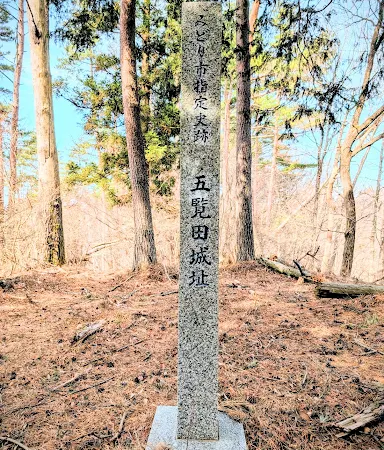
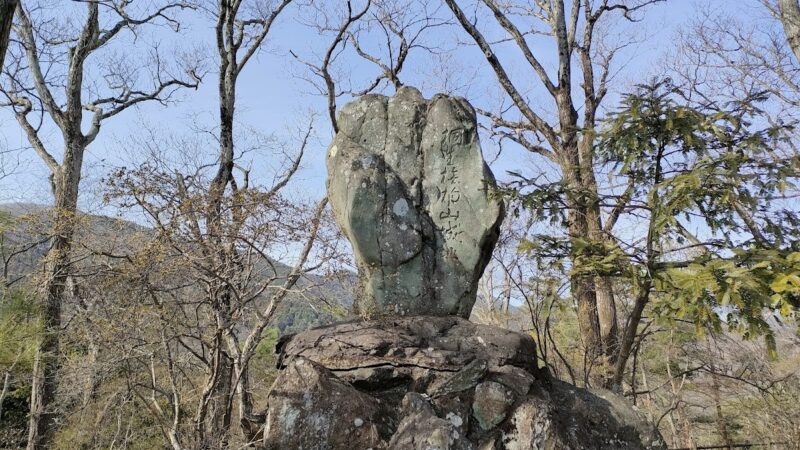
Kanayama Castle is a mountain castle in the era of the war, and is located in Kanayama Mountain, Ota City (235.8 meters of sea). It is one of the seven greatest castles in the East, which is also one of the top 100 famous castles in Japan. The work is a well-preserved stone tomb and stone board road heritage mountain castle, Jinshan Castle has been designated as a national historical heritage, and is a treasure cultural heritage of the medieval mountain castle construction style.
History of Kanayama Castle
Background and construction date
Kanayama Castle was built in 1469 by the Iwamatsu family. At that time, the political bureau of the eastern region was under control, and the Uesugi clan was in constant conflict, with the existence of the Uesugi clan in constant conflict.
The Iwamatsu clan is a branch of the Nitta clan, and is also a powerful local family in the southern region of Ueno Province (now Gunma no Kuni). Other places include the construction of Jinshan Castle and the castle pond, which is why you can get a bird’s-eye view of the eastern plains, which is an important strategic strategic point, as well as military and political considerations. Jinshan City, other major roads in the eastern part of the country can also be viewed, as well as military operations.
Exhibition of the Yura clan’s reign
During his reign (1504-1521), he was a member of Yura Uji no Ochiiri at Kanayama Castle. However, the Yura clan was a vassal of the Iwamatsu clan, but was also the one who took control of other people and was the actual ruler of Jinshan Castle. In fact, during the Yuran era, Jinshan Castle was constructed and repaired on a large scale, and it was one of the most solid forts in the eastern region of Chengdu.
From the Tenbun era (1532-1555) to the Eiroku era (1558-1570), the Hojo clan, the Uesugi clan, and other powerful Eastern clans ruled Yura Narishige. During the construction period of Jinshan Castle, the existing capital was comprehensively repaired, including stone burial mounds, Shibang Road, and defensive works such as rivers.
The role of the war
The solid defensive construction of Jinshan Castle is also known as the “Golden Castle Fortress.” During his expedition to the east, he attempted to attack Jinshan Castle, but in the end he was defeated. In 1560 and 1561, the Yura clan successfully resided in Kanayama Castle and attacked the castle.
In addition to this, there are other members of the Hojo clan who join together, join together, and clash. The Yura family was based in Kanayama Castle, and at the same time, they focused on the strength of their surrounding forces.
The decline of the Yura clan and the protection of Kanayama Castle
In 1590, during the Odawara war, the Yura clan was stationed as a vassal. However, after the war, the Yura clan moved to Ushiku City, Hitachi Province (now Ushiku City, Ibaraki Prefecture).
Afterwards, Maeda Toshiyoshi, a vassal of Maeda Toshiie (Maeda Toshiie’s vassal), lived in Kanayama Castle, but the castle was destroyed in 1600. The arrival of the Jiang Era, the establishment of a basic political system in the plains, the creation of Kanayama Castle, and the disappearance of its existential meaning and existence.
Kanayama Castle’s distribution structure
Yamashiro’s special features
Jinshan Castle is a typical mountain castle, its main castle is located in Usan, and outside the castle there are many forts (cars). The land can be used wisely at a rate of 235.8 US gold mines, and the land can be exploited to the maximum extent with its natural defense capabilities.
The castle forts on the Yohira plains can be used for defense, the mountain castles can be used for defense, and the envoys can easily reach the enemy’s large scale imitation attack. The circumstances of Kanayama Castle are such that the height difference between the main tower and the main tower is approximately 200 meters, and the attack method is not small.
Main castle layout
Since the construction of Kanayama Castle, the highest point of the castle tower, Second Castle, Third Castle, West Castle, and other castle towers have a ladder-like structure around them.
Honmaru (main enclosure) This is the central part of the fort, the main residence of the main building, and the location of important facilities. The archaeological excavation confirmed the monumental history of the earth’s foundations, and it was revealed that it was a huge construction comparable to the size of a theater.
Sanjo (main burial mound) is located on the east side of the Honmaru, which is an important defensive fortress within Kanayama Castle. A perfectly preserved Hongyi stone tomb along the western route (explained in a later text) was never visited.
Nishijo is a group of burial mounds west of Honmaru, and a somewhat smaller structure of burial mounds. This is the place where the military is located and the military is located.
石墙和铺路Technology
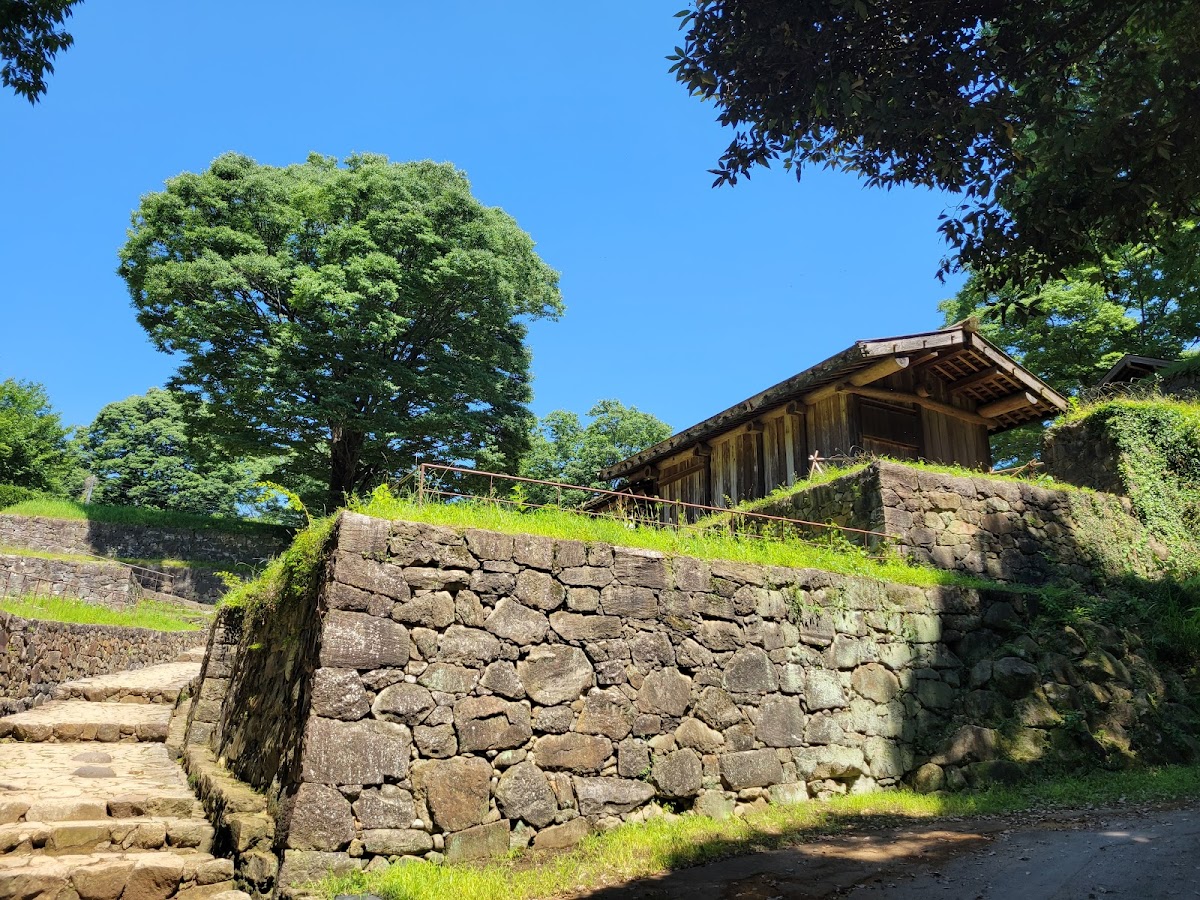
Kanayama Castle’s most famous special expedition is a large-scale model of the stone tombs along the Sekiro Road. During the time of the war, the main fortifications in the east area were constructed, and the river construction was completed, and the construction of the stone stone was completed during the heavy operation of Jinshan Castle.
The citadel surrounding the fort is currently a number of high-grade stone mounds, and the construction technology is advanced at the time of development. The main stone mound is constructed of square andesite rock from the original site, and is constructed using the “nozurazumi” technique for installation, and is directly deposited on natural stone mounds.
In addition, the surface of the hidden road, the stone slab road, and the rainy weather and muddy weather prevented the attack, and the sound of the sound probe and the invasion of the army. The main roads of the city fortification have been repaired and the stone slab road of Hiroya Ichijo has been completed.
###UsageKawawa trench defense
Jinshan Castle has many cutting mountain spines 护城川 Japanese vertical excavation in Yushanpo**. Due to the limited defense construction, the enemy’s invasion is limited, and the defense provided is excellent.
In other words, it is located in the southern part of the country, where the main tidal roads are located, where the trenches are laid down in a multi-layered and ladder-like arrangement, and a multi-layered defense system is formed. In addition to this, the ability to run in the trenches is blocked by the enemy’s ability to attack the mountain, and the draining action is effective.
Water source water well
The biggest weakness of the mountain fort is the supply of water, but the ruins of water wells inside Jinshan Castle. In particular, the main reason is that the main castle has two famous water storage facilities: “Hinoike” and “Tsukinoike”.
Please note that the water pond is not used for rainwater, so please be aware that it has religious meaning. The only small amount of ritual artifacts unearthed by Ike Nakaso in Japan, which can be viewed here, is also a religious site within the castle.
Kanayama Castle Ryoten
Main gate after modification
The main entrance to Kanayama Castle – the major entrance (Main Gate) – The results of the archaeological excavation at the main entrance have been completed and completed. Along the way, the stone stone road was designed, the line was beautiful, the enemy invaded, and the castle and pond construction techniques were developed at a high level in the country’s time.
A large stone tomb stands on both sides of the main gate, and can be built as a defensive construction for high-altitude attack. The passage through the stone slab also achieved beautiful restoration, and the creation of the envoy is an important point in the appearance of Jinshan Castle in its heyday.
Hinoike Watsukinoike
The preamble has arrived at Hinoike和Tsukinoike, which is Kanayama Castle’s most representative sexual journey. The Hinoike pond attracts people’s attention, and it is a long rectangular water pond covered with stone walls, and its beautiful stone porcelain craftsmanship attracts people’s attention. The pottery (tiles) excavated from the excavation at the bottom of the pond were confirmed by the Japanese government, which was confirmed to be the ritual that was carried out at this time.
Tsukinoike Hihinoike Elementary School, however, a stone stilt for the same stilts was built. As you can see, there are many different ways to understand the structure of the pond, and the origin of the sky is due to the fact that it is a rare example of religious belief in the medieval castle fortress.
View of the owner’s field
The highest point in Jinshan Castle—Main area, a magnificent panoramic view of the eastern plains. Mt. Fuji, Nikko Mountain and Chichibu Mountain Range.
As you can see from the picturesque scenery, Kanayama Castle is an important strategic location. During the time of the war, the geographical location of Jinshan Castle was very important, so it was possible to view the roads around the country and the people living there.
石墙遗迹
Many stone walls were scattered inside Kanayama Castle. The surrounding stone walls of the main city are large, well-preserved and well-preserved. The construction of this small stone burial mound was made using the method of using wild grass porcelain (crude stone porcelain), which has remained in perfect condition for over 400 years, and has been exhibited with the highest level of stone craftsmanship at the time.
Let’s take a closer look at the trivial stones, which can be seen in more exquisite details, such as the selection of stone materials, the clever method of depositing, and the drainage system. If you are a fan of building a fort in China, you will never have any doubts about it.
Kanayama Castle Guide Guide
Located under the foot of Usan Kanashan Castle’s location guide, you can understand the history of Kanayama Castle in detail. The exhibition includes artifacts unearthed during the excavation of archaeologists, original Japanese models, materials, and a detailed understanding of the site of the castle fortress.
The design was designed by Kengo Kuma, which is a beautiful construction that combines the views of the Ichiza Theater and the surrounding area. Expenses for the provision of licenses are released, and the applicant is responsible for paying the premiums (demand reservations).
Kanayama Castle Cultural Center
Selected Japan’s 100 Famous Castles
Kanayama Castle was selected by the Japan Castle Association in 2006 as one of Japan’s 100 most famous castles, 17th in the ranking, and a representative fort in the eastern region of the country.
Ranked as one of the world’s 100 castle seals, Jinshan City is a tourist destination or a rest area in southern China, and this place is a hot destination for castle enthusiasts.
Seven Great Castles of East Asia
One of the Seven Great Castles of the East in the Kanayama Castle Ranking Series. The seven famous castles in the eastern region are the seven representative fortresses in the eastern region, including the outer part of the castle, including Odawara Castle, Yagata Castle, Karasaiyama Castle, Oshi Castle, Utsunomiya Castle, and the front castle.
This castle fort was an important influence on the political and military affairs center of the eastern region of the country during the war. Among them, Kanayama Castle is highly preserved, and the site is highly preserved and revered.
National history protection
Jinshan Castle Site was designated as a national historical monument in 1934. In 2001, the designated area was expanded and protected.
The designation of historical historical sites is limited to the opening of castle forts, and the legal form is guaranteed to preserve historical sites. In addition, Ota City’s current location and development exhibition, excavation of antique items, further understanding, and encouragement of reasonable conservation and utilization.
Kanayama Castle transportation and sightseeing information
Public transportation
Sitting fire car:
- Take the train to the east of the city, and get off at the Ota station.
- Travel time from the station is 40 minutes, or you can sit down and leave the rental car in approximately 10 minutes.
- At the end of Zhou and the holidays, the Daita station has “Blue Sky” (city bus), and you can directly visit the airport.
Motor vehicle route:
- Departing from Ota Kiryu IC on the East Expressway in Yubeiguan, approximately 15 minutes by car
- Exit the North East Expressway at Lulin IC, approximately 25 minutes by car
- Free parking spaces provided by Kanayama Castle Guide Center (approximately 20 cars)
- There are also parking spaces in the south area near the mountain (approximately 10 cars)
Climbing route and trip time
Mao Kanayama Castle and the following route:
1. Direction from the center (recommendation):
- Travel time: about 30-40 minutes
- A very good climbing route, a smooth finish.
- Directional design, easy to use for beginners and safe passage.
2. Departing route from Yunan Kurawa station:
- Travel time: 10-15 minutes per trip
- This is the shortest route, the most effective route to visit.
- However, the road is narrow in the traffic stop area, so the demand when driving is extremely cautious.
3. Nishiyama Route:
- Travel time: 40-50 minutes per trip
- A wanderer who can join the route.
- Defense works such as 您可以一边边技护劤劤、一边观护城和和厥沟, etc.
A tour of the fort site requires approximately 2-3 minutes. As a result, you will be able to monitor the progress or improve the progress, and the demand will increase over time.
Precautions for viewing
- Kimono clothing: At Yushan Castle, Yuyu Fortress, shoes and Japanese clothing are indispensable. Summer drinking water for mosquitoes and drinking water.
- Weather: Rainy weather, stone pavement may be wet and slippery, work must be done carefully.
- Opening time: City fortress area wide open, guide room opening time 9:00 to 17:00 (Zhou one closing, how to get Zhou one turn on the next day).
- Vote: The entrance fee for the castle gate is uniform.
- Guidelines: If you wish to visit the school, please refer to the Ota City Board of Education’s cultural policy.
Jinshan Castle Tourist Scenic Spot
Nintian Shokku History Museum
Ancestors of the Iwamatsu clan who built Kanayama Castle and exhibited in the museum – materials from the Nitta clan. Comprehensive Nitta family history in Japan. The distance from the museum to Kanayama Castle is approximately 15 minutes by car.
Ikushina Shrine
Installed, Nitta is the owner of this shrine, the military base of the shogunate. The bronze statue inside the shrine is a hot spot for history lovers.
Mandeksa Museum
Materials from the association of Wande-ji Temple, which was called “Separation Temple” during the Yoe Era period. You can understand the history of female salvation at this time.
Ota City Art Museum
The multi-talented cultural development was opened in 2017, and it is also the current construction location of the theater. Collection of exhibitions and exhibitions The museum is a center of local culture.
Kanayama Castle seasonal spot
Shunten in Kanayama Castle
From late March to early April, maple flowers were in full bloom inside Kanayama Castle. The image of the stone tomb and the flowers intersect with each other, and the composition is completely beautiful. The maple flowers around the southern part of the mountain are especially beautiful, attracting a lot of visitors.
Summer at Kanayama Castle
In the summer, Kanayama Castle was beautiful, and the people’s hearts were strong. A dreamy scenery in Chengzhong, where you can enjoy an enjoyable encounter in Qingcheng. It doesn’t work, but the high temperature and mosquito bite are ready.
Autumn at Kanayama Castle
Autumn colors in mid-to-late November are one of the best times to visit Kanayama Castle every year.枫树和其他树木’s beautiful colors and stone walls intersect and reflect, and the beauty is not won. The view of the castle tower, the reflection of the autumn colors of the mountains and the eastern plains, and the composition of the image of the heart of the people and the gods.
Winter at Kanayama Castle
In the winter, the number of visitors is low, and you can enjoy leisurely walking in the city while the fortress remains. The air is fresh and the castle tower is open to the public, offering the most open scenery all year round. A beautiful ink painting of Kanayama Castle in the snow.
Recommended spot
- Zhengmen Stone Mound: After the restoration, the stone mound and the stone block road are the focal point of Jinshan Castle.
- Hinoki Pond: Hinoki Pond has a beautiful scenery, the beauty of the stone sculpture is reflected, and it is a truly beautiful spot.
- Donjon: A bird’s-eye view of the eastern plains, this is the ideal choice for a panoramic view.
- Fortification stone tomb: A stone tomb with a coarse structure that is close and distant.
- Night view of Saijo: During twilight, a beautiful painting completed by a traffic circle in Ota City, Heshan.
Kanayama Castle Tour Guide
Origin of Kanayama Castle name
The surname of Jinshan Castle comes from the mountain peak “Jinshan” (meaning “Kinshan”). The origin of the name of Jinshan Castle, the name of Jinshan Castle is comprehensive, and the name of Jinshan Castle is comprehensive.
Conflict with Uesugi
Kanayama Castle’s defense power is strong and visible. Shinya Uesugi, the honorable “God of War”, is the fortress where the incompetent attackers were able to conquer. During the Eastern Region of the Conquest, Kanayama Castle was attacked many times, but in the end, Kanayama Castle’s strong defense was an unbelievable success.
Mystery of the construction of the stone burial mound
Jinshan Castle is located in the eastern area of the mountain castle, and its construction date, Japanese construction techniques, and origins are currently the focus of debate among researchers. As a matter of fact, Kanayama Castle’s construction techniques can be traced back to western Japan, and were constructed with the help of the Yura clan and other regional craftsmen.
Archaeological excavation results
Since the 1980s, Kanayama Castle has been undergoing extensive archaeological excavation, and has acquired many important exhibits. Of course, this is the surrounding area of the fort, a rich variety of cultural artifacts excavated, Chinese ceramics, Japanese pottery, Japanese ironware, etc., and an important survey of the life inside the fort.
Summary: The charm of Kanayama Castle and its surroundings
Kanayama Castle is a masterpiece of mountain castle construction during the war, and is a cultural legacy of tools. Since the construction of Kanayama Castle, the large scale of the stone tombs and stone slabs, and the construction of the construction of the castle, the solid defense construction has become known as Shinya Uesugi’s incompetent attack.
At present, the castle fort site has been completely preserved, and restoration work is currently underway. In conclusion, we will explain the history of the construction of the castle fort, the history of the fort construction techniques from the time of the war, and the history of human life at that time.
If you look down on the eastern plains of the castle tower, you can truly understand what the city fortress is built here. The natural beauty of the changing seasons is also a great highlight, and each time you can see the city, you will be astonished by the new scenery.
Kanayama Castle has three special titles: one of the 100 most famous castles in Japan, one of the seven most famous castles in the eastern part of Japan, and the history of the nation’s history. This is not the ideal destination for people who love history and wanders around the city, but also for people who like to travel and enjoy nature.
When a group of horses arrived, the ruins of Jinshan Castle were a long time ago, and it was a historical landmark during the war. Touching the stone tombs, walking along the route of the samurai along the coast, and seeing the history of the meeting now visible.