Yagi Castle Complete Guide: History, Highlights, and Access Information for the Three Great Mountain Castles of Tanba
What is Yagi Castle?
Yagi Castle is one of Japan’s largest mountain castles, built on a 330-meter (some sources say 344-meter) hill in Yagi-cho, Nantan City, Kyoto Prefecture. Located southwest of JR West’s Yagi Station, it is a complex, terraced mountain castle that fortified the entire hill, boasting a vast scale of approximately 700 meters east-west and 900 meters north-south.
Along with Kuroi Castle (Tanba City, Hyogo Prefecture) and Yagami Castle (Tannan City, Hyogo Prefecture), it is counted as one of the “Three Great Mountain Castles of Tanba,” and functioned as an important military base in the Tanba region during the Sengoku period. Even today, the remains of the main keep, castle tower base, and stone walls are well-preserved, making it a valuable historical site for understanding the structure of mountain castles during the Sengoku period.
History of Yagi Castle
Construction and the Naito Clan Era
There are various theories regarding the construction date of Yagi Castle, but it is generally believed to have been built during the Muromachi period by the Naito clan, who served as the deputy governor of Tanba Province. The Naito clan traced their lineage back to warriors who served Ashikaga Takauji, and were entrusted with the strategically important territory of Yagi in Tanba Province due to their military achievements.
After the Hosokawa clan was appointed governor of Tanba Province, the Naito clan effectively governed the province as deputy governors. It is believed that the Naito clan constructed a full-fledged castle in Yagi during the Eikyo era (1429-1441), and thereafter, Yagi Castle developed as the Naito clan’s residence.
Yagi Castle in the Sengoku Period
During the Sengoku period, Yagi Castle became one of the important battlefields in the Tanba region. It is presumed that by the late 16th century, the castle had been expanded to a size that allowed it to function fully, and the Naito clan maintained their power by forming complex alliances with surrounding local lords.
Of particular note is the presence of Naito Joan (Naito Joan), the head of the Naito clan. He is known as a Christian daimyo, and it is believed that Christianity was also spread at Yagi Castle. During Naito Joan’s time, Yagi Castle was not merely a military facility but also a culturally important center.
Akechi Mitsuhide’s Conquest of Tanba and the Fall of Yagi Castle
In 1575 (Tensho 3), Oda Nobunaga ordered Akechi Mitsuhide to pacify Tanba Province. As part of his conquest of Tanba, Mitsuhide targeted Yagi Castle, and in 1579 (Tensho 7), after fierce fighting, Yagi Castle fell.
In the siege of Yagi Castle, Akechi Mitsuhide employed a tactic of isolating Yagi Castle by successfully conquering surrounding subsidiary castles. The Naito clan resisted stubbornly, but ultimately succumbed to Mitsuhide’s forces. With this fall, the Naito clan’s rule over Yagi, which had lasted for approximately 400 years, came to an end.
Yagi Castle After its Fall
After its fall, Akechi Mitsuhide renovated Yagi Castle and used it as one of his bases for controlling Tanba Province. However, after Mitsuhide’s death in the Honnoji Incident of 1582 (Tensho 10), the strategic importance of Yagi Castle declined.
During the time of Toyotomi Hideyoshi, evidence of further renovations remains, including the construction of high stone walls. However, in the Edo period, it ceased to function as a mountain castle and was abandoned.
The Castle Structure of Yagi Castle
Overall Layout
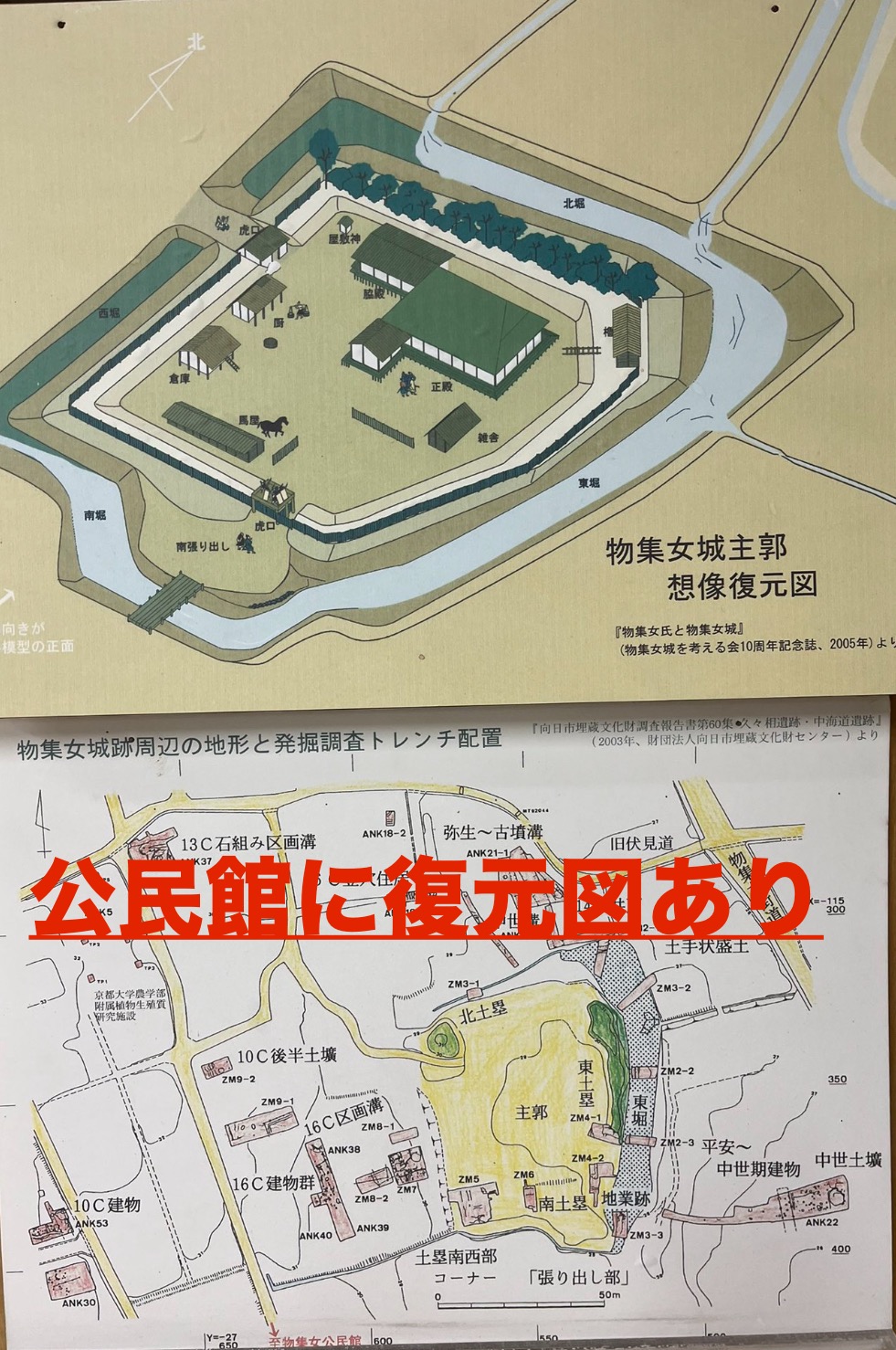
Yagi Castle is a complex, stepped-type mountain castle utilizing the entire castle mountain. With the main keep at the summit, numerous baileys (enclosures) are arranged along multiple subsidiary ridges. This vast layout provides multiple layers of defense against enemy intrusion and can be considered the pinnacle of mountain castle construction technology during the Sengoku period.
The castle complex is broadly divided into the main enclosure and the secondary enclosure. The main enclosure contains major baileys such as the Honmaru, Ninomaru, and Sannomaru. The secondary enclosure contains numerous smaller baileys that functioned as watchtowers and supply bases, forming an organic defensive network as a whole.
Honmaru and Tenshudai
Located on the mountaintop, the Honmaru is the central facility of Yagi Castle. A stone-built foundation called the Tenshudai remains in the Honmaru, and it is believed that a structure such as a keep or turret once stood here.
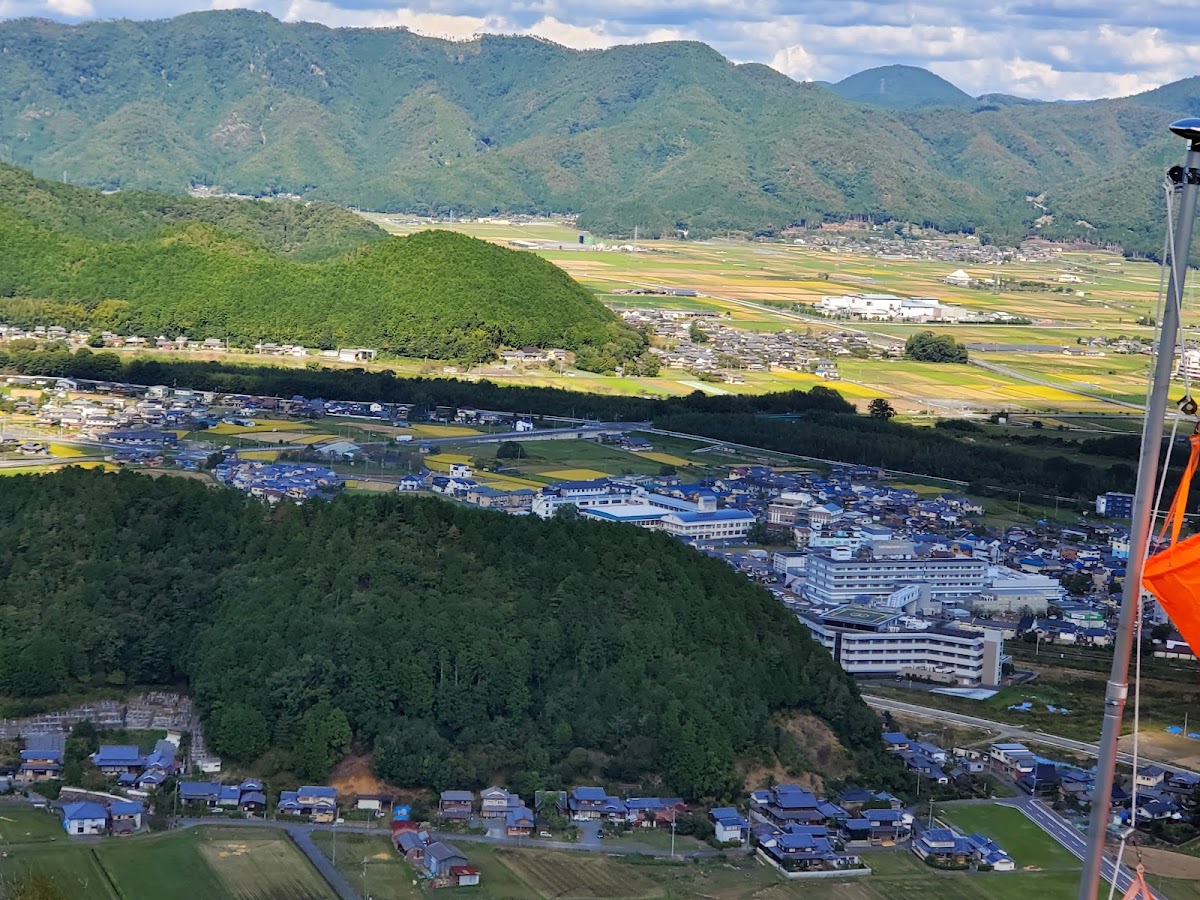
The stone walls of the Tenshudai were constructed using the Nozurazumi technique, skillfully stacking natural stones, making it a valuable historical site illustrating the evolution of stone wall construction techniques from the Sengoku period to the Toyotomi period. From the Honmaru, one can enjoy a panoramic view of the town of Yagi and the surrounding mountains, suggesting its effective military surveillance function.
Characteristics of the Stone Walls
The stone walls of Yagi Castle remain in various locations within the castle grounds, exhibiting several variations in construction period and techniques. The oldest sections are from the Sengoku period (Warring States period), employing a simple technique of stacking natural stones with minimal processing.
On the other hand, sections believed to have been renovated during the Toyotomi period show more advanced stonework techniques and a higher degree of stone processing. These stone walls are evidence important of the history of Yagi Castle, which was renovated and strengthened over multiple periods.
Enclosures and Defensive Structures
The enclosures surrounding the main keep were effectively positioned according to enemy invasion routes. Each enclosure was demarcated by earthworks and moats, designed to function as an independent defensive unit.
Particularly noteworthy are the moats along the main invasion routes. By deeply digging into the ridges, these moats functioned as obstacles to hinder enemy advances. The moats, still clearly visible today, demonstrate the high level of civil engineering technology of the time.
Structure of the Entrances (Koguchi)
Yagi Castle has multiple entrances (koguchi), each with a cleverly designed defensive structure. These entrances were not merely entry points; they functioned as devices to lure enemies into narrow spaces for concentrated attacks.
Some of the entrances feature a square-shaped structure surrounded by stone walls, which is believed to be a result of renovations during the Toyotomi period. Such advanced defensive techniques indicate that Yagi Castle was not merely a local mountain castle, but an important strategic location incorporating the latest technology of the time.
Remains of Yagi Castle
Existing Remains
Currently, the following remains can be observed from the ground surface at the Yagi Castle site:
- Main Enclosure Site: A flat area at the mountaintop where the castle’s central facilities were located.
- Tenshudai (Castle Tower Base): A stone foundation built with stone walls, the site of a castle tower or turret.
- Stone Walls: Stone walls remaining in various locations, including rough-hewn and fitted stonework.
- Kuruwa (Enclosures): Dozens of flat areas of varying sizes.
- Moat: A defensive structure cutting off the ridge.
- Earthwork: An earthen embankment surrounding the enclosures.
- Vertical Moat: A moat dug into the slope.
These remains are preserved in relatively good condition even after more than 400 years, conveying the appearance of a mountain castle from the Sengoku period.
Preservation of the Ruins
Because the Yagi Castle ruins remained untouched for many years, the ruins are relatively well-preserved. In particular, the stone walls show little collapse, and many parts retain their original appearance from the time of construction.
Preservation activities such as tree felling and undergrowth clearing have been carried out in the main keep and major enclosures, improving the visibility of the ruins. However, some enclosures and moats are covered with trees, requiring specialized knowledge to grasp the overall layout.
Excavation and Research
Previous Investigations
Multiple archaeological excavations have been conducted at the Yagi Castle ruins. These investigations have yielded much knowledge about the castle’s structure, period of use, and the circumstances of its abandonment.
Particularly important discoveries include the excavation of roof tiles and ceramics from the Toyotomi period. These artifacts provide physical evidence supporting renovations by Akechi Mitsuhide and the castle’s use under the Toyotomi regime. Furthermore, the discovery of burnt soil layers indicates the intensity of the fighting during the castle’s fall.
Latest Research Findings
Recent research has advanced the creation of castle layout maps and detailed analysis of the stone walls. Topographic surveying using laser surveying technology has revealed micro-topography in areas covered by trees, which was previously difficult to ascertain.
These studies have revealed that Yagi Castle was not built in a single period, but was expanded and renovated in stages over multiple periods. In particular, the renovations by Akechi Mitsuhide were large-scale and are thought to have significantly improved the castle’s defensive capabilities.
Highlights of Yagi Castle
Ascent Route
A hiking trail is maintained from the Hongō settlement at the foot of the mountain to Yagi Castle. The climb from the trailhead to the main keep takes approximately 40 minutes to 1 hour, but guide signs are installed along the way, making it relatively safe even for beginners.
There are two main routes to the castle: one is a gentle ridge path on the south side, and the other is a steep path on the east side. The southern route is longer but has a gentler slope, while the eastern route is shorter but features a steep climb.
View from the Main Enclosure
Upon reaching the main enclosure, a magnificent view unfolds, offering panoramic vistas of the town of Yagi and the surrounding mountains. On clear days, you can even see as far as Kyoto city, giving you a real sense of the strategic importance of this location.
The view is particularly excellent during the clear autumn and winter months. In spring, mountain cherry blossoms bloom, and in the season of fresh greenery, you can enjoy lush green scenery.
Points to Observe the Stone Walls
The stone walls of Yagi Castle remain around the main enclosure and in the main baileys. The stone walls of the main keep’s base, in particular, are impressive, reaching heights of approximately 3 to 5 meters.
When observing the stone walls, paying attention to the stacking method and the types of stones used can lead to interesting discoveries. In the sections with rough-hewn stones, natural stones are used as they are, while in the later renovated sections, processed stones are used, allowing us to see the difference in technology over time.
Exploring the Enclosures
Besides the main enclosure (Honmaru), numerous other enclosures (Kuruwa) remain at Yagi Castle. Exploring these allows us to understand the overall structure and defensive mechanisms of the castle.
In particular, the ridge extending northeast from the main enclosure has a continuous arrangement of enclosures, indicating that the castle was heavily guarded against enemy incursions from this direction. Moats are provided between each enclosure, demonstrating the multi-layered defensive structure.
Related Historical Sites in the Surrounding Area
Yagi-do Castle
Located northeast of the Yagi Castle ruins, Yagi-do Castle is considered a relic that conveys the layout of the castle from the Nanboku-cho period (Northern and Southern Courts period). Unlike Yagi Castle, which has stone walls, it has a structure mainly consisting of earthworks and moats, indicating an older form of castle construction.
Yagi-do Castle is thought to have functioned as an integral part of Yagi Castle, and visiting both together allows for an understanding of the castle’s development process.
Tonoyashiki Site
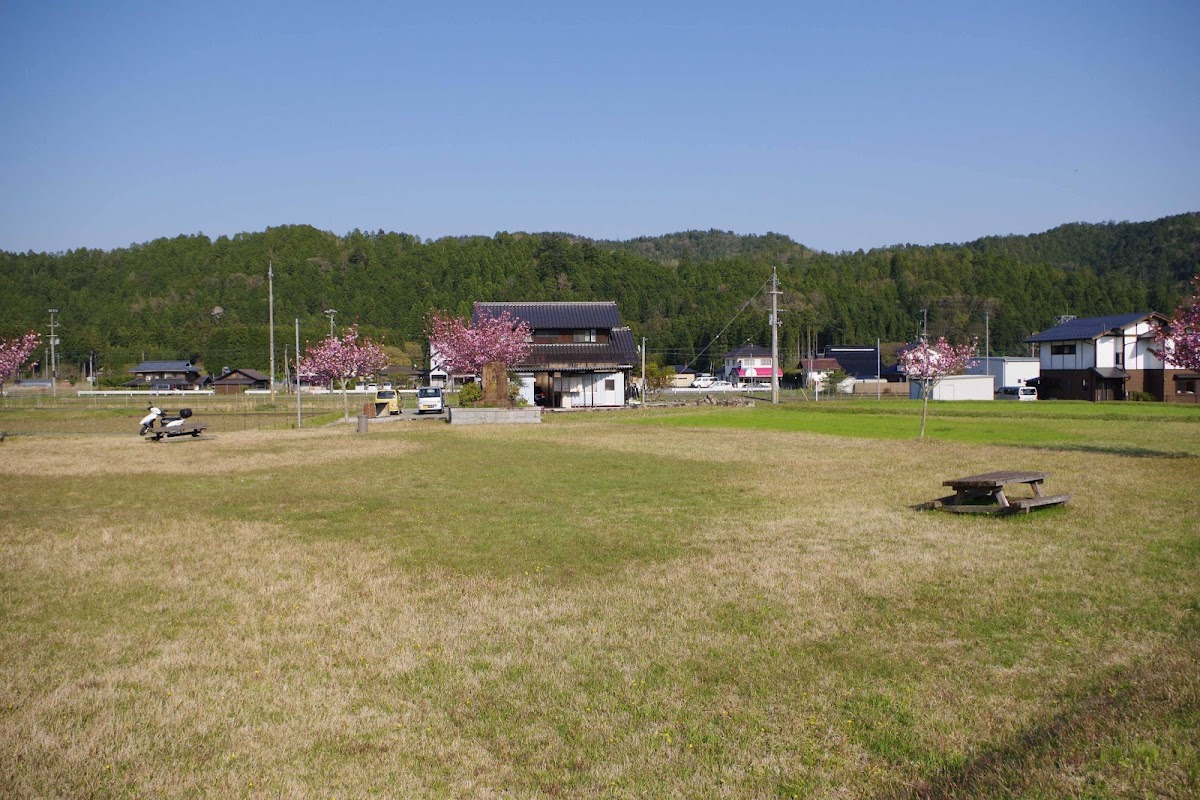
The Tonoyashiki Site, located at the foot of the mountain, is believed to be the site of the Naito clan’s residence from the Kamakura period. Archaeological excavations have confirmed the remains of buildings and wells, suggesting that the Naito clan’s residence was located here before the construction of the mountain castle.
The Tonoyashiki Site is a typical example of medieval castles, demonstrating how the clan used their residence as a living space during peacetime and defended Yagi Castle on the mountaintop during wartime.
Akabuchi Shrine and Akabuchi Ruins
Around Akabuchi Shrine, the tutelary shrine of the Naito clan, lies the Akabuchi Ruins. This site was the center of worship for the Yagi clan (Naito clan) and is an important historical site that conveys a cultural aspect distinct from the castle remains.
Access to Yagi Castle
Access by Public Transportation
Train:
- Get off at JR San’in Main Line “Yagi Station,” then walk approximately 20 minutes to the castle entrance.
- Approximately 1 hour from Kyoto Station to Yagi Station.
Bus:
- It is possible to use the community bus from Yagi Station, but the number of services is limited, so it is recommended to check the timetable in advance.
Access by Car
Expressway:
- Approximately 10 minutes from “Yagi-Higashi IC” or “Yagi-Nishi IC” on the Kyoto Jukan Expressway.
- There are a few parking spaces near the castle entrance.
General Roads:
- Accessible via Prefectural Road from National Route 9.
- It is convenient to enter “Hongo, Yagi-cho, Nantan City” into your car navigation system.
Precautions When Visiting the Castle
- Clothing: As it is a mountain castle, comfortable walking shoes and clothing are essential.
- Estimated Time: Please allow approximately 2 to 3 hours for the round trip.
- Drinking Water: There are no vending machines in the mountains, so please bring plenty of drinking water.
- Season: Insect repellent is necessary in summer, and warm clothing is necessary in winter.
- Weather: It is recommended to avoid climbing the castle in rainy weather as the ground can become slippery.
Cultural Property Designation of Yagi Castle
Yagi Castle ruins are recognized as an important cultural property due to their historical value and the excellent state of preservation of the remains. Efforts are being made to balance preservation and utilization as a valuable historical site that conveys the history of the region.
Nantan City has formulated a preservation and maintenance plan for Yagi Castle ruins, and is working to balance the protection of the remains with ensuring the safety of visitors. Regular grass cutting, installation of information boards, and maintenance of hiking trails are being carried out, creating an environment where more people can safely experience history.
Yagi Castle and Naito Joan
Indispensable to discussing Yagi Castle is the existence of Naito Joan (Naito Joan), known as a Christian daimyo. He was the lord of Yagi Castle at the end of the Sengoku period, a Christian who permitted missionary work within his territory.
Naito Joan survived the loss of Yagi Castle during Akechi Mitsuhide’s conquest of Tanba, and later served Toyotomi Hideyoshi and Tokugawa Ieyasu. When the ban on Christianity intensified during the Edo period, he traveled to Macau and Manila, and is believed to have died in Manila.
Yagi Castle is historically interesting as it was the residence of such an internationally-minded Sengoku warlord.
Comparison of the Three Great Mountain Castles of Tanba
Yagi Castle, along with Kuroi Castle and Yagami Castle, is counted among the three great mountain castles of Tanba, but each has its own unique characteristics.
Kuroi Castle (Tanba City, Hyogo Prefecture) was the residence of the Akai clan and is known as the castle where Akechi Mitsuhide faced the most difficulty. Built on a mountaintop at an altitude of 356 meters, it boasted strong defensive structures.
Yagami Castle (Tannan City, Hyogo Prefecture) was the residence of the Hatano clan and the base of the most powerful family in the Tanba region. It is characterized by its vast castle grounds and complex layout.
Yagi Castle is particularly noteworthy among these three castles for its extensive grounds and the well-preserved remains, such as its stone walls. Visiting all three castles allows for a deeper understanding of the Sengoku period history of the Tanba region.
Preservation and Utilization of Yagi Castle Ruins
Preservation Activities
The preservation of Yagi Castle Ruins is a collaborative effort involving local residents, history enthusiasts, and the local government. Regular grass cutting and cleaning activities are carried out, and measures are taken to prevent the deterioration of the remains.
Regular monitoring of areas at risk of collapse and necessary repair work are implemented, especially regarding the stone walls. However, repairs are out carefully under the guidance of experts to avoid compromising the cultural value of the site.
Utilization Initiatives
Nantan City and the local tourism association are working to utilize the Yagi Castle ruins as a regional tourism resource. This includes holding regular guided tours, creating brochures, and disseminating information through websites.
Furthermore, local schools provide opportunities for students to visit the Yagi Castle ruins as part of their local history studies, demonstrating a commitment to passing on history to future generations.
Recommended Times to Visit Yagi Castle
Best Season
The best seasons to visit Yagi Castle are spring (April to May) and autumn (October to November). The temperatures are mild during these times, making it suitable for hiking. Autumn, in particular, offers beautiful autumn foliage and excellent views.
Summer (June to August) is hot and insect-heavy, so adequate precautions are necessary. Winter (December to February) may bring snow and ice, so caution is advised when climbing the castle.
Estimated Time Required
- From the entrance to the main keep: 40 minutes to 1 hour
- Visiting the main keep: 30 minutes to 1 hour
- Descending the mountain: 30 minutes to 40 minutes
- Total: Approximately 2 to 3 hours
If you have extra time, exploring the surrounding baileys will give you a deeper understanding of Yagi Castle. In that case, please allow an additional 1 to 2 hours.
Combined Sightseeing
In addition to visiting the Yagi Castle ruins, we recommend visiting the following tourist spots:
- Miyama Kayabuki no Sato: A traditional village with thatched roofs, about 30 minutes by car from Yagi
- Rurikei: A valley rich in nature where you can enjoy hiking
- Michi-no-Eki Kyoto Shinkoetsu-mura: Enjoy local specialties and meals
Summary
Yagi Castle is an important mountain castle indispensable when discussing the Sengoku period history of the Tanba region. With its vast grounds, well-preserved remains, connections to the Naito clan and the Christian daimyo Naito Joan, and its fall to Akechi Mitsuhide, this castle boasts numerous historical episodes, allowing visitors to feel the spirit of the Sengoku period.
The view from the 330-meter-high mountaintop is magnificent, and the remains such as the main keep, castle tower base, and stone walls still convey their original appearance. While climbing requires physical stamina, it is a historical site well worth the effort.
When visiting Nantan City in Kyoto Prefecture, be sure to visit Yagi Castle ruins and experience the history and charm of this castle , which flourished as one of the three great mountain castles of Tanba. It will be a valuable opportunity to experience firsthand the appearance of a Sengoku period mountain castle.