Tsuruga Castle Complete Guide: History, Highlights, and Access Information for the Red-Tiled Keep
Tsuruga Castle (Wakamatsu Castle), a beloved symbol of Aizuwakamatsu City, Fukushima Prefecture, is a famous castle with the only red-tiled keep in Japan. Boasting a history of approximately 630 years, it withstood the fierce attacks to be an impregnable fortress. This article comprehensively introduces information you should know before visiting, from the history of Tsuruga Castle to the highlights of the keep museum and access information.
What is Tsuruga Castle?: A Symbol of Aizuwakamatsu City
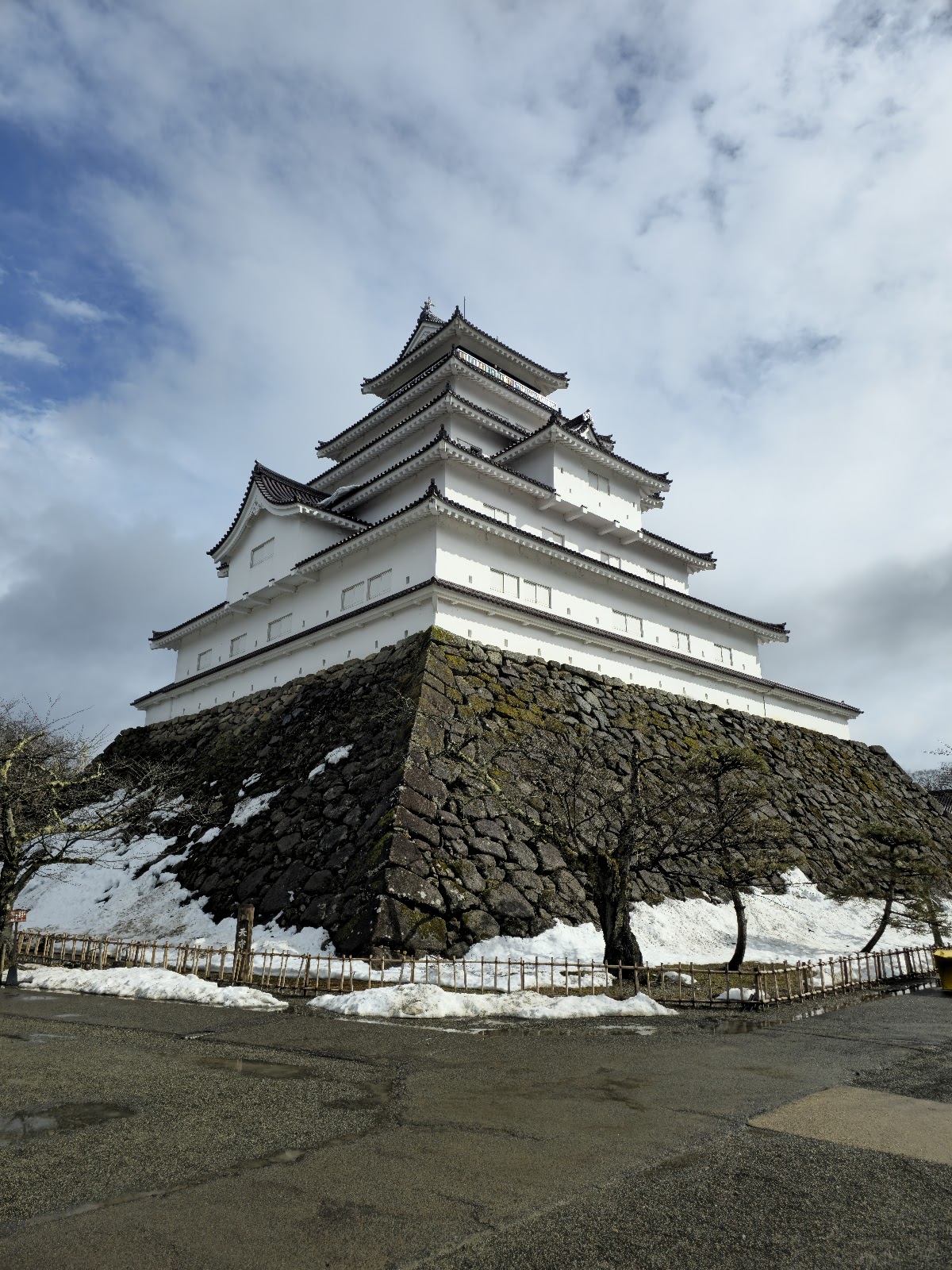
Tsuruga Castle, officially called “Wakamatsu Castle,” is one of Japan’s 100 Famous Castles, located in Otemachi, Aizuwakamatsu City. Locally known as “Tsuruga Castle,” it is now maintained as “Tsuruga Castle Park, 사이트.
The castle’s most distinctive feature is undoubtedly its red-tiled keep, which was restored in 2011. Tsuruga Castle is a rare example of a castle tower using red roof tiles, as it is the only one of its kind in Japan. Thisful- appearance from the late Edo period, is an important cultural asset that conveys the history of Aizu to the present day, attracting many tourists.
History of Tsuruga Castle: Over 630 Years
Muromachi Period: Construction of Higashi-Kurokawa Manor
The history of Tsuruga Castle dates back approximately 630 years to the first year of the Shitoku era (1384). In that year, Ashina Naomori built Higashi-Kurokawa Manor, which is considered the predecessor of Tsuruga Castle. The daimyo (feudal lord) that ruled the Aizu region and governed this area.
From the Sengoku Period to the Azuchi-Momoyama Period: Towards a Full-Fledged Castle
In the second year of the Bunroku era (1593), Gamo Ujisato, a vassal of Toyotomi Hideyoshi, was appointed to Aizu and constructed the first full-fledged castle tower in eastern Japan. Ujisato named this castle “Tsuru Aizu-Wakamatsu. It can be said that Tsuruga Castle took its basic form during this period.
After Gamo Ujisato, Uesugi Kagekatsu became the lord of the castle. After the Battle of Sekigahara, the Gamo clan again served as lords, followed by the Kato clan. In 1643, Hoshina Masayuki took control, and from then until the (Hoshina family) served as lords of the castle for generations.
Late Edo Period: The Boshin War and the Impregnable Castle
Tsuruga Castle became famous throughout Japan during the Boshin War of 1868 (Keio 4/Meiji 1). In this battle, where the new government forces clashed with the former shogunate forces, the Aizu domain fought on the side of the former
During the siege that lasted for about a month, Tsuruga Castle withstood the fierce bombardment of the new government forces. Tsuruga Castle, as the site of the tragedy of the Byakkotai (White Tiger Corps) and the Aizu War in which women participated in combat, e fortress.” However, the Aizu domain ultimately surrendered, and the castle was handed over to the new government forces.
After the Meiji Era: Dismantling and Reconstruction
In 1874 (Meiji 7), the castle tower of Tsuruga Castle was dismantled due to government policy. For a long time afterward, the castle tower remained without a tower, but in 1965 (Showa 40), a reinforced concrete tower was
Furthermore, in 2011 (Heisei 23), restoration work to the red-tiled roof of the tower from the late Edo period was completed, resulting in its current appearance. This red-tiled roofing is highly regarded as an accurate restoration based on histori
Highlights of the Castle Tower Museum
The interior of Tsuruga Castle’s keep is open to the public as the “Wakamatsu Castle Keep Local History Museum,” exhibiting a diverse range of Aizu historical materials.
Exhibits on Each Floor
The keep has a five-story structure, with different themed exhibits on each floor. The first floor provides an overview of Aizu’s history, the second floor features materials related to the Boshin War, the third floor displays exhibits on the changes fourth floor introduces Aizu’s culture and crafts.
The Boshin War-related exhibits are particularly extensive, featuring a wealth of artifacts from the Byakkotai (White Tiger Corps), weapons from the time, and materials depicting the battles. These are invaluable materials that allow visitors to experience firsthand samurai.
Views from the Keep
From the top floor, you can enjoy a 360-degree panoramic view of Aizu-Wakamatsu city, including the majestic mountains of Mount Bandai and the Iide mountain range. You can enjoy beautiful scenery throughout the seasons, from in fall. Especially during cherry blossom season, the contrast between the cherry blossoms in Tsuruga Castle Park, selected as one of “Japan’s Top 100 Cherry Blossom Viewing Spots,” and the castle tower creates a spectacular view.
Characteristics of Red Tiles
The Red tiles of Tsuruga Castle are made using a unique method suited to the climate of the Aizu region. In Aizu, a cold region, red tiles, which are superior to ordinary black tiles in terms of cold resistance and durability, were used. These red tiles are reddish-brown color comes from the use of clay with a high iron content.
Currently, Tsuruga Castle is the only castle in Japan with a castle tower featuring these red tiles, and its rarity and beauty attract many castle enthusiasts and photography lovers.
Rinkaku Tea House: A Famous Tea House Built by a Descendant of Sen no Rikyu
Within the grounds of Tsuruga Castle is a valuable structure called Rinkaku Tea House. This tea room is a historically significant tea room said to have been built by Shoan, the son of Sen no Rikyu (who was ordered to commit seppuku by Tosoto
At the Rinkaku Tea Room, you can enjoy matcha green tea and Aizu-style Korean sweets, spending an elegant time in a historical space. The architectural style of the tea room is also a highlight, allowing you to feel the simple yet refinedu
Visitor Information: Opening Hours and Admission
Tenshukaku Museum Opening Hours
- Opening Hours: 8:30 AM – 5:00 PM (Last entry at 4:30 PM)
- Closed Days: Open year-round
Opening hours are the same throughout the year, but may change depending on the season or events. It is recommended to check the official website before visiting.
Castle Tower Museum Admission Fee
Individual Rates
- Adults: 410 yen
- Elementary and Junior High School Students: 150 yen
Group Rates (30 or more people)
- Adults: 360 yen
- Elementary and Junior High School Students: 135 yen
Combined Ticket (Castle Tower & Rinkaku Tea Room)
- Adults: 520 yen
- Elementary and Junior High School Students: 150 yen
Admission is free for the person with a disability and one caregiver upon presentation of a disability certificate. Discounts may also be available with various discount coupons issued by the Aizu-Wakamatsu Tourism Bureau, or with tickets for sightseeing buses and rental bic
Admission to Tsuruga Castle Park
Tsuruga Castle Park itself is free to enter and enjoy a stroll. Only the museum inside the castle tower and the Rinkaku Tea Room require an admission fee.
Access Information: How to Get to Tsuruga Castle
Access by Train
From JR Aizu-Wakamatsu Station
- Approximately 20 minutes by the sightseeing bus “Haikara-san” or “Akabee,” get off at “Tsuruga Castle Entrance,” then a 5-minute walk.
- Approximately 15 minutes by the city sightseeing bus, get off at “Tsuruga Castle North Entrance,” then a short walk.
- Approximately 10 minutes by taxi.
The sightseeing bus is a convenient mode of transportation that tours the main tourist spots in Aizu-Wakamatsu City. A one-day pass (600 yen for adults, 300 yen for children) allows you to efficiently enjoy sightseeing in the city.
Access by Car
- Approximately 15 minutes from the Ban-etsu Expressway “Aizu-Wakamatsu IC”
- Approximately 15 minutes from the Ban-etsu Expressway “Aizu-Wakamatsu IC” via the Tohoku Expressway “Koriyama JCT”
For car navigation, it is convenient to enter “Tsuruga Castle Park” or “1-1 Otemachi, Aizu-Wakamatsu City.”
Bicycle Rental
Rental bicycles are available at JR Aizu-Wakamatsu Station and several other locations within the city. Aizu-Wakamatsu is relatively flat and suitable for sightseeing by bicycle. It takes approximately 15 minutes by bicycle from the allows you to efficiently visit not only Tsuruga Castle but also surrounding tourist attractions.
Parking Information
There are three paid parking lots near Tsuruga Castle.
Nishidemaru Parking Lot
- Capacity: 200 regular cars
- Rates: 200 yen for the first hour, 100 yen for each subsequent hour
- Location: The parking lot closest to the castle tower
East Entrance Parking Lot
- Capacity: 129 regular cars
- Rates: 200 yen for the first hour, 100 yen for each subsequent hour
South Entrance Parking Lot
- Capacity: 35 regular cars
- Rates: 200 yen for the first hour, 100 yen for each subsequent hour
All parking lots can accommodate not only regular cars but also large buses and motorcycles. During peak tourist seasons such as cherry blossom season and Golden Week, congestion is expected, so early arrival is recommended.
Tsuruga Castle Tower Museum Shop
The Tsuruga Castle Tower Museum Shop is located on the first floor of the castle tower, where you can purchase Aizu souvenirs and original Tsuruga Castle goods. A wide variety of Aizu-specific products are available, including Aizu lacquerwarecrafts Aizu’s famous sweets, and local sake.
Particularly popular are original products featuring the red roof tiles of Tsuruga Castle, and books and goods related to the Boshin War and the Byakkotai (White Tiger Corps). These are perfect for souvenirs to commemorate your visit or as gifts for loved ones.
Events and Exhibitions
Tsuruga Castle hosts various events and exhibitions throughout the year.
Main Annual Events
Spring: Tsuruga Castle Cherry Blossom Festival (Mid-to-late April)
Approximately 1,000 Somei Yoshino cherry trees bloom, and the castle is illuminated at night. The contrast between the cherry blossoms, selected as one of “Japan’s Top 100 Cherry Blossom Viewing Spots,” and the red
Autumn: Aizu Festival (Late September)
A major event where you can experience Aizu’s history and culture, including the Aizu Clan Lord’s Procession and a marching band parade. Events are held throughout the city, centered around Tsuruga Castle.
Winter: Tsuruga Castle Illumination
During the winter, a special illumination is held, making the snow-covered castle tower appear fantastically illuminated.
Special Exhibitions
The Castle Tower Museum regularly holds special exhibitions and displays. The themes are diverse, covering Aizu’s history, culture, and arts and crafts. The latest exhibition information can be found on the Aizu-Wakamatsu Tourism Bureau’s official website.
Nearby Tourist Spots
Here are some nearby tourist spots you might want to visit after visiting Tsuruga Castle.
Oyakuen Garden
A garden of the Aizu Matsudaira family, located about a 15-minute walk from Tsuruga Castle. Designated a national scenic spot, it offers beautiful scenery throughout the seasons.
Nanokamachi Street
A street that retains a retro townscape full of Taisho-era romance. Traditional storehouse-style buildings line the street, and cafes, galleries, and souvenir shops line the street.
이모리야마
A historical site known as the place where the Byakkotai (White Tiger Corps) committed suicide. From the summit, you can see the city of Aizu-Wakamatsu and Tsuruga Castle.
Aizu Samurai Residence
A facility that recreates the residence of Saigo Yorimoto, a senior retainer of the Aizu Domain. You can experience the life of a samurai during the Edo period.
Recommended Itinerary for Visiting Tsuruga Castle
Half-Day Course (Approx. 3 Hours)
- Visit Tsuruga Castle Keep (60 minutes)
- Matcha Tea Ceremony at Rinkaku Tea House (30 minutes)
- Stroll through Tsuruga Castle Park (30 minutes)
- Purchase souvenirs at the museum shop (30 minutes)
- Lunch at a nearby restaurant (60 minutes)
Full-Day Course (Approx. 6 Hours)
Morning: Tsuruga Castle → Rinkaku Tea House → Oyakuen Garden
Lunch: Cafes and restaurants on Nanokamachi Street
Afternoon: Iimoriyama → Aizu Samurai Residences → Stroll through Nanokamachi Street
By using rental bicycles or sightseeing buses, you can efficiently visit the main tourist spots in Aizuwakamatsu City.
Photo Spots
Tsuruga Castle has many spots perfect for taking pictures.
Recommended Photo Spots
View from Kitademaru
A classic spot where you can capture the entire keep. The cherry blossom season offers particularly beautiful compositions.
In front of the Nishidemaru stone wall
You can photograph the stone wall and the castle tower together, capturing the majesty of the castle.
The castle tower across the moat
The “inverted Tsuruga Castle” reflected in the moat’s surface is a popular photo spot.
View from the top floor of the castle tower
This is a spectacular viewpoint offering panoramic views of the Aizu Basin and the surrounding mountains.
Notes and Manners for Visitors
- The stairs inside the castle tower are steep, so we recommend wearing comfortable shoes.
- Photography is permitted inside the castle tower, but flash photography is prohibited to protect the exhibits.
- Smoking is prohibited in the park. Please use the designated smoking area.
- Pets are not allowed inside the castle tower (except for assistance dogs such as guide dogs).
- The castle gets very crowded during cherry blossom season and long weekends, so we recommend planning your visit with plenty of time to spare.
To Learn More About Aizu’s History
Before visiting Tsuruga Castle, studying Aizu’s history and the Boshin War beforehand will allow you to enjoy your visit more deeply. It is especially helpful to know about the following topics:
- The origins of the Aizu Domain and its successive lords
- The course of the Boshin War and the Aizu War
- The tragedy of the Byakkotai (White Tiger Corps)
- Niijima Yae (from Aizu who contributed to the founding of Doshisha University)
- The Aizu Domain’s “Jū no Okite” (Ten Commandments) and the spirit of Bushido
Having this knowledge will make the exhibits at the castle tower museum easier to understand and allow you to deeply appreciate the history and culture that the people of Aizu have cherished.
Summary: Experience Aizu’s History and Culture at Tsuruga Castle
Tsuruga Castle, with its approximately 630-year history, is a symbol of Aizu-Wakamatsu City, etched in history as an impregnable fortress during the Boshin War. As the only castle in Japan with a red-tiled keep, its beauty and historical
At the castle keep museum, you can view a variety of Aizu’s historical materials, and at the Rinkaku tea room, you can enjoy matcha tea in a tea room associated with Sen no Rikyu. Tsuruga Castle displays beautiful scenery throughout the seasonscher in summer, vibrant autumn leaves, and snowscapes in winter—offering new discoveries with every visit.
Access from Aizu-Wakamatsu Station is excellent, and you can efficiently enjoy sightseeing in the city using the sightseeing bus or rental bicycle. Ample parking is also available, making it convenient to access by car.
Tsuruga Castle can be enjoyed by a wide range of people, from history buffs and castle enthusiasts to photography lovers and families. Please visit this magnificent castle, where you can truly experience the history and culture of Aizu. The pride and histo surely be deeply etched in your heart.