Akizuki Castle history and light points explanation | Kurota family famous castle ruins, Chikuzen Little Kyoto
Akizuki Castle was located in Nomachi, Chōkyō City, Fukuoka, and was the site of the castle’s fort in the Edo period, and Akizuki City was also known as “Chikuzen Little Kyoto”. It was built by Nagahiro Kuroda, the third son of Nagamasa Kuroda, which included a troupe and functional defensive fort, a black gate, a fortress gate, etc. The historical construction of the castle is currently on hold at the time of its arrival. Text details: Autumn Castle, historical background, travel information from around the world to bright spots, and the colorful story of Autumn Castle.
Akizuki Castle Summary | Basic information and overview
Akizuki Castle (Akizuki Castle), also known as “Akizuki Aya”, was the castle fortress of Yamagata during the Eko era. Qiuyue Castle is designated as a historical site in the city of Fukui, the castle gate (black gate) is designated as a tangible cultural heritage.
Geographic location and geographic expedition
Qiuyue Castle is located in Fufuji, Noding Town, Chaoyu City, Beikong, a small basin at the foot of Mt. Jianyu. In the back, there are mountain peaks, and in front of the river, there are clever land uses. The castle fort surface is approximately 180 meters long, and it is a small castle-style fort with a special plains fort.
Fortress Alternative Name
Akizuki Castle also known as “Akizuki Aya”. This is why Akizuki Castle was built in the style of an “aiya” residence for feudal lords during the Edo period. Its special features are practicality, unused castle tower gate, branch Omote Palace (office office) and Waoku Palace (owner’s residential area).
History of Akizuki Castle | Built by the Kurota family and Akizuki clan
Akizuki Clan’s establishment and Kurota Chosuke
In 1623 (the 9th year of Motna), the lord of the Fukuoka domain, Nezumasa Kuroda, left the area, and the Shogun, Yu Antsu, acquired 50,000 koku of land in the three areas of Shimoza Wa, and his three children, Chosuke Kuroda, completed the establishment of the Akizuki domain. The Akizuki clan is a branch of the Fukuoka clan.
The following year, in 1624, Kuroda Nagahiro entered Akizuki, and the commander Akizuki Castle was built and defended his residence. Nagahiro is the son of Kuroda Josui (宽平卫), an important member of the Kuroda family, and other members of the Akizuki district.
Akizuki’s historical background
At first, when the country arrived at the time of the war, the Akizuki clan was established in the first district. In 1203, the castle was built by Akizuki Seibu on Mt. Ikeyama Castle, which was the Akizuki clan’s residence (Sugimoto Castle) at the foot of the mountain.
During the War of Japan, the Akizuki clan was a powerful local clan in the Kyushu region, but in 1587, when the vassal Hideyoshi conquered Kyushu, the Akizuki clan surrendered and separated from the Akizuki region. After this, the Kurota clan became the lord of the Fukui domain, and the Kurota family was established in the Akizuki area.
Naoyuki Kurota and Akizuki Castle’s source
Akizuki Castle’s predecessor was Mizuyuki Kurota’s younger brother, and Naoyuki Kurota, a Christian disciple, lived here. Akizuki Castle, the administrative center of the Akizuki clan, was built by Nagahiro Kuroda, who continued to build and build the castle.
The Meiji era arrives
The Kuroda family was established in the Akizuki domain during the Edo era. At present, Akizuki Junior High School was built on the former site of the Omote Palace (front palace), which was the administrative center at the time. Oku-goten (inner palace) is the area where the feudal lord and his family lived.
After the Meiji era, the feudal system was abolished, the prefectures were established, and the Akizuki domain was abolished. However, in 1880 (Meiji 13), Mizutomo Shrine was built by Akizuki Kurota Domain founder Takahiro Kurota, and the main gate (black gate) of Akizuki Castle was transferred to the shrine entrance, and the main gate of Seitou Shrine.
Akizuki Castle’s Organization and Provisions Bureau
Features of Aya style castle fort
Akizuki Castle is a typical castle-style castle fort, which is actually used for construction, and has an abandoned castle tower or a high-class stone tomb. This has resulted in the influence of the Eiji Shogunate’s “One Domain, One Castle” law, which has been designed to provide advanced administrative functions, and at the same time to provide the necessary defenses for the residence of the feudal domain.
Maemiya Yonai Shrine
The main area of the fort. The former shrine was the feudal lord’s administrative office, and is currently the location of Akizuki Junior High School. Naishi is the private residence space of the feudal lord and his family, including their residence and Japanese flower garden.
Use of terrain for defense design
The castle fort is a natural defensive fortress on the back side of the fortress, and the castle river is used by the Natori River in the front, forming a small but effective defense system. A stone tomb covered with moss and straw that is beautiful and beautiful to see in the castle fort.
Akizuki Castle Ryoten | Existing historical construction
Black Gate (Main Gate) | Koshuang Mountain Castle Palace
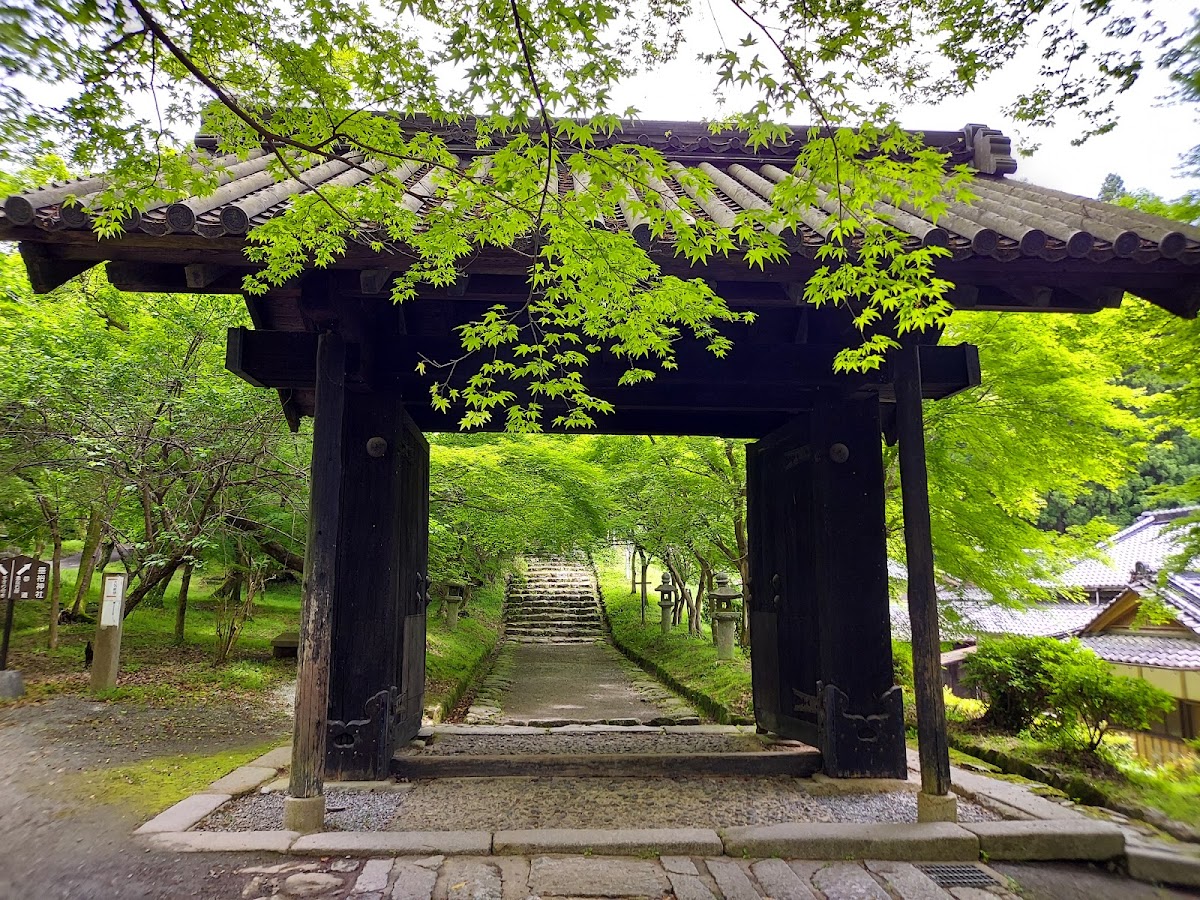
Autumn Castle Main Gate, commonly known as “Black Gate”, is a representative building of the Autumn Castle ruins. This is a monument to the back gate of Koshoyama Castle, which was built during the late medieval period when the Akizuki clan lived there.
After the establishment of Akizuki Domain in 1623, this gate was used as the main gate of Akizuki Castle. In 1880, the entrance to Mizutomo Shrine was opened, and the main gate was used as the main gate for Jokonsakutou Shrine.
The black gate is designated as a tangible cultural treasure, and its construction is an important symbol of the construction of Japanese history. In particular, the season of spring blossoms blooming and fall red leaves falling, black and natural harmony intermingle, and the composition is a beautiful painting.
Takaya Gate | A relic of a samurai residence
The long-house gate is an important building designated as a Fukue-ku. The structure was typical of the residence of the samurai during the Edo period, and the appearance of the castle in Akizuki Castle at that time.
There were two rooms in the fortress, and the guardian and vassals lived there. The current longhouse gate is perfectly preserved and is a treasure trove of construction techniques from the Jiangzhou era.
石墙 |Watch the history of moss straw cover
The ruins of Akizuki Castle are still on hold, and the moss moss is beautiful. This small moss-covered stone tomb is an important part of Akizuki Castle’s long history.
The stone citadel construction method was realized in the early Jiang Dynasty special expedition, and the construction of the fort was understood to be a rare historical example. Of course, after the rain, the tide turns wet, and the moss and straw turn green, giving rise to a variety of fantastical patterns.
Suidama Shrine | Shrine dedicated to Kurota Nagahiro
Suidama Shrine was first built in 1880 (Meiji 13), and the Akizuki clan’s chief lord, Nagahiro Kuroda, served as the shrine. The black gate (main gate) was the site of the current entrance to the shrine, the shrine where the envoys were visiting, and the historical ruins of Akizuki Castle.
The shrine’s four surroundings are a peaceful and peaceful haven, making it an ideal resting place for historical travelers. The blooming of maple flowers in spring, the fall of red leaves in autumn, the beauty of the four seasons, the beauty of the four seasons, and the beauty of the four seasons.
Chikuzen Little Kyoto | Akizuki charm
Castle town atmosphere
Akizuki has been praised as “Chikuzen Little Kyoto”, and the atmosphere of the castle town has been preserved ever since. The stone tombs and earthen tombs of the samurai residences standing on the highway, the historical architecture of the narrow streets and the scattered ruins, and the various historical sites of the Buddha’s residences.
The ruins of Qiuyue Castle are approximately 70 minutes by car from the center of Fujia City, far away from the hustle and bustle of the city, and the environment is clean and tranquil, making it an ideal destination for historical walks.
Winning place
The site of Qiuyue Castle is one of the most prestigious places in the world. There are many kinds of flowers planted around the black gate, the spring weather is full, the flowers are in full bloom, the general black gate has a beautiful scenery, and the scenery is beautiful.
The roads of the fort are open, the tunnels are open, the walls of the walls are reflected, and the scenery is as beautiful as ever, attracting visitors every year. When the castle fort was at night, the lights were shining brightly, and the visitors were there at night, and after the curtain came down, the sight of the lost man was also beautiful.
Winning place
In autumn, the site of Qiuyue Castle is a famous place of victory. It is a beautiful picture book that shows the history of the construction and construction of the five-color pattern, including the other trees, the black gate, the stone wall, and the old man.
The best time to visit is mid-late November, when the leaves are red and yellow, and the autumn castle ruins are dyed with a beautiful color. At the Akizuki Castle site, seasonal events such as the “Autumn Moon Red Leaf Festival” are held, attracting a large number of visitors.
Yokoshoyama Castle series | From the medieval period to the early modern period
History of Yukishoyama Castle
Yuzhuangshan Castle is a medieval Qishan Castle, located near Shanyang, Jianyu Yuzhuangshan (860 meters), behind Qiuyue Castle. It was built in the 3rd year of the Kennin era, or 1203, when the castle was built by the Qiu Yue clan.
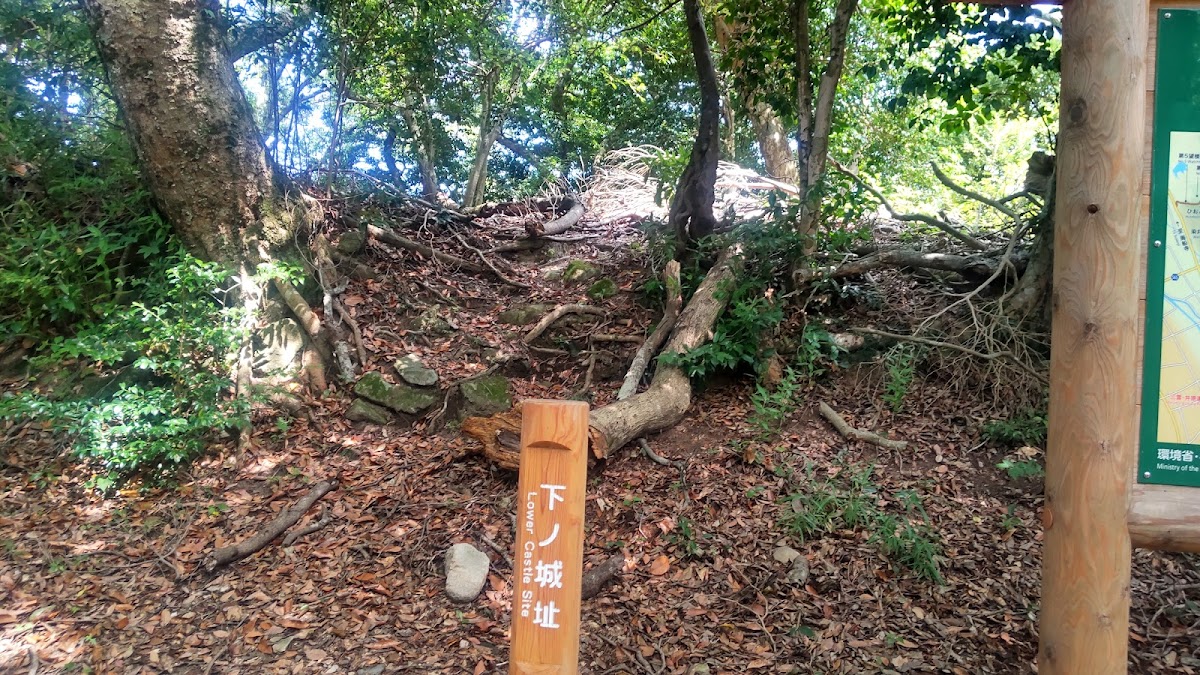
Sakutai Ichiza Yamashiro, Yukisho Yamashiro’s use of the mountain’s topography, solid defense construction, and important position in Kyushu’s mountain castles. The stone fort still exists today, and is still accessible by walking along the path.
After the door arrives
Installation: The black gate of Akizuki Castle. The back gate (empty gate) is located on the back side of the fort in the city, and in case of an emergency situation, there is a way to escape from work, and a way to get there.
Akizuki Castle was located under the foot of the mountain, and the main gate (main gate) was covered with heavy new construction. Yes, it is a rare historical site, and at the same time, the history has been extended and disrupted.
Changing to Yushan Castle
The image of the mountain castle is a military defense fortress built by the cooperation of various countries, but during the peace era, its practical use gradually declined. Qiuyue Castle is built as a fortress-style shelter on the plains near the foot of Mt.Ushan, and its design and development are the central functions of politics and administration.
This is one of the important cases in the study of the history of the fortress, reflecting the various social changes from the time of war to the time of war.
Akizuki Castle Site Cultural Quality Designation
Fukujia designated historical monument
Akizuki Castle is designated as a designated historical site, and the designated historical site is protected. Due to its construction, the construction of the castle fort during the time of the Jiang Dynasty is an important historical site of the Kuroda family branch, and the history of the castle is very high, and it is recognized as a tangible cultural asset.
Designated tangible cultural goods
Black and long-term shop owners are designated as tangible cultural goods. The construction of the two seats is a rare cultural legacy, and the construction techniques of the Jiang Dynasty have been achieved, and reasonable security management has been achieved.
In addition, we will continue to carry out regular repairs and maintenance of the equipment, as well as the maintenance and maintenance of our facilities throughout our history.
Transportation and travel information
Transportation method
Self-indulgence
- Approximately 70 minutes by car from the center of Yufuji City
- Approximately 20 minutes from Oita Expressway Amagi Exchange Road
- Parking: Nearby multiple travel stops (available during the season)
Public transportation
- Passengers who visit the Amagi Station on the West Railway Tiancheng line open the Amagi station in the autumn moon, take about 20 minutes, and get off at the station.
- 从JR Lu儿岛本线木山站乘弘天城铁道到天城站,从后从天城站乘巴士
Reference information
- Visit time: Free of charge (however, the specific time may differ, for example Suitomo Shrine)
- Key vote: Disclaimer
- Accounting for the tour time:About the approximate demand for the castle fortifications 1-2 hours, the results include a tour, and the approximate demand for half an hour.
- Best season: 桱花season (late March to early April), red leaf season (mid-late November)
Wearing and precautions
In Yuyu City Fortress, there are many shoes on Tamaoshi Highway, and the construction is perforated and suitable for wearing shoes. If it rains, the demand will be small, so the road will be smooth. The sun shines brightly in the summer, the construction hat covers the sun, and the water is used for drinking water.
Nearby tourist attractions
Akizuki Museum
The museum exhibits Akizuki Castle and Akizuki Clan’s official materials, and you can read the history and culture of Akizuki. You can read more about the history of the Kurota family and the Akizuki clan era.
Samurai residence district
The scenery of the Akizuki castle town has been preserved, and the combination of stone and earthen walls is reflected, and the composition is very beautiful. In the middle of the journey, the feeling of history is deep and heavy, and the heart of the people and the gods are strong.
Eyeglass frame
The stone bridge crosses the river, which is a rare piece of history and the construction techniques of the Jiangzhou period. The mirror is inverted in the water, has a similar appearance, and has since been given this name.
Akizuki Local History Museum
Inside the hall, visitors can take a deep dive into the local culture.
Chaoshu Sanlian Water Car
It took about 20 minutes to get there in the morning, and it was a 20-minute ride in the autumn months.It was a Japanese nationally designated historical monument, and it was the agricultural water vehicle of the time when it was a long time ago. The oldest and most prestigious water vehicle in existence in Japan.
Example of Akizuki Castle tour itinerary
Half-day trip (about 3-4 hours)
- Resistance Akizuki Castle Ruins Bus Stop (9:00)
- Visit Kuromen Wasuito Shrine (9:15-9:45)
- Manbu Long House Gate (9:45-10:15)
- Manbu samurai residence street (10:15-11:00)
- Visit Akizuki Museum (11:00-12:00)
- Local restaurant luncheon (12:00-13:00)
All day trip (approximately 6-7 hours)
On the basis of a half-day trip:
- Viewing mirror
- Visit the Autumn and Moon Regional Museum of History
- Before walking to Shoyama Castle ruins (integrated physical strength enhancer) (Healthy body, 3-4 minutes return trip)
- Nearby store, Hosho Shinshin
History of Akizuki Castle
Kurota family branch status
The Akizuki clan was a division of the Fukuoka clan, and the Chikuzen Province had an important role in its creation. It was worth 50,000 koku, which was quite large, and the Kuroda family’s ability to organize was quite large.
District Cultural Center
Akizuki Castle and its castle town are the center of regional politics and culture. The fusion of samurai culture and citizen culture has created a unique regional culture.
Historical status of castle fort construction
The production is a fort in the style of an avalanche, which is a typical example of a castle fort during the Edo era. The castle tower is missing, the function of the watch is important, and the change in time is reflected.
Summary | Experience the charm of Akizuki Castle
Qiuyue Castle was originally built during the Jiang Dynasty, and is a typical castle fort. It is also an important historic landmark. Cultural treasures such as black gates and gates, as well as moss-covered stone walls and Japanese-style castle towns, have always been praised as “Chikuzen’s Little Kyoto”, which has attracted many visitors.
Beautiful scenery of the four seasons in Akizuki Castle: the splendor of maple flowers in spring, the red leaves in autumn; The story continues; the Kurota family branch of the production, Akizuki Castle’s visit to the rich culture, and the envoy’s development is a multi-level travel destination.
The site of Qiuyue Castle is about 70 minutes by car from Fukui City, convenient transportation, a quiet and peaceful haven, and an ideal place for a long history of walking. What do you want to do for a short weekend trip or a destination for exploring history? Drilling through the black gate, walking through the stone wall, returning to the history of the Akizuki clan during the Edo era, this was the first time the general was forgotten.