A Thorough Explanation of Akizuki Castle’s History and Highlights | The Kuroda Family’s Famous Castle Ruins Remaining in Chikuzen’s Little Kyoto
Akizuki Castle, located in Nocho, Asakura City, Fukuoka Prefecture, is an Edo period castle ruin remaining in Akizuki, known as “Chikuzen’s Little Kyoto.” Built by Kuroda Nagahiro, the third son of Kuroda Nagamasa, andit structures such as the Kuromon (black gate) and Nagayamon (long gatehouse) still convey the atmosphere of that time. This article provides a detailed explanation of Akizuki Castle, from its historical background and highlights to surrounding tourist information.
What is Akizuki Castle? | Basic Information and Overview
Akizuki Castle (Akizuki-jo), also known as “Akizuki Jinya,” is an Edo period hilltop castle. The castle ruins are designated as a Fukuoka Prefecture Historic Site, and the main gate (Kuromon) and Nagayamon are protected as
Location and Geographical Characteristics
Akizuki Castle is located in Nocho, Asakura City, Fukuoka Prefecture, built on the northern edge of a small basin at the foot of Mount Kosho. Protected by the mountains of Koshoyama at the rear and utilizing the Notorigawa River as an skillfully takes advantage of the terrain. The castle’s size is estimated to be approximately 180 meters square, making it a small castle in the style of a jinya (fortified residence) with characteristics of a flatland castle.
Alternative Names and Designations of the Castle
Akizuki Castle is also known by the alternative name “Akizuki Jinya.” This is because it was built in the style of a “jinya,” which refers to the residence of a daimyo (feudal lord) during the Edo period. It is characterized by was Omote-goten (office functions) and Oku-goten (the lord’s living quarters).
History of Akizuki Castle | The Kuroda Family and the Establishment of the Akizuki Domain
Establishment of the Akizuki Domain and Kuroda Nagaoki
In 1623 (Genna 9), according to the will of Kuroda Nagamasa, the lord of the Fukuoka Domain, 50,000 koku of land from within Yasu, Shimoza, and Kama districts was granted to his third son, Kuroda Nagaoki, establishing branch domain of the Fukuoka Domain.
The following year, in the first year of the Kan’ei era (1624), Kuroda Nagahiro entered Akizuki and developed Akizuki Castle as a fortified residence. Nagahiro was the nephew of Kuroda Josui (Kanbei), and as an important member of Kuroda 지역.
Historical Background of the Akizuki Clan
Originally, this area was ruled by the Akizuki clan from the Kamakura period to the Sengoku period. There is a castle called Koshoyama Castle, said to have been built by Akizuki Taneo on Mount Koshoyama in the third year of the Kennin the foot of the mountain was the Akizuki clan’s residence (Sugimoto Castle).
During the Sengoku period, the Akizuki clan boasted power as a powerful local clan in Kyushu, but they surrendered during Toyotomi Hideyoshi’s conquest of Kyushu in the 15th year of the Tensho era (1587) and left the Akizuki area. Fukuoka Domain, and the Akizuki area came under the control of the Kuroda family.
The Prehistory of Kuroda Naoyuki and Akizuki Castle
As a precursor to Akizuki Castle, there was a period when Kuroda Naoyuki, the younger brother of Kuroda Josui and a Christian, used it as his residence. Based on this residence, Kuroda Nagahiro restored and renovated it, completing Akizuki Castle as
From the Edo Period to the Meiji Restoration
The Akizuki Domain was ruled by the Kuroda family throughout the Edo period. The current Akizuki Junior High School stands on the site of the Omote-goten (front palace), which served as the administrative center at the time. The Oku-goten (inner palaces) family.
After the Meiji Restoration, the Akizuki Domain was abolished due to the abolition of the feudal domains and establishment of prefectures. However, in 1880 (Meiji 13), the Suiyu Shrine, dedicated to Kuroda Nagahiro, the founder of the Domain gate (Kuro-mon) of Akizuki Castle was relocated to the shrine’s approach and became the shrine’s gate.
Structure and Layout of Akizuki Castle
Characteristics of the Jinya Style
Akizuki Castle is a typical Jinya-style castle, with a practical structure lacking a keep or high stone walls. This was influenced by the Edo Shogunate’s “One Castle Per Province” decree, resulting in a design that prioritized administrative functions wh a branch domain’s residence.
Front Palace and Inner Palace
The castle grounds were divided into two main areas. The Front Palace functioned as the administrative office for the domain and is now the site of Akizuki Junior High School. The Inner Palace was the private living space for the lord and his family, containing residence and
Defensive Facilities and Utilization of Topography
Mount Koshoyama behind the castle served as a natural stronghold, and the Notorigawa River in front was used as an outer moat, creating a small but effective defensive system. Stone walls were placed throughout the castle, and beautiful today.
하이라이트의 아키즈키 성 | Existing Historical Buildings
Kuro-mon (Main Gate) | Remains of Koshoyama Castle
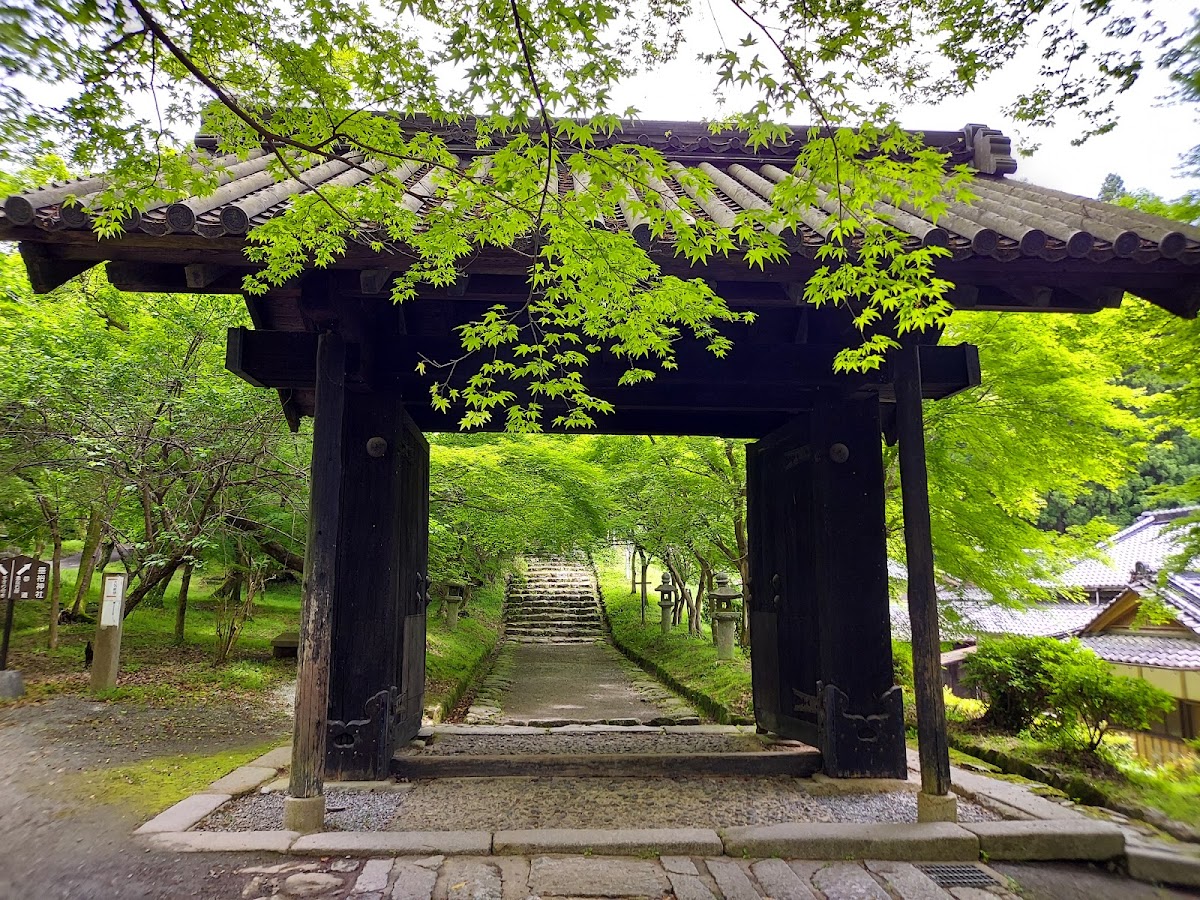
The main gate of Akizuki Castle, commonly known as “Kuro-mon,” is a representative structure of the Akizuki Castle ruins. It is believed to be a remnant of the rear gate (rear gate) of Koshoyama Castle, built by the Akizuki clan during
When the Akizuki Domain was established in 1623, this gate came to be used as the main gate (Otemon) of Akizuki Castle. In 1880, it was relocated to the approach to Suiyu Shrine and now functions as a shrine
The Kuro-mon is designated as a Fukuoka Prefecture Tangible Cultural Property, and its imposing construction and historical value make it a symbolic presence at the Akizuki Castle ruins. Especially during the cherry blossom season in spring and the autumn foliage season, thega
Nagaya-mon Gate | Traces of a Samurai Residence
The Nagaya-mon gate is an important structure designated as a Fukuoka Prefecture Tangible Cultural Property. It retains the typical form of a Nagaya-mon gate found in Edo period samurai residences, conveying the atmosphere of Akizuki Castle at that .
A Nagaya-mon gate has rooms on both sides, serving as a place for gatekeepers and retainers. The existing Nagaya-mon gate is well-preserved and is a valuable resource for understanding Edo period architectural techniques.
Stone Walls | Moss-Covered Witnesses to History
Stone walls remain throughout the Akizuki Castle ruins, many of them covered in beautiful moss. These moss-covered stone walls are an important element that tells the story of Akizuki Castle’s long history.
The construction method of the stone walls shows characteristics of the early Edo period, making them an interesting relic for learning about the history of castle architecture. Especially after rain or on humid days, the green of the moss stands out vivid.
Suiyu Shrine | A Shrine Dedicated to Kuroda Nagahiro
Suiyu Shrine was founded in 1880 (Meiji 13) and enshrines Kuroda Nagahiro, the first lord of the Akizuki Domain. The Kuromon (main gate) has been relocated and now serves as the shrine’s approach gate, allowingki their visit to the shrine.
The shrine grounds are enveloped in a tranquil atmosphere, making it an ideal resting spot during a historical stroll. Cherry blossoms in spring and autumn leaves in fall adorn the grounds, allowing visitors to enjoy the beauty of each season.
Little Kyoto of Chikuzen | The Charm of Akizuki
Landscape as a Castle Town
Akizuki is known as “Little Kyoto of Chikuzen,” a region that retains a strong castle town atmosphere. The streetscape, with its stone walls and earthen fences of samurai residences, narrow alleys, and scattered historical buildings, and scattered historical buildings, historical drama.
Located approximately 70 minutes by car from the center of Fukuoka City, Akizuki Castle Ruins maintains a tranquil environment far removed from the hustle and bustle of the city, making it an ideal tourist destination for historical walks.
As a Cherry Blossom Spot
Akizuki Castle Ruins is known as one of Fukuoka Prefecture’s premier cherry blossom viewing spots. Many cherry trees are planted around the Kuro-mon (Black Gate), and in spring, the sight of the gate enveloped in full bloomis .
The approach to the castle, lined with cherry blossoms like a tunnel, and the contrast between the stone walls and the blossoms make it a popular photo spot, attracting many visitors every year. The castle is sometimes illuminated at cherry blossoms after dark.
As a Spot for Autumn Foliage
In autumn, it is also highly regarded as a spot for viewing autumn foliage. The combination of the colorful maple and other trees, along with historical structures such as the Kuro-mon, stone walls, and Nagaya-mon (long gatehouse), creates a breathtaking
The best time to visit is especially from mid- to late November, when the trees, dyed in red and yellow, color the entire Akizuki Castle Ruins. During the autumn foliage season, events such as the “Akizuki Autumn Leaves Festival” are held,
Relationship with Koshoyama Castle | Continuity from the Medieval to the Early Modern Period
History of Koshoyama Castle
Koshoyama Castle is a medieval mountain castle built near the summit of Mount Kosho (860 meters above sea level), which rises behind Akizuki Castle. It is said to have been built in 1203 (Kennin 3) during the Kamakura the Akizuki clan’s base until the Sengoku period.
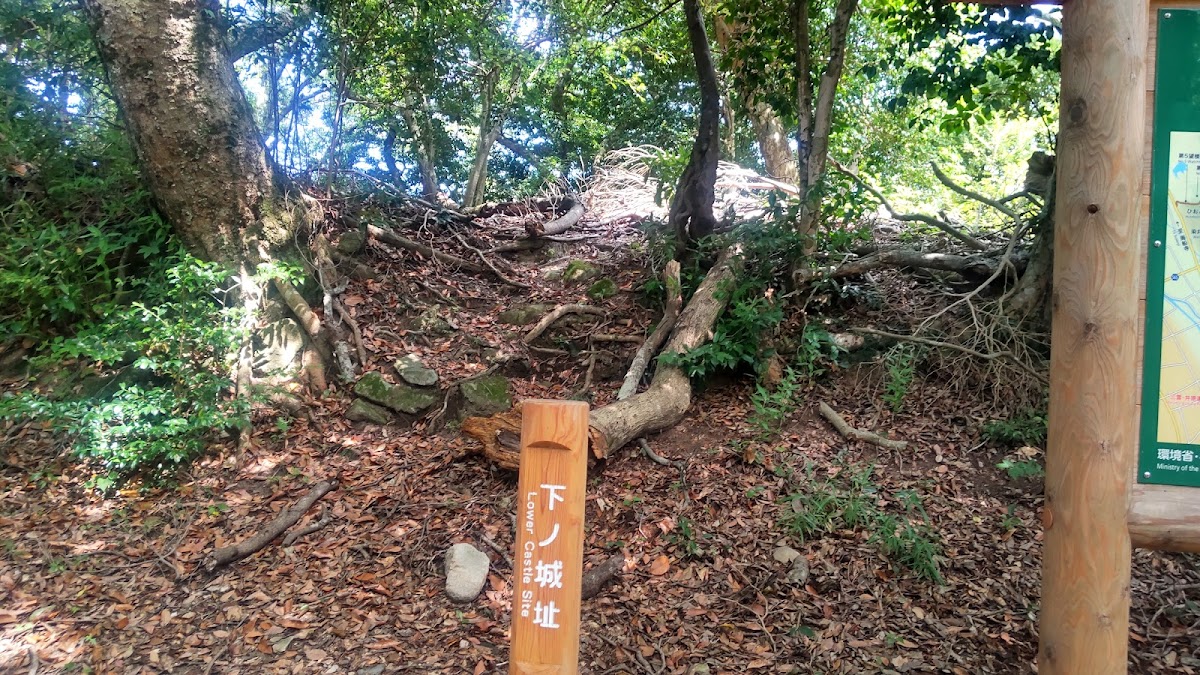
As a mountain castle, Koshoyama Castle possesses strong defensive facilities that take advantage of the rugged terrain, and occupies an important position among Kyushu’s mountain castles. Stone walls and the remains of baileys still visi exist today
From the Rear Gate to the Black Gate
The Black Gate of Akizuki Castle is said to have originally been the rear gate (back gate) of Koshoyama Castle. The rear gate (Karametemon) was a gate located on the back side of the castle and was used as an escape route in emerges
The fact that this gate was relocated to Akizuki Castle at the foot of the mountain and reused as the main gate (Otemon) symbolizes the transition of power from the medieval Akizuki clan to the early modern Kuroda clan. It can be said to be a at history of both continuity and discontinuity.
Transition from Mountain Castle to Hilltop Castle
Mountain castles like Koshoyama Castle were defensive fortresses suited to battles during the Sengoku period, but their practicality declined during the peaceful Edo period. Akizuki Castle was a hilltop castle-like encampment built on a plain near the foot function as a political and administrative center.
This transition reflects the social changes from the Sengoku period to the Edo period and is an important case study in the study of castle history.
Cultural Property Designation of Akizuki Castle Ruins
Fukuoka Prefecture Designated Historic Site
Akizuki Castle Ruins are protected as a Fukuoka Prefecture designated historic site. Recognized for its high historical value as a castle site in the style of an Edo period encampment and as an important historical site that tells the history of a branch domi of tangible cultural property of Fukuoka Prefecture.
Fukuoka Prefecture Designated Tangible Cultural Property
The Kuromon (main gate) and Nagayamon (long gatehouse) are both designated as tangible cultural properties of Fukuoka Prefecture. These structures are valuable cultural assets that convey Edo period architectural techniques to the present day, and are properly preserved and managed
Regular restoration work is also carried out, and efforts continue to pass on this historical heritage to future generations.
Access and Tourist Information
Transportation Access
Access by Car
- Approximately 70 minutes by car from central Fukuoka City
- Approximately 20 minutes from the Amagi Interchange on the Oita Expressway
- Parking: Several tourist parking lots are available nearby (can be crowded during cherry blossom and autumn foliage seasons)
Access by Public Transportation
- Approximately 20 minutes by Amagi Sightseeing Bus bound for Akizuki from Amagi Station on the Nishitetsu Amagi Line, get off at the last stop
- From Kiyama Station on the JR Kagoshima Main Line, take the Amagi Railway to Amagi Station, then take a bus from there
Visiting Information
- Visiting Hours: Free (however, this varies depending on the facility, such as Suiyu Shrine)
- Admission Fee: Free
- Estimated Time Required: Approximately 1-2 hours for exploring the castle ruins, about half a day including sightseeing in the surrounding area
- Best Season: Cherry blossom season (late March to early April), autumn foliage season (mid- to late November)
Clothing and Precautions
Since there are many cobblestone streets and stairs, we recommend wearing comfortable shoes. Particular caution is needed on rainy days, as the cobblestones can become slippery. During the summer, the sun is strong, so we recommend bring
Nearby Tourist Attractions
Akizuki Museum
This museum allows you to learn about the history and culture of Akizuki, exhibiting materials related to Akizuki Castle and the Akizuki Domain. You can also learn in detail about the history of the Kuroda family and the era of the Akizuki clan.
Samurai Residence Street
This street retains the atmosphere of the Akizuki castle town, with a beautiful landscape of stone walls and earthen walls. Enjoy a stroll while feeling the historical atmosphere.
Meganebashi Bridge
This stone arch bridge spans the Nochogawa River and is a valuable historical relic that conveys Edo period architectural techniques. It was named because its reflection on the water resembles a pair of glasses.
Akizuki Local History Museum
This facility exhibits traditional crafts and folk materials from Akizuki, allowing visitors to gain a deep understanding of the local culture.
Asakura Triple Waterwheel
Located about 20 minutes by car from Akizuki, this nationally designated historical site features agricultural waterwheels dating back to the Edo period. It is known as the oldest working waterwheel in Japan.
Model Itinerary for Visiting Akizuki Castle
Half-Day Course (Approx. 3-4 Hours)
- Arrive at Akizuki Castle Ruins Parking Lot (9:00)
- Visit Kuromon (Main Gate) and Suiyu Shrine (9:15-9:45)
- Stroll around Nagayamon and Stone Walls (9:45-10:15)
- Stroll through Samurai Residence Street (10:15-11:00)
- Visit Akizuki Museum (11:00-12:00)
- Lunch at a local restaurant (12:00-13:00)
Full-Day Course (Approx. 6-7 Hours)
In addition to the Half-Day Course:
- Visit Meganebashi Bridge
- Visit Akizuki Local History Museum
- Hike to Koshoyama Castle Ruins (For those confident in their physical fitness, 3-4 hours round trip)
- Relax at nearby cafes and souvenir shops
Historical Significance of Akizuki Castle
Role as a Branch Domain of the Kuroda Family
The Akizuki Domain, as a branch domain of the Fukuoka Domain, played an important role in governing a corner of Chikuzen Province. Its size of 50,000 koku was large for a branch domain, contributing to the maintenance of the Kuroda family’s overall power.
Center of Regional Culture
Akizuki Castle and its castle town developed as the political, economic, and cultural center of the region. A fusion of samurai culture and townspeople culture formed a unique regional culture.
Position in the History of Castle Architecture
As a jinya-style castle, it is a good example of the castle’s form during the peaceful Edo period. The absence of a keep and its emphasis on practical functions reflect the changing times.
Summary | Experience the Charm of Akizuki Castle
Akizuki Castle, built by Kuroda Nagahiro during the Edo period in the style of a jinya (fortified residence), is an important historical heritage site of Fukuoka Prefecture. The cultural assets such as the Kuromon Gate and Nagayamon Gate, the moss-covered stone walls, and called “Little Kyoto of Chikuzen,” continue to captivate visitors.
With its seasonal colors of cherry blossoms in spring and autumn leaves in fall, the continuity of its history from the medieval Koshoyama Castle to the early modern Akizuki Castle, and its role as a branch domain of the Kuroda family, Akizuki Castleis
Despite being easily accessible from Fukuoka City in about 70 minutes, Akizuki Castle Ruins offers a quiet and peaceful atmosphere for enjoying historical walks. Why not visit it as a weekend getaway or a destination for historical exploration? Passing or stone walls, the time spent reflecting on the history of the Akizuki domain during the Edo period will surely be an unforgettable experience.