Iwaya Castle’s history and fierce battle: The ultimate resistance of Gao Gao Song Yun has arrived now
Is this Iwaya Castle?
Iwaya Castle is Ichiza Yamashiro, Ura Castle, Dazaifu City (Mikasa District, Hara Chikuzen Province), Eioji Yamapogami, sea distance approximately 300 meters. In 1586 (Tensho 14), Shimazu’s army and Takahashi Matsu’s army, Otomo’s army, were in this explosive battle and were famous for their role in the battle, which was one of the most devastating battles in the history of Japanese castles.
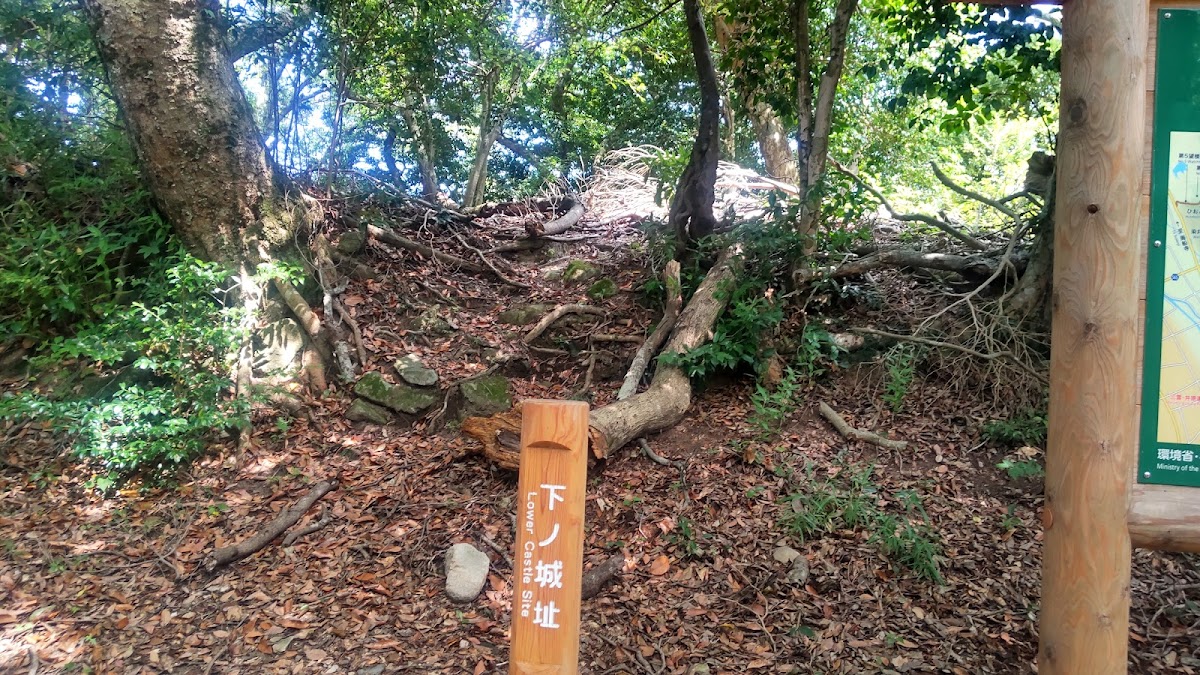
As of now, the site of Iwaya Castle has been designated as a lucky castle, and the earthworks were still pending at the time of arrival, and the stone citadel and outer fort were built. Iwaya Castle is located on the top of the mountain on the mountain, and has a view of Dazaifu City and the Chikushi Plain, which is important as a military fortress during the war period.
History of Iwaya Castle
Construction history and early period
关于Iwaya Castle was built at the time of its construction, with the most popular reception method, during the construction period of Yu Tenbun (1532-1554), built by Akitane Takahashi, the general of the Yudaitomo clan. The Otomo clan was a feudal lord during the war, and later established a stronghold in northern Kyushu.
Iwaya Castle and Tachihanayama Castle were jointly established and were established as important points in Chikuzen Province under the control of the Otomo clan. Its geographical location is excellent, the use of Linglu Mountain is a natural barrier, and it is easily accessible to Dazaifu and Hakata with military power. Iwaya Castle, Yukinpo, Hiroyama Castle, and the mutual support of the two castles.
Akitane Takahashi’s rebellion and change of ruler
Akitane Takahashi was recognized as the chief lord of Iwaya Castle, and at first was a loyal vassal of Sorin Otomo. However, during the Eiroku era (1558-1570), the arrogant actions of Sorin Otomo, the arrogant lord of Takashi Aki Soin and the establishment of Japanese politics, led to a rebellion. After this, Akimune Takahashi, who led the rebellion, was expelled from Iwaya Castle.
After that, Akimichi Yuhiro’s second son, Shigetane, accepted the Takahashi surname, and was the lord of Chengdu Boshan Castle and Iwaya Castle, and his name was “Takahashi Shigetane” (later changed his name to Takahashi Shoun). This change in personnel was important for the maintenance of the Otomo family and for the cleanliness of Chikuzen Province.
Shoyu Takahashi Homeroom Castle Lord Time
Takahashi Shoun (1548-1586): A famous general of the first rank, a highly skilled vassal, and a member of the Otomo family who supported Japan and Japan’s decline. Author: Xiang Yun, Wisdom of Wisdom, Iwaya Castle, Western Law Castle, located in the Chikuzen area.
Sho Yun’s eldest son Muneko was covered by Tachibana Dosuetsu, and his name was changed to Tachibana Muneshige; his second son Soen’s wife was married to Tsukushi Hiromen. The Otomo family was connected to the Otomo family and was the main owner of the large region in northern Kyushu. During this period, Iwaya Castle was one of the most important positions of the Otomo family in Chikuzen Province.
Iwaya Castle Battle: Tensho 14th year Iwaya Castle Battle
Background of the role of Shimazu Army
In 1586, the Hauma domain conquered Shimazu clan in Kyushu and began to move north. From the Shimazu clan to the Shimazu clan, his younger brothers Shimazu Yoshihiro, Shimazu Toshihisa, and the Shimazu family jointly attacked various parts of Kyushu. In 1578, after the defeat of the Battle of Gokawa, the strength of the Otomo clan and the decline of Nippon, and the invasion of the Chin Island army.
The Shimazu military force was large, with an estimated 40,000 to 50,000 soldiers, and invaded Kitakami, Chikuzen Province. At this time, Takahashi Songun was in trouble at Iwaya Castle, and his second son, Munemasa, was in trouble at Huangshan Castle.
Fierce battle
In July 1586, Tadashi Yushimatsu (Hisunoko of the Shimazu family) led the attack on Iwaya Castle. However, it is universally recognized that there are between 50,000 and 50,000 soldiers. In Sobinoshita, there were 7,800 soldiers in Iwaya Castle, Takahashi Shun’s army.
Due to the military strength of the Japanese military, the Shimazu Army demanded the surrender of Iwaya Castle. In the Shimazu area, an emergency survey was conducted to recruit high-ranking students with a high standard of heroism, design, and other ideas. However, Sho Yun refused to possess the property, and his other master Otomo Sourin decided to do so. On July 27th, the battle against the capital city was fierce, and the island army was attacked by day and night soldiers. Exercising the military power, fighting for the defense with the support of other soldiers, and the strong will to resist. The battle was tragic, and historical records record the death of the island army.
Shounno Takahashi’s death and the fall of Iwaya Castle
The battle continued for a long time, ending with the fall of Iwaya Castle in mid-August. Takahashi Shoun arrived at the end of the battle, and died at the age of 39. Yumatsu Yomatsu and his team attacked Iwaya Castle, and about 700 famous soldiers were all killed or killed themselves, and Iwaya Castle fell to the bottom.
The resistance of the area was strong and the ground was destroyed as the island army marched north. By the time Songyun’s sacrificial attack and his vassal Hideyoshi’s conquest of Kyushu ended, he had important strategic intentions. In addition to this, Song Yun’s loyalty and heroism were rewarded, and we both received praise, and other stories also flowed.
After the battle
After the fall of Iwaya Castle, the Shimazu army conquered Hiroyama Castle. However, as others followed, Tachibanayama Castle continued to attack, and Shoun’s elder son, Tachibana Muneshige, strongly resisted and thwarted the attack, and the ultimate attack was impossible. During this period, his chief vassal Hideyoshi resisted the conquest of Kyushu, and the envoy Shimazu surrendered.
Shun Takahashi’s heroic resistance was recognized as a result of the death of the Otomo clan and the final victory in Kyushu.
The structure of Iwaya Castle
Castle fort location station
Iwaya Castle is a typical mountain castle for the troupe, located on Mt. Lingwang Mountain 410 meters long, it is an important historical point of interest, and the ancient Ono Castle.
Due to the clever use of the mountainous terrain, the construction of the castle fort has many castle towers installed. The natural defense barrier due to the use of the terrain, the construction of the earthworks and the construction of the stone wall, which has the ability to defend itself.
Tenshu A and Hakufu Bureau
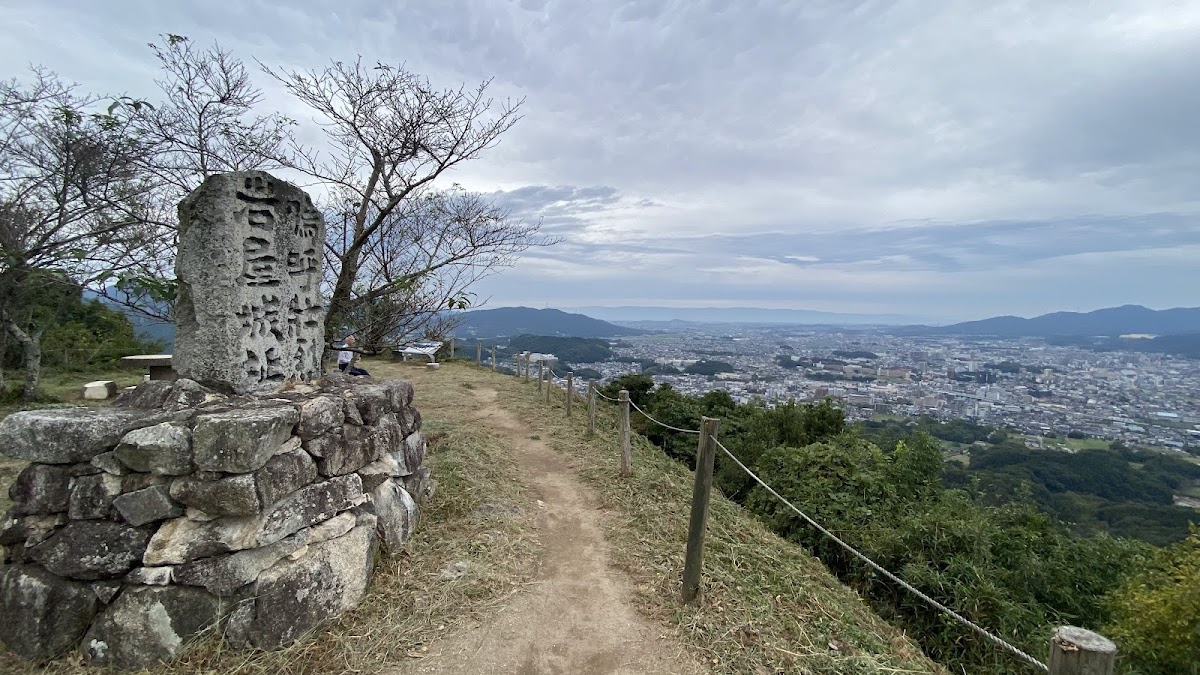
The castle tower of Iwaya Castle is now in good condition. The earthworks around the castle tower were completed, and the most primitive defense works that could be seen during the construction period. From the top of the castle tower, you can see a panoramic view of Dazaifu City and the Tsukushi plains, and the clear view of the land has been achieved.
Around the castle tower, the walls are distributed in a ladder-like manner with multiple walls, forming a multi-layered defense system. In this case, there are some military equipment available for use in this area.
Hijikata construction and stone burial mound
Hijikata construction Japanese stone mound is an important defensive construction work for Iwaya Castle. It is understood that the construction of the fort’s castle is a treasure trove of history.
The stone tomb was a stone tomb, but the stone tomb was a mountain fortress in the Tensho period, but the key position could be seen. This small stone wall has been recognized for its enhanced defensive ability, and the construction of the stone wall has also been contributed.
Water supply supply
The water source is the key element of the mountain castle fort, and it is confirmed that there is a water source in the Iwaya castle. However, the amount of water at the time has been under attack for a long time, and its existence is still in dispute. As you can see, during the battle in Iwaya Castle, the military was in dire straits.
However, there are a lot of resources in the basement.
Current status of Iwaya Castle
History of history
In front of the Iwaya Castle ruins, Dazaifu City is located in front of the Iwaya Castle Ruins, and is managed by the Industrial History Park. The road to and from the fort is in good condition, and visitors are welcome to cross the main fort. There are information on the tablet in the main compartment, and visitors can read the history of Iwaya Castle and the details of Iwaya Castle’s battle.
A view of the ruins of Yuiwaya Castle, a magnificent view, a panoramic view of the Dazaifu Temple, Dazaifu City, and Fukuoka City as far as Dazaifu City. As beautiful as this is, the castle fort was important during the time of the war.
Sho Takahashi’s Commitment
Inside the Iwaya Castle ruins, a stone monument commemorating the arrival of Takahashi Shoun. Every August, on the anniversary of Xiang Yun’s death, the memorial ceremony for the city is held, and many history lovers and local residents come to visit the city.
Xiang Yun’s loyalty and bravery are still in Dazaifu, and you can see the local arrogance. In addition, Shoun’s eldest son, Empress Tachibana Muneshige, came to power as the lord of the Yanagawa domain, and when the Tachibana family began to extend to the end of the Edo period, the Iwaya Castle was established and became an important place for the Tachibana family.
Transportation and visitor information
Xi’s Dazaifu station can be easily reached at the Iwaya castle ruins, however, Yuyu’s demand is on Leshan Road, which requires constant physical strength. Climbing schedule: 30 minutes to 1 hour.
Excluding the ruins of Iwaya Castle, there are other scenic spots along the mountain, such as the ruins of the ancient mountain castle Ono Castle, the stone walls of 100 years ago, and the route of the history of the history of the envoy to the first hot gate. When visiting the building, wear the appropriate pair of sandals and bring water for drinking.
Yowaya Castle Sokan Castle Fortress
Yoho Oyama Castle Series
Baohu Mountain Castle is one mountain castle, approximately 2 km south of Iwaya Castle, near Jianyu Bao Mountain (829 meters). The two castle forts are mutually supportive, and are the two great pillars of the Otomo family and Chikuzen Province.
During the war at Iwaya Castle, Shoun Takahashi’s second son, Sōjōkō, was in charge of Hiroyama Castle. The fall of Iwaya Castle, the attack of Fangmanshan Castle and the attack of the Island Army. The collaboration between the two castles was an important component of the Chikuzen Otomo family defense line.
Collaboration with Yotachika Yamashiro
Tachibanayama Castle is a mountain castle located in Tachibanayama (367 meters in sea level), located in Wasshinmachi, Higashi Ward, Fukui City. This was the residence of Tachibana Doyuki, a high-ranking vassal of the Otomo family, and afterward, Yutaka Hashimoto’s eldest son, Tachibana Muneshige, accepted the title of lord of the castle.
Tachibanayama Castle is located north of Iwaya Castle and is an important strategic strategic point overlooking Hakata Bay. Iwaya Castle, Homayama Castle, Tachihanayama Castle, Sanza Castle, Ikeso structure, one triangular defense, and the Otomo family’s Chikuzen area was completely restored.
History of Yoono Castle
The site of Ono Castle in the ancient Jianyu period (7th century) and Yu Linglu Mountain. Ono Castle was an important role in the restoration of the Yamato Imperial Court after the Battle of Shirae, an ancient mountain castle (Asahi-style mountain castle), and the preservation of Dazaifu.
As you can see, the part of Iwaya Castle that is no longer in use was built in the footsteps of Ono Castle. It is well explained that Mt. Lianji was an important strategic location from ancient times to the war period.
History of Iwaya Castle
History of the Kyushu War
The Battle of Iwaya Castle was one of the most important turning points during the Kyushu War period. At the time of the battle, the Shimazu clan’s ambition to conquer Kyushu was defeated, and Hideyoshi, the vassal of the United States, was pacified and the battle for Kyushu ended.
The resistance of more than 700 famous soldiers under Matsuyun Gao and tens of thousands of troops was long, and the military’s intentions were also very important. At the end of the battle between Tachibana and Muneshige, the envoys were sent to strengthen the defense of Tachibanayama Castle, and when the final defenders were settled in the castle, the army of vassals arrived directly. ### Bushido spiritual conquest
Shun Takahashi’s heroic deeds are followed by the spiritual traditions of Bushido. In the end, he was faithful to his lord, unyielding resistance, and the ideal samurai standard of samurai service during the Edo era.
Shang Yun’s way of life is recognized as a typical representative of the Japanese Bushido spirit, and is highly regarded as a fusion of Confucian loyalty and the honor of samurai warriors.
Shimazu Military History
On the other hand, Shimazu’s military was highly acquainted with his heroic and courageous loyalty. Shimazu’s historical materials also include the resistance of the warrior, the spiritual power of resistance, and other works that transcend the might of the samurai.
During the battle of Iwaya Castle, Shimazu Army was involved in a tragic accident, but other players tried their best to participate in the competition, and when the battlefield was over, the army’s performance was more serious.
The meaning of visiting Iwaya Castle
Art History Museum
Visit the Iwaya Castle ruins and experience the historical treasures of the Kyushu War period. During the journey to the castle pond, the main castle tower was viewed from Dazaifu and Chikushihara, and the military position at the time of arrival.
Observe the remaining earthworks of Japanese castles, and understand the construction techniques of mountain castles during the country’s history. There is a complete explanation board in the site, and the user is no longer in charge of the historical knowledge of the user.
Yodazaifu sightseeing combination
The distance between Iwaya Castle and Dazaifu Tengu Shrine was the result of the combination of a tour of Iwaya Castle and a sightseeing tour of Dazaifu. Visiting Iwaya Castle – the history of Dazaifu during the country’s time, Dazaifu Tenjin Shrine, Dazaifu Secretariat site, etc., and other ancient history, and you can explore the rich history of Dazaifu.
This is a welcoming walking route to the top of the mountain, where you can explore at the same time, and also enjoy the natural scenery.
A place for lovers of history
The site of Iwaya Castle is a must-visit place for those who love Japanese castles during the time of the war, especially when it comes to Takahashi Matsunwa and Muneshige Tachibana.
The view of the castle fort ruins, the scenery is magnificent, it is a photo spot of the hot gate. A magnificent view of Hakata Bay, Fukuoka city, from a distance of 20 minutes to a sunny day.
overview
Iwaya Castle is Ichiza Yamashiro, and in 1586 (Tensho 14), it was a Japanese castle that entered the history of Ikei, which played a role in the terrible war. Takahashi Akiyun led 700 famous soldiers, and the entire army was destroyed during the last desperate resistance. Another story that has happened to me now is the spiritual conquest of the emerging samurai.
Nowadays, the ruins of Iwaya Castle are located in Dazaifu City’s Opening History Park, a hot scenic spot for history lovers in Chengdu. Iwaya Castle sits on the top of Mt. Yingro, and has a magnificent panoramic view of the Dazaifu and Chikushi plains, which is one of its major scenic spots.
I understand that the history of Iwaya Castle is very important. The battle of Iwaya Castle was a turning point in the course of history, and the main event was the conflict between the Otomo family and the Shimazu family, Hideyoshi’s commander, Hideyoshi, and his conquest of Kyushu, followed by Tachibana Muneshige’s successes.
When I visited Dazaifu, I was forced to extend my route to the Iwaya Castle ruins, and my body felt the spirit of the war. The loyalty and bravery of Xiang Yun, and the determined will of the defenders of the castle.