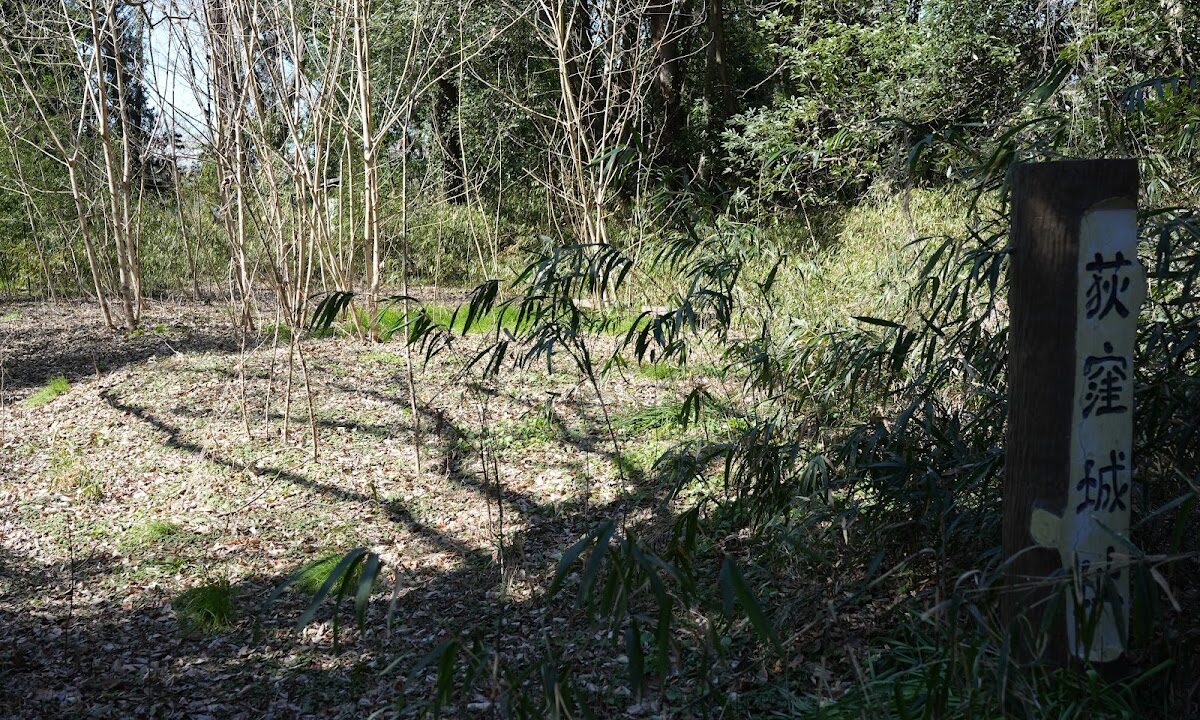
Ogikubo Castle (Maebashi City, Gunma Prefecture) Complete Guide | History, Remains, and Access Information
Ogikubo Castle is a medieval hilltop castle located in Ogikubo-cho, Maebashi City, Gunma Prefecture. It played an important role as a subsidiary castle of Ogo Castle. From the Nanboku-cho period to the Sengoku period, it was the residence of the Akaogi clan, and even today, remains such as earthworks and dry moats are well-preserved. This article comprehensively explains everything a castle enthusiast would want to know, from the history of Ogikubo Castle to detailed remains and access methods.
Overview and Basic Information of Ogikubo Castle
Ogikubo Castle is a hilltop castle built on the tip of a plateau at an altitude of approximately 160 meters, with a relative height of approximately 10-20 meters. Located about 2.5 kilometers west of Ogo Castle, it functioned as an important subsidiary castle protecting the Ogo clan’s sphere of influence.
Basic Data
- Location: Honya-shiki, Ogikubo-cho, Maebashi City, Gunma Prefecture
- Castle Classification: Hilltop Castle
- Year of Construction: Kamakura period to Nanboku-cho period (details unknown)
- Builder: Akaogi clan
- Lords: Akaogi Shumanosuke Tomonobu, Akaogi Danjo Tomonori, and others
- Major Remains: Enclosures, earthworks, dry moats, steep slopes
- Current Status: Ogikubo South Park and private residences, part of the forest
- Designated Cultural Property: None
History of Ogikubo Castle
Establishment during the Nanboku-cho period
Although there are no clear records regarding the construction date of Ogikubo Castle, it is estimated to have been built between the Kamakura period and the Nanboku-cho period. According to ancient documents passed down in the Ogikubo area, there are records indicating that in 1353 (Bunwa 2), Akagi Shumanosuke Tomonobu and Akagi Danjo Tomonori, descendants of Ashikaga Takauji, resided in the castle.
This period coincided with the turbulent Nanboku-cho period, a time when the conflict between the Ashikaga and Nitta clans intensified in the Kanto region. It is believed that the Akagi clan, as a force affiliated with Ashikaga Takauji, played a key role in governing this region.
Relationship with Ogo Castle
Ogikubo Castle is positioned as one of the subsidiary castles of Ogo Castle. Ogo Castle was an important medieval stronghold built on the southern foot of Mount Akagi, and during the Sengoku period, it became the stage for power struggles between the Uesugi and Hojo clans. It is presumed that Ogikubo Castle functioned as a frontline base protecting the western side of Ogo Castle, and as a base for controlling the area around the southern foot of Mount Akagi.
The distance of approximately 2.5 kilometers west of Ogo Castle is a typical arrangement for a medieval subsidiary castle network. They lived within a distance where communication via beacon fires and messengers was possible, and they had a relationship of mutual support.
About the Akaogi Clan
The Akaogi clan is considered to be a branch of the Ashikaga clan, but much about their detailed lineage remains unknown. The name “Akaogi” is thought to originate from a place name in this region. Their use of official titles such as Shumanosuke and Danjo suggests they were a samurai group of a certain social standing.
According to ancient documents, the Akaogi clan enshrined Dainichi Nyorai as the guardian deity of their castle in Mukoyama, Ogikubo Village, and prayed for the castle’s safety. This religious record is a valuable historical document showing how faith and defense were closely intertwined in medieval castles.
After the Sengoku Period
With the arrival of the Sengoku period, Kozuke Province (Gunma Prefecture) became a battleground for warring daimyo such as the Uesugi, Takeda, and Hojo clans. While there are no clear records of the role Ogikubo Castle played during this period, it is believed to have continued to exist as a subsidiary castle when Ogo Castle came under the control of the Uesugi and Hojo clans.
After Toyotomi Hideyoshi’s siege of Odawara in 1590, the Hojo clan was destroyed, and Kozuke Province came under the control of Tokugawa Ieyasu. It is presumed that many medieval castles were abandoned around this time, and Ogikubo Castle is thought to have lost its military function around this period.
Layout and Structure of Ogikubo Castle
Overall Layout
Ogikubo Castle is a typical flatland castle utilizing the tip of a plateau, characterized by its layout that skillfully makes use of the natural terrain. The castle grounds are long and narrow from north to south, and have a series of interconnected baileys (kuruma).
It is estimated that the main bailey (honkuro) was located to the north, with the second, third, and fourth baileys surrounding it, centered around the current Ogikubo South Park. Taking advantage of its location on the tip of a plateau, the castle is a natural stronghold protected by steep slopes on three sides.
Main Enclosure (Honkuruwa)
The main enclosure is the central part of the castle, and the area where houses now stand is believed to be the site of the residence. A clear cliff (artificial steep slope) can be seen on the east side, giving a glimpse into the defensive structures of the time.
The main enclosure is estimated to be approximately 50 meters east-west and 40 meters north-south, a standard size for a medieval local lord’s residence. It is believed that a residence stood here, and the lord and his family lived their daily lives here.
Second, Third, and Fourth Enclosures
Several enclosures are arranged around the main enclosure. In particular, a well-preserved dry moat remains between the third and fourth enclosures, with a distinctive U-shaped curve. This dry moat is thought to have also functioned as a moat bottom road, serving as a route for movement within the castle.
An earthen mound, believed to be a watchtower base, can be seen on the east side of the third enclosure. It is presumed that watchtowers and other structures were built here to monitor the surrounding area. The interior of the fourth enclosure is relatively flat, suggesting the presence of soldier garrisons and storage facilities for supplies.
Earthworks and Dry Moats
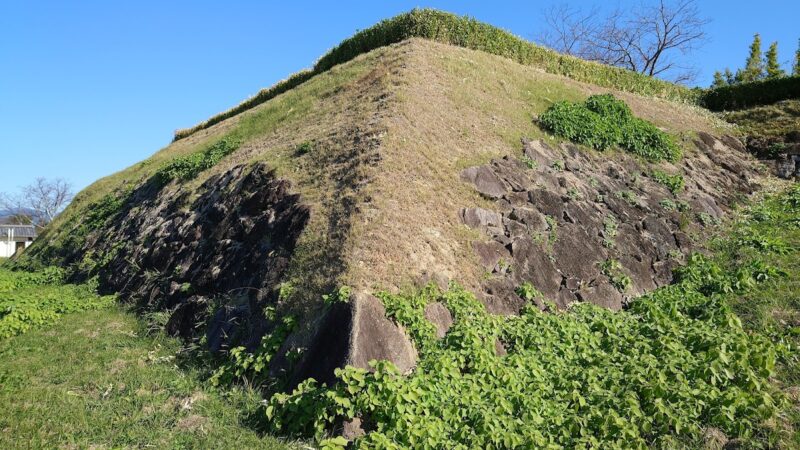
The greatest highlight of Ogikubo Castle is its well-preserved earthworks and dry moats. Clear earthworks remain, particularly on the north and east sides of the castle grounds. While only 1-2 meters high, they clearly indicate the defensive lines of the time.
The dry moats are approximately 5-8 meters wide and 3-4 meters deep, forming vertical trenches on the slopes. These vertical trenches are thought to have prevented flanking attacks and also functioned as rainwater drainage channels. The cross-sectional shape of the moats is similar to a V-shaped trench, demonstrating typical castle construction techniques of the medieval period.
Cut Slope
The cut slope on the east side of the main enclosure is approximately 3-5 meters high and cut at an almost vertical angle. This artificial steep slope was an important defensive feature designed to make enemy incursions difficult, and it can still be clearly observed today.
Current Ogikubo Castle Site
Ogikubo South Park
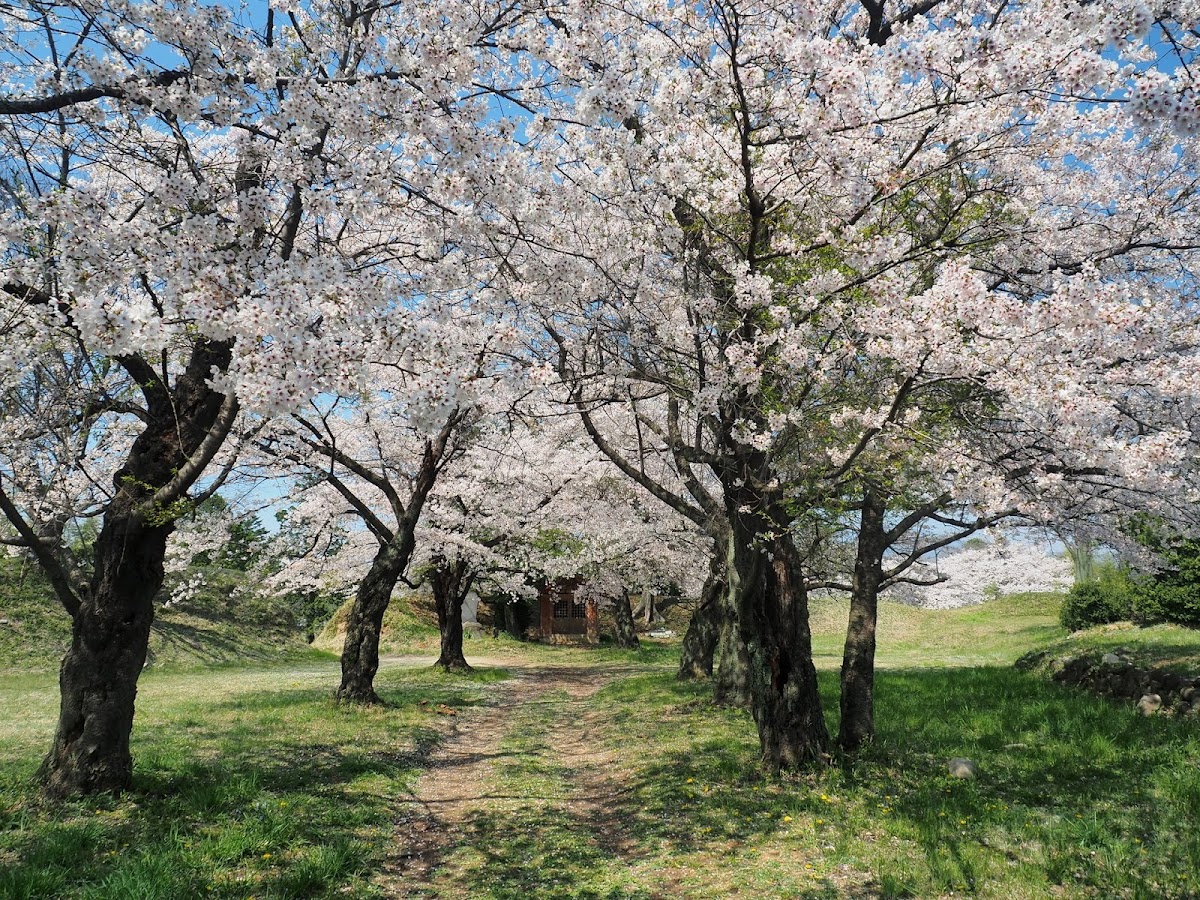
The central part of the castle site is now developed as Ogikubo South Park. The park has playground equipment and benches, serving as a place of relaxation for local residents. However, a careful observation of the park’s topography reveals traces of the castle’s baileys and earthworks.
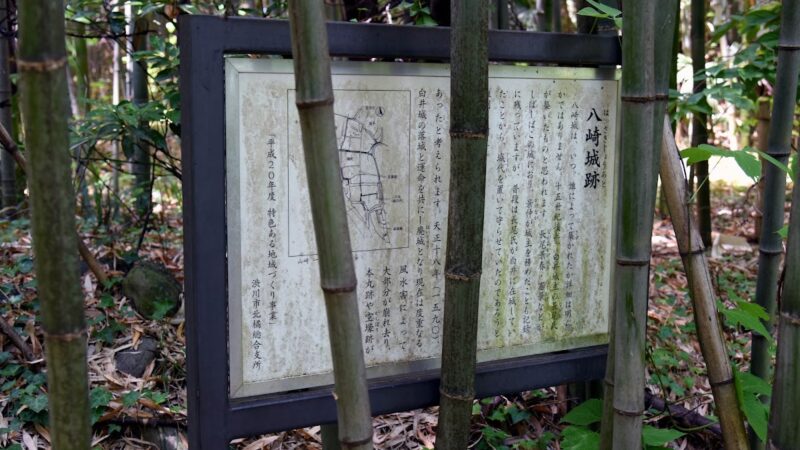
An information board is located on the north side of the park, offering a brief explanation of the history of Ogikubo Castle and the Akagi clan. However, detailed maps of the castle layout are not displayed, so it is recommended to research materials beforehand.
Preservation Status of the Remains
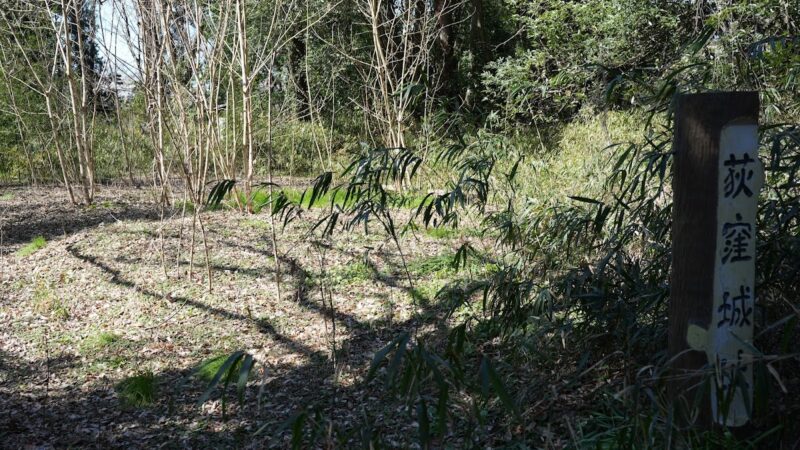
Parts of the castle area are now occupied by private houses and farmland, and some of the outer moats have disappeared. However, some of the dry moats and earthworks remain in good condition, allowing visitors to experience the atmosphere of a medieval castle amidst the overgrown vegetation.
The dry moat between the third and fourth baileys is particularly well-preserved, making it a valuable spot to experience the structure of a medieval castle by walking along the bottom of the moat. However, since it can be difficult to visit in the summer due to overgrown vegetation, a visit from late autumn to early spring is recommended.
Surrounding Environment
The area around Ogikubo Castle Ruins is now a residential area, but to the north, fields and groves of trees spread out, allowing you to imagine the landscape of yesteryear. The topography, a gentle plateau at the southern foot of Mt. Akagi, was an ideal location for a medieval samurai to establish a base.
Access and Visiting Information
Access by Public Transportation
The most convenient way to get there is by using the Jomo Electric Railway Jomo Line.
- Nearest Station: Egi Station
- Distance from Station: Approximately 500-930 meters
- Walking Time: Approximately 10-16 minutes
From Egi Station, head north, and after passing through the residential area, you will arrive at Ogikubo Minami Park. The route is relatively easy to follow, but it’s recommended to check the route beforehand using a map app.
Access by Car
Approximately 15 minutes from the Maebashi Interchange on the Kan-Etsu Expressway.
- Parking: Free parking is available at Ogikubo Park and Ogikubo Castle.
- Number of Parking Spaces: A few cars (small capacity)
- Fee: Free
The parking lot is adjacent to the park, but space is limited, so it may be full on holidays. In that case, you will need to use nearby vacant spaces, but please be careful not to disturb the residents.
Points to Note When Visiting
- Estimated Visit Time: Approximately 30 minutes to 1 hour
- Admission Fee: Free (Open as a park)
- Visiting Hours: No specific restrictions (According to park hours)
- Best Season: Late autumn to early spring (Fewer vegetation makes the remains easier to see)
Please note the following when visiting:
- Some areas are private property, so do not enter restricted areas.
- Watch your step when walking on dry moats and earthworks.
- Bringing insect repellent spray will make your visit more comfortable in summer.
- The ground becomes muddy after rain, so visiting on a sunny day is recommended.
Related Historical Sites in the Surrounding Area
Ogo Castle
Located approximately 2.5 kilometers east of Ogikubo Castle, Ogo Castle was the central castle of this region. Currently, it is maintained as Ogo Castle Ruins Park, and the remains such as earthworks and dry moats are well preserved. Visiting Ogikubo Castle and this castle together will deepen your understanding of the branch castle network.
- Location: Horikoshi-cho, Maebashi City
- Parking: Available
- Visiting Time: 1-2 hours
Kamiizumi Castle
Kamiizumi Castle, known as a castle associated with the sword saint Kamiizumi Nobutsuna, is also an important castle in this region. Located approximately 3 kilometers northeast of Ogo Castle, it is an essential historical site for understanding the group of castles at the southern foot of Mt. Akagi.
Nishi-Ogikubo Castle
This castle is believed to have been located west of Ogikubo Castle. Although details are unknown, it is possible that it formed a defensive line in conjunction with Ogikubo Castle.
The Charm and Highlights of Ogikubo Castle
Well-Preserved Dry Moat
The greatest highlight of Ogikubo Castle is the dry moat remaining between the third and fourth baileys. Walking along the U-shaped curve of the moat’s bottom, you can feel the structure of a medieval castle firsthand. The depth and width of the moat reveal the high level of castle-building technology of the time. ### Clear Earthworks
Even now, as a park, the traces of the earthworks remain clearly visible. The northern earthworks, in particular, are tall, making it easy to imagine their function as a defensive line.
Quiet Viewing Environment
Ogikubo Castle is not widely known, so there are few visitors, making it an attractive place for quiet viewing. For castle enthusiasts, it’s a hidden gem where you can carefully observe the remains.
The Reality of Medieval Local Lords
Unlike the castles of large-scale Sengoku-era daimyo, Ogikubo Castle was built by a samurai of the local lord class. Its scale and structure make it a valuable historical site for understanding the life and defense systems of samurai in medieval regional communities.
The Position of Ogikubo Castle in Castle Research
Ogikubo Castle holds an important position in the study of medieval castles in Gunma Prefecture. A network of branch castles centered around Ogo Castle was formed at the southern foot of Mount Akagi, and Ogikubo Castle played a part in this network.
Small to medium-sized castles like Ogikubo Castle are essential research subjects for understanding the activities of local samurai from the Nanboku-cho period to the Sengoku period. In particular, the records of the Akaogi clan preserved in ancient documents provide valuable clues to unraveling the medieval history of this region.
Visitor Reviews and Feedback
Castle enthusiasts generally rate the castle highly, praising its well-preserved remains and the peaceful atmosphere. However, some point out the lack of explanatory signs and the difficulty of viewing the site due to overgrown vegetation in summer.
The average visit takes about 30 minutes, but those wishing to thoroughly examine the remains should allow around an hour. Popular photography spots include the panoramic view of the dry moat and the lines of the earthworks.
Summary
Ogikubo Castle is a valuable medieval castle site located in Maebashi City, Gunma Prefecture. It served as the residence of the Akaogi clan from the Nanboku-cho period to the Sengoku period, playing an important role as a subsidiary castle of Ogo Castle. Although now developed as Ogikubo Minami Park, the remains of the castle, such as dry moats and earthworks, are well-preserved, allowing visitors to learn about the structure of a medieval castle.
While not widely known, this is precisely what makes it so appealing for quiet exploration. Visiting it along with other nearby castles such as Ogo Castle will give you a comprehensive understanding of the medieval castle network at the southern foot of Mount Akagi. This is a historical site that I highly recommend for anyone planning a castle tour in Gunma Prefecture or anyone interested in medieval history.
It’s also relatively easy to access and free to visit, making it a very accessible option. Visiting in late autumn or early spring, when there is less vegetation, allows for a clearer observation of the remains. Why not immerse yourself in the romance of history and reflect on the era in which medieval samurai lived?