The History and Highlights of Obukuro Castle (Tatebayashi City, Gunma Prefecture) | From the Akai Clan’s Residence to Tatebayashi Castle
What is Obukuro Castle?
Obukuro Castle was a medieval flatland castle located in Obukuro, Hanayama-cho, Tatebayashi City, Gunma Prefecture. Built on the southern peninsula of Kojōnuma, an inlet of Jōnuma Lake, it functioned as a natural stronghold surrounded by a moat.
It is believed to have been built by Akai Terumitsu during the Bunmei era (1469-1486), and played an important role as the residence of the Akai clan, who moved their base from Aoyagi Castle. It continued to function as the Akai clan’s main castle for approximately 60 years until 1532 (Tenbun 1), when the Akai clan built Tatebayashi Castle on the opposite shore.
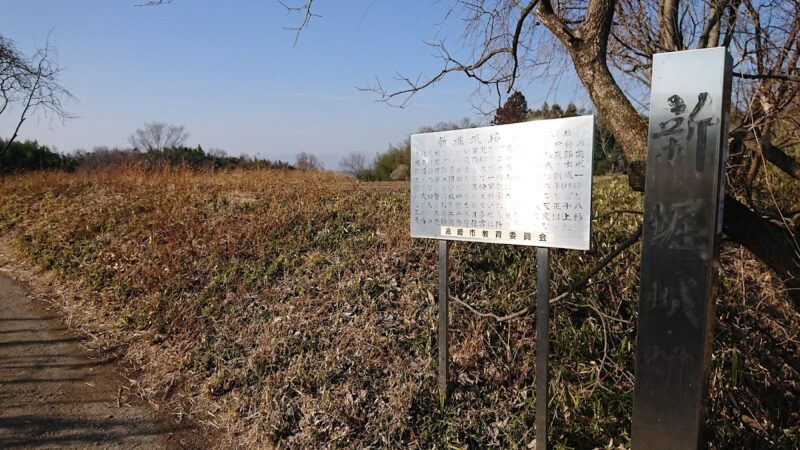
Currently, most of the castle ruins are submerged beneath the surface of Jōnuma Pond, making it difficult to clearly identify any remains. However, the characteristics of its location can be understood from the area surrounding Jōnuma Pond.
History of Ōbukuro Castle
Construction and the Rise of the Akai Clan
Ōbukuro Castle is believed to have been built by Akai Terumitsu during the Bunmei era. The Akai clan originally had Aoyagi Castle as their base, but moved to Ōbukuro Castle to take advantage of the more defensible terrain of Jōnuma Pond.
The peninsula-like terrain jutting out into Jōnuma Pond was a natural stronghold surrounded by water on three sides, an ideal location for a medieval castle. This topographical advantage allowed the Akai clan to expand their power in the Tatebayashi region.
Ōta Dōkan’s Siege
One of the most important events in the history of Ōbukuro Castle is the siege in 1472 (Bunmei 4) by Ōta Dōkan and Nagao Kagenobu.
In this battle, Ota Dokan and Nagao Kagenobu formed an allied force and waged a protracted siege lasting over 70 days. Because it was a strongly fortified position surrounded by the Jōnuma marsh, the capture took a long time, but ultimately Ōbukuro Castle surrendered and fell.
This siege is recorded as one of the important military actions of the early Sengoku period in the Kanto region. Ota Dokan was a renowned general also known as the builder of Edo Castle, and the fact that he spent over 70 days capturing Ōbukuro Castle speaks to its high level of defense.
Relocation to Tatebayashi Castle
In 1532 (Tenbun 1), Akai Terumitsu built Tatebayashi Castle as a new castle on the opposite bank of the Jōnuma marsh. Some sources say it was built in 1556 (Kōji 2), but in any case, the Akai clan relocated their base from Ōbukuro Castle to Tatebayashi Castle.
Tatebayashi Castle was even larger than Obukuro Castle and its location offered potential for the development of a castle town, making it ideal for strengthening the Akai clan’s power base. This relocation likely resulted in Obukuro Castle becoming a subsidiary castle or being abandoned, thus ending its role.
Subsequently, Tatebayashi Castle developed as the central fortress of the Tatebayashi region, and during the Edo period, it continued to function as an important base, serving as the residence of the Tokugawa family.
Structure and Characteristics of Obukuro Castle
Location and Layout
Obukuro Castle was located on the south side of Kojōnuma, an inlet of Jōnuma Marsh, and was built on a slightly elevated peninsula-like area. It was a flatland castle surrounded on three sides by water, forming a natural moat, and exhibiting the typical “marsh castle” form of a medieval castle.
Jōnuma Marsh remains an important waterfront space in Tatebayashi City today, and its vast surface allows us to imagine the defensive system of the time. While the width of the moat varied depending on the location, it is believed that a distance was maintained that prevented attackers from easily approaching.
Current State of the Remains
Currently, very few clear remains of Obukuro Castle exist. Most of the castle site is submerged beneath the surface of Jōnuma Pond, making it difficult to identify traces of earthworks, moats, and other structures above ground.
However, it is possible to estimate the castle’s size and layout to some extent from the topography around Jōnuma Pond and the shape of the old Jōnuma Pond. Furthermore, information about the castle’s structure can be obtained from local traditions and historical documents.
While the area surrounding the castle site is now occupied by residential areas and farmland, making it difficult to directly experience the atmosphere of the castle era, the landscape of Jōnuma Pond remains a valuable element that conveys the atmosphere of that time.
The Role of Jōnuma Pond
Jōnuma Pond is thought to have served not only as a defensive structure for Obukuro Castle, but also played an economic role in water transport and fishing. The transportation of goods through Jōnuma Pond and the fish caught in the pond were important resources supporting the castle’s economic base.
Currently, Jōnuma Pond is a vast pond covering approximately 58 hectares and is an iconic natural environment of Tatebayashi City. A walking path is maintained around the marsh, and it is a popular scenic spot for locals, with cherry blossoms in spring and lotus flowers in summer.
Access and Visiting Information for Obukuro Castle
Location
- Address: Obukuro, Hanayama-cho, Tatebayashi City, Gunma Prefecture
- Classification: Flatland Castle
- Remains: Earthworks, moat (mostly submerged)
Access Method
Access by Train
- Approximately 20 minutes on foot from Tatebayashi Station on the Tobu Isesaki Line
- Head towards Jōnuma Marsh from Tatebayashi Station, aiming for the Obukuro area in Hanayama-cho
Access by Car
- Approximately 10 minutes from Tatebayashi IC on the Tohoku Expressway
- There is parking space around Jōnuma Marsh, but there is no dedicated parking lot for the castle site.
Visiting Time and Evaluation
According to data from Kojōdan (a castle enthusiast website), the average visiting time for Obukuro Castle is about 15 minutes. Due to the scarcity of clear remains, the viewing style involves enjoying the scenery of Jōnuma Pond while imagining the former location of the castle.
The average rating is a relatively low ★★☆☆☆ (2.00), but this is due to the state of preservation of the remains. For castle enthusiasts, understanding the topography and historical background of Jōnuma Pond will provide a deeper viewing experience.
Related Historical Sites in the Surrounding Area
Tatebayashi Castle
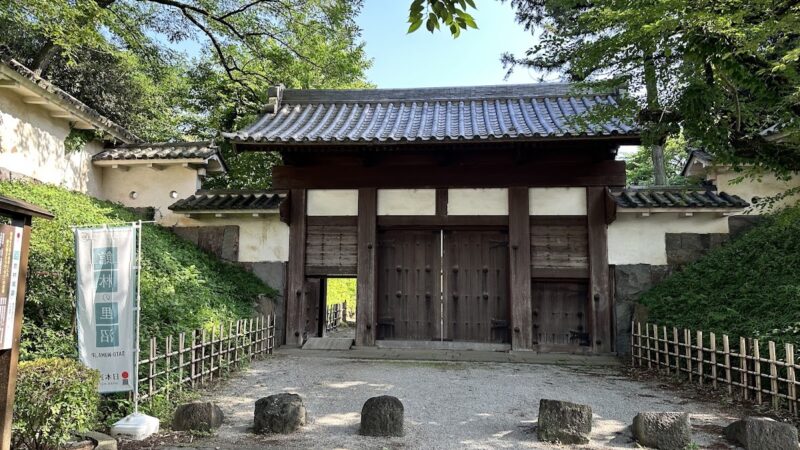
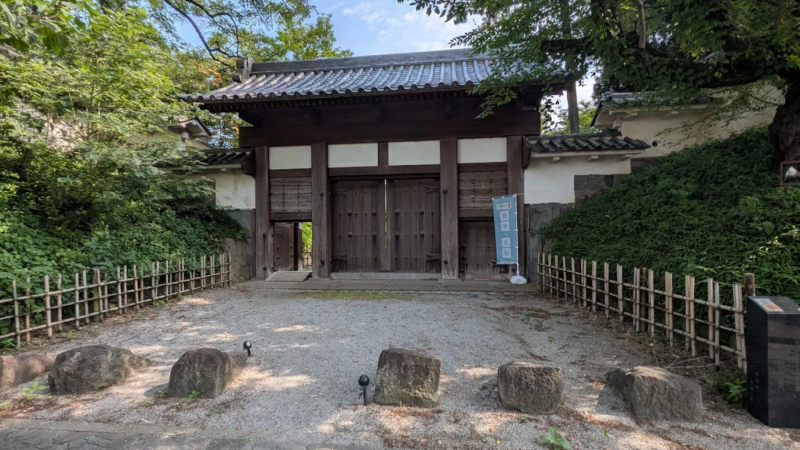
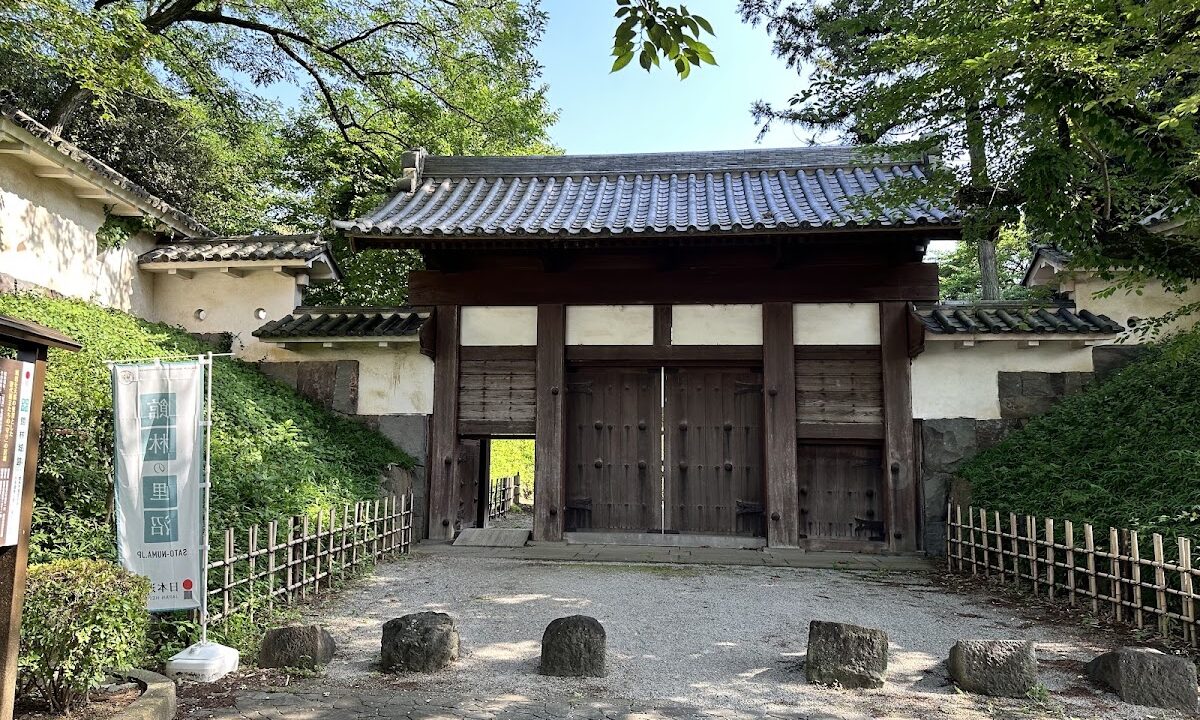
This was the new main castle of the Akai clan, who relocated from Ōbukuro Castle. Currently, the area is urbanized with buildings such as the Tatebayashi City Hall and the Mukai Chiaki Memorial Children’s Science Museum, but a few remains, such as the Dobashi Gate and part of the San-no-maru (third bailey), still exist.
Tatebayashi Castle developed as an important branch castle of the Tokugawa family during the Edo period, and Tokugawa Tsunayoshi was the lord of Tatebayashi Domain at one point. Visiting both Ōbukuro Castle and Tatebayashi Castle together will help you understand the process of the Akai clan’s power expansion.
Aoyagi Castle
This was the castle where the Akai clan had their base before Ōbukuro Castle. Located in Aoyagi-cho, Tatebayashi City, this castle, while lacking clear remains, holds historical value as an early base of the Akai clan.
Attractions around Jōnuma Pond
Around Jōnuma Pond, there are tourist facilities such as Tsutsujigaoka Park and Tatebayashi City Tsutsujigaoka Community Center. Tsutsujigaoka Park, in particular, is known as one of Japan’s leading azalea viewing spots, attracting many tourists in spring.
A promenade is maintained along the north shore of Jōnuma Pond, where citizens can be seen enjoying walking and jogging. The scenery is especially beautiful in summer when the lotus flowers are in bloom.
Historical Significance of Ōbukuro Castle
Value as a Medieval Castle in the Kanto Region
Ōbukuro Castle occupies an important position as a typical example of a medieval castle in the Kanto region. Its layout, which makes maximum use of the natural terrain of Jōnuma Pond, is a good example of the castle-building techniques and strategic thinking of the time.
The fact that the renowned general Ōta Dōkan spent over 70 days conquering this castle proves its high defensive capabilities. In medieval siege warfare, there are few examples of sieges lasting this long.
The Historical Position of the Akai Clan
Obukuro Castle was an important base in the Akai clan’s growth as a regional power. The relocation of their base from Aoyagi Castle to Obukuro Castle, and then to Tatebayashi Castle, symbolizes the expansion of the Akai clan’s power and the development of their domain’s administration.
The Akai clan later experienced ups and downs amidst the turmoil of the Sengoku period, but their contribution to establishing a foundation in the Tatebayashi region was significant, and Obukuro Castle was one of its starting points.
Importance in Local History
Obukuro Castle played a crucial role in the history of Tatebayashi City. The region’s politics and economy developed around this castle, leading to the later prosperity of the Tatebayashi castle town.
The current urban structure and culture of Tatebayashi City are built upon a historical accumulation since the Middle Ages, and Obukuro Castle can be considered one of the historical sites that formed that foundation.
Points to Remember When Visiting Obukuro Castle
Tips for Your Visit
To make the most of your visit to Obukuro Castle, keep the following points in mind:
- View the Entire Castle Pond: Observe the shape of the entire castle pond, including the old castle pond, to understand the terrain on which the castle was built.
- Photography: The scenery of the castle pond displays beautiful expressions in every season. Summer, when the lotus flowers bloom, and the azalea season are particularly ideal for photography.
- Comparison with Maps: If you have old maps or layout diagrams, comparing them on-site will give you a deeper understanding of the castle’s structure.
- Combining with Nearby Historical Sites: Visiting related historical sites such as Tatebayashi Castle and Aoyagi Castle together will give you a more comprehensive understanding of the history of the Akai clan.
Seasonal Ways to Enjoy
Spring (March-May)
- The azaleas in Tsutsujigaoka Park are in full bloom.
- The cherry blossoms around Jōnuma Pond are also beautiful this season.
Summer (June-August)
- The lotus flowers in Jōnuma Pond are in full bloom.
- Early morning strolls are recommended.
Autumn (September-November)
- The autumn leaves are beautiful, and the reflections on the surface of Jōnuma Pond are magnificent.
- It’s a cool season, perfect for strolling.
Winter (December-February)
- Migratory birds arrive, making it a great time for birdwatching.
- The air is clear, allowing for expansive views.
Research and Preservation of Ōbukuro Castle
Archaeological Investigation
While no full-scale archaeological excavations have been conducted on Ōbukuro Castle, research into its size and structure is progressing based on historical documents and topographical surveys.
Due to fluctuations in the water level of Jōnuma Pond and changes in topography, it is difficult to pinpoint the exact location and extent of the castle ruins. However, research by local historians and castle researchers continues.
Challenges of Preservation and Utilization
Since most of the remains of Ōbukuro Castle are submerged, physical preservation is difficult. However, the Jōnuma Pond environment itself is an important element that conveys the history of the castle, and preserving the pond indirectly contributes to the preservation of the castle ruins.
Tatebayashi City is working on the preservation and utilization of the waterfront environment, including Jōnuma Pond, striving to harmonize historical value with modern citizens’ lives.
Information Dissemination Efforts
Websites such as Kōjōdan (Castle Enthusiast Group) have systems that allow visitors to post photos and evaluations, and a lot of information about Ōbukuro Castle has been accumulated. While the number of visitors is not large (75 at the time of data collection), valuable records by castle enthusiasts have been accumulated.
These information-sharing platforms contribute to increasing awareness of lesser-known castle ruins and play a role in widely communicating the value of historical sites like Ōbukuro Castle.
Summary
Obukuro Castle was a medieval flatland castle located in Tatebayashi City, Gunma Prefecture, built by Akai Terumitsu during the Bunmei era. Surrounded by the Jōnuma marsh, it functioned as a natural stronghold, and in 1472, it withstood attacks by Ōta Dōkan and Nagao Kagenobu for over 70 days, proving to be a formidable fortress.
For approximately 60 years, until the Akai clan built Tatebayashi Castle in 1532 (or 1556), it played a crucial role as the Akai clan’s main castle. While no clear remains exist today, the landscape of Jōnuma marsh allows us to understand the strategic advantages of its location at the time.
The visit is relatively short, about 15 minutes, but visiting it along with related historical sites in the surrounding area, such as Tatebayashi Castle and Aoyagi Castle, will provide a deeper understanding of the Akai clan’s history and the medieval history of the Tatebayashi region. The area around Jōnuma marsh is beautiful with its seasonal scenery, making it a spot where you can enjoy both historical exploration and nature appreciation.
While castle enthusiasts might find the scarcity of remaining structures somewhat disappointing, this historical site is worth visiting as a castle conquered by Ota Dokan and as a typical example of a medieval marsh castle.