Complete Guide to Ose Castle (Ibaraki Prefecture): History and Highlights of a Medieval Mountain Castle in Hitachiomiya City
What is Ose Castle?
Ose Castle is a medieval mountain castle located in Kami-Ose, Hitachiomiya City, Ibaraki Prefecture. Built on the mountainside along the Ogawa River, a tributary of the Nakagawa River, this castle functioned as an important military base in northern Hitachi Province. Even today, remains such as earthworks and baileys remain, making it a valuable historical site for understanding the structure of medieval castles.
Ose Castle is located within the former Ogawa Village area, and related castle ruins such as Takadate Castle and Kawasaki Castle are scattered around the area. These castle complexes are important historical legacies that tell the story of the distribution of power and defense systems in this region during the medieval period.
History of Ose Castle
Background and Period of Construction
Since there are no clear records regarding the construction date of Ose Castle, it is difficult to determine the exact period. However, based on the castle’s structure and the historical context of the surrounding area, it is presumed to have been built between the Muromachi and Sengoku periods.
Northern Hitachi Province was under the influence of the Satake clan throughout the medieval period, but many local lords existed under their control. It is highly likely that Oze Castle was built by one of these local forces and functioned as a regional defensive stronghold.
Relationship between the Oze Clan and the Castle
The lord of Oze Castle is presumed to be related to the Oze clan, based on the place name. The Oze clan is believed to have been a family of local lords active in northern Hitachi Province, but detailed genealogies and records of their activities are limited.
In medieval Hitachi Province, a complex power structure centered around the Satake clan unfolded. It is thought that the Oze clan built and maintained the castle to protect their territory within this political situation.
Trends during the Sengoku Period
With the arrival of the Sengoku period, Hitachi Province became a battleground where the Satake clan, the Oda clan, and external forces such as the Hojo and Date clans were all involved in conflict. Oze Castle was no exception, and it undoubtedly suffered the effects of these conflicts.
Particularly in the latter half of the 16th century, during the process of Satake Yoshishige’s unification of Hitachi Province, many local lords were incorporated under the control of the Satake clan. It is presumed that Oze Castle was also incorporated into the Satake clan’s sphere of influence during this period and played a part in their defense network.
Abandonment and Aftermath
There are no clear records of when Oze Castle was abandoned, but it is generally believed to have been in the early Edo period. In 1602 (Keicho 7), when the Satake clan was transferred to Akita, many castles in northern Hitachi Province ceased to serve their purpose. It is highly likely that Oze Castle was abandoned around this time.
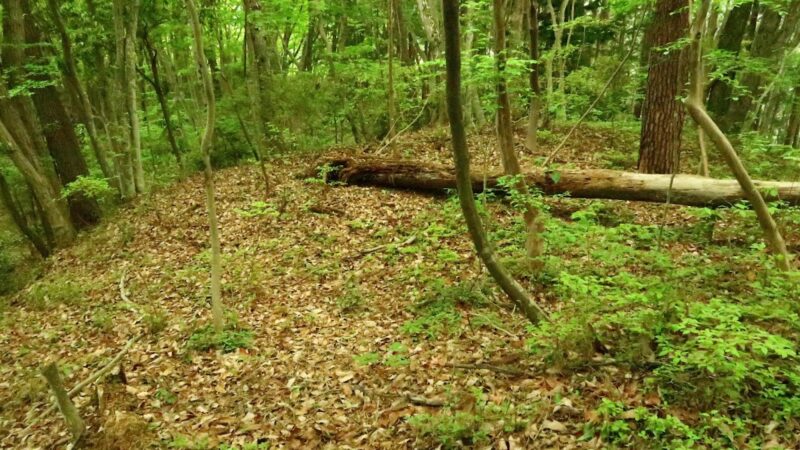
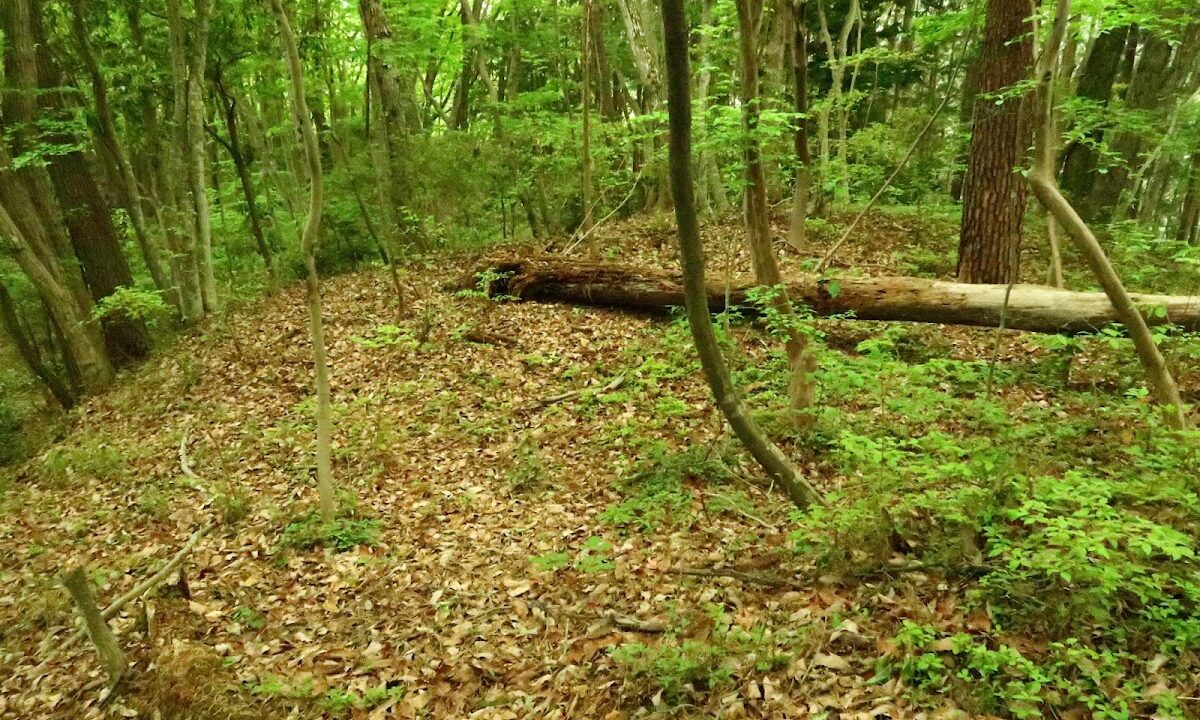
After its abandonment, the castle site gradually reverted to forest, and to this day, it quietly tells the history of the region.
Structure and Remains of Oze Castle
Layout and Arrangement
Oze Castle, as a typical mountain castle, has a layout that skillfully utilizes the natural terrain. The castle’s defensive structure is designed to enhance its defensibility, with the main enclosure (honmaru) located at the mountaintop and multiple baileys arranged in a stepped pattern around it.
The castle’s location on a hill overlooking the Ogawa River basin is ideal for monitoring and defending transportation routes. Its layout, utilizing the surrounding terrain, clearly demonstrates the characteristics of a medieval castle.
Major Remains
Earthworks
Traces of earthworks can still be seen at the Oze Castle site. These earthworks surrounded the baileys and functioned as defensive structures. Despite the effects of weathering and vegetation, their shape remains relatively well-preserved.
Baileys
Multiple baileys are arranged in a stepped pattern, each thought to have had a different function. A structure with the main enclosure at the center, along with second and third baileys, is inferred, illustrating the castle’s scale and importance.
Moat
A moat, a defensive structure unique to mountain castles, has also been confirmed. The trenches dug across the ridge played a crucial role in preventing enemy incursions.
Tiger’s Mouth Entrance
The remains of the castle’s entrance gates (koguchi) are also preserved, providing important clues to understanding the castle’s layout.
Castle Size and Characteristics
Oze Castle is classified as a medium-sized mountain castle. While smaller in scale compared to large flatland castles and hill castles, it is considered to have functioned effectively as a regional defense base.
The castle’s structure is practical, designed with actual combat in mind, with few decorative elements, strongly reflecting its military character. This is a common characteristic of regional castles during the Sengoku period.
Oze Castle Visiting Information
Access Method
Access by Car
Oze Castle Ruins are easily accessible by car. From the Naka Interchange on the Joban Expressway, take National Route 118; the journey takes approximately 30 minutes. Parking space around the castle ruins is limited, so please be careful not to park on the road.
Access by Public Transportation
If using public transportation, the nearest station is Hitachi-Omiya Station on the JR Suigun Line. From the station, you will need to take a bus or taxi, but since the number of services is limited, it is recommended to check the timetable in advance.
Notes for Visitors
Kose Castle Ruins are not a developed tourist facility; the remains are left in a forest. Please note the following points when visiting:
- Clothing: Since you will be walking on mountain paths, please wear comfortable clothing and non-slip shoes.
- Season: In summer, the vegetation is dense, which may make it difficult to see the remains. Spring and autumn are recommended for visits.
- Safety: Please be careful as some areas have uneven footing.
- Private Property: Private property may be included around the castle ruins, so please follow any signs indicating “No Trespassing.”
- Insect Repellent: As it is a forest area, insect repellent spray is recommended.
Points to Note When visiting the Kose Castle Ruins, paying attention to the following points will help you understand the castle’s history more deeply.
- Observation of Topography: Observe how the castle utilizes the natural terrain.
- Shape of Earthworks: The height and shape of the remaining earthworks allow you to imagine the defensive structure of the time.
- View: The view from the main enclosure allows you to appreciate how the castle’s location was suitable for monitoring transportation routes.
- Relationship with Surrounding Castle Ruins: Checking the positional relationship with surrounding castle ruins such as Takadate Castle and Kawasaki Castle on a map helps you understand the regional defense system.
Related Castles in the Surrounding Area
Takadate Castle
Takadate Castle, located near Kose Castle, is also a medieval castle located in Kami-Kose, Hitachiomiya City. Its geographical proximity to Kose Castle suggests the possibility of a coordinated defense system.
Kawasaki Castle
Kawasaki Castle, located in Shimo-Kose, Hitachiomiya City, is also thought to have functioned at the same time as Kose Castle. It played an important role as one of the castles forming the defense line of the Ogawa River basin.
Kobune Castle
Located in Kobune, Hitachiomiya City, Kobune Castle also formed part of the regional castle network. It is presumed that these castles cooperated with each other to establish a wide-area defense system.
Historical Significance of Oze Castle
Position in Regional History
Oze Castle occupies an important position in regional history research as a typical example of a medieval castle in northern Hitachi Province. Although not a large-scale castle, it is a valuable example that shows the actual state of castle construction and operation by local lords.
Contribution to Medieval Castle Research
Small to medium-sized mountain castles like Oze Castle are indispensable for understanding the reality of castles in regional areas during the Sengoku period. Their practical and simple structure, different from the residences of daimyo (feudal lords), provides important clues to understanding the regional society and military system of the time.
Value as a Cultural Property
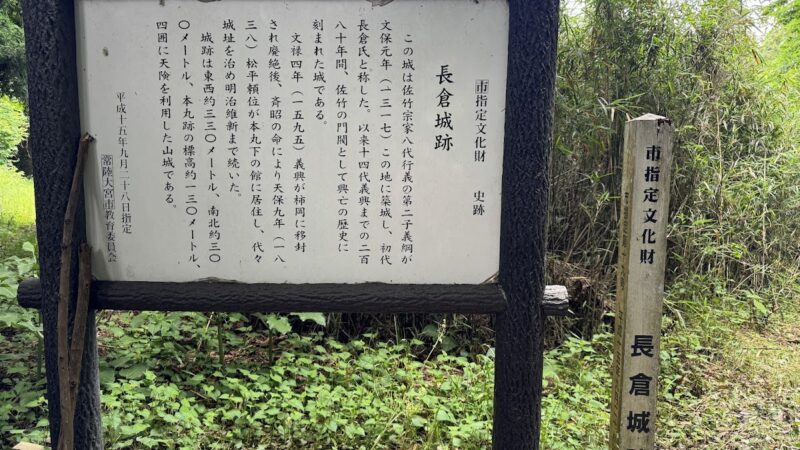
Currently, the Oze Castle ruins are recognized as a regional historical heritage site, but they have not received official cultural property designation. However, considering the state of preservation of the remains and their historical value, future protective measures are desirable.
Castle Culture of Hitachiomiya City
Major Castles in the City
Hitachiomiya City (including the former Ogawa Village) has numerous castle ruins in addition to Kose Castle. These are important elements that form the city’s historical identity.
Major castles in the city include the following:
- Takabe Castle
- Kawachi Castle
- Takazawa Castle
- Naka Castle
- Kajinai Castle
These castle complexes reflect the political and military situation of the region from the medieval period to the Sengoku period, and comprehensive research allows for a deeper understanding of history.
Regional Development Utilizing Castles
In recent years, efforts to develop regional areas utilizing castles have been progressing nationwide. Hitachiomiya City also has the potential to utilize castle ruins, including Kose Castle, as tourist resources.
It is hoped that the castle ruins will be used to promote history education and tourism, while striking a balance between appropriate preservation and utilization.
Things to know before visiting Kose Castle
Recommendation for pre-visit learning
Before visiting the Kose Castle ruins, studying the basic structure of medieval castles and the history of Hitachi Province will deepen your understanding at the site. We especially recommend that you study the following topics:
- Basic structure of medieval mountain castles (enclosures, earthworks, moats, etc.)
- Medieval history of Hitachi Province (power relations centered on the Satake clan)
- Role and function of castles during the Sengoku period
Reference Materials
To learn more about Oze Castle, the following materials are helpful:
- Local history materials published by Ibaraki Prefecture and Hitachiomiya City
- Specialized books on castle research
- Online castle databases (e.g., Kojodan, Oshiro Meguri FAN)
- Materials held by local libraries and local history museums
Photography and Manners
When visiting the castle ruins, please observe the following manners:
- Be careful not to damage the remains
- Always take your trash with you
- Avoid trespassing on private property
- Take photographs only for personal use
- Respect the natural environment and do not collect plants, etc.
Preservation of Oze Castle Ruins and Future Challenges
Current Situation and Challenges
The Kose Castle Ruins are currently not undergoing any special management or maintenance. Therefore, the following challenges exist:
- Weathering and burial of remains due to vegetation
- Lack of information boards and explanatory signs
- Undeveloped access roads
- Low awareness
Efforts toward Preservation
To pass on the Kose Castle Ruins as a regional historical heritage to future generations, the following efforts are necessary:
- Detailed surveying and record-keeping
- Regular checks of the preservation status of the remains
- Public awareness campaigns for local residents
- Conducting academic research by experts
- Development and public access to the extent possible
Future Prospects
It is hoped that the Kose Castle Ruins will be recognized as an important regional historical resource in the future and will be appropriately preserved and utilized. Consideration of measures to maximize its value as a place for regional history education and as a tourist resource is desirable.
Comparison with Similar Castles in Ibaraki Prefecture
Comparison with Obata Castle
Obata Castle, located in Ibaraki Town, is known as one of the largest medieval castles in Ibaraki Prefecture. Compared to Ose Castle, Obata Castle is larger in scale and has a more complex layout. However, both castles share common characteristics as medieval castles of Hitachi Province, making them interesting subjects for comparative research.
Obata Castle underwent archaeological excavations during the Heisei era, and important remains such as the main gate site were confirmed. These research findings are also useful for understanding Ose Castle.
Similarities with Mountain Castles in the Prefecture
Numerous small to medium-sized mountain castles similar to Ose Castle exist in Ibaraki Prefecture. These castles share the following common characteristics:
- A layout that skillfully utilizes the natural terrain
- A structure that primarily uses earthworks and moats as defensive facilities
- Construction and operation by local lords
- A role in regional conflicts during the Sengoku period
Understanding these common characteristics clarifies the unique features of Ose Castle.
Tips for Enjoying the Kose Castle Ruins
How to Enjoy Walking Through Castle Ruins
When visiting the Kose Castle Ruins, here are some ways to enjoy them:
Feel the Romance of History
Imagine the people who once lived and fought here, standing before the ruins. Reflecting on how medieval samurai defended the castle and what their daily lives were like will deepen your understanding of history.
Read the Topography
By observing the topography, you can understand why the castle was built in this location. You’ll see that the site was chosen considering various factors such as views, water sources, and transportation routes.
Enjoy Photography
There are many attractive elements as subjects for photography, such as the shapes of the earthworks and baileys, and the surrounding natural landscape. By capturing the changing expressions of the four seasons, you can discover new charms of the castle ruins.
Combining with Nearby Sightseeing
In addition to visiting the Oze Castle Ruins, we recommend exploring other tourist spots in Hitachiomiya City:
- Other castle ruins in the city (Takadate Castle, Kawasaki Castle, etc.)
- Natural scenery of Ogawa
- Local shrines and temples
- Local facilities such as roadside stations
Why not plan a day trip to fully enjoy the region’s history and nature?
Summary
Oze Castle (Ibaraki Prefecture) is a medieval mountain castle located in Kami-Oze, Hitachiomiya City. While there are no clear records regarding its construction date or lord, it is believed to have played an important role as a regional defense base from the medieval period to the Sengoku period.
Even today, remains such as earthworks and baileys remain, making it a valuable historical site for understanding the structure of medieval castles. Although it hasn’t been developed into a large-scale tourist destination, it’s a place where you can quietly feel history, making it a worthwhile spot for castle enthusiasts and history buffs.
When visiting the Oze Castle Ruins, we recommend prior research, preparing appropriate equipment, and visiting with safety in mind. Visiting the surrounding related castles will allow you to gain a deeper understanding of the medieval history of this region.
It is hoped that the Oze Castle ruins will be properly preserved as a local historical heritage site and passed down to future generations.
Reference Materials
Information about Oze Castle is limited, but the following materials may be helpful:
- Local history materials of Hitachiomiya City (formerly Ogawa Village)
- Research books on castles in Ibaraki Prefecture
- Online castle databases (e.g., Kojodan, Oshiro Meguri FAN, Ibaraki Castle Research Association)
- Materials held by local libraries and local history museums
- Topographic maps from the Geospatial Information Authority of Japan
For more detailed information, we recommend contacting the Hitachiomiya City Board of Education or local history museum. Websites of local history research groups and castle researchers are also useful sources of information.