Imai Castle (Hodogaya Ward, Yokohama City) Complete Guide | The Legend of Imai Kanehira and the Highlights of the Castle Ruins
What is Imai Castle? – A Historical Mountain Castle Ruins Remaining in Yokohama
Imai Castle (Imai-jo) was a Japanese castle (fortress) located in Imai-cho, Hodogaya Ward, Yokohama City, Kanagawa Prefecture. Also known as Imai Fort, it belonged to Tsuzuki District in the old Musashi Province. Despite being located in the urban area of present-day Yokohama City, it attracts attention from castle enthusiasts and history buffs as a valuable castle ruin that evokes the historical romance of the medieval period.
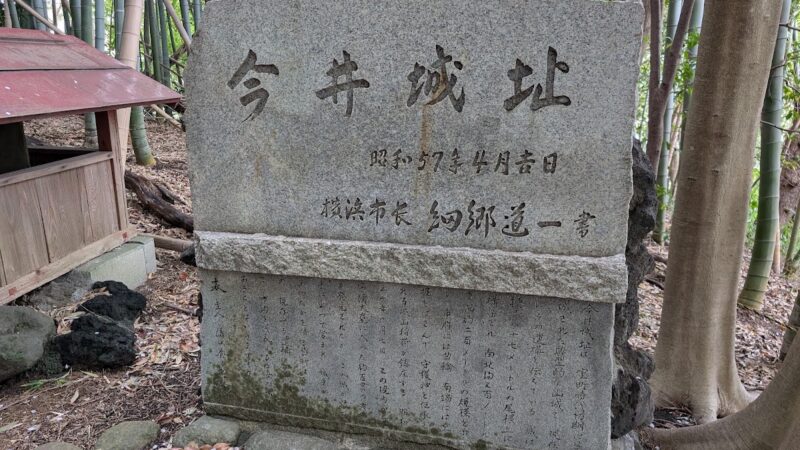
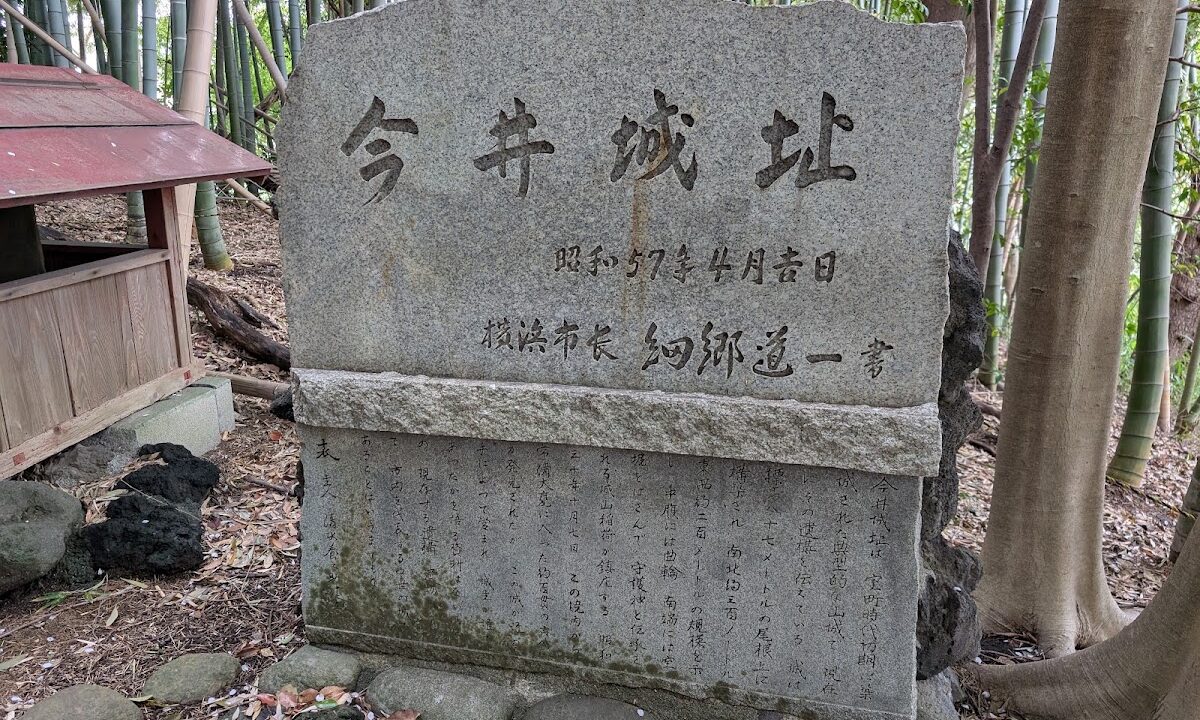
Built on a hill approximately 87 meters above sea level, this mountain castle boasted a scale of approximately 300 meters north-south and 200 meters east-west, and remnants such as moat remains still partially exist today. At the southern end of the castle ruins sits Shiroyama Inari, and a stone monument has been erected, indicating that it is carefully preserved as a historical symbol of the region.
The History of Imai Castle and the Legend of Imai Kanehira
Relationship with Imai Kanehira, a Vassal of Kiso Yoshinaka
The most famous legend of Imai Castle is that it was the residence of Imai Shiro Kanehira, known as one of the Four Heavenly Kings of Kiso Yoshinaka, a military commander of the late Heian period. Imai Kanehira is also known as the brother of Tomoe Gozen and was a warrior who played an active role alongside Yoshinaka in the Genpei War.
According to this legend, Imai Kanehira is said to have used this area as his base, but historically, there is no conclusive evidence. Kanehira’s period of activity was the late Heian period (late 12th century), and he met his end at the Battle of Awazu in 1184. Given the connection to the place name Imai in Yokohama, it is highly likely that this legend arose in later times.
Imai Castle in the Sengoku Period – Under the Control of the Hojo Clan
The only reliable historical record is of Imai Castle during the Sengoku period (Warring States period). During this time, Imai Castle was within the sphere of influence of the Later Hojo Clan (Odawara Hojo clan), and the Shimizu clan, vassals of the Hojo clan, were appointed as castle lords.
The southern part of Musashi Province during the Sengoku period was an important territory controlled by the Hojo clan, and Imai Castle is thought to have played a crucial role in controlling a key point on the road connecting Odawara Castle and Edo. Other Hojo-related castles, such as Okazu Castle, are scattered in the surrounding area, suggesting the strategic importance of this region.
Abandonment and its Aftermath
The exact year of Imai Castle’s abandonment is unknown, but it is presumed to have lost its function as a military base after Toyotomi Hideyoshi’s siege of Odawara in 1590, along with the fall of the Hojo clan. From the Edo period onward, the land was used for farming and residential development, and the remains of the castle gradually disappeared.
Structure and Remains of Imai Castle
Basic Structure of the Castle
Imai Castle is classified as a typical mountain castle (hill castle). The main enclosure was located on a ridge 87 meters above sea level, and it had a long, narrow layout running north-south. This defensive structure, utilizing the terrain, is a form commonly seen in the Kanto region during the Sengoku period.
Classification/Structure: Mountain Castle (Hill Castle)
Builder: Unknown (Tradition says Imai Kanehira)
Year of Construction: Unknown (Some theories suggest the late Heian period)
Renovator: Shimizu clan (Sengoku period)
Year of Abandonment: Unknown (Estimated to be the 1590s)
Existing Remains
The main remains that can be confirmed at the current Imai Castle site are as follows:
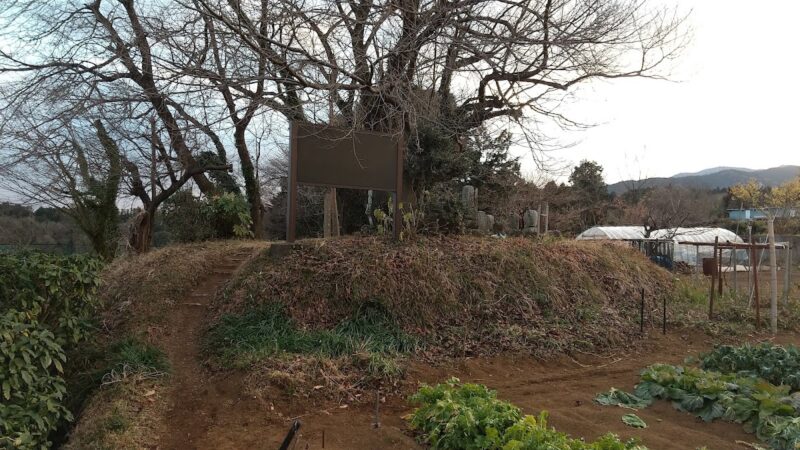
Moat Remains: Traces of a moat remain north of Shiroyama Inari Shrine. The original depth and size are unknown, but the existence of a moat can be inferred from changes in the terrain.
Traces of Earthworks: Some elevated areas, believed to be earthworks, remain. However, many parts have lost their original form due to later alterations.
Remains of Enclosures: The location of the Shiroyama Inari shrine is presumed to be the main enclosure or southern enclosure. The layout of the flat areas suggests the existence of multiple enclosures, but clear division is difficult.
Reconstructed Structures and Stone Monuments
While there are no reconstructed structures as military facilities at the castle site, the Shiroyama Inari shrine and the Imai Castle Site Stone Monument have been erected. The stone monument plays an important role in conveying the region’s history to future generations and serves as a landmark for visitors.
Access to and How to Visit Imai Castle
Location and Basic Information
Location: Imai-cho, Hodogaya-ku, Yokohama City, Kanagawa Prefecture
Former Province: Tsuzuki District, Musashi Province
Designated Cultural Property: None
Parking: None (Use nearby coin parking)
Access by Public Transportation
By Train:
- Approximately 20 minutes on foot from Futamatagawa Station on the Sotetsu Line
- Approximately 25 minutes on foot from Kibogaoka Station on the Sotetsu Line
By Bus:
- Approximately 5 minutes on foot from the Imai-cho bus stop on the Sotetsu Bus line
How to Find the Entrance – A Difficult Guide
The most difficult part of visiting Imai Castle is finding the entrance. Many visitors rely on Google Maps to get to the site, but there are no clear signs or well-maintained entrances, and cases of getting lost have been reported.
Access to the Castle Entrance:
- Head towards the residential area of Imai-cho.
- Look for a small sign indicating the direction to Shiroyama Inari Shrine (easily overlooked).
- Find a narrow, overgrown path beside a private house.
- Climb the somewhat steep stairs (natural stones and earthen steps).
- Arrive at Shiroyama Inari Shrine in about 5 minutes.
According to visitor reviews, the path is not well-maintained, described as “like an animal trail” and “showing little sign of human activity.” Comfortable clothing and shoes are essential for your visit.
Imai Castle Highlights and Visitor Guide
Historical Exploration at Shiroyama Inari Shrine
Shiroyama Inari Shrine, the central feature of the castle ruins, is still cherished as an object of local faith. Although a small shrine, its location speaks to its importance as a key part of the castle. Walking around the shrine allows you to imagine the scale of the castle in its heyday.
Stone Monument and Historical Traces
The stone monument marking the Imai Castle site is an important point of reference for visitors. The inscription describes the castle’s outline, confirming that this is indeed a historical castle site. It’s also a popular spot for photography.
Observing the Surrounding Topography
From the castle site, you can observe the surrounding topography. At an elevation of 87 meters, it was a sufficient height for surveying the surrounding area at the time, making it suitable for monitoring roads and detecting enemy movements.
Although the original landscape has been lost due to being surrounded by modern residential areas, the undulating terrain clearly demonstrates its suitability for defense.
Spot Information Around Imai Castle
Masudaya – A Local Japanese Confectionery Shop
When visiting the castle site, you should stop by Masudaya, a local Japanese confectionery shop. It’s a great place to enjoy local flavors while strolling around Imai-cho.
Okazu Castle – Nearby Castles to Visit
Near Imai Castle is Okazu Castle, also associated with the Hojo clan. Located in Izumi Ward, Yokohama City, this castle also retains remains from the Sengoku period, and visiting it along with Imai Castle will provide a deeper understanding of the Hojo clan’s rule in this region.
Historical Walks in Hodogaya Ward
Besides Imai Castle, Hodogaya Ward is dotted with other historical sites. The remains of Hodogaya-juku, a post town on the Tokaido road, and ancient temples remain, making it possible to spend a full day exploring the area as part of a historical walking tour.
Imai Castle Reviews and Ratings
Ratings from Castle Enthusiasts
On castle information websites such as Kojodan, the average rating for Imai Castle is around ★★☆☆☆ (2.43). This is due to the limited state of preservation and maintenance of the remains. However, with over 80 visitors, it can be said that this castle site, though minor, attracts a certain level of interest.
Visiting Time: Approximately 17 minutes on average
Difficulty: Finding the entrance to the castle is difficult (medium to high)
Condition of Preservation: Limited (only moat remains and topography)
Summary of Visitor Reviews
Based on reviews from actual visitors:
Positive Opinions:
- A valuable castle site remaining in an urban area
- You can feel the romance of the Imai Kanehira legend
- A quiet and peaceful atmosphere
- A good opportunity to learn about local history
Negative Opinions:
- The entrance to the castle is very difficult to find
- Almost no remains remain
- Poorly maintained and overgrown with vegetation
- Few signs and explanatory panels
Points to Note When Visiting
When visiting Imai Castle Ruins, please note the following:
- Check a map beforehand: Check the location of the entrance using a detailed map or GPS app
- Appropriate Clothing: Wear comfortable clothing and non-slip shoes
- Time of Day: Visiting during daylight hours is recommended (there are no streetlights).
- Avoiding Solo Visits: Visiting in groups is safer if possible.
- Consideration for Private Property: Since you will be passing through a residential area, please be considerate of the residents.
Historical Significance and Future Preservation of Imai Castle
Positioning in Yokohama’s Medieval History
Imai Castle is a valuable historical site that demonstrates the existence of medieval castles even in present-day Yokohama, a major metropolis. While there are several other medieval castle sites within the Yokohama area, such as Kozukue Castle and Chigasaki Castle, many have been lost due to urbanization.
Preserving and passing on even small forts like Imai Castle to future generations is crucial for maintaining the region’s historical identity.
Cultural Value of the Imai Kanehira Legend
Although there is no historical confirmation of its connection to Imai Kanehira, the legend itself holds value as a regional cultural heritage. The story of Kiso Yoshinaka and his Four Heavenly Kings is one of Japan’s historical romances, and its continuation as one of its settings contributes to enhancing the region’s appeal.
Challenges for Preservation and Utilization
Future challenges for Imai Castle Ruins include:
- Installation of Information Boards: Clear guidance to prevent visitors from getting lost
- Improvement of Access Paths: Minimum improvements to ensure safe visits
- Enhancement of Explanatory Boards: Detailed explanatory boards explaining the castle’s history and structure
- Collaboration with the Local Community: Preservation activities with the understanding and cooperation of residents
- Digital Utilization: Recreating the castle’s appearance in its heyday using AR technology, etc.
These are just a few examples.
Summary – The Value of Visiting Imai Castle
Imai Castle (Imai Fort) in Hodogaya Ward, Yokohama City, Kanagawa Prefecture, is a valuable historical site that, even in today’s increasingly urbanized world, allows us to feel the history from the medieval period to the Sengoku period through its few remaining ruins and legends.
It boasts the legend of being the residence of Imai Kanehira, a retainer of Kiso Yoshinaka; its history as a fort defended by the Shimizu clan, the castle lords of the Hojo clan during the Sengoku period; and the Shiroyama Inari Shrine, which is still cherished by the local community today. All of these details speak to the multifaceted history of this small castle site.
You might have some difficulty finding the entrance to the castle, but the joy of discovering it will be all the greater. Standing before the stone monument and observing the surrounding terrain, imagining the castle that once stood here, the people who lived here, and the strategies they devised will be an invaluable experience for history enthusiasts.
Imai Castle Ruins, quietly nestled within the bustling metropolis of Yokohama, may possess a charm precisely because of its unassuming presence.
References and Information Sources
Information about Imai Castle can be obtained from the following sources and materials:
- Medieval castle-related materials from the Yokohama City Historical Archives
- Castle research books such as “Medieval Castles of Kanagawa Prefecture”
- Castle information websites such as Kojodan, Nippon Jorei, and Shirobito
- Reports from local history research societies
- On-site stone monuments and explanatory signs (if installed)
Many aspects of Imai Castle’s detailed history remain unknown, and further research is anticipated. Those planning a visit are advised to check the latest information and take safety precautions.