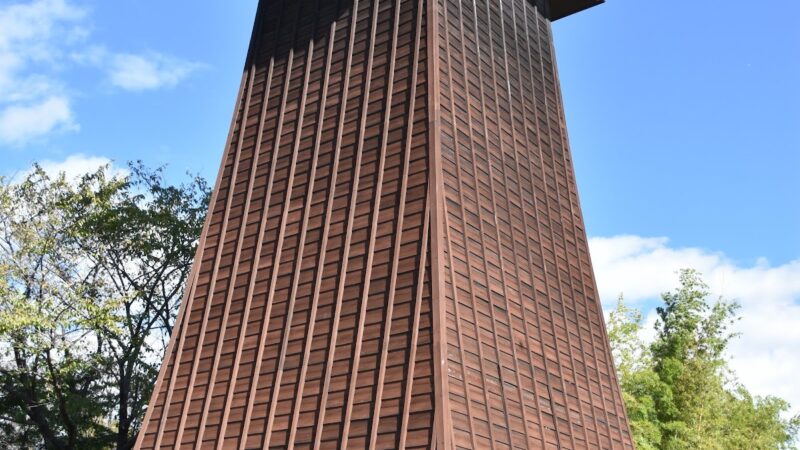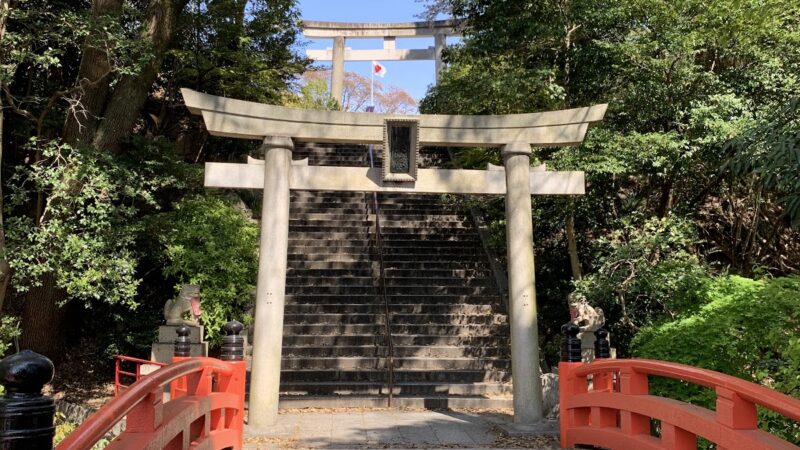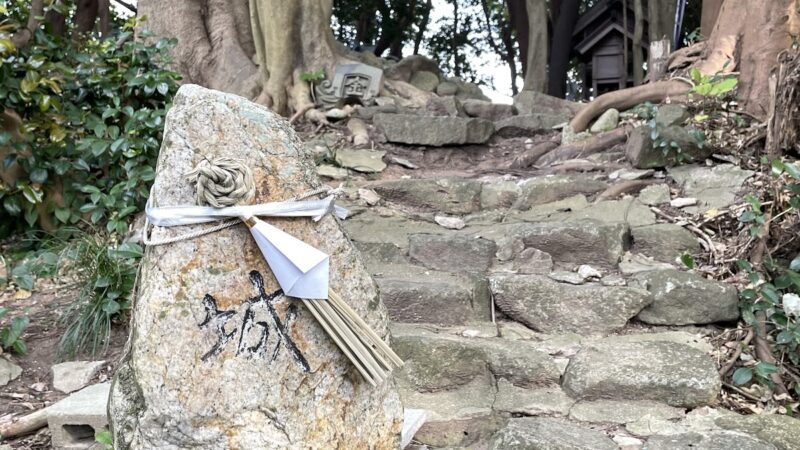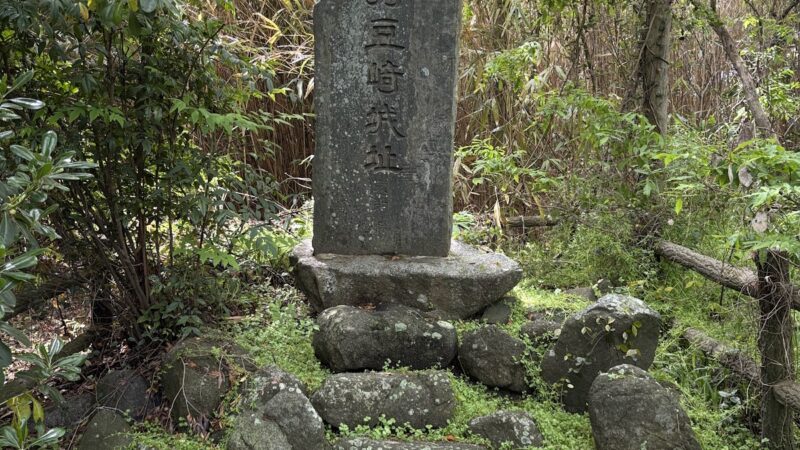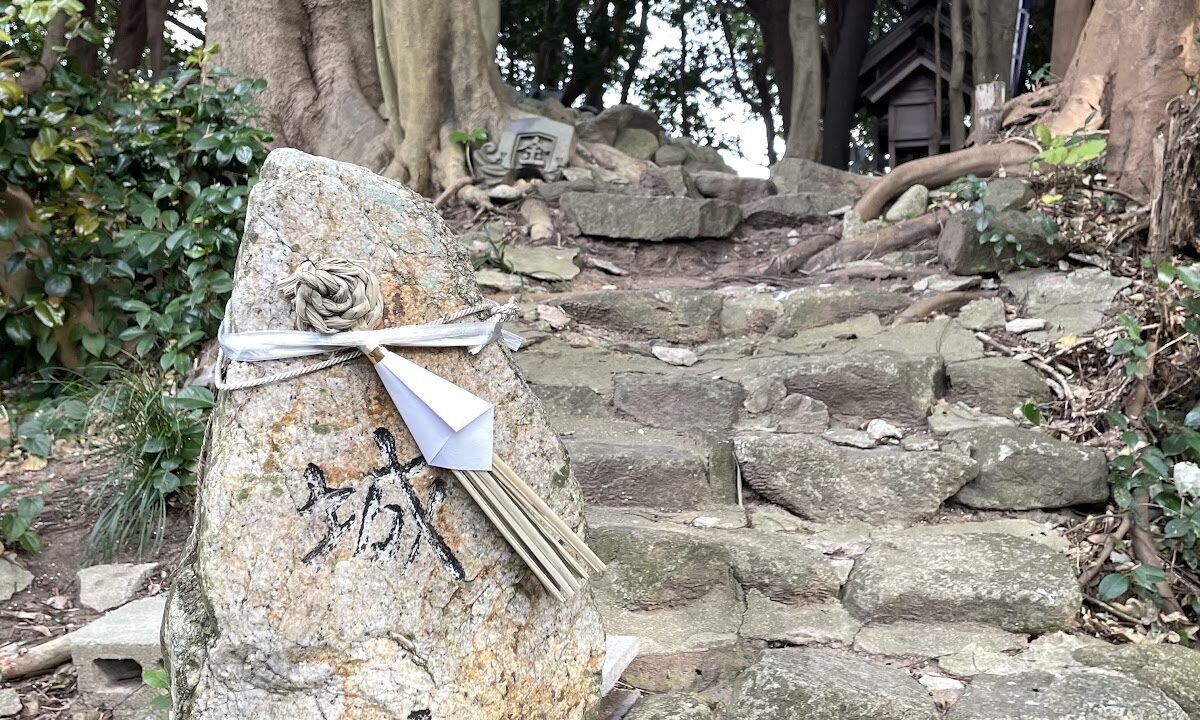
Shinojima Castle (Chita District, Aichi Prefecture) Complete Guide | Island Castle Associated with Prince Yoshiyoshi: History and Tourism Information
Located on Shinojima Island in Minamichita Town, Chita District, Aichi Prefecture, Shinojima Castle is a valuable castle ruin that conveys the history of the Nanboku-cho period. Despite its convenient access—approximately 1.5 hours from Nagoya and about 30 minutes by high-speed ferry from Morozaki Port or Kowa Port—this island castle ruin, with its unique history and culture distinct from the mainland, attracts not only history enthusiasts but also tourists seeking its deep connection to Ise Grand Shrine, abundant nature, and fresh seafood.
This article provides a thorough guide to this valuable historical site remaining on a Japanese island, covering the detailed history of Shinojima Castle, its characteristics as a fortress, local highlights, and overall tourism information for Shinojima Island.
History and Origins of Shinojima Castle
From Ancient to Medieval Times: The Era of the Shinojima King
Indispensable to understanding the history of Shinojima Castle is the existence of the “Shinojima King” during the mid-ancient Ritsuryo system period (645-957). At that time, there were many more islands around Shinojima than there are today, and the ruler who governed these islands was called the Shinojima King. During this period, Shinojima functioned as a key point for maritime traffic in Ise Bay and as an important transit point on the sea route to Ise Grand Shrine.
Under the Ritsuryo system, Shinojima belonged to Chita District of Owari Province, and its economic activities centered on maritime traffic and fishing. Due to the island’s geographical location, it is thought to have had a deep connection with Ise Grand Shrine, playing a role in transporting goods related to religious ceremonies and as a transit point for pilgrims visiting the shrine.
Nanboku-cho Period: Prince Yoshiyoshi and Shinojima Castle
Shinojima Castle first appears on the historical stage during the Nanboku-cho period. Records show that in 1336 (Kenmu 3), Prince Yoshiyoshi (later Emperor Go-Murakami), son of Emperor Go-Daigo, temporarily stayed on Shinojima Island to escape the forces of the Northern Court.
Prince Yoshiyoshi was an important figure in the Southern Court, moving from place to place in an attempt to regain power. Shinojima Island, being an isolated island in Ise Bay, was an ideal hiding place to escape pursuit by the Northern Court. Its proximity to Ise Grand Shrine also likely held symbolic significance in asserting the legitimacy of the Southern Court.
Shinojima Castle was responsible for the island’s defense during the prince’s stay, and the name of Muroga Sakon-dayu Akisue is recorded as its lord. The Muroga clan were samurai who served the Southern Court and were responsible for the important tasks of protecting the prince and defending the island.
Muroga Sakon-dayu Akisue and the Castle’s Structure
Muroga Sakon-dayu Akisue, recorded as the lord of Shinojima Castle, served Prince Yoshiyoshi as a general of the Southern Court and built this defensive stronghold on the remote island. The castle’s structure features characteristics of a coastal castle, making maximum use of the island’s topography.
The castle is located on a hill on the island, utilizing the surrounding sea as a natural moat. Unlike mainland flatland or mountain castles, its design emphasizes monitoring and preventing enemy approaches from the sea. Even today, the castle ruins offer a panoramic view of Ise Bay, allowing one to appreciate the importance of its lookout function at the time.
Although the castle was not large, it was cleverly designed to efficiently defend itself with limited personnel in the unique environment of a remote island. The arrangement of the baileys and the faint traces of earthworks suggest that medieval castle construction techniques were applied even to remote islands.
Shinojima Island and its Castle After the Sengoku Period
After the end of the Nanboku-cho period, the military importance of Shinojima Castle gradually declined from the Muromachi period to the Sengoku period. While Shinojima occasionally held a strategic position in the struggle for control of Ise Bay, it ceased to be maintained as a full-fledged castle.
During the Sengoku period, the island was incorporated into the spheres of influence of Oda Nobunaga and Toyotomi Hideyoshi, and developed primarily as a base for fishing and maritime transport. In the Edo period, it came under the control of the Owari Domain, and the inhabitants of Shinojima continued their traditional role of transporting offerings to Ise Grand Shrine while continuing their livelihood through fishing.
Highlights and Remains of Shinojima Castle
Access to the Castle Ruins and Required Time
The Shinojima Castle ruins are located about a 15-20 minute walk from Shinojima Port. The island is hilly, and the castle ruins are on a hill, so comfortable walking shoes are recommended. Even if you use a rental bicycle, the final leg of the climb to the castle will be on foot.
While the castle ruins themselves can be visited in about 15 minutes, it’s recommended to allocate 30 minutes to an hour to enjoy the surrounding historical sites and scenery. Since signposts are limited, it’s advisable to check their locations beforehand.
Existing Remains and Topographical Characteristics
Although much of the remains of Shinojima Castle have been lost over time, careful observation will reveal traces of the medieval castle.
Main Remains:
- Remains of Enclosures:: A small flat area remains, allowing us to imagine the layout of the former enclosures.
- Traces of Earthworks:: Some elevations, believed to be earthworks, can be seen.
- Utilization of Topography:: A defensive line skillfully utilizing the natural terrain can be observed.
- View:: From the castle ruins, Ise Bay can be seen in its entirety, allowing us to experience the surveillance function of the time.
As a castle built in the unique environment of an isolated island, it offers a different defensive philosophy from castles on the mainland, making it a fascinating point for castle researchers.
Historical Sites Associated with Prince Yoshiyoshi
Several historical sites related to Prince Yoshiyoshi’s stay remain around the Shinojima Castle ruins.
Shinmei Shrine:: Shinmei Shrine, located on the island, is a shrine that shows deep ties to Ise Grand Shrine, and it is said that Prince Yoshiyoshi also prayed at this shrine. Every January, the “Onbe Tai Dedication Ritual” is held, continuing the tradition of offering sea bream to Ise Grand Shrine.
Legends of the Prince’s Stay: Several legends remain on the island about places where the prince is said to have stayed, and these stories are passed down among the local people. Visiting these legendary sites allows you to feel closer to the history of the Nanboku-cho period.
Views and Strategic Value from the Castle Ruins
One of the greatest highlights of the Shinojima Castle ruins is the spectacular view of Ise Bay from there. On a clear day, you can see not only the Chita Peninsula on the opposite shore, but also the Atsumi Peninsula and even the mouth of Ise Bay in the distance.
This view speaks to the strategic value of Shinojima Castle. It allowed for the early detection of approaching enemy ships from the sea, and also enabled the monitoring of the movements of friendly ships. This surveillance function was extremely important in maritime traffic during the Nanboku-cho period.
For modern visitors, this view is one of the highlights of sightseeing on Shinojima Island. Especially at sunset, the view of the sun sinking into Ise Bay is beautiful, allowing you to enjoy both historical exploration and natural beauty simultaneously.
Detailed Access Information to Shinojima Island
Access to Shinojima Island from the Mainland
Although Shinojima Island is an island, it is relatively easy to access from within Aichi Prefecture. Its proximity, reaching in about 1.5 hours from Nagoya City, is a major attraction.
Access from Morozaki Port:
- Travel Time: Approximately 20 minutes by high-speed ferry
- Frequency of Service: Approximately 10 trips per day (varies seasonally)
- Fare: Approximately 1,000 yen for one-way adult fare
- Parking: Paid parking available at Morozaki Port (approximately 500-1,000 yen per day)
Access from Kowa Port:
- Travel Time: Approximately 25-30 minutes by high-speed ferry
- Frequency of Service: Several trips per day
- Fare: Approximately 1,300 yen for one-way adult fare
- Features: Convenient access, within walking distance from the last station of the Meitetsu Kowa Line
Specific Route from Nagoya
If using a private car:
- Take the Chita Peninsula Expressway from Nagoya city
- Take the Minami-Chita Expressway to Morozaki Port (approximately 1 hour)
- From Morozaki Port, take a high-speed ferry to Shinojima Port (approximately 20 minutes).
If using public transportation:
- From Meitetsu Nagoya Station, take the Meitetsu Kowa Line to Kowa Station (approximately 50 minutes by express train).
- From Kowa Station, walk to Kowa Port (approximately 5 minutes).
- From Kowa Port, take a high-speed ferry to Shinojima Port (approximately 25 minutes).
Alternatively:
- From Meitetsu Nagoya Station, take the Meitetsu Kowa Line/Chita Shinsen Line to Utsumi Station.
- From Utsumi Station, take the Umikko Bus to Morozaki Port.
- From Morozaki Port, take a high-speed ferry to Shinojima Port.
Transportation within the island
Shinojima is a small island with a circumference of approximately 8 km. The main modes of transportation are walking and rental bicycles.
Bicycle Rental:
- Location: Available for rent at “Shima no Eki SHINOJIMA” right next to Shinojima Port.
- Opening Hours: 9:00 AM – 4:00 PM (Last return 4:30 PM)
- Price: From approximately 500 yen for 2 hours
- Note: The island has many hills, so electric bicycles are recommended.
Exploring on Foot:
- Around the island: Approximately 2-3 hours
- Visiting major tourist spots: Approximately 1.5-2 hours
- Shinojima Castle Ruins only: Approximately 40 minutes to 1 hour round trip
There are no traffic lights on the island, and time flows at a leisurely pace. It’s recommended to take your time and enjoy the island’s atmosphere while exploring.
Tourist Spots to Visit Along with Shinojima Castle
Shinmei Shrine and the Tradition of “Onbe-tai”
Shinmei Shrine is a must-see when visiting Shinojima. This shrine has deep ties to Ise Grand Shrine, and the “Onbe Tai Dedication Ritual,” held annually on January 3rd and 13th, is the island’s most important annual event.
During the ritual, sea bream caught on the island are offered to Ise Grand Shrine. This tradition is ancient, a sacred role passed down through generations of the island’s fishermen. During the ritual, the entire island is enveloped in a solemn atmosphere, reflecting the deep faith of the islanders.
Shinmei Shrine is located about a 10-minute walk from Shinojima Port, and the grounds offer views of the sea. It’s a must-visit spot when visiting the Shinojima Castle ruins.
Song Monument Park and the Manyo Era
Shinojima has a “Song Monument Park” where monuments inscribed with poems from the Manyoshu (an ancient collection of Japanese poetry) stand. This historical site demonstrates Shinojima’s culturally significant position since ancient times.
From the park, you can enjoy a panoramic view of Ise Bay, allowing you to reflect on the Manyo era while enjoying the scenery. Located near the ruins of Shinojima Castle, it’s ideal for incorporating into a historical walking tour.
Matsushima and Sunrise Beach
Matsushima and Sunrise Beach are two places where you can fully appreciate the natural beauty of Shinojima.
Matsushima: Located on the east side of the island, this small island can be reached on foot at low tide. Known as a power spot for matchmaking, it’s popular with young couples and groups of women.
Sunrise Beach: As the name suggests, this beach offers stunning views of the sunrise. While it’s a popular swimming beach in the summer, it’s also a great spot for a stroll during the off-season.
These natural spots are perfect for refreshing yourself between historical walks.
Island Station SHINOJIMA and Tourist Information
“Island Station SHINOJIMA,” adjacent to Shinojima Port, is a convenient facility serving as a base for sightseeing.
Facility Details:
- Tourist Information Center (Shinojima Tourism Association)
- Bicycle Rental
- Souvenir Shop
- Rest Area
- Restrooms
Opening Hours: 9:00 AM – 4:00 PM (Inside the shop)
Inquiries: 0569-67-3700 (Shinojima Tourism Association)
Upon arrival on the island, it’s recommended to first obtain a tourist map and rent a bicycle here. The staff will provide detailed directions to the Shinojima Castle Ruins.
Shinojima’s Famous Cuisine and Food Culture
Seafood from the “Island of Sea Bream, Whitebait, and Pufferfish”
Shinojima is known as the “Island of Sea Bream, Whitebait, and Pufferfish,” a treasure trove of gourmet food where you can enjoy fresh seafood.
Shinojima’s Sea Bream: The natural sea bream caught in Ise Bay is an exquisite delicacy with firm flesh and rich fat. You can enjoy sea bream prepared in various ways, such as sashimi, salt-grilled, and in sea bream rice. The “Onbe sea bream,” especially the one offered to Ise Grand Shrine, is a source of pride for the island.
Shirasu (whitebait): Freshness is paramount for shirasu from Shinojima. Freshly caught raw shirasu has a melt-in-your-mouth texture and sweetness, a delicacy rarely found on the mainland. Shirasu donburi (rice bowl with shirasu) is a staple dish on the island.
Fugu (pufferfish): Available only in winter, the wild pufferfish caught on Shinojima are safely processed and served. You can enjoy winter delicacies such as tessa (pufferfish sashimi) and fugu nabe (pufferfish hot pot).
Dining Experience at a Guesthouse
Shinojima has numerous guesthouses, most of which offer dishes made with fresh seafood. Some guesthouses also offer lunch to day visitors.
Meals at guesthouses are characterized by luxurious seafood dishes made with fish and shellfish caught that very morning. You can fully enjoy the unique flavors of the island, such as sashimi platters, grilled fish, boiled fish, and sea bream rice.
Prices vary depending on the accommodation, but lunch is generally around 2,000-4,000 yen, and overnight stays with two meals are typically around 10,000-15,000 yen.
Restaurants and Island Cafes
Besides guesthouses, there are several restaurants and cafes on the island.
Restaurants: Several restaurants serving dishes like shirasu donburi (whitebait rice bowl), kaisendon (seafood rice bowl), and set meals are located around the port. Opening hours vary by restaurant, but lunchtime is generally from 11:00 to 14:00.
Island Cafes: In recent years, cafes renovated from old island houses have appeared, allowing you to enjoy coffee and light meals while spending time on the island.
Please note that the number of restaurants on the island is limited, and some are closed, especially during winter and on weekdays, so it is recommended to check their operating status in advance.
Accommodation and Sightseeing Plans on Shinojima Island
Accommodation at Guesthouses and Inns
Shinojima Island has approximately 30 guesthouses and inns where you can enjoy the island’s warm hospitality and fresh seafood.
Accommodation Features:
- Primarily guesthouses with a homey atmosphere
- Proud of their fresh seafood dishes
- Approximately 10,000-15,000 yen per night with two meals
- Plans available for anglers
- Bustling with beachgoers in the summer
How to Book:
- Check information on each accommodation on the Shinojima Tourism Association website
- Reservations can also be made through accommodation booking sites such as Rakuten Travel
- Direct telephone reservations are also welcome
By staying overnight, you can experience the island’s sunsets and morning tranquility, enjoying the island’s charm in a way that a day trip cannot.
Day Trip Sightseeing Model Course
Shinojima Island can be fully enjoyed even on a day trip. Below are some recommended model courses.
Half-Day Course (Approx. 4 Hours):
- Take a high-speed ferry from Morozaki Port to Shinojima Port (Departure 9:00)
- Rent a bicycle at the island’s station (9:30)
- Visit Shinmei Shrine (10:00)
- Stroll around Shinojima Castle Ruins (10:30)
- Visit the Song Monument Park (11:00)
- Seafood lunch near the port (11:30)
- Stroll around Matsushima (12:30)
- Purchase souvenirs at the island’s station (13:00)
- Take a high-speed ferry back to Morozaki Port (Departure 13:30)
Full-Day Course (Approx. 7 Hours):
- Take a high-speed ferry from Kowa Port to Shinojima Port (Departure 9:00)
- Rent a bicycle at the island’s station (9:30)
- Cycl around the island clockwise (10:00)
- 1. Take a break at Sunrise Beach (10:30)
- Visit Shinmei Shrine (11:00)
- Enjoy a seafood lunch at a guesthouse (11:30)
- Take a leisurely stroll around the ruins of Shinojima Castle (13:00)
- Visit the poetry monument park and surrounding historical sites (14:00)
- Pray for a successful relationship at Matsushima (15:00)
- Purchase souvenirs and enjoy a coffee break at the island’s station (15:30)
- Take a high-speed ferry to Kowa Port (16:30 departure)
It’s important to plan with plenty of time to spare and enjoy the relaxed pace of life on the island.
Seasonal Highlights
Spring (March-May):
- Warm climate, perfect for strolling
- Abundant seafood during this season
- Book early as it gets crowded during Golden Week
Summer (June-August):
- Busiest time of year, as it’s swimming season
- Sunrise Beach opens as a swimming beach
- Guesthouses are difficult to book during this time
- Events such as fish catching are held during summer vacation
Autumn (September-November):
- Mild climate, ideal for sightseeing
- Delicious seafood during this season
- Relatively less crowded, allowing for a more relaxed sightseeing experience
Winter (December-February):
- Natural pufferfish are in season
- The “Onbe-tai Dedication Ritual” in January is a must-see
- Enjoy the quiet island with fewer tourists
- Pay attention to ferry schedules as the sea can be rough on some days
Practical Advice for Visiting Shinojima Castle
Clothing and Items to Bring
Recommended clothing and items to bring when visiting Shinojima Castle Ruins:
Clothing:
- Comfortable walking shoes (sneakers or trekking shoes)
- Comfortable clothing for easy movement
- Hat and sunscreen are essential in summer
- Warm clothing and a windproof jacket in winter
Items to Bring:
- Drinking water
- Camera (for taking photos of the scenery)
- Map or smartphone (with GPS function)
- Rain gear (weather can change quickly)
- Insect repellent (in summer)
Precautions
Safety:
- The castle ruins are not well-maintained, so watch your step
- Do not approach cliffs or steep slopes
- If visiting alone, inform your accommodation or the tourist association of your destination
Manners:
- Do not trespass on private property
- Always take your trash with you
- Respect the lives of the islanders and stroll quietly
- Do not damage historical sites or take any remnants
Other:
- There are no convenience stores or ATMs on the island, so please prepare cash on the mainland.
- Cell phone reception is available, but it may be unreliable in some areas.
- There is only a clinic for medical care; in emergencies, you will be transported to the mainland.
Photography Tips
Photography tips at Shinojima Castle Ruins and surrounding areas:
- View from the Castle Ruins: Wide-angle shots with Ise Bay in the background are recommended.
- Sunset: The gradation of the sea and sky illuminated by the setting sun is beautiful.
- Shinmei Shrine: Shrine architecture that shows its connection to Ise Grand Shrine.
- Matsushima: The landscape that becomes connected to the mainland at low tide.
- Harbor Scenery: A scene showing fishing boats and the everyday life of the island.
When taking photographs, please be considerate of the privacy of the islanders and obtain permission before photographing private homes or people.
Learn more about the history and culture of Shinojima
Deep connection with Ise Grand Shrine
The relationship between Shinojima and Ise Grand Shrine is bound by a deep bond that goes beyond mere geographical proximity. Since ancient times, Shinojima Island has been an important transit point on the sea route to Ise Grand Shrine. It also played a crucial role as a supplier of seafood used at the shrine. In particular, the offering of “Onbe-tai” (a type of sea bream) is a source of pride for the island and a core part of the islanders’ identity.
This tradition, beyond mere supply of goods, has been carefully preserved to this day as a sacred ceremony that spiritually connects the islanders with the shrine. Every January, the island’s fishermen participate in the solemn ceremony.
Connection to Kato Kiyomasa
Shinojima Island also has historical sites that demonstrate its connection to Kato Kiyomasa, a famous general of the Sengoku period.
It is said that Kiyomasa passed through this region during Toyotomi Hideyoshi’s invasion of Korea (the Bunroku-Keicho War), and there is a legend that he stopped at Shinojima Island. There are several spots on the island said to be associated with Kiyomasa, and these stories are passed down among the local people.
These connections to historical figures illustrate the significant role that this small island has played in Japanese history.
Island Life and Fishing Culture
Essential to understanding Shinojima’s history is its fishing-centered lifestyle and culture.
Many islanders have been engaged in fishing for generations, living off the bounty of Ise Bay. Sea bream, whitebait, and pufferfish fishing are major industries on the island, and these fishing methods and processing techniques are valuable cultural heritage passed down through generations.
The island’s settlements function as communities centered around fishing, and the spirit of mutual assistance still thrives. Visitors can experience this island culture and feel the bonds between people that are disappearing in modern society.
Related Historical Sites and Tourist Attractions Around Shinojima
Castles of the Chita Peninsula
After visiting Shinojima Castle, there are many historical spots on the Chita Peninsula mainland as well.
Morosaki Castle: A castle located near Morosaki Port, it was the residence of the Mizuno clan. While few remains today, there are information boards around the port.
Ono Castle: Located in Tokoname City in the northern part of the Chita Peninsula, this castle was the residence of the Saji clan. Remains such as stone walls still exist, making it a worthwhile visit for castle enthusiasts.
Okada Castle: This castle was located in Chita City and was a branch castle of the Mizuno clan. It is now maintained as a castle ruins park.
Comparison with Himakajima Island
Near Shinojima Island lies another remote island, Himakajima. These sister islands belong to the same Minamichita Town in Chita District, but each has its own unique characteristics.
Shinojima Island: Many historical sites, with a quiet and peaceful atmosphere. It has strong ties to Ise Grand Shrine.
Himakajima Island: Tourism development has progressed, making it more lively. Octopus and pufferfish are local specialties, and visitors can enjoy interacting with dolphins.
If you have the time, visiting both islands and comparing them would be interesting. There are also ferry services between the islands.
Tourist Attractions in Minamichita Town
Minamichita Town, located on the mainland side, also boasts numerous attractive tourist spots.
Minamichita Beach Land: A family-friendly facility featuring an aquarium and a toy kingdom.
Noma Lighthouse: The oldest lighthouse in Aichi Prefecture, also famous as a romantic spot for couples.
Utsumi Beach: One of the largest beaches in the Tokai region.
Tourist Farms: Enjoy seasonal fruit picking, such as strawberries and mandarins.
By combining these spots, you can enjoy sightseeing throughout the Chita Peninsula.
Summary: The Charm of Shinojima Castle and the Remote Islands
Shinojima Castle, located on Shinojima Island in Minamichita Town, Chita District, Aichi Prefecture, is a valuable historical site that conveys the history of the Nanboku-cho period. As a place associated with Prince Yoshiyoshi (Emperor Go-Murakami) and as a unique castle built on a remote island, it is a place of high historical value.
While the castle ruins themselves have limited remains, the panoramic views of Ise Bay, the surrounding historical sites, and the unique atmosphere of the island make it well worth a visit. Beyond its history, Shinojima offers many other attractions, including its deep connection to Ise Grand Shrine, fresh seafood, and the warm hospitality of its inhabitants.
Despite being easily accessible from Nagoya in about an hour and a half, Shinojima is an isolated island where time seems to flow differently from the mainland. Whether you’re visiting for a day trip or staying overnight, there are plenty of ways to enjoy this island. A trip reflecting on the history of Shinojima Castle while experiencing the island’s nature, culture, and the warmth of its people will surely create unforgettable memories.
From history buffs to nature lovers, seafood enthusiasts, and those seeking a peaceful escape from everyday life, Shinojima is a fascinating tourist destination that caters to diverse needs. On your next holiday, be sure to experience the charm of Shinojima Castle and the island itself.