Matsudaira Castle (Toyota City, Aichi Prefecture) Complete Guide | The Charm of a Mountain Castle Tracing the Roots of Tokugawa Ieyasu
What is Matsudaira Castle?
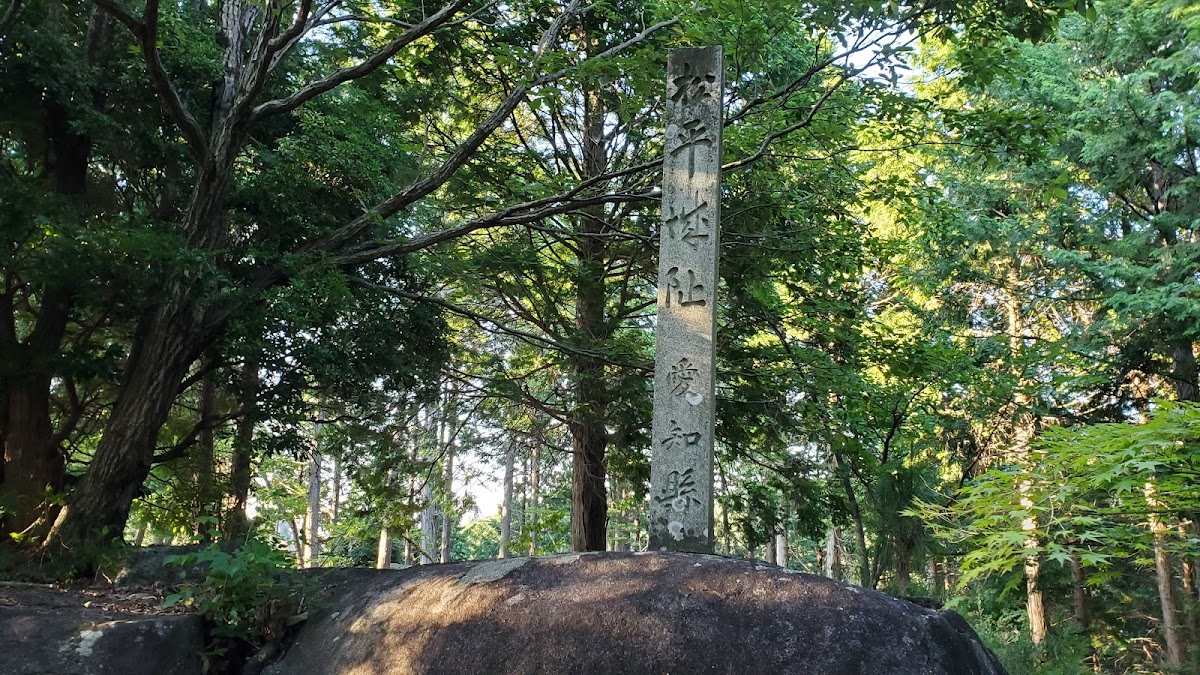
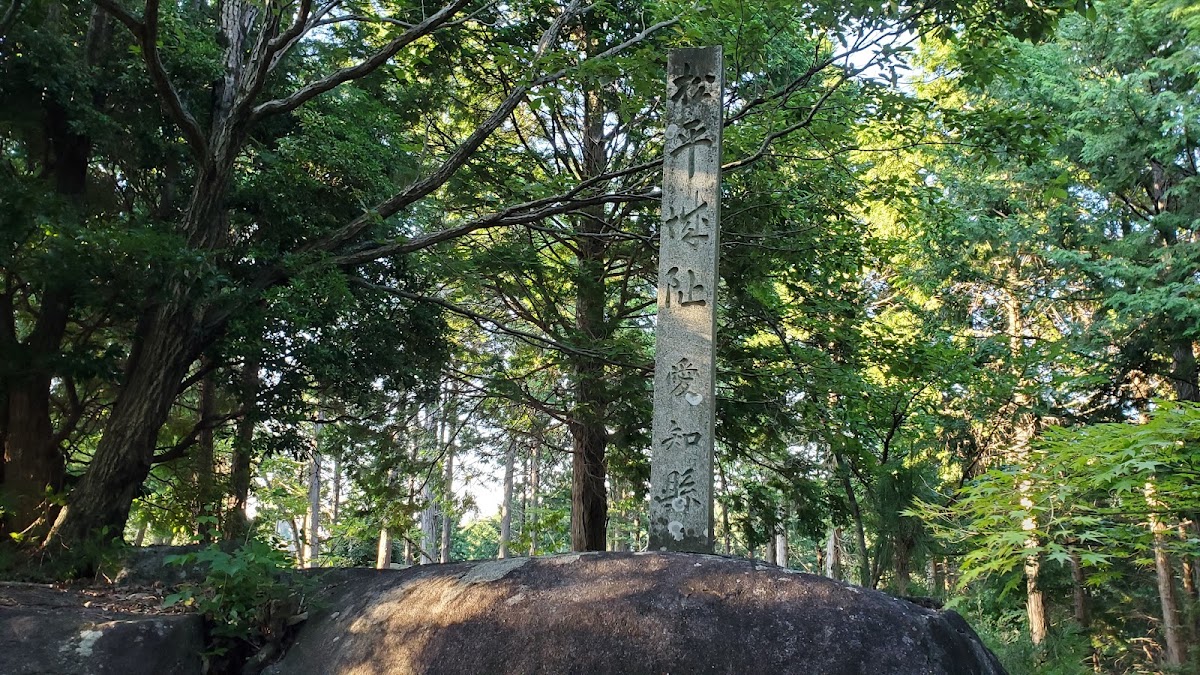
Matsudaira Castle (Matsudaira-joyama-jo) is a medieval mountain castle located in Matsudaira-cho, Toyota City, Aichi Prefecture. It is a historical fortress built by Matsudaira Chikauji, an ancestor of Tokugawa Ieyasu. Also known as “Ota Castle,” “Toyota Castle,” and “Goshiki Castle,” it is a typical Muromachi period mountain castle covering a mountain approximately 298 meters above sea level.
In 2019, along with the Matsudaira Clan Residence Ruins and Ogyu Castle, it was designated a National Historic Site as part of the “Mikawa Matsudaira Clan Ruins,” officially recognizing its historical value as the birthplace of the Tokugawa family. Even today, the remains of baileys, vertical moats, trenches, and dry moats are well-preserved, making it a valuable historical site for learning about the structure of medieval mountain castles.
History of Matsudaira Shiroyama Castle
Construction by Matsudaira Chikauji
Matsudaira Shiroyama Castle is believed to have been built during the Oei era (1394-1427). Matsudaira Chikauji is said to have been a wandering monk of the Jishu sect, but he entered Matsudaira village and laid the foundation for the Matsudaira clan by forming marital ties with local powerful families. It is thought that Chikauji established his residence at the foot of the mountain (the current location of Matsudaira Toshogu Shrine) and built Matsudaira Castle on Shiroyama Mountain as a fortified outpost.
Development of the Matsudaira Clan and the Role of the Castle
After Matsudaira Chikauji and his son, Nobumitsu, moved to Iwatsu Castle, from the time of Matsudaira Nobuhiro, the third head of the Matsudaira Tarozaemon family, this castle began to be used extensively as a wartime base. It exhibits a typical medieval castle usage pattern: conducting government affairs at the residence at the foot of the mountain during peacetime and taking refuge in the mountain castle during wartime.
The Matsudaira clan began as a minor local lord in Mikawa Province and gradually expanded its power. Matsudaira Castle was an important military base in its early stages and formed the foundation for the Matsudaira clan’s unification of Mikawa.
Relationship with Tokugawa Ieyasu
Matsudaira Castle is an important historical site that shows the roots of the Tokugawa family, as it was built by the direct ancestors of Tokugawa Ieyasu, who founded the Edo Shogunate. Ieyasu was from the Matsudaira clan and later adopted the Tokugawa surname, but the birthplace of his family was Matsudaira-go, and Matsudaira Castle is a symbolic representation of that.
Structure and Remains of Matsudaira Castle
Layout and Enclosure Arrangement
Matsudaira Castle is a mountain castle built around the summit of a mountain 298 meters above sea level, and consists of the main enclosure (Honmaru) and the second enclosure (Ninmaru). From the Honmaru on the mountaintop, one can overlook the entire Matsudaira-go area, demonstrating its strategically advantageous location.
The baileys are arranged to follow the terrain, and there are elevation changes between each bailey. This was a clever design to prevent enemy intrusion and enhance defensive capabilities. Even today, the flat surfaces and elevation changes of the baileys can be clearly seen.
Characteristic Dry Moat
The greatest highlight of Matsudaira Castle is the dry moat that encircles the mountainside, stretching for approximately 400 meters. This dry moat is positioned to enclose the mountain, clearly defining the castle area and functioning as an important defensive structure to prevent enemy intrusion.
The dry moat is several meters wide and several meters deep in some places, indicating that large-scale civil engineering work was carried out for a medieval mountain castle. It remains in good condition today, making it a valuable historical site where one can experience the castle-building techniques of the time.
Vertical Moats and Cut-off Moats
Vertical moats and cut-off moats can also be seen as defensive structures of the castle. Vertical moats are moats dug vertically along the slope, serving to prevent enemies from climbing the slope. A moat dug to cut across a ridge is an important defensive structure that blocks enemy incursions.
These remains are valuable evidence of Muromachi period mountain castle construction techniques, indicating that Matsudaira Castle was not merely a fort, but a planned and full-fledged mountain castle.
Earthworks and Cut Slopes
Earthworks were built around the baileys to enhance their defensive capabilities. Furthermore, artificially carved steep slopes called “kirigishi” (cut slopes) were constructed along the edges of the baileys, making enemy incursions even more difficult.
Highlights of Matsudaira Castle
Ascent Route and Time Required
To reach Matsudaira Castle, use the hiking trail from Matsudaira Toshogu Shrine. It takes approximately 20-30 minutes on foot from the trailhead to the main bailey at the summit. While the trail is well-maintained, there are steep slopes characteristic of mountain castles, so comfortable clothing and shoes are recommended.
On the way up to the castle, you can observe the remains of dry moats and vertical trenches up close, allowing you to experience the defensive structure of a medieval mountain castle firsthand.
View from the Main Enclosure
Upon reaching the main enclosure at the summit, you can overlook the entire Matsudaira village. Below, you can see Matsudaira Toshogu Shrine and the settlement of Matsudaira village, as well as the surrounding mountains. From this view, you can understand why this location was chosen for the castle.
Matsudaira Clan Residence Ruins (Matsudaira Toshogu Shrine)
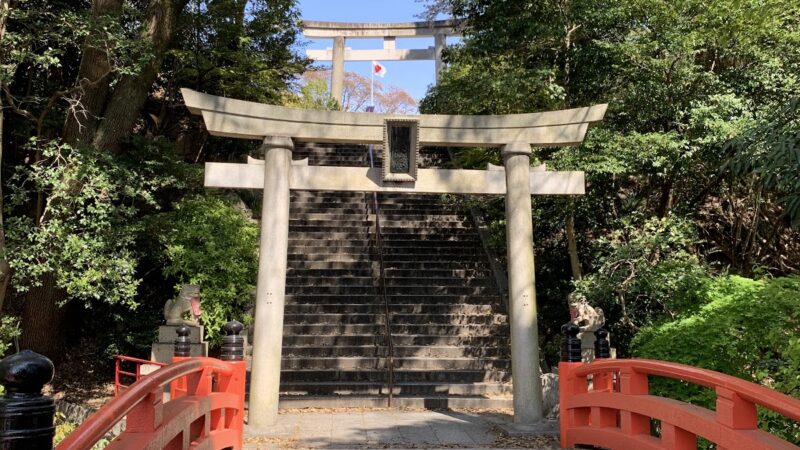
Another place you should visit in conjunction with Matsudaira Castle is the Matsudaira Clan Residence Ruins at the foot of the mountain. Currently, it is Matsudaira Toshogu Shrine, dedicated to Tokugawa Ieyasu and Matsudaira Chikauji. In 2015, as part of the 400th anniversary memorial project for Tokugawa Ieyasu, a ceiling painting consisting of 108 lacquer paintings depicting seasonal flowers of the Matsudaira area was installed, making it one of the highlights.
The Matsudaira Clan Residence Site represents the residential area, while Matsudaira Castle Mountain Castle is the fortified outpost. Visiting both allows for a comprehensive understanding of medieval castle structures.
Matsudaira Castle’s Castle Stamp
Matsudaira Castle offers a castle stamp, which is popular among castle enthusiasts. The stamp can be obtained at facilities around Matsudaira Village, and many people purchase it as a memento of their visit. For detailed information on where to obtain the stamp, it is recommended to check with the Toyota City Tourism Association beforehand.
Access Information
Location
15 Mito-maki, Matsudaira-cho, Toyota City, Aichi Prefecture 444-2202
Access by Car
From the Tomei Expressway
- Approximately 30 minutes from Toyota IC
- Approximately 10 minutes from Toyota Matsudaira IC on the Tokai-Kanjo Expressway
Parking
- Matsudaira Village Entrance Parking: A free parking lot located west of Matsudaira Castle, with space for over 30 cars. The most common route to the castle is via Matsudaira Toshogu Shrine.
Access by Public Transportation
By Train/Bus
- From Meitetsu Toyota Line “Toyota-shi Station” or Aichi Loop Railway “Shin-Toyota Station,” take the Oiden Bus (Sanage/Asuke Line) and get off at the “Matsudaira-go” bus stop. The castle entrance is approximately a 5-minute walk from there.
Since public transportation is limited, it is recommended to check the timetable in advance.
Precautions for Visiting
- As it is a mountain castle, comfortable clothing and non-slip shoes are essential.
- In summer, bring insect repellent and drinking water.
- In winter, the sun sets early, so it is recommended to visit earlier in the day.
- Be careful as the ground can be slippery during and after rain.
Nearby Tourist Attractions
Matsudaira Toshogu Shrine
This shrine is located at the entrance to Matsudaira Castle and enshrines Tokugawa Ieyasu and Matsudaira Chikauji. The beautiful ceiling paintings and historical buildings are highlights. It’s a must-visit spot when visiting Matsudaira Castle.
Matsudaira Village
Matsudaira Village, the birthplace of the Matsudaira clan, is a settlement that retains a historical atmosphere. There are museums and rest facilities nearby, allowing you to learn more about the history of the Matsudaira clan.
Famous Castles of Mikawa
When visiting Matsudaira Castle, visiting the surrounding castles of Mikawa will give you a deeper understanding of the history of the Matsudaira and Tokugawa clans.
Iwatsu Castle
This castle was the residence of Matsudaira Chikauji and Nobumitsu, and became an important base in the development of the Matsudaira clan.
Ogyu Castle
Along with Matsudaira Castle, it is one of the castles that make up the National Historic Site “Mikawa Matsudaira Clan Ruins.”
Okazaki Castle
Known as the birthplace of Tokugawa Ieyasu, it was an important castle that served as a base for the unification of Mikawa.
Accommodation
There are several accommodations around Matsudaira Castle.
- Toyota Prestige Hotel: Conveniently located in the heart of Toyota City.
- City Hotel Auntie’s: A business hotel type with affordable prices.
- Hotel Route-Inn Toyota Jinchu: Reliable service from a nationwide chain.
- Seseragi no Yado Komorebi: A hot spring inn surrounded by nature, recommended for those who want to relax.
Designation of Matsudaira Shiroyama Castle as a Cultural Property
Designation as a National Historic Site
In 2019 (Reiwa 1), Matsudaira Shiroyama Castle was designated as a National Historic Site as part of the “Mikawa Matsudaira Clan Ruins.” This means that the historical importance of the Matsudaira clan, along with the Matsudaira Clan Residence Ruins and Ogyu Castle, has been recognized by the government.
With the designation as a National Historic Site, preservation and utilization of the remains are progressing, and further development is expected in the future.
History as a City-Designated Historic Site
Even before its designation as a National Historic Site, Matsudaira Shiroyama Castle was protected as a designated historic site of Toyota City. It has a history of being carefully preserved as a local historical heritage.
Significance of Visiting Matsudaira Shiroyama Castle
Tracing the Roots of Tokugawa Ieyasu
Matsudaira Shiroyama Castle was built by the ancestors of Tokugawa Ieyasu, who founded the Edo Shogunate. Long before Ieyasu became the ruler of Japan, the Matsudaira clan began as a minor local family in this Matsudaira region, and this castle served as their military base. It is an indispensable historical site for understanding the origins of the Tokugawa family.
Learning About the Structure of Medieval Mountain Castles
Matsudaira Shiroyama Castle, a typical mountain castle of the Muromachi period, retains well-preserved basic structural elements of medieval mountain castles, such as baileys, dry moats, vertical moats, and trenches. For those interested in castle architecture and the history of the Sengoku period, this is a valuable opportunity to learn from actual remains.
A Fusion of Nature and History
The castle mountain is surrounded by abundant nature, allowing visitors to enjoy the scenery of each season. The ability to enjoy historical exploration and nature walks simultaneously is one of the charms of Matsudaira Shiroyama Castle.
Best Season to Visit Matsudaira Castle
Spring (March-May)
The fresh greenery is beautiful, and the weather is mild, making it the perfect season for visiting the castle. The area around Matsudaira Toshogu Shrine is particularly vibrant during cherry blossom season.
Autumn (October-November)
The autumn foliage is beautiful, and the temperature is suitable for visiting the castle. The autumn foliage season in November is especially ideal, allowing you to enjoy both history and natural beauty simultaneously.
Summer/Winter Precautions
During summer (June-August), be aware of the heat and insects. Ensure you stay well-hydrated and take insect repellent measures. During winter (December-February), the sun sets early, and there is a possibility of snow and freezing, so it is recommended to check the weather before visiting.
Event Information
Various events are held throughout the year in Matsudaira-go. Historical events related to Tokugawa Ieyasu and the Matsudaira clan, as well as local festivals, are sometimes held. Checking event information on the Toyota City Tourism Association website or social media before your visit will make your visit more fulfilling.
Materials and Research on Matsudaira Shiroyama Castle
Detailed information on Matsudaira Shiroyama Castle can be obtained from the Toyota City Local History Museum and other historical facilities in Aichi Prefecture. Numerous books on the Mikawa Matsudaira clan have also been published; studying them before your visit will lead to a deeper understanding and greater appreciation.
In the field of castle research, Matsudaira Shiroyama Castle is noteworthy as a prime example of a medieval mountain castle and is highly valued academically.
Summary: The Charm of Matsudaira Shiroyama Castle
Matsudaira Shiroyama Castle, built by Matsudaira Chikauji, an ancestor of Tokugawa Ieyasu, holds a significant place in Japanese history. It boasts numerous attractions, including valuable remains designated as a national historical site, a magnificent dry moat stretching approximately 400 meters, and panoramic views from the mountaintop.
Located in Matsudaira-cho, Toyota City, Aichi Prefecture, with relatively good transportation access, visiting it in conjunction with Matsudaira Toshogu Shrine and Matsudaira Village allows you to experience the historical flow from the Matsudaira clan to the Tokugawa clan.
This historical site is recommended for a wide range of people, from castle enthusiasts who want to learn about the structure of medieval mountain castles, to history buffs interested in the roots of Tokugawa Ieyasu, and even those who simply enjoy hiking in nature.
Why not visit Matsudaira Castle Mountain on your next day off and experience the atmosphere of the birthplace of the Tokugawa family? The weight of history and the charm of a medieval mountain castle surely await you.