Kakimoto Castle (Shinshiro City, Aichi Prefecture) Complete Guide | History, Highlights, and Access Information for an Ii Clan Branch Castle
Located in Shimoyoshida, Shinshiro City, Aichi Prefecture, Kakimoto Castle is a mountain castle that played an important role as a branch castle of the Ii clan during the Sengoku period. Built by Suzuki Shigetoki, one of the “Three Lords of Iinoya,” this castle site, which was the stage for the historical event of Takeda Shingen’s invasion of Mikawa, still retains traces of its past. This article provides a detailed explanation of Kakimoto Castle’s history, highlights of its remains, and access methods.
History and Overview of Kakimoto Castle
Construction of Kakimoto Castle and the Suzuki Clan
Kakimoto Castle is a mountain castle built during the Sengoku period as a branch castle of the Ii clan. It was built by Suzuki Shigetoki, known as one of the “Three Lords of Iinoya,” and functioned as a key point for the Ii clan’s expansion and defense in this region.
Suzuki Shigetoki’s father, Suzuki Nagato-no-kami Shigekatsu, was the maternal grandfather of Ii Naotora. In short, the Suzuki clan, who ruled Kakimoto Castle, had a deep blood relationship with the Ii clan, and held an important position supporting the Ii clan not merely as vassals but as members of the family. This blood relationship is one of the reasons why Kakimoto Castle was considered particularly important within the Ii clan’s network of branch castles.
About the Three Lords of Iinoya
The Three Lords of Iinoya refer to three senior retainers who served the Ii clan, whose base was in Iinoya, Tōtōmi Province (present-day Kita Ward, Hamamatsu City, Shizuoka Prefecture). Besides Suzuki Shigetoki, Kondō Yasuyoshi and Suganuma Tadahisa are included. They played an important role in the Ii clan’s territorial management, each entrusted with a branch castle and responsible for the governance and defense of their respective regions.
Suzuki Shigetoki chose Kakimoto Castle as his base because the area was close to the border between Mikawa Province and Tōtōmi Province, making it an ideal location for a defensive base against threats from the east. Particularly during the Eiroku and Genki periods, the Tokai region experienced a turbulent era marked by the decline of the Imagawa clan, the rise of the Tokugawa clan, and the invasion of the Takeda clan, increasing the strategic value of Kakimoto Castle.
The Fall of the Castle in 1572
The most important event in the history of Kakimoto Castle was its attack and fall by Takeda Shingen in 1572. In that year, Takeda Shingen launched a large-scale military operation known as the “Western Campaign,” aiming for Kyoto via Mikawa and Totomi provinces.
The Takeda army’s invasion route took them from Shinano to Mikawa, capturing castles under the control of Tokugawa Ieyasu one after another along the way. Kakimoto Castle also suffered a fierce attack from the Takeda army and is said to have fallen after a fierce battle.
During this period, the Ii clan was subordinate to Tokugawa Ieyasu, and the Iinoya Three also acted on the Tokugawa side. However, Kakimoto Castle could not withstand the overwhelming military power of Takeda Shingen. While records of the castle’s fate after its fall are scarce, it is believed that its function as a castle was lost, given the short-lived Takeda rule over Mikawa Province.
Kakimoto Castle and the Battle of Nagashino-Shitaragahara
Three years after the fall of Kakimoto Castle in 1572, in 1575, the Battle of Nagashino-Shitaragahara, one of the most famous battles in Japanese history, took place in the same city of Shinshiro. In this battle, the combined forces of Oda Nobunaga and Tokugawa Ieyasu defeated the Takeda Katsuyori army, significantly reducing the Takeda clan’s power.
Kakimoto Castle is located approximately 10 kilometers northwest of Nagashino Castle and, as a strategically important location in Mikawa Province, is indispensable when discussing the Sengoku period history of this region. Shinshiro City has many historical sites from the Sengoku period, including the ruins of Nagashino Castle and the Shitaragahara battlefield, and Kakimoto Castle can be understood within this historical context.
Structure and Layout of Kakimoto Castle
Location as a Mountain Castle
Kakimoto Castle is a typical mountain castle built on a mountaintop approximately 400 meters above sea level. Located in the mountainous area of Shimoyoshida, Shinshiro City, Aichi Prefecture, it has a defensive structure that takes advantage of the surrounding mountainous terrain.
Mountain castles are more difficult to attack than castles on flat land and have the advantage of being easier to defend with a small number of troops. Kakimoto Castle’s layout also takes advantage of the steep slopes, and various ingenious features can be seen to make enemy intrusion difficult.
Arrangement of the Main Enclosure and Baileys
The central part of Kakimoto Castle is the main enclosure (honmaru), where a castle site monument inscribed with “Site of Suzuki Nagato-no-kami Shigekatsu’s Castle” currently stands. This monument was erected in later generations to commemorate Suzuki Shigekatsu, the lord of the castle, and is an important landmark when visiting Kakimoto Castle.
Several baileys (kuruma) are arranged around the main keep, demonstrating a layout that takes advantage of the terraced terrain. These baileys functioned as a defensive line, designed as spaces to intercept enemies before they reached the main keep.
Moats and Earthworks
Moats and earthworks are crucial defensive features of mountain castles. Kakimoto Castle also features moats that cut across the ridge, serving to hinder enemy advances. Furthermore, traces of earthworks remain around the baileys, conveying the defensive structure of the time.
These remains are valuable resources for understanding castle construction techniques of the Sengoku period, making them interesting sights for castle researchers and history enthusiasts.
Highlights of Kakimoto Castle
Castle Site Monument and Main Keep Site
The biggest highlight when visiting Kakimoto Castle is the castle site monument erected on the site of the main keep. This stone monument, inscribed with “Site of Suzuki Nagato-no-kami Shigekatsu’s Castle,” is an important monument that tells the history of the castle. From the site of the main keep, you can see the surrounding mountains, and you can truly appreciate how important this location was as a surveillance and defense base during the Sengoku period.
Condition of the Remains
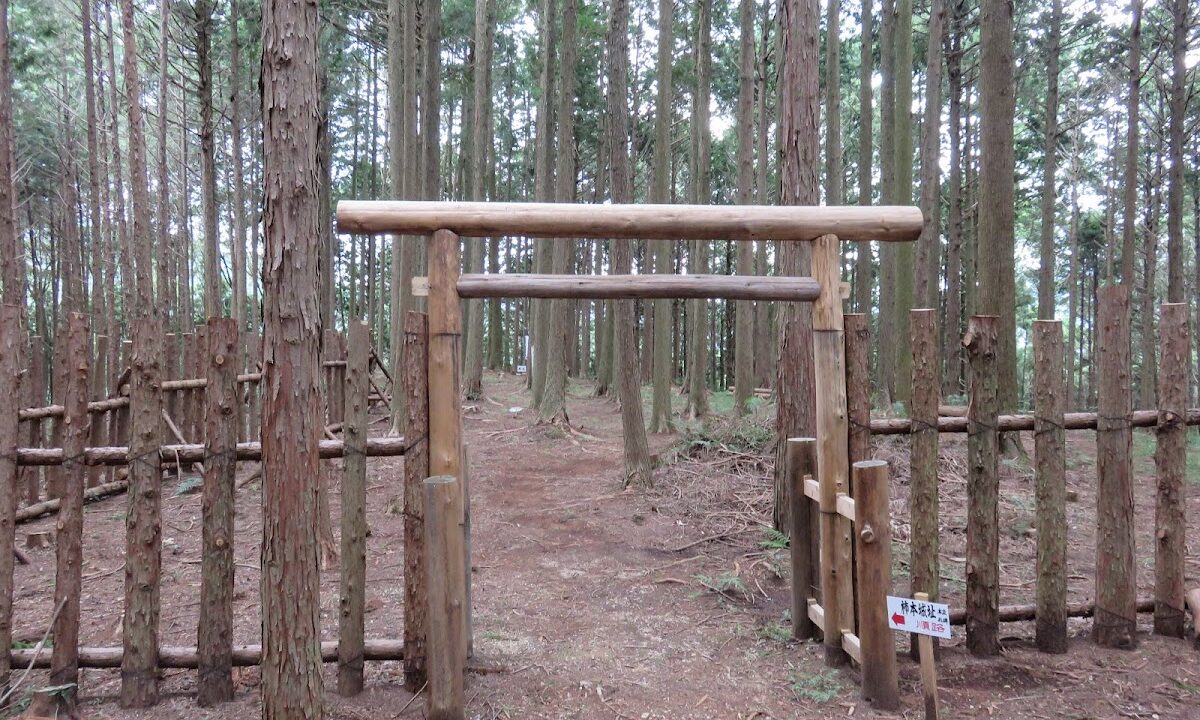
Kakimoto Castle is a castle site in its natural state, without extensive restoration work. Therefore, some of the remains, such as the baileys and moats, are covered in vegetation, but conversely, you can feel the atmosphere of a Sengoku period mountain castle.
The moats, in particular, are preserved in relatively good condition, allowing you to observe the defensive structure of the time. Traces of earthworks can also be seen in places, making it a fascinating site for castle enthusiasts.
Access Route and Natural Environment
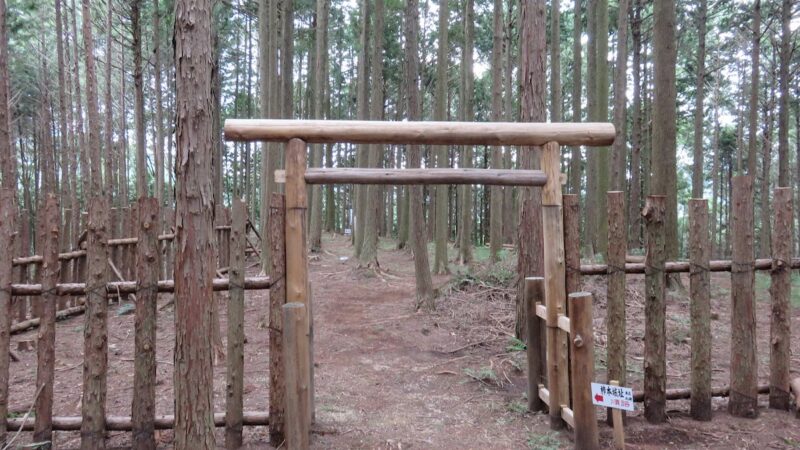
The access route to Kakimoto Castle begins beside Mankoji Temple. As you ascend the mountain path, you can imagine the samurai of the Sengoku period traversing this rugged route. Since the access route is an unmaintained, natural mountain path, comfortable shoes and clothing are recommended. During your visit to the castle, you can experience the rich natural beauty of Mikawa and enjoy the changing seasons. The fresh greenery of spring and the vibrant autumn foliage offer particularly excellent opportunities to enjoy both historical exploration and nature walks.
Mankoji Temple and its Historical Environment
Mankoji Temple, located at the entrance to the castle, is also a historical temple associated with Kakimoto Castle. This temple is thought to have had ties to the Suzuki clan, making it an interesting example of the medieval relationship between faith and power, where a castle and a temple were integrated.
Visiting Mankoji Temple will allow you to gain a deeper understanding of the historical background of Kakimoto Castle. It’s a good idea to visit Mankoji Temple before visiting the castle ruins and reflect on the history of this area.
Access Information
Access by Car
The most convenient way to access Kakimoto Castle is by car. From the Shinshiro Interchange on the Shin-Tomei Expressway, head north on National Route 151. In about 15 minutes, you will arrive at the “Horai Mikawa Mitsuishi” roadside station. This roadside station serves as a base for visiting Kakimoto Castle. The “Horai Mikawa Mitsuishi” roadside station has ample parking, allowing you to park your car and walk to Kakimoto Castle. It’s just a few minutes’ walk from the roadside station to Mankoji Temple.
Travel time from major cities:
- From Nagoya: Approximately 1 hour 30 minutes via the Tomei Expressway and Shin-Tomei Expressway
- From Toyohashi: Approximately 40 minutes via National Route 151
- From Hamamatsu: Approximately 1 hour via National Routes 257 and 151
Access by Public Transportation
When using public transportation, the nearest railway is the JR Iida Line. The nearest stations are Shinshiro Station or Mikawa-Ono Station, but you will need to take a bus or taxi from there.
Toyohashi Railway buses operate within Shinshiro City, but direct access to the area closest to Kakimoto Castle is limited. If using the bus, it is necessary to check the timetable in advance and plan accordingly.
If using a taxi, it takes approximately 20 minutes from Shinshiro Station to the “Horai Mikawa Mitsuishi” roadside station.
Precautions when visiting the castle
Kakimoto Castle is an unmaintained mountain castle, so please note the following points when visiting:
- Clothing and Equipment: Comfortable clothing and non-slip hiking boots or trekking shoes are recommended. Insect repellent is necessary in summer, and warm clothing in winter.
- Weather: The ground becomes slippery during and after rain, so avoid visiting or exercise extreme caution.
- Time Allocation: Allow approximately 20-30 minutes one way from the entrance to the main keep. Planning with about an hour of buffer time for the round trip is safer.
- Avoiding Solo Visits: Visiting with multiple people is safer if possible. Checking cell phone signal strength beforehand is also recommended.
- Season: In summer, vegetation grows thick, making it difficult to see the remains. Winter is more suitable for observing the ruins, but cold weather gear is necessary.
Nearby Tourist Attractions
Michi-no-Eki “Horai Mikawa Mitsuishi”
Michi-no-Eki “Horai Mikawa Mitsuishi,” a base for visiting Kakimoto Castle, is a facility selling local specialties and fresh vegetables. It also has a restaurant where you can enjoy local cuisine from the Mikawa region. It’s recommended to stop by before or after visiting Kakimoto Castle to enjoy the local flavors.
Nagashino Castle Ruins & Shitaragahara Historical Museum
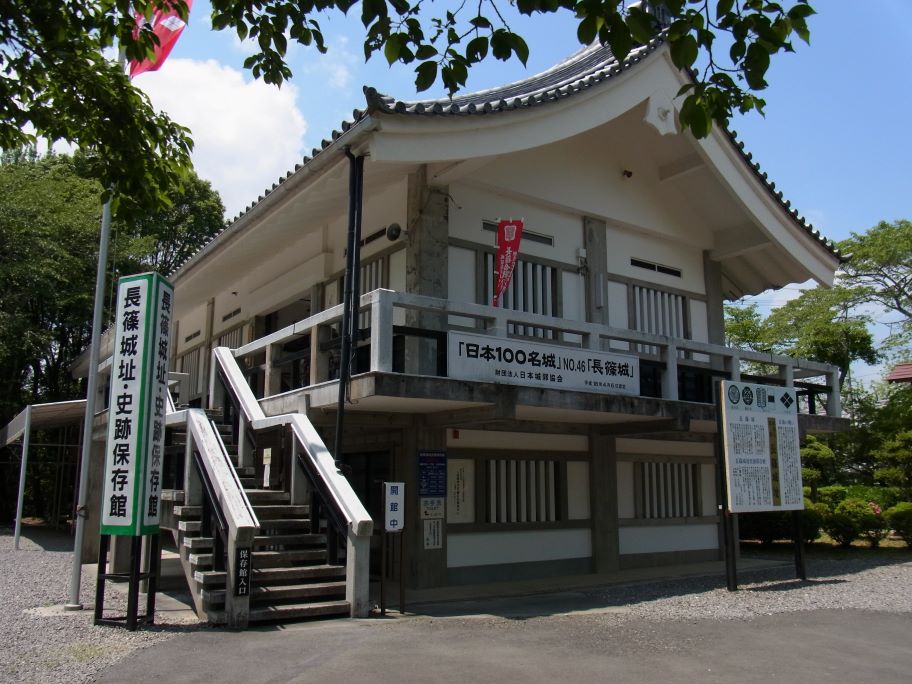
Nagashino Castle Ruins are a representative historical spot in Shinshiro City. This castle was the site of the Battle of Nagashino-Shitaragahara in 1575, and is now maintained as a historical park. The Shitaragahara Historical Museum has detailed exhibits about this battle, which are very helpful in understanding the historical context of Kakimoto Castle.
Nagashino Castle Ruins are about a 20-minute drive from Kakimoto Castle, and visiting both together will give you a deeper understanding of Shinshiro City’s Sengoku period history.
Horaiji Mountain
Horaiji Mountain is a representative natural and religious spot in Shinshiro City. At an elevation of 695 meters, the ancient temple Horaiji is located near the summit. The approach to the temple, with its more than 1300 stone steps, retains a strong atmosphere of Shugendo (mountain asceticism), making it a famous place where you can enjoy history and nature simultaneously.
Horaiji Mountain is about a 15-minute drive from Kakimoto Castle. Those confident in their physical fitness can even plan a day trip to visit both Kakimoto Castle and Horaiji Mountain.
Aichi Prefectural Forest
For those who want to fully enjoy nature, Aichi Prefectural Forest is recommended. This vast forest park has hiking trails, campgrounds, and accommodation facilities. It’s a place where you can enjoy nature throughout the seasons, and it’s especially popular with tourists during the autumn foliage season.
Uren Dam
Uren Dam, located in the northern part of Shinshiro City, is a tourist spot with a beautiful reservoir. The area around the dam boasts stunning scenery and is a popular driving route. In spring, cherry blossoms and in autumn, vibrant autumn leaves are reflected on the lake’s surface, making it a popular spot for photography.
History and Culture of Shinshiro City
A Strategic Point in Mikawa Province
Shinshiro City has long been located in the eastern part of Mikawa Province, a strategically important transportation hub near the borders of Shinano and Tōtōmi Provinces. During the Sengoku period, it became a frontline for powerful daimyo such as the Imagawa, Tokugawa, and Takeda clans, and was the stage for numerous historical events.
Kakimoto Castle was built and functioned within this geopolitically important context. Understanding the history of Shinshiro City is essential to understanding the significance of Kakimoto Castle.
The Battle of Nagashino and Shitaragahara and Shinshiro City
Shinshiro City is nationally known as the site of the “Battle of Nagashino and Shitaragahara.” While the common belief is that Oda Nobunaga’s three-stage volley of muskets defeated the Takeda cavalry, recent research has presented various new perspectives.
The city boasts historical battlefields, facilities showcasing matchlock gun demonstrations, and museums, making it a pilgrimage site for fans of Sengoku period history. Understanding the timeline—that this major battle occurred three years after the fall of Kakimoto Castle—makes the flow of history much clearer.
Modern Shinshiro City
In 2005 (Heisei 17), the former Shinshiro City, Horai Town, and Tsukude Village merged to form the current Shinshiro City. With a population of approximately 40,000, the city focuses on promoting tourism by leveraging its rich natural environment and historical heritage.
In recent years, motorsports events such as the “Shinshiro Rally” have been held, showcasing a unique blend of history and modernity.
Sample Itinerary for Visiting Kakimoto Castle
Half-Day Course (Focusing on Kakimoto Castle)
Morning:
- 9:00 Arrive at Michi-no-Eki “Horai Mikawa Mitsuishi” and park
- 9:15 Visit Mankoji Temple
- 9:30 Begin climbing to Kakimoto Castle
- 10:00 Arrive at the main keep and view the ruins
- 10:30 Begin descending
- 11:00 Return to Michi-no-Eki
- 11:15 Lunch and souvenir shopping at Michi-no-Eki
Full-Day Course (Historical Tour of Shinshiro City)
Morning:
- 9:00 Visit Kakimoto Castle (same as above)
- 11:30 Lunch at Michi-no-Eki
Afternoon:
- 13:00 Visit Nagashino Castle Ruins
- 14:00 Visit Shitaragahara Historical Museum
- 15:30 Stroll around Shitaragahara Battlefield
- 17:00 End of sightseeing
Two-Day Course (Enjoying Shinshiro City)
Day 1:
- Visit Kakimoto Castle
- Visit Nagashino Castle Ruins and Shitaragahara Battlefield
- Overnight stay in Shinshiro City or Horai area
Day 2:
- Visit Horaiji Temple
- Stroll through Aichi Prefectural Forest
- Visit Uren Dam
What to Keep in Mind When Visiting Kakimoto Castle
Respect for History
Kakimoto Castle is a place where battles actually took place during the Sengoku period, and where the fates of many people intersected. It is important to visit with respect as a stage of history, not merely as a tourist spot.
In front of the castle ruins monument, reflect on the Suzuki clan, including Suzuki Shigekatsu, and the people who defended and fought for this castle. Feeling the weight of history will deepen the meaning of your visit.
Protection of the Natural Environment
Kakimoto Castle ruins are a valuable historical heritage site, but also a natural environment. Please be sure to take your trash with you and take care not to damage plants or ruins the historical remains. Individual consideration is crucial to passing on this valuable heritage to future generations.
Safety First
Climbing a mountain castle involves a certain degree of risk. Avoid reckless behavior and have the judgment to flexibly change your plans according to your physical condition and the weather. Especially when visiting alone, it is important to inform family or friends of your destination.
Summary
Kakimoto Castle in Shinshiro City, Aichi Prefecture, is a valuable historical site that conveys the history of the Ii and Suzuki clans and important events of the Sengoku period, such as Takeda Shingen’s invasion of Mikawa. Although it hasn’t been developed into a large-scale tourist destination, that’s precisely why it’s a fascinating place where you can truly feel the atmosphere of a Sengoku period mountain castle.
A route starting from the “Horai Mikawa Mitsuishi” roadside station, climbing the path from Mankoji Temple to the castle ruins monument at the main keep site, will be a fulfilling experience for history buffs. Visiting Kakimoto Castle in conjunction with the nearby Nagashino Castle ruins and the Shitaragahara battlefield will give you a more comprehensive understanding of Shinshiro City’s Sengoku period history.
When you visit Shinshiro City, be sure to also visit Kakimoto Castle and experience its history. This castle played a crucial role as the residence of Suzuki Shigetoki, one of the Iinoya Three, and as a stage for Takeda Shingen’s invasion of Mikawa. You’ll have a valuable experience feeling the spirit of the Sengoku period amidst the rich natural beauty of the Mikawa mountains.