Complete Guide to Kaminogo Castle (Gamagori, Aichi Prefecture) | The History of the Udono Clan’s Residence and its Conquest by Tokugawa Ieyasu
Located in Kaminogo-cho, Gamagori City, Aichi Prefecture, Kaminogo Castle is a mountain castle that flourished as the base of the Udono clan, who ruled the eastern part of Mikawa Province during the Sengoku period. Built in the area of the present-day Gamagori High School, the castle was captured in 1562 by Matsudaira Motoyasu (later Tokugawa Ieyasu), marking a crucial turning point in the unification of Mikawa. This article provides a comprehensive explanation of Kaminogo Castle’s history, structure, battles during the Sengoku period, and the remaining ruins.
Basic Information and Location of Kaminogo Castle
Location and Access
The Kaminogo Castle ruins are located in Kaminogo-cho, Gamagori City, Aichi Prefecture, approximately 1 km southwest of the Gamagori Interchange on National Route 23 Gamagori Bypass. The site is now occupied by Aichi Prefectural Gamagori High School, and within the school grounds, there are signs indicating the castle ruins and preserved remains.
Transportation Access:
- Approximately 20 minutes on foot from Gamagori Station on the JR Tokaido Main Line and Meitetsu Gamagori Line
- By car: Approximately 3 minutes from Gamagori IC on National Route 23 Gamagori Bypass
- Parking: Advance notice is recommended for visits to Gamagori High School.
Geographical Characteristics
Kaminogo Castle was a flatland castle built on a hill approximately 30 meters above sea level. The Kanekyo River flowed to the east, functioning as a natural moat. Its location near Mikawa Bay made it a strategically important point for maritime traffic, and it held a strategically important position for the Udono clan’s control of the Gamagori area.
Surrounding the castle were other castles controlled by the Udono clan, such as Shimonogo Castle, Fusō Castle, and Kashiwabara Castle, which together formed a defensive network for the Gamagori region.
History of Kaminogo Castle
Construction Date and Various Theories
There are several theories regarding the construction date of Kaminogo Castle, and the exact period remains unclear. The main theories are as follows:
Late Heian Period Theory:
There is a legend that a man named Juro, the fifth son, who distinguished himself in the Battle of Dan-no-ura (1185) during the late Heian period, was given this land as a reward and built the castle. However, there is little reliable historical evidence to support this theory, and it is considered to have strong legendary elements.
Sengoku Period Construction Theory:
Based on archaeological surveys and analysis of the castle’s structure, the remains that can be confirmed today are thought to have been built during the Sengoku period (late 15th to 16th centuries). The most likely theory is that it was developed as a full-fledged castle during the period when the Udono clan expanded its power in eastern Mikawa Province.
The Udono Clan and Kaminogo Castle
The Udono clan, as powerful vassals of the Imagawa clan of Suruga Province, held influence in eastern Mikawa Province. During the Sengoku period, Udono Nagamochi and his son, Udono Nagateru, controlled the Gamagori area from their base at Kaminogo Castle.
The Udono clan served Imagawa Yoshimoto and played a crucial role in maintaining the Imagawa clan’s influence in Mikawa Province. Even after Imagawa Yoshimoto was killed by Oda Nobunaga at the Battle of Okehazama in 1560, Udono Nagateru remained loyal to Imagawa Ujizane.
During this period, Matsudaira Motoyasu (Tokugawa Ieyasu) declared independence from the Imagawa clan and formed an alliance with Oda Nobunaga to unify Mikawa Province. Kaminogo Castle, a stronghold of the Imagawa clan, became a crucial target for Ieyasu to conquer in order to gain control of eastern Mikawa.
The Battle of 1562
In February 1562 (Eiroku 5), Matsudaira Motoyasu (later Tokugawa Ieyasu) launched an attack on Kaminogo Castle. This battle is recorded as a crucial one in Ieyasu’s unification of Mikawa Province.
Battle Details:
It is said that Ieyasu employed not only a frontal assault but also tactics involving infiltrating ninjas (ninja) into the castle. Through espionage and internal operations by these ninjas, he obtained information about the castle’s defenses and troop deployments.
During the siege, the castle lord, Udono Nagateru, and his eldest son, Ujinaga, were killed, and Kaminogo Castle fell. In this battle, Udono Nagateru’s two young sons (Udono Ujinaga and Ujitsugu) were captured, and Ieyasu used them in a hostage exchange.
Hostage Exchange:
Ieyasu used the captured son of the Udono clan as leverage in an exchange for his wife, Sena-hime (Tsukiyama-dono), and his eldest son, Takechiyo (later Tokugawa Nobuyasu), who had been sent as hostages to Imagawa Ujizane in Suruga. This negotiation was successful, and Ieyasu was able to retrieve his wife and son.
This hostage exchange definitively severed ties between Ieyasu and the Imagawa clan and significantly advanced his path to unifying Mikawa.
Kaminogo Castle After its Fall
After capturing Kaminogo Castle, Ieyasu reorganized his administrative system in the Gamagori region. Ieyasu’s retainers were stationed at Kaminogo Castle, but detailed records are scarce.
Subsequently, with the end of the Sengoku period in Mikawa Province, Kaminogo Castle lost its role as a military base and is believed to have been abandoned. During the Edo period, the castle site was used for farmland and settlements, and from the Meiji era onward, it was converted into school grounds and other uses.
Structure and Characteristics of Kaminogo Castle
Typical Structure of a Medieval Mountain Castle
Unlike the early modern castles commonly imagined, such as Nagoya Castle or Himeji Castle, which feature keeps, stone walls, and plaster walls, Kaminogo Castle possesses characteristics of a medieval mountain castle from the Sengoku period.
Main Structural Elements:
- Earthworks (Dorui): These are defensive walls built by piling up earth, constructed around the castle and at the boundaries of the baileys (kuruwa). They prevented enemy intrusion and functioned as defensive strongholds.
- Dry Moats (Karabori): These are moats without water, forming the core of the defensive structure along with the earthworks. Multiple dry moats have been identified at Kaminogo Castle, separating the baileys.
- Baileys (Kuruwa): These are flat, leveled areas used for buildings and soldier encampments. It is presumed that multiple baileys were arranged around the main bailey (honmaru).
- Buildings: It is believed that the castle buildings did not use roof tiles, but rather had roofs made of planks or thatched roofs. Very few roof tile fragments have been unearthed during archaeological excavations.
Castle Layout (Design)
The layout of Kaminogo Castle skillfully utilizes the hilly terrain. The Kanekyo River on the east side was used as a natural moat, while artificial moats and earthworks were placed in other directions to strengthen the defenses.
Within the current grounds of Gamagori High School, some traces of the main enclosure, including flat areas and earthworks, remain. However, many of the remains have been altered due to school construction and housing development.
Results of Archaeological Excavations
Archaeological excavations conducted intermittently by the Gamagori City Board of Education and the Aichi Prefectural Board of Education have yielded the following results:
- Confirmation of the structure of earthworks and moats
- Excavation of pottery fragments from the Sengoku period
- Detection of postholes that may indicate building remains
- Confirmation of traces of fire (burnt soil layer)
These findings support the conclusion that Kaminogo Castle was actively used in the mid-16th century.
The Udono Clan and the Castles of the Gamagori Region
Territory of the Udono Clan
The Udono clan, with Kaminogo Castle as their base, built several castles in the Gamagori city area to solidify their control. The main castles are as follows:
Shimonogo Castle:
Located south of Kaminogo Castle, it is believed to have been defended by a branch of the Udono clan. Located near the present-day Gamagori city center, it is thought to have played a role in monitoring maritime traffic in Mikawa Bay.
Fuso Castle:
Located in the western part of Gamagori City, this mountain castle served as a frontline base to prepare for invasions from the west. It is said to have possessed strong defensive structures utilizing the terrain.
Kashiwabara Castle:
Located in the Kashiwabara district in northern Gamagori City, this castle was a defensive base against threats from the north. It played a part in the network of branch castles of the Udono clan.
These castles worked together to form a comprehensive defense system for the entire Gamagori region. With the fall of Kaminogo Castle, this defense network collapsed, and other castles successively fell under the control of the Matsudaira clan.
Major Castles in the Surrounding Area
In the Gamagori region, there were also castles controlled by forces other than the Udono clan:
Katahara Castle:
Located in Katahara-cho, Gamagori City, this was the residence of the Katahara Matsudaira family, a branch of the Matsudaira clan. It played an important role in Ieyasu’s unification of Mikawa Province.
Takeya Castle:
Located in Takeya-cho, Gamagori City, it was the residence of the Takeya Matsudaira family. Later, Hisamatsu Toshikatsu became the lord of the castle and is known for remarrying Oda-no-kata, the birth mother of Ieyasu.
The Hisamatsu Clan and Gamagori:
Hisamatsu Toshikatsu had three sons and one daughter with Oda-no-kata, and the Hisamatsu clan developed a deep relationship with the Tokugawa family. Based at Takeya Castle, the Hisamatsu clan contributed to the expansion of the Tokugawa family’s influence in the Gamagori region.
The Significance of Matsudaira Motoyasu’s (Tokugawa Ieyasu’s) Unification of Mikawa and the Capture of Kaminogo Castle
The Situation After the Battle of Okehazama
When Imagawa Yoshimoto was killed in the Battle of Okehazama in 1560, the political situation in Mikawa Province changed dramatically. Matsudaira Motoyasu, who had been a hostage of the Imagawa clan, returned to Okazaki Castle and aimed for independence from the Imagawa clan.
Ieyasu formed an alliance with Oda Nobunaga in Kiyosu and began his unification of Mikawa Province in earnest. However, the Udono clan, loyal to the Imagawa clan, maintained power in eastern Mikawa, posing an obstacle to Ieyasu’s unification.
Strategic Importance of the Capture of Kaminogo Castle
The capture of Kaminogo Castle was extremely important to Ieyasu for the following reasons:
- Control of Eastern Mikawa: By capturing Kaminogo Castle, he eliminated the Imagawa clan’s influence in eastern Mikawa.
- Recovery of Hostages: By capturing the son of the Udono clan, he was able to exchange him for his wife and children who had been sent to Suruga.
- Psychological Effect: By capturing a powerful Imagawa stronghold, Ieyasu demonstrated his military superiority to other Imagawa generals.
- Securing Maritime Traffic: By controlling strategic points along the Mikawa Bay coast, Ieyasu gained control of maritime traffic routes and economic benefits.
Tactics Using Ninjas
The record of Ieyasu’s use of ninjas in the capture of Kaminogo Castle is an interesting example illustrating the realities of intelligence warfare during the Sengoku period.
The Role of Ninjas:
- Infiltration and reconnaissance within the castle
- Gathering information on defensive structures and troop deployments
- Causing confusion and arson within the castle
- Acquiring informants
It is believed that Ieyasu utilized not only ninjas from Iga and Koga, but also local lords and samurai within Mikawa Province for intelligence activities. This combination of information warfare and frontal assault was one of the factors that led to the success of the capture of Kaminogo Castle.
The Road to Mikawa Unification
After capturing Kaminogo Castle, Ieyasu successively subdued the Imagawa forces within Mikawa Province. In 1563 (Eiroku 6), the Mikawa Ikko-ikki rebellion broke out. Ieyasu faced a difficult battle, but ultimately suppressed it.
By 1566 (Eiroku 9), Ieyasu had almost unified Mikawa Province and was appointed Governor of Mikawa. The capture of Kaminogo Castle is considered a crucial turning point in this process of unifying Mikawa.
Current Status of Kaminogo Castle Site
Preservation Status of Remains
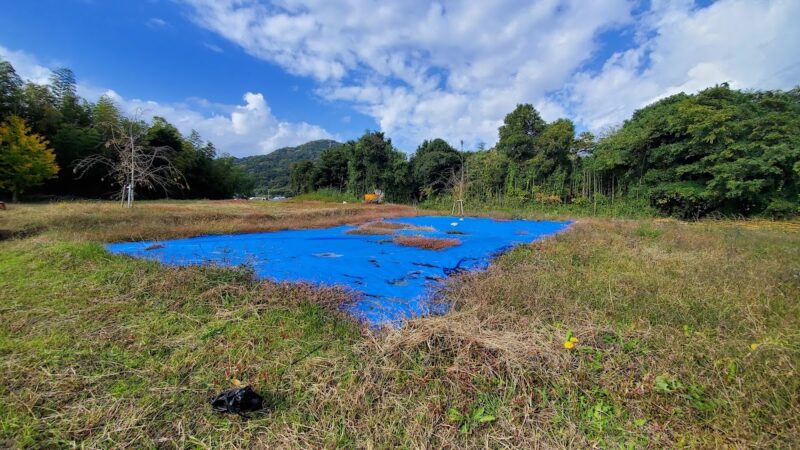
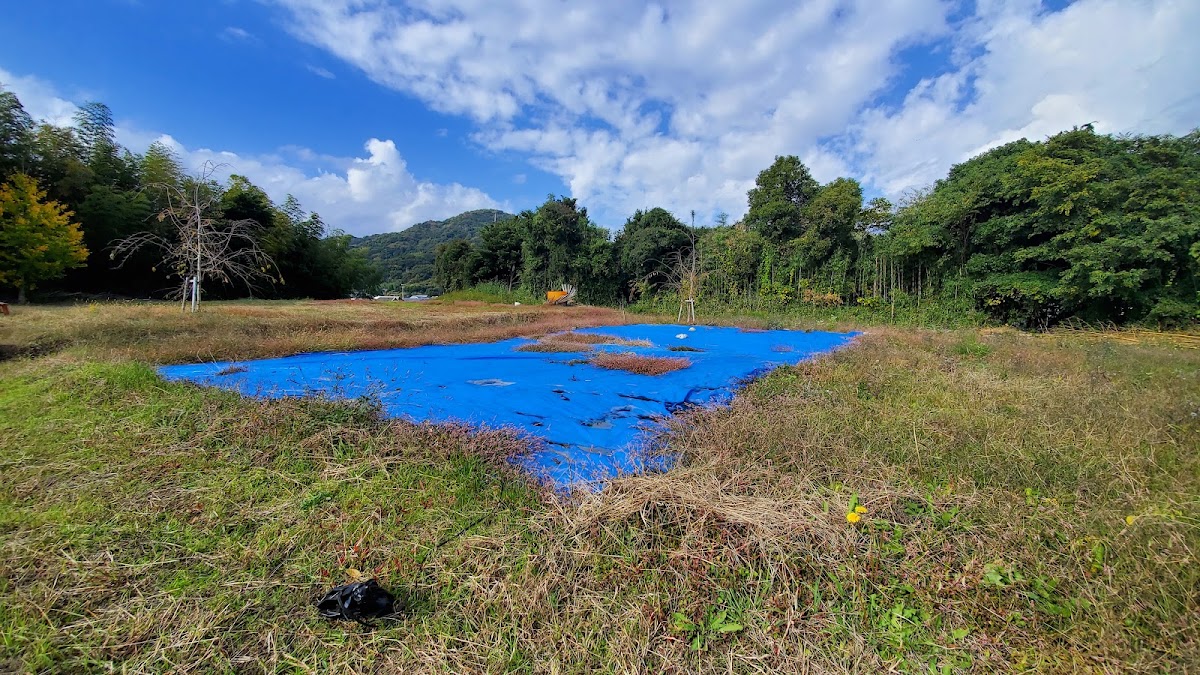
Currently, most of the Kaminogo Castle site is occupied by Aichi Prefectural Gamagori High School. While many remains have been lost due to school construction and surrounding residential development, some traces of earthworks and moats remain.
Main Existing Remains:
- Part of the earthworks within the Gamagori High School grounds
- Remains of a bailey estimated from the elevation difference of the terrain
- Topography along the Kanekyo River (natural moat)
Gamagori City is working to preserve and utilize the castle ruins, including installing information boards and continuing archaeological excavations.
Visiting and Sightseeing
When visiting the Kaminogo Castle Ruins, please note the following:
Points to Note During Your Visit:
- As Gamagori High School is an active educational institution, visits are best made during holidays or long breaks.
- It is recommended to contact the school or the Gamagori City Board of Education in advance.
- Permission may be required to enter the school grounds.
- It is possible to observe the exterior from the surrounding roads.
Related Historical Sites in the Surrounding Area:
- Gamagori City Museum: There is an exhibit on Kaminogo Castle, where you can see excavated artifacts and explanatory panels.
- Shimonogo Castle Ruins, Fusou Castle Ruins, Kashiwabara Castle Ruins: Castle ruins related to the Udono clan.
- Katahara Castle Ruins, Takeya Castle Ruins: Other major castle ruins in the Gamagori area.
Exhibits at Gamagori City Museum
The Gamagori City Museum has a permanent exhibition on the Kaminogo Castle Ruins. Exhibits include ceramics unearthed during excavations, a reconstructed model of the castle, and historical explanatory panels, allowing you to learn about the history of the Gamagori region during the Sengoku period.
Museum Information:
- Location: 10-22 Sakae-cho, Gamagori City, Aichi Prefecture
- Opening Hours: 10:00~17:00 (Last entry at 16:30)
- Closed: Mondays (or the following day if Monday is a public holiday), New Year holidays
- Admission Fee: Free (Special exhibitions may have a fee)
The museum also has explanatory pages for children, making it suitable for family learning.
Kaminogo Castle and Mikawa Province in the Sengoku Period
Sengoku Daimyo of Mikawa Province
Mikawa Province in the Sengoku period was a fierce battleground where multiple forces vied for supremacy. The main forces were as follows:
Matsudaira Clan:
Based in Okazaki, the Matsudaira clan, ancestors of Tokugawa Ieyasu, were powerful local lords in Mikawa Province. Their power expanded during the time of Ieyasu’s grandfather, Matsudaira Kiyoyasu, but declined temporarily after Kiyoyasu’s sudden death.
Imagawa Clan:
A Sengoku period daimyo based in Suruga Province, they wielded influence in eastern Mikawa Province. During the time of Imagawa Yoshimoto, they subjugated the Matsudaira clan and brought most of Mikawa Province under their control.
Oda Clan:
Based in Owari Province, they sought to extend their power into western Mikawa Province. After the Battle of Okehazama, Oda Nobunaga formed an alliance with Ieyasu, strengthening his influence in Mikawa Province.
The Position of the Udono Clan
The Udono clan, as influential vassals of the Imagawa clan, played a representative role for the Imagawa clan in eastern Mikawa Province. Their continued loyalty to Imagawa Ujizane even after the death of Imagawa Yoshimoto demonstrates the strong ties the Udono clan had to the Imagawa.
However, this loyalty ultimately led to the Udono clan’s downfall. In the grand sweep of history—Ieyasu’s unification of Mikawa—Kaminogo Castle fell, and Udono Nagateru was killed in battle.
The Role of Castles in the Sengoku Period
Castles in the Sengoku period were not merely military facilities, but possessed diverse functions such as:
- Military Base: Defensive facilities during battles, garrisons for soldiers
- Political Center: The lord’s residence, meeting place for retainers
- Economic Center: Tax collection point, market management
- Symbolic Presence: Visualization of the lord’s authority and rule
Kaminogo Castle was also a symbol of the Udono clan’s rule, and its fall meant the collapse of the Udono clan’s power.
Cultural Value of Kaminogo Castle
Historical Significance
The Kaminogo Castle ruins have high historical value in the following respects:
- Important Site Showing Tokugawa Ieyasu’s Process of Unifying Mikawa: The capture of Kaminogo Castle was a crucial event in Ieyasu’s unification of Mikawa, which was the first step towards unifying Japan.
- A Typical Example of a Medieval Mountain Castle from the Sengoku Period: This is a valuable example of a castle structure from the Sengoku period, primarily consisting of earthworks and dry moats.
- An Important Witness to Local History: This is an important cultural property that tells the history of the Sengoku period in the Gamagori region.
Challenges of Preservation and Utilization
The following challenges exist regarding the preservation and utilization of the Kaminogo Castle Ruins:
Preservation Challenges:
- Large-scale preservation and maintenance is difficult due to its location on school grounds.
- There is a risk of loss of some of the remains due to surrounding development.
- Research and preservation activities are limited due to budget and personnel constraints.
Utilization Challenges:
- Public access is limited and difficult to access.
- Low awareness and insufficient utilization as a tourist resource.
- The need for improved educational programs and explanatory materials.
Gamagori City is working to address these challenges by formulating a cultural property protection plan and holding history lectures for citizens.
Future Prospects
To ensure better preservation and utilization of the Kaminogo Castle ruins, the following initiatives are expected:
- Clarification of remains through continuous archaeological excavations
- Restoration of the castle using digital technology (CG, VR, AR, etc.)
- Enhancement of exhibits at the Gamagori City Museum
- Incorporation into tourist routes (castle tour courses, etc.)
- Collaboration with school education (use as teaching material for local studies)
- Promotion of preservation activities by citizen volunteers
Through these initiatives, it is expected that the Kaminogo Castle ruins will be passed down to future generations as a valuable cultural heritage of the region.
Summary: Kaminogo Castle Tells the Story of Mikawa in the Sengoku Period
Kaminogo Castle in Gamagori City, Aichi Prefecture, played an important historical role as the base of the Udono clan, who ruled the eastern part of Mikawa Province during the Sengoku period. The capture of the castle by Matsudaira Motoyasu (Tokugawa Ieyasu) in 1562 was a crucial step towards Ieyasu’s unification of Mikawa and a turning point that paved the way for his subsequent unification of Japan. Currently, much of the castle site is occupied by Gamagori High School, but the remaining structures and the results of archaeological excavations convey the structure of a medieval mountain castle from the Sengoku period and the nature of battles fought at that time. The history of Kaminogo Castle reveals diverse aspects of the Sengoku period, including defensive structures primarily consisting of earthworks and dry moats, siege warfare utilizing ninjas, and diplomatic battles involving hostage exchanges.
Exhibits at the Gamagori City Museum and ongoing research will further shed light on the historical value of Kaminogo Castle. When visiting Gamagori, be sure to visit this Sengoku period site and trace the footsteps of Tokugawa Ieyasu’s unification of Mikawa. The Kaminogo Castle ruins quietly speak to us, living in the modern age, about the turbulent history of the Sengoku period and the lives of our ancestors.