Yuki Castle (Yuki City, Ibaraki Prefecture) Complete Guide | History, Highlights, and Access Information
Located in Yuki City, Ibaraki Prefecture, Yuki Castle is a castle that flourished as the residence of the Yuki clan from the medieval to the early modern period. It holds historical significance as the site of the Battle of Yuki during the Muromachi period, and served as the administrative center of the Yuki Domain during the Edo period. Currently, it is maintained as a castle ruins park and designated as a Yuki City Historic Site. This article provides a detailed explanation of Yuki Castle, from its history and highlights to access information.
Basic Information on Yuki Castle
Location: 2486-1 Yuki, Yuki City, Ibaraki Prefecture
Castle Structure: Flatland Castle
Year of Construction: Jisho Era (1177-1181)
Builder: Yuki Tomomitsu
Main Lords: Yuki Clan, Mizuno Clan
Year of Abandonment: Early Meiji Period
Designated Cultural Property: Yuki City Designated Historic Site
Common Name/Alternate Name: Yuki Jinya, Yuki Goten
Yuki Castle is located in the center of Yuki City, Ibaraki Prefecture, built on a plateau between the Kinugawa and Tagawa rivers. Currently, it is a popular tourist attraction known as Yuki Castle Ruins Park, open 24 hours a day, 365 days a year. Admission is free, and anyone can freely explore the site.
Access Information
Access by Train:
- Approximately 15 minutes on foot from JR Mito Line “Yuki Station”
- Approximately 20 minutes on foot from Kanto Railway Joso Line “Minami-Ishige Station”
- Approximately 17 minutes on foot (1,341m) from Higashi-Yuki Station
Access by Car:
- Approximately 20 minutes from Kita-Kanto Expressway “Sakuragawa-Chikusei IC”
- Approximately 40 minutes from Joban Expressway “Yawara IC”
- Accessible from National Route 50
Parking: Free parking available around the castle ruins park
Inquiries: Yuki City Hall, Phone Number 0296-32-1111
History and Background of Yuki Castle
Late Heian Period to Kamakura Period: Castle Construction
The history of Yuki Castle dates back to the late Heian period. In 1171 (Shoan 1), Asamitsu, the fourth son of Oyama Shimotsuke Daijo Masamitsu, who distinguished himself in the pursuit of the Taira clan under Minamoto no Yoritomo, was appointed as the jitō (land steward) of Yuki County for his service in suppressing the rebellion of Shida Yoshihiro. It is believed that he built a castle in this area, marking the beginning of the Yuki clan.
Asamitsu adopted the name Yuki Shichirō and became the founder of the Yuki clan. Initially, Yuki Castle is thought to have been about the size of a samurai residence from the Kamakura period, but as the Yuki clan’s power expanded, the castle’s fortifications were also improved.
From the Nanboku-chō Period to the Muromachi Period: The Development of the Yuki Clan
During the Nanboku-chō period, the Yuki clan expanded its power from Shimotsuke Province to northern Hitachi Province, growing into a powerful samurai family. Yuki Castle was also gradually expanded, developing into a formidable fortress.
During the Muromachi period, the Yuki clan established a firm position as a powerful daimyo in the Kanto region. Yuki Castle was not merely a residence, but functioned as the political and military center controlling the entire Yuki County area.
Battle of Yuki (1440-1441): A Historical Stage
The greatest event that etched Yuki Castle’s name into history was the Battle of Yuki, which took place from 1440 (Eikyo 12) to 1441 (Kakitsu 1) during the Muromachi period.
When Ashikaga Mochiuji, the Kamakura Shogun, was overthrown by the Muromachi Shogunate in the Eikyo Rebellion, Yuki Ujitomo and Yuki Mochitomo (father and son) rebelled against the shogunate, supporting Mochiuji’s orphaned son. During this battle, Yuki Castle withstood a siege by the shogunate army for about a year, becoming renowned as an impregnable fortress.
Ultimately, Yuki Castle fell, and Yuki Ujitomo and Mochitomo were killed in battle, but this battle made the castle’s strength widely known. After the battle, the Yuki clan was allowed to be restored and continued until the Sengoku period.
Sengoku Period: The Survival and Transformation of the Yuki Clan
During the Sengoku period, the Yuki clan, surrounded by powerful forces such as the Hojo and Satake clans, maintained their family name through skillful diplomacy. In particular, during the time of Yuki Masakatsu, they maintained their independence while cultivating friendly relations with the Hojo clan of Odawara.
In 1590 (Tensho 18), during Toyotomi Hideyoshi’s siege of Odawara, the Yuki clan sided with the Toyotomi and their territory was secured. However, since Yuki Harutomo had no male heir, he adopted Tokugawa Ieyasu’s second son, Hideyasu.
Edo Period: Yuki Hideyasu, the Abandonment of the Castle, and its Restoration
In 1600 (Keicho 5), after the Battle of Sekigahara, Yuki Hideyasu was transferred to Kitano-sho (Fukui), Echizen Province, with an increased stipend of 670,000 koku. As a result, Yuki Castle was temporarily abandoned, and many of its buildings were demolished.
For approximately 100 years there was no castle in Yuki, but in 1700 (Genroku 13), when Mizuno Katsunaga was granted Yuki with a stipend of 18,000 koku from Noto Province, Yuki Castle was rebuilt as a jinya (fortified residence). From then until the Meiji Restoration, the Mizuno clan remained the lords of the Yuki Domain, and Yuki Castle (jinya) functioned as the domain’s administrative center.
Unlike the castles of the Sengoku period, Yuki Castle during the Edo period had a strong character as a jinya, serving as the center of politics and administration. It used earthen ramparts rather than stone walls and had a relatively simple structure.
After the Meiji Era: Transformation into a Castle Ruins Park
After the Meiji Restoration, the Yuki Domain was abolished due to the abolition of the feudal domains and the establishment of prefectures, and the buildings of Yuki Castle were demolished. The castle ruins became privately owned or public land, and urbanization progressed.
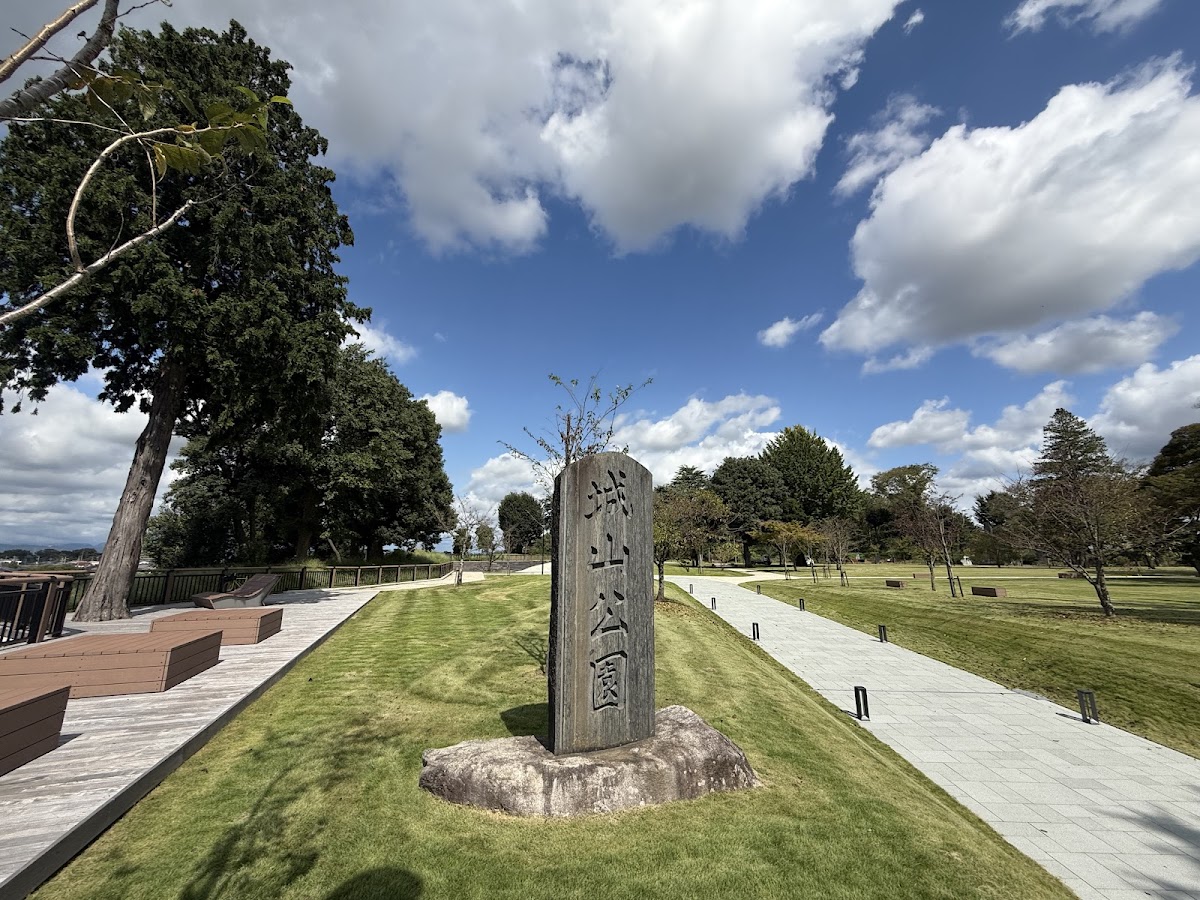
Currently, the site of the former main keep has been developed into Yuki Castle Ruins Park, a place of relaxation for citizens. Remains such as parts of the earthworks and moat traces remain and are protected as a Yuki City designated historical site. The park also features a haiku monument by Yosa Buson, creating a space where one can feel history and culture.
Structure and Layout of Yuki Castle
Location and Topography of the Castle
Yuki Castle is a flatland castle built on a plateau between the Kinugawa and Tagawa rivers. Its elevation is approximately 30 meters, and the difference in height from the surrounding lowlands is about 10 meters, placing it slightly higher. This topographical advantage and the defensive structure utilizing natural moats formed by the rivers are characteristic features.
The Kinugawa River flows to the east of the castle, and the Tagawa River to the west, and these rivers served as outer moats. Furthermore, it is believed that multiple tributaries and irrigation canals surrounded the castle, forming a complex network of water moats.
Layout and Main Enclosures
Yuki Castle is believed to have had a concentric layout with the main enclosure (Honmaru) at its center, surrounded by the second and third enclosures (Ninmaru and Sannomaru). It was relatively large for a medieval castle and possessed a comprehensive defensive structure encompassing the surrounding castle town.
Honmaru: The current Yuki Castle Ruins Park is considered to be the site of the Honmaru. It measured approximately 200 meters east-west and 150 meters north-south, surrounded by earthen ramparts and moats. The Honmaru housed the lord’s residence and other major buildings.
Ninmaru and Sannomaru: While the Ninmaru and Sannomaru were located around the Honmaru, urbanization has progressed, and no clear remains exist today. Edo period maps confirm that the Ninmaru was located to the north and east of the Honmaru, with the Sannomaru outside of that.
Total Fortifications: Yuki Castle possessed a comprehensive defensive structure, surrounding not only the castle grounds but the entire castle town with earthen ramparts and moats. This structure was developed from the late Sengoku period to the early Edo period, serving to strengthen the defenses of the castle town and also to demarcate the merchant and samurai districts.
Characteristics of Defensive Structures
The most distinctive feature of Yuki Castle is its defensive structure, which primarily uses earthen ramparts rather than stone walls. This is a common characteristic of flatland castles in the Kanto region, reflecting the regional difficulty in obtaining stone materials.
The earthen ramparts were approximately 3-5 meters high, and it is believed that walls or fences were built on top. Even today, parts of the earthen ramparts remain in good condition within the castle park, allowing us to imagine the structure at that time.
The moats were mainly water moats, approximately 10-15 meters wide. Water was drawn from the Kinugawa and Tagawa rivers, maintaining a constant water level.
Highlights of Yuki Castle
Yuki Castle Ruins Park
Currently, the site of Yuki Castle’s main keep has been developed into Yuki Castle Ruins Park and is open to the public. The park contains the following points of interest:
Earthwork Remains: Earthworks from the Edo period remain in good condition on the north and east sides of the park. These earthworks, approximately 3 meters high and 50 meters long, are valuable remains that allow visitors to experience the castle’s structure at the time. Visitors can climb onto the earthworks and experience the castle’s defensive structure.
Moat Remains: Moat remains exist outside the earthworks. Although the water has been drained, a depression approximately 2 meters deep can be seen, allowing visitors to imagine its former scale.
Yosa Buson Haiku Monument: A haiku monument to Yosa Buson, a haiku poet from the Edo period, stands within the park. It is said that Buson composed a haiku at the site of Yuki Castle during a visit to Yuki, and a monument commemorating this has been erected. This is a spot where you can feel the connection between history and literature.
Information Boards: Several information boards explaining the history and structure of Yuki Castle are installed within the park. You can obtain detailed information about the course of the Battle of Yuki and the changes the castle has undergone.
Traces of the Castle Town
The area around Yuki Castle Ruins Park retains strong traces of the former castle town. The town layout, which has continued since the Middle Ages, remains intact, allowing you to stroll through a historical townscape.
Storehouses: Storehouses (merchant storehouses) built from the Edo period to the Meiji period are scattered throughout Yuki City. These are buildings that tell the story of the prosperity of the castle town, which flourished as a production center for Yuki silk.
Samurai Residence Sites: The remains of former samurai residences can be found around the castle ruins park. Although it is now a residential area, traces of the past can still be seen in the road layout and plot divisions.
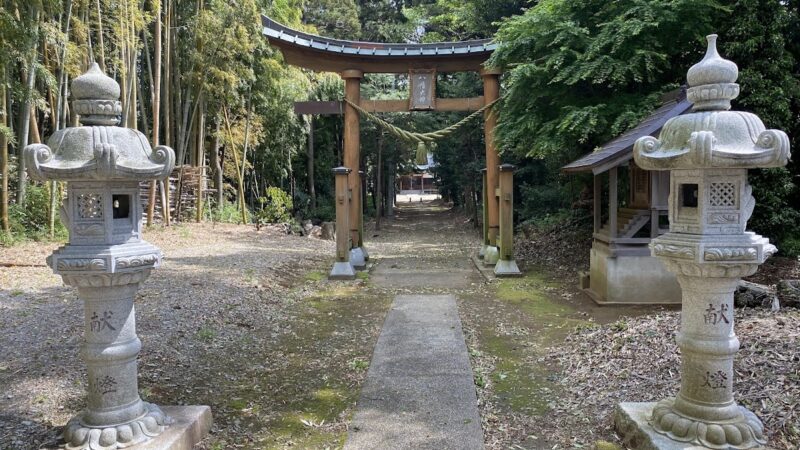
Temples and Shrines: Several temples and shrines associated with the Yuki clan remain around Yuki Castle. These also functioned as protection against evil spirits for the castle and as defensive strongholds for the castle town.
Cultural Properties and Tourist Spots in Yuki City
When visiting Yuki Castle, we recommend also visiting the surrounding cultural properties and tourist spots.
Yuki Tsumugi: Yuki City is famous as the production area of “Honba Yuki Tsumugi,” which is registered as a National Important Intangible Cultural Property and a UNESCO Intangible Cultural Heritage. Yuki Tsumugi is a traditional craft that has continued since the Nara period and was a major industry that supported the economy of the Yuki castle town. There are exhibition facilities and workshops for Yuki Tsumugi in the city where you can observe the traditional techniques.
Yuki Kurabikan: This facility introduces the history and culture of Yuki City, and also exhibits historical materials of Yuki Castle and Yuki Tsumugi silk. Recommended for those who want to learn more about Yuki’s history.
Shōmyōji Temple: This temple is associated with the Yuki clan and contains the graves of Yuki Ujitomo and Mochitomo, father and son who died in the Battle of Yuki. The temple grounds also contain ancient trees hundreds of years old, giving a sense of historical significance.
Archaeological Materials and Excavations of Yuki Castle
Multiple archaeological excavations have been conducted at the Yuki Castle site. These investigations have yielded new insights into the castle’s structure and changes over time.
Main Excavation Findings
Ceramics: Numerous ceramic fragments from the medieval to early modern periods have been unearthed during the excavations. Seto and Mino ware, Tokoname ware, and Chinese celadon and white porcelain have been identified, demonstrating the prosperity of Yuki Castle and the extent of its trade.
Pottery and Roof Tiles: Pottery used in daily life and roof tiles used on buildings have been unearthed. The discovery of roof tiles, in particular, is important evidence that buildings with tiled roofs existed at Yuki Castle.
Metal Artifacts: Metal artifacts such as iron swords, arrowheads, and nails have also been discovered. These indicate the castle’s military character and provide clues to the level of blacksmithing technology at the time.
Stone Artifacts: Stone artifacts such as inkstones and whetstones have also been unearthed, offering insights into daily activities within the castle, such as document creation and sword maintenance.
Confirmation of Archaeological Remains
Excavation surveys have confirmed the structure of moats and earthworks, building foundations, and well remains. In particular, surveys around the main keep have revealed overlapping remains from multiple periods, indicating that the castle underwent numerous renovations and expansions.
Some of these archaeological materials are on display at the Yuki City Local History Museum and the Yuki Kurabikan Museum, and are open to the public.
Cultural Influence of Yuki Castle and the Yuki Clan
The Yuki clan exerted a significant cultural influence on the region, not merely as a samurai family.
Protection and Promotion of Yuki Tsumugi Silk
The Yuki clan focused on promoting industries within their territory, particularly encouraging the production of Yuki Tsumugi silk. While Yuki Tsumugi had been produced since the Heian period, the Yuki clan’s protection led to improved techniques and established its status as a high-quality textile. During the Edo period, it became an important source of revenue for the Yuki domain, laying the foundation for this traditional craft that continues to this day.
Promotion of Learning and Culture
The Yuki clan valued learning, and a school was established in the castle town. Many literary figures and artists visited Yuki, leaving behind works depicting Yuki Castle and its surrounding town. Yosa Buson was one such artist, and a haiku monument to him stands at the site of Yuki Castle.
Construction and Protection of Temples and Shrines
The Yuki clan protected temples and shrines within their territory, constructing many temples. These temples and shrines still remain in Yuki City today, preserving the faith and culture of the Yuki clan.
Points to Note When Visiting Yuki Castle
Best Season for Visiting
Yuki Castle Ruins Park is open year-round, but the recommended times to visit are as follows:
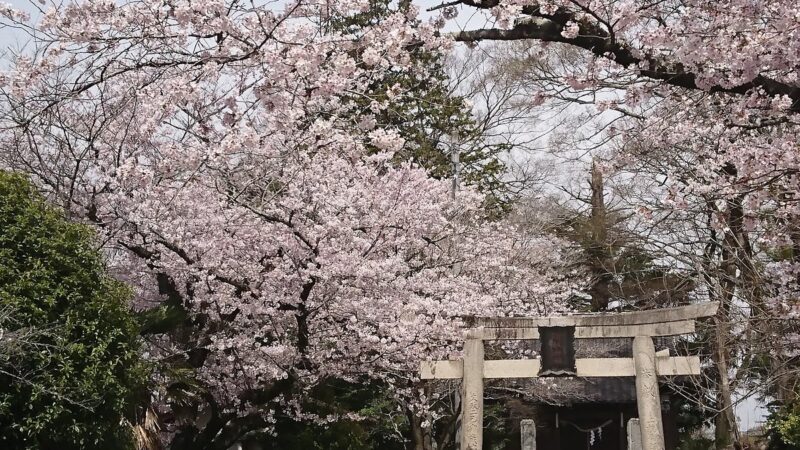
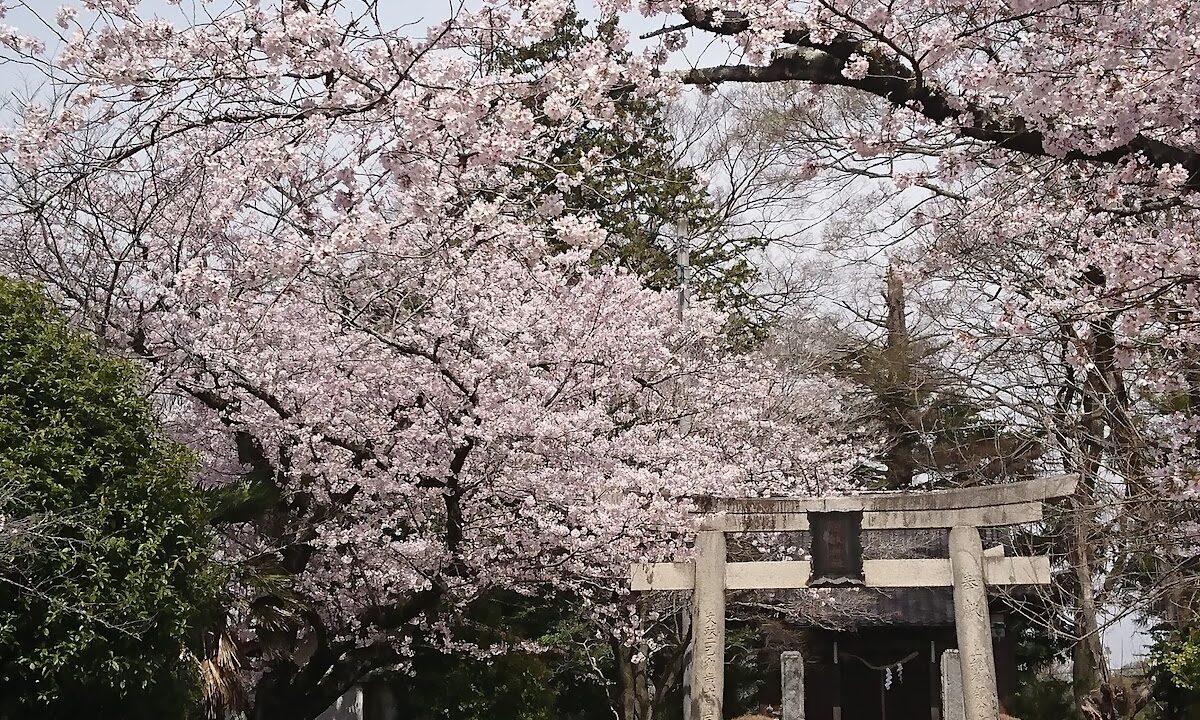
Spring (Late March to Early April): It’s cherry blossom season, and the cherry trees in the park are in full bloom. You can enjoy strolling through the castle ruins while admiring the blossoms.
Autumn (Late October to Mid-November): It’s the season of autumn leaves, and the trees around the earthworks change color, creating a picturesque landscape. The weather is mild, making it ideal for a stroll.
February (Yuki Tsumugi Related Events): Many events related to Yuki Tsumugi silk are held in Yuki City in February, allowing you to experience traditional crafts while strolling through the castle town.
Estimated Time and Tour Route
Yuki Castle Ruins Park Only: Approximately 30 minutes to 1 hour
This is the time required for a leisurely stroll through the park, viewing the earthworks and information boards.
Including a Stroll Through the Castle Town: Approximately 2 to 3 hours
This is the time required to visit Yuki Castle Ruins Park, as well as surrounding shops, temples and shrines, and facilities related to Yuki silk weaving.
In-Depth Visit: Half a day to a full day
This is the time required to deeply learn about the history and culture of Yuki, including its cultural facilities and museums.
Surrounding Facilities and Services
Tourist Information Center: The Yuki City Tourism and Local Products Center is located in front of Yuki Station, where you can obtain tourist maps and brochures.
Restaurants: There are several restaurants using local ingredients around the castle ruins park. You can enjoy Yuki’s local cuisine.
Souvenir Shops: There are several shops in the city where you can purchase Yuki Tsumugi silk products and local specialties.
Restrooms and Rest Facilities: Restrooms are available within the castle ruins park. Benches are also available, allowing you to rest while sightseeing.
Yuki Castle Reviews and Ratings
The following are some comments from visitors to Yuki Castle:
History Fan’s Review: “This castle is famous as the site of the Battle of Yuki, but it is now a quiet park. The earthworks are well-preserved, allowing you to imagine the castle’s structure at the time. The information boards are also excellent, making it possible to stroll around while learning about history.”
Local Resident’s Review: “It’s a popular place for citizens to relax. It’s especially beautiful during cherry blossom season, and families can enjoy cherry blossom viewing. It’s a valuable place where you can take a walk while feeling the history.”
Tourist’s Review: “I visited in conjunction with a visit to see Yuki Tsumugi silk. The castle ruins themselves are small, but the atmosphere of the castle town is well-preserved, and I enjoyed the historical walk. It would be even better if more remains were preserved, but it’s great that it’s free to visit.”
Castle Enthusiast’s Review: “As a castle with earthworks and no stone walls, it’s a typical example of a flatland castle in the Kanto region. Although large-scale remains are not preserved, the earthworks and moat traces allow you to understand the structure at the time. The surrounding town layout also retains its medieval form, making the entire castle town a sight to behold.”
Summary: The Charm of Yuki Castle and its Future Preservation
Yuki Castle is a castle with a long history spanning from the medieval to the early modern period. It holds historical significance as the site of the Battle of Yuki and played a central role in the region as the residence of the Yuki clan. While large-scale remains are no longer present due to urbanization, the earthworks and moat remnants offer a glimpse into its former glory.
Yuki Castle Ruins Park serves not only as a place to learn about history but also as a recreational area for citizens. The surrounding area retains the atmosphere of a castle town where the tradition of Yuki silk weaving thrives, creating a fascinating region where history and culture blend seamlessly.
When visiting Yuki City in Ibaraki Prefecture, be sure to visit Yuki Castle Ruins Park and experience the history and culture of the Yuki clan. Its convenient location, approximately 70 kilometers from central Tokyo, makes it an easily accessible historical spot for a day trip.
Yuki City is continuously working on the preservation and utilization of the Yuki Castle ruins, and further development and information dissemination are expected in the future. In order to pass on this historical heritage to future generations, it is important that many people visit Yuki Castle and share its value.