Onigajo (Kumano City, Mie Prefecture) Complete Guide | A Thorough Explanation of the World Heritage Site’s Spectacular Scenery and History
Located in Kimoto-cho, Kumano City, Mie Prefecture, Onigajo is known for its magnificent natural landscape created by the rough waves of the Kumano Sea and tectonic shifts. Designated as a National Place of Scenic Beauty and Natural Monument, and registered as a World Heritage Site as part of the “Sacred Sites and Pilgrimage Routes in the Kii Mountain Range,” this is a breathtaking spot that can be described as a work of art created by the power of nature.
This article comprehensively explains everything you need to know before visiting Onigajo, from its geological formation and historical background to its actual highlights and access methods.
What is Onigajo? | Natural Beauty Registered as a World Heritage Site
Overview and Characteristics of Onigajo
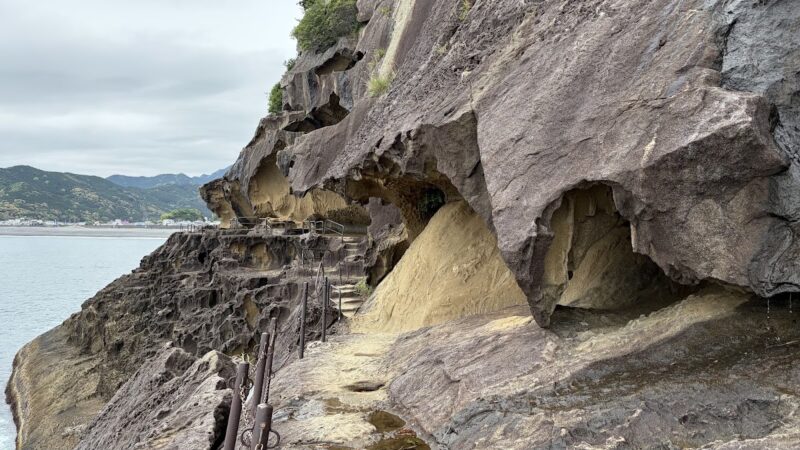
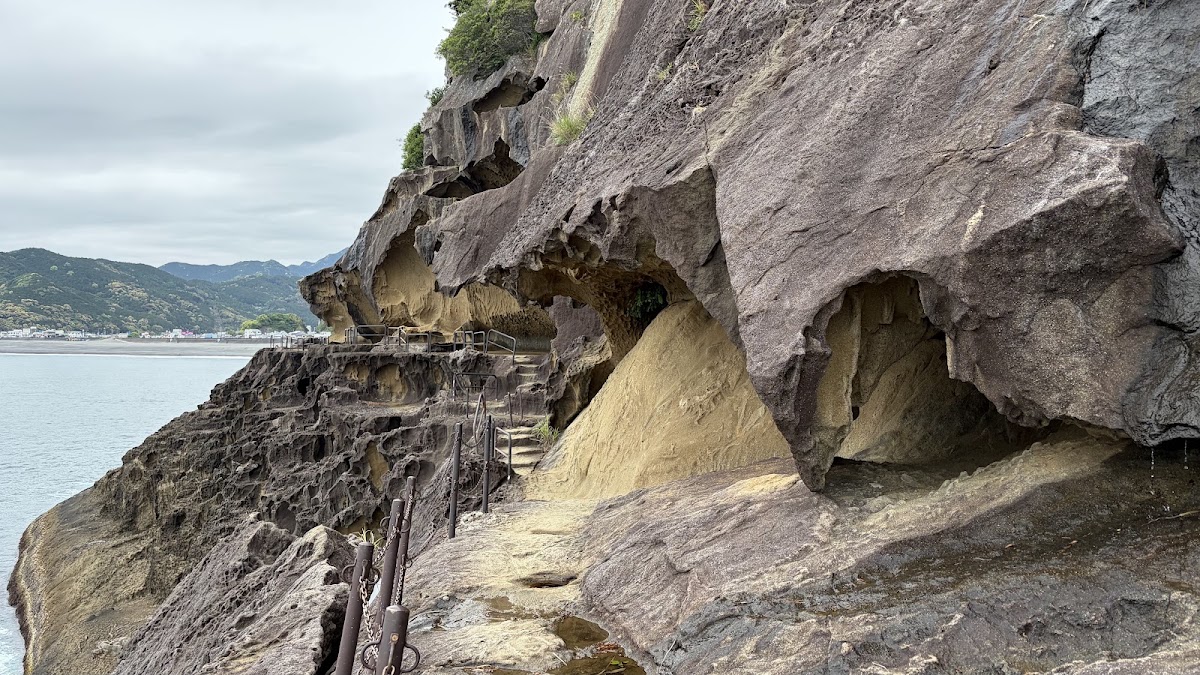
Onigajo is a coastal scenic spot that stretches for approximately 1.2 km along the Kumano Sea. The most striking feature is the countless sea caves, large and small, carved by the rough waves of the Kumano Sea, arranged in a staircase-like pattern due to uplift caused by earthquakes. This unique topography is a massive rock face created over long periods of time by weathering and wave erosion, offering a glimpse into the awe-inspiring power of nature.
A walking path stretches for approximately 1 km along the rock face, allowing visitors to safely observe the caves, unusual rock formations, and other scenic spots up close. The contrast between the blue sea and the rugged rock face, the sound of the waves, and the refreshing sea breeze create an unforgettable experience for visitors.
Component Site of the World Heritage Site “Sacred Sites and Pilgrimage Routes in the Kii Mountain Range”
Onigajo was registered as a World Heritage Site in 2004 as part of “Sacred Sites and Pilgrimage Routes in the Kii Mountain Range.” This World Heritage Site comprehensively evaluates sacred sites such as Kumano Sanzan, Koyasan, and Yoshino-Omine, and the pilgrimage routes (Kumano Kodo, etc.) connecting them.
The reason Onigajo became a component of the World Heritage Site is not simply because of its outstanding natural scenery, but also because of its cultural value, having been recognized since ancient times as an important landscape element in Kumano faith. During their pilgrimage to Kumano, pilgrims would witness this rugged coastline, feeling a sense of nature’s mystery and awe as they made their way to the sacred site.
Value as a National Scenic Spot and Natural Monument
Onigajo is designated as a National Scenic Spot as “Kumano no Onigajo, with Shishiiwa.” This designation aims to protect Japan’s outstanding scenic landscapes, signifying that Onigajo’s geological and scenic value is recognized at the national level.
Particularly noteworthy is the observation of the development process of sea caves. The multiple levels of caves formed by uplift in different eras serve as valuable teaching materials for understanding the workings of the Earth. This site is also an important research subject for geologists and researchers.
Geological Formation of Onigajo | A Miracle Created by Uplift and Erosion
Sea Erosion by the Rough Waves of the Kumano Sea
The most important factor in the formation of Onigajo was erosion by the rough waves of the Kumano Sea. The Kumano Sea is an open ocean facing the Pacific Ocean, and particularly in winter, strong waves crash against the coastline. Over long periods, the energy of these waves eroded the bedrock, creating caves and complexly shaped rock walls.
Sea caves are formed when waves repeatedly strike weak areas or cracks in the bedrock. Onigajo has countless caves of varying sizes, each with a different shape and depth, due to differences in rock type and how the waves hit.
Mechanism of Uplift Due to Earthquakes
The characteristic stepped topography of Onigajo is the result of uplift caused by repeated earthquakes. This region is close to the Nankai Trough and has experienced many large earthquakes in the past. Each earthquake caused the coastline to uplift, lifting sea caves that had previously formed near sea level onto land.
Then, erosion progressed again at the new sea level, followed by further uplift due to earthquakes. This cycle repeated, forming the multi-level cave systems we see today. This geological process has unfolded over a long timescale of tens to hundreds of thousands of years.
Weathering and Unique Rock Surfaces
Besides erosion by waves, weathering also plays a crucial role in shaping the landscape of Onigajo. The bedrock gradually weathers due to salt in the sea breeze, rainwater, and temperature changes, causing the surface to erode and cracks to widen.
Particularly noteworthy are the unique patterns and colors seen on the rock faces. A variety of colors can be observed, including areas where iron-containing rocks have oxidized to a reddish-brown color, and areas covered with green moss. These complex textures, created by weathering, add depth to the landscape of Onigajo.
The History and Legend of Onigajo Castle | The Story of Sakanoue no Tamuramaro and His Demon Extermination
Details of the Sakanoue no Tamuramaro Legend
The name Onigajo Castle originates from a legend concerning Sakanoue no Tamuramaro, a warrior from the early Heian period. According to the legend, a demon named Tagamaru, the leader of pirates and bandits, lived in this area and attacked ships traveling through the Kumano Sea.
Sakanoue no Tamuramaro was dispatched by Emperor Kanmu to exterminate this demon. It is said that Tamuramaro, using his wisdom and bravery, defeated Tagamaru and brought peace to the region. From this legend, the area came to be called “Onigajo” (Demon Castle), meaning “the castle where the demon lived.”
While the historical accuracy of this legend is uncertain, it is cherished and passed down as part of the region’s identity, enhancing the cultural value of Onigajo Castle.
Historical Background of Onigajo Honjo Castle
At the summit of Onigajo Castle lies the ruins of a castle called “Onigajo Honjo Castle,” which actually existed during the Sengoku period (Warring States period). This castle is believed to have been built around 1558 (Eiroku 1) by Arima Izumi-no-kami Tadachika, a powerful local lord, as his retirement residence.
The Arima clan held power in the Kumano region, but were destroyed in 1558 by the Horiuchi clan, another influential local family. Afterward, the Horiuchi clan ruled this area, served Toyotomi Hideyoshi, and governed the region until the Battle of Sekigahara (1600).
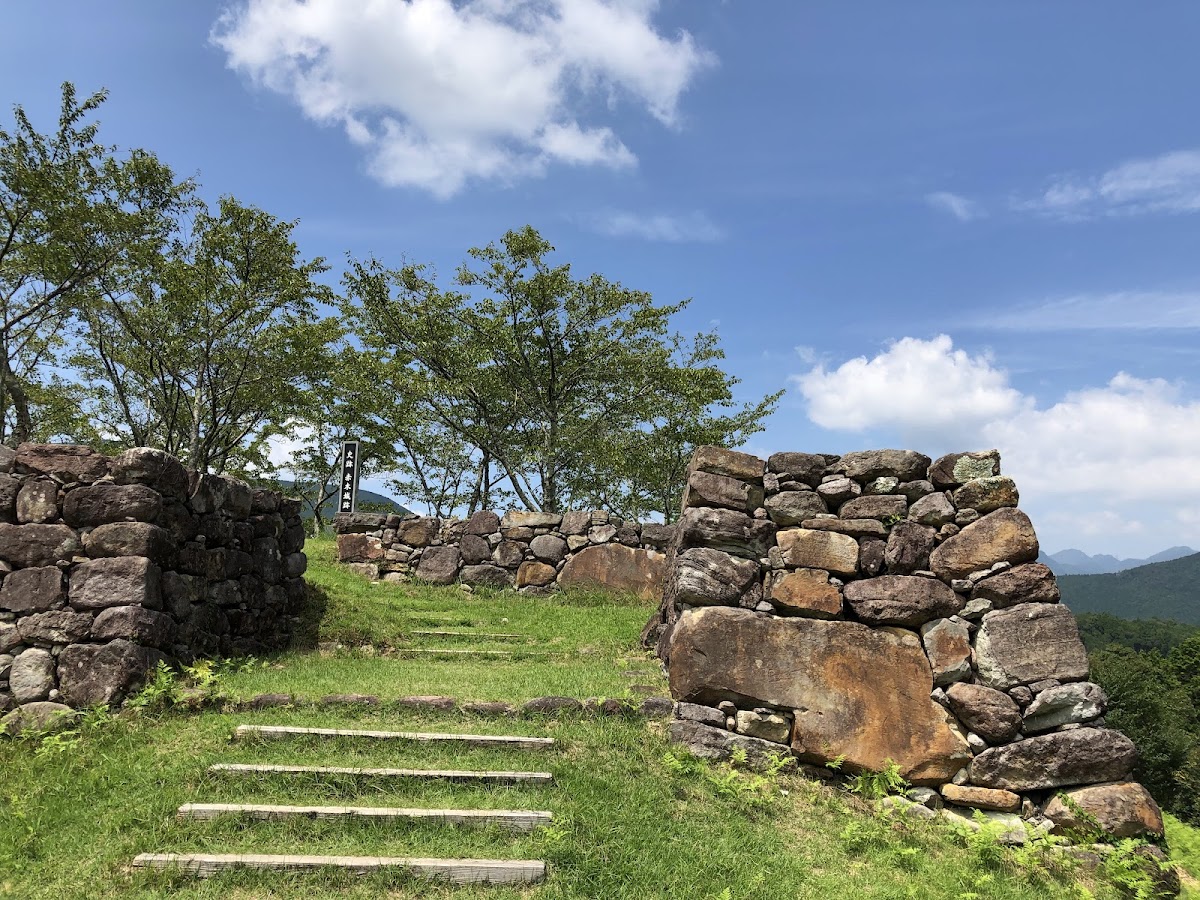
Currently, remnants such as stone walls and trenches remain at the castle site, and can be visited via hiking trails. The ability to enjoy both the natural coastal scenery and the historical remains of the mountain castle simultaneously is one of Onigajo Castle’s greatest attractions.
The Connection Between Kumano Faith and Onigajo Castle
Onigajo Castle has long been recognized as an important landscape element in Kumano faith. Pilgrims on the Kumano pilgrimage are said to have felt a sense of awe and wonder at the sight of this rugged coastline after crossing the steep mountain paths.
Kumano has been revered as a “land of rebirth,” and has been considered a symbolic place of death and regeneration. The rugged nature of Onigajo is thought to have served to deepen the spiritual experience of pilgrims, symbolizing the boundary between this world and the next.
Highlights of Onigajo | Scenic Spots to Explore on the Walking Trail
The Charm of the Coastal Walking Trail
The greatest highlight of Onigajo is the coastal walking trail, which stretches for approximately 1 km. This trail follows the rock face, offering a varied route that passes through caves and winds its way through rocks.
From the trail, you can enjoy panoramic views of the vast Kumano Sea. On clear days, you can see all the way to the horizon and observe the waves crashing against the rocks up close. Especially on days with high waves, the spray can reach the promenade, allowing you to experience the power of nature.
The promenade is relatively well-maintained, but since you will be walking on rocky terrain, we recommend wearing comfortable shoes. Also, please note that the promenade may be closed depending on the weather and wave conditions, so it is important to check in advance.
Countless Sea Caves and Unusual Rock Formations
As you walk along the promenade, you will encounter sea caves of various shapes. In the larger caves, you can enter and observe the intricate patterns on the ceilings and walls. The inside of the caves is dimly lit, in contrast to the brightness outside, creating a mystical atmosphere.
Unusual rock formations are also a highlight. These rocks, sculpted into unique shapes by years of erosion, show different expressions depending on the viewing angle. Searching for rocks that resemble animal or human faces, or rocks that appear to be balancing precariously, is another way to enjoy the experience.
In particular, the wide rocky ledge known as “Senjojiki” (Thousand Tatami Mat Area) is a valuable geological testament to the former sea level, flattened by wave erosion.
Panoramic Views from the Observation Decks
Observation spots are provided along the walking trail and at its end, offering panoramic views of the entire Onigajo area and the Kumano Sea. The observation deck near the Onigajo Center, in particular, offers a view of the long coastline of Shichiri-Mihama, providing a magnificent panorama of Kumano’s natural beauty.
The scenery is especially beautiful at sunrise and sunset, with the sea surface shimmering in golden hues—a breathtaking sight. These are ideal times for photography, attracting many photography enthusiasts.
Seasonal Highlights
Onigajo shows different faces depending on the season. In spring, the cherry trees near the summit are in full bloom, with approximately 2000 cherry trees in full glory. The contrast between the blue of the sea and the pink of the cherry blossoms is stunning, making it a popular spot for cherry blossom viewing.
In summer, the contrast between the lush blue sea and sky is beautiful, and a stroll while listening to the sound of the waves is refreshing. In autumn, you can see far into the distance in the clear air, and in winter, you can enjoy the powerful scenery of rough waves crashing against the rocks.
Onigajo Main Castle and Cherry Blossom Avenue | Attractions of the Summit Area
Hiking Course to Onigajo Main Castle Ruins
In addition to the coastal promenade, there is also a hiking course leading to the Onigajo Main Castle Ruins at the summit of Onigajo. This course continues from the coastline into a mountain path, passing through a cherry blossom avenue with approximately 2000 cherry trees to reach the castle ruins.
The route to the castle ruins involves a moderate climb, making it manageable for those who regularly engage in light exercise. Along the way, the sea peeks through the trees, and the view opens up as you gain altitude.
Remains and Highlights of the Castle Ruins
Remains such as stone walls and moats can be found at the Onigajo Main Castle Ruins. The stone walls were built using techniques from the Sengoku period (Warring States period), making them valuable historical documents that reveal the state of castle architecture at that time. The moats, fortified by cutting into the ridges to prevent enemy intrusion, are important remains for understanding the castle’s defensive functions.
The view from the castle ruins is magnificent, offering not only a panoramic view of the Kumano Sea but also the town of Kumano and the surrounding mountains. It’s a romantic historical experience to imagine that the castle lords of the Sengoku period gazed upon the same scenery from this very spot.
Connecting Route to Kumano Kodo and Matsumoto Pass
From the Onigajo main castle ruins, there is a path leading to Matsumoto Pass on the Kumano Kodo pilgrimage route. Using this route makes for a luxurious hiking course where you can experience both the World Heritage site of Onigajo and the Kumano Kodo at the same time.
Matsumoto Pass is a popular mountain pass on the Kumano Kodo, featuring cobblestone paths, bamboo groves, and observation decks. This course, which allows you to enjoy the sea, mountains, and history all at once—including coastal promenades, the remains of mountain castles, and the Kumano Kodo pilgrimage route—is especially recommended for those with ample time.
Onigajo Center | Tourist Hub
Facility Overview and Services
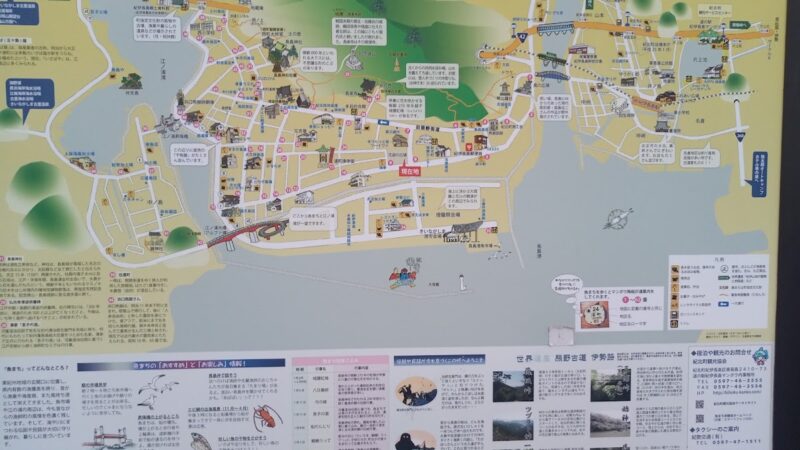
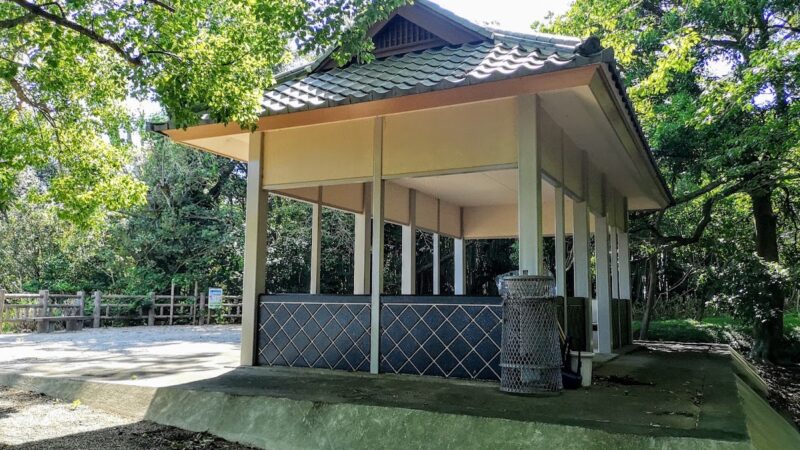
The Onigajo Center is a hub facility for sightseeing in Onigajo. It features free parking, tourist information, restrooms, and a rest area. You can obtain tourist information about Onigajo and Kumano City, and purchase local specialties.
The facility also has an exhibition space where you can learn about the origins and history of Onigajo, as well as the local culture. First-time visitors should gather information here before exploring.
Ristorante Marina and Local Cuisine
At Ristorante Marina on the second floor, you can enjoy dishes made with local ingredients. Particularly popular is the curry made with Kumano free-range chicken, where the spicy flavor and the delicious taste of the chicken are perfectly matched.
From the restaurant, you can enjoy a meal while overlooking the Kumano Sea, making dining with such a spectacular view a truly special experience. It’s the perfect place to grab a bite before a stroll or take a break afterward.
Niihime Soft Serve and Local Specialties
At the take-out corner, the popular “Niihime Soft Serve,” a specialty of Onigajo, is a favorite. Niihime is a citrus fruit that is a specialty of Kumano City, characterized by its refreshing acidity and unique aroma. This soft serve ice cream has a refreshing taste that makes the most of the Niihime flavor, making it perfect for cooling down after a stroll.
In addition, various local specialties are sold, including juices and jams made with Niihime, local seafood products, and goods related to the Kumano Kodo pilgrimage route. It’s a convenient place to choose souvenirs.
Access Information | How to Get to Onigajo
Access by Public Transportation
Using Trains and Buses
The nearest station is JR Kisei Main Line “Kumano-shi Station.” From Nagoya, it takes about 3 hours by the Limited Express “Nanki,” and from Osaka/Kyoto, it takes about 4 hours by the Limited Express “Kuroshio.”
From Kumano City Station, take the Kumano City Community Bus (bound for Omata Okubo) and get off at the “Onigajo Higashiguchi” bus stop. The journey takes about 5 minutes and costs around 200 yen. Onigajo Center is a short walk from the bus stop.
Since bus services are limited, it is recommended to check the timetable in advance. Alternatively, a taxi from Kumano City Station takes about 5 minutes and costs around 1000 yen.
Access by Car
Route from the Expressway
- From Nagoya: Approximately 5 minutes from the Kisei Expressway “Kumano Otomari IC”
- From Osaka/Wakayama: Approximately 5 minutes from the Kisei Expressway “Kumano Otomari IC”
The Kisei Expressway was fully opened in 2023, significantly improving access. From the IC exit, take National Route 42 to Onigajo Center. Road signs are well-maintained, so you shouldn’t get lost.
Parking Information
Onigajo Center has a free parking lot with space for approximately 70 regular cars. It can get crowded during peak tourist season and on weekends, so early arrival is recommended. The entrance to the Onigajo walking trail is a short walk from the parking lot.
Combining Onigajo with Nearby Tourist Spots
There are other attractive tourist spots around Onigajo.
Shishiiwa (Lion Rock)
Located about a 5-minute drive from Onigajo, Shishiiwa is a massive rock shaped like a roaring lion and, like Onigajo, is designated a National Place of Scenic Beauty. It’s a must-visit spot along with the beautiful coastline of Shichiri Mihama.
Shichiri Mihama
One of Japan’s longest sandy-gravel beaches, stretching for approximately 22 km. Driving along the beautiful coastline is exhilarating, and during the swimming season, you can enjoy swimming at Odomari Beach and other locations.
Hana-no-Iwaya Shrine
Considered one of Japan’s oldest shrines, this shrine enshrines a massive rock believed to be the burial site of Izanami-no-Mikoto. It is a component of the World Heritage Site “Sacred Sites and Pilgrimage Routes in the Kii Mountain Range,” and is approximately a 10-minute drive from Onigajo.
Points to Note and Tips for Visiting
Clothing and Items to Bring
The walking trails at Onigajo involve traversing rocky terrain, so comfortable shoes are essential. Sneakers or trekking shoes are suitable; avoid sandals or high heels.
Since you may get splashed by waves, clothing that can get wet is recommended. Also, as there is little shade, bring a hat and sunscreen. Don’t forget to bring drinks.
Checking Weather and Wave Conditions
The walking trails at Onigajo may be closed depending on weather and wave conditions. Especially during typhoons or when high wave warnings are issued, it is dangerous, so please check with the Kumano City Tourism Association or Onigajo Center in advance.
On rainy days, the rocky areas become slippery, so extra caution is needed. Please enjoy your visit safely and don’t push yourself too hard.
Estimated Time Required
A leisurely round trip along the coastal promenade takes approximately 1 to 1.5 hours. Including photography and breaks, it’s best to allow about 2 hours.
If you climb to the Onigajo main castle ruins, you will need an additional 1 to 1.5 hours. Extending your hike to the Kumano Kodo/Matsumoto Pass will require a half-day to full-day hike.
Best Spots and Timing for Photography
Onigajo is an ideal spot for photography. Recommended photo spots include:
- Panoramic view from near the entrance to the promenade
- An angle overlooking the sea from inside the large sea cave
- The collaboration of the Senjojiki rock ledge and waves
- Panoramic view from the observation deck
The best times to visit are sunrise and sunset, when the scenery is particularly beautiful and allows for dramatic photos. On days with high waves, you can capture impressive photos of the spray, but please be extremely careful for your safety.
Seasons and Annual Events at Onigajo
Spring Cherry Blossom Season
From late March to early April, approximately 2000 cherry trees along the cherry tree-lined path leading to the Onigajo main castle ruins are in full bloom. The contrast between the blue of the sea and the pink of the cherry blossoms is breathtaking, attracting many visitors. A cherry blossom festival is sometimes held by locals during the cherry blossom season.
Summer Swimming Season
From July to August, you can enjoy swimming at nearby Odomari Beach and other locations. A day trip combining sightseeing at Onigajo Castle with a swim at the beach is highly recommended. However, be sure to take thorough precautions against heatstroke, as the summer sun is very strong.
Autumn’s Clear Air and Foliage
October to November is the perfect season for sightseeing, with clear air and expansive views. You can also enjoy the autumn foliage near the summit, experiencing the beauty of both the sea and the mountains in autumn.
Winter’s Rough Waves and Impressive Scenery
From December to February, the waves of the Kumano Sea are at their most impressive. The sight of high waves crashing against the rocks is breathtaking, allowing you to truly feel the power of nature. However, the walking path may be closed on days when the waves are too high.
Kumano Sightseeing Model Course Including Onigajo Castle
Day Trip Course (6 hours)
Morning:
- 9:00 Arrive at Onigajo Center
- 9:15-11:00 Stroll along the coastal promenade
- 11:15-12:00 Lunch at Onigajo Center
Afternoon:
- 12:30-13:00 Visit Shishiiwa Rock
- 13:30-14:30 Visit Hana-no-Iwaya Shrine
- 15:00-16:00 Drive along Shichiri-Mihama Beach
This course allows you to efficiently visit the main tourist spots in Kumano City, centered around Onigajo Castle.
Two-Day, One-Night Course
Day 1:
- Morning: Stroll along the Onigajo coastline promenade
- Afternoon: Climb to the Onigajo main castle ruins, hike along the Kumano Kodo pilgrimage route and Matsumoto Pass
- Evening: Overnight stay at a hot spring inn in Kumano City
Day 2:
- Morning: Visit the Kumano Sanzan (Kumano Hongu Taisha, Kumano Hayatama Taisha, Kumano Nachi Taisha)
- Afternoon: Visit Nachi Falls
This course allows you to thoroughly enjoy Onigajo and then experience a pilgrimage to the sacred sites of Kumano.
Onigajo Preservation Activities and Future Initiatives
Preservation as a World Heritage Site
Onigajo, a World Heritage Site, is undergoing appropriate preservation and management to pass on its value to future generations. Regular inspections and repairs of the promenade, safety measures for dangerous areas, and environmental conservation activities are continuously implemented.
The local Kumano City, Mie Prefecture, and the Agency for Cultural Affairs have collaborated to formulate a conservation plan, creating an environment where tourists can visit safely while taking care not to damage the natural landscape and historical value.
Coexistence with the Community and Sustainable Tourism
Tourism at Onigajo Castle plays an important role in the local economy. However, concerns have been raised about the environmental impact of the increase in tourists, making the realization of sustainable tourism a challenge.
Local efforts include promoting environmentally conscious tourism, encouraging visitors to take their trash home, and raising awareness of proper etiquette. It is important for each of us who visit to be mindful of protecting this precious nature and culture.
Summary | Fully Enjoying the Charms of Onigajo Castle
Onigajo Castle in Kumano City, Mie Prefecture, is a miraculous landscape created by uplift caused by earthquakes and the rough waves of the Kumano Sea. Its value is internationally recognized as a World Heritage Site and a National Place of Scenic Beauty and Natural Monument.
Walking along the coastal promenade, you can experience firsthand the breathtaking scenery created by countless sea caves of all sizes and unique rock formations. Furthermore, climbing to the ruins of Onigajo Castle at the summit allows you to delve into the history of the Sengoku period, and the hiking trail leading to the Kumano Kodo pilgrimage route lets you enjoy both the sea and the mountains.
Onigajo possesses multifaceted charm, encompassing the legend of Sakanoue no Tamuramaro, its deep connection to Kumano faith, and its geological significance. It’s such a profound place that you can’t fully appreciate it in a single visit.
When visiting Kumano City, be sure to take your time exploring Onigajo. An unforgettable experience awaits you in this land where the grandeur of nature and the romance of history intersect.