Complete Guide to Nukada Castle (Naka City, Ibaraki Prefecture): A Thorough Explanation of the History and Highlights of this Massive Sengoku Period Castle
Nukada Castle, located in Naka City, Ibaraki Prefecture, is one of the largest medieval castles in the prefecture. Characterized by its vast castle grounds (approximately 22 times the size of Tokyo Dome) and deep, long dry moats, this castle site is attracting attention as a valuable historical site that conveys the power of local warlords during the Sengoku period. This article comprehensively covers the history, structure, highlights, and access methods of Nukada Castle, providing useful information for castle enthusiasts and history buffs alike.
History of Nukada Castle: From the Kamakura Period to the Sengoku Period
Construction of Nukada Castle and the Establishment of the Nukada Clan
The history of Nukada Castle dates back to the Kamakura period. During the Kenchō era (1249-1256), Yoshinao, the second son of Satake Yoshishige, the fifth head of the Satake clan, a powerful samurai family in Hitachi Province, entered the Nukata area and adopted the name Nukata. Yoshinao built a castle in Nukata, and thereafter, the Nukata clan expanded their power, making this their base for generations.
As a branch of the Satake clan, the Nukata clan played a crucial role in the Satake clan’s expansion of power in northern Hitachi Province. From the Kamakura period to the Nanboku-chō period, Nukata Castle was gradually expanded, developing into an unusually large castle for a local powerful family.
Conflict between Nukata Castle and the Satake Clan in the Muromachi Period
In the Muromachi period, the relationship between the Nukata clan and the main Satake clan changed. In 1423, during the time of Nukata Yoshisuke, the Nukata clan clashed with the Satake clan, resulting in the “Battle of Nukata Castle.” In this battle, Ashikaga Mochiuji sent Nikaido Shinano-no-kami and Shishido Bizen-no-kami as reinforcements to the Nukata clan, while Satake Yoshinori mobilized Torinagi Kuniyoshi and Enoda Norimoto to attack Nukata Castle.
On March 31st of the same year, after a fierce battle, Nukata Castle fell, and its lord, Nukata Yoshiaki, was killed. However, the Nukata clan survived, and Nukata Castle once again functioned as their residence. It is believed that the castle’s defensive structures were further strengthened after the battles of this period.
Nukata Castle in the Sengoku Period: Expansion and Peak Period
During the Sengoku period, Nukata Castle expanded to its current size. During this time, the Nukata clan was once again incorporated into the Satake clan’s vassal group, contributing to the Satake clan’s maintenance of power in Hitachi Province. Within the castle grounds, multiple enclosures were constructed around the main enclosure, resulting in a vast castle complex measuring approximately 600 meters east-west and 400 meters north-south.
During the late Sengoku period, it is said that the Onozaki clan, a senior retainer of the Satake clan, served as the castle lords for a period, replacing the Nukata clan. Onozaki Akimichi was the castle lord at one point, and the castle played a crucial role as a key point in the Satake clan’s northern defenses.
Nukata Terumichi and the Fall of Nukata Castle
The most dramatic event in the history of Nukata Castle was its fall in 1591. The castle lord at the time, Nukata Terumichi (also known as Onozaki Terumichi), incurred the wrath of Satake Yoshinobu for allegedly colluding with Date Masamune, the ruler of Oshu.
Satake Yoshinobu led a large army to attack Nukata Castle, and after a fierce battle, the castle fell. Terumichi escaped the castle and fled to Date Masamune, whom he had relied on. With this fall, the history of Nukata Castle as a medieval castle effectively came to an end.
Edo Period and Beyond: The Return of Nukada Terumichi and the Transformation of the Castle Ruins
In 1602 (Keicho 7), following the distribution of rewards after the Battle of Sekigahara, Satake Yoshinobu was transferred from Hitachi Province to Akita. Taking this opportunity, Nukada Terumichi returned to Hitachi Province. Terumichi changed his name to “Nukada Kyubei” and began serving Tokugawa Yorifusa, the new lord of the Mito Domain.
In the Edo period, Nukada Castle was abandoned, and the castle ruins were used for farmland and forests. However, its massive civil engineering remains were not destroyed and have been preserved in good condition to this day.
Structure and Layout of Nukada Castle: Characteristics of a Massive Castle
Location and Utilization of Topography
Nukada Castle is located on the southern edge of a plateau in the Nukada district of Naka City, Ibaraki Prefecture. Nukata Castle is a flatland castle with a series of enclosures, cleverly utilizing the edge of the Nukata Plateau, which is approximately 30 meters above sea level. The elevation difference between the castle and the low-lying wetlands to the south is about 15 meters. The castle’s layout, which maximizes this topographical advantage, is its most distinctive feature.
By concentrating the main defensive facilities on the edge of the plateau, a robust defensive system was constructed, combining natural terrain with artificial civil engineering. The steep slopes on the south and east sides, in particular, make it difficult for enemies to approach.
Arrangement of the Main Enclosure and Enclosures
The central part of Nukata Castle has a series of enclosures, with the main enclosure (honmaru) at its core, surrounded by multiple other enclosures. The main enclosure is located slightly north of the center of the castle grounds and is a rectangular flat area measuring approximately 100 meters east-west and 80 meters north-south.
The second, third, and fourth enclosures are arranged around the main enclosure, each separated by deep dry moats. These enclosures form multiple lines of defense to protect the main enclosure, requiring the enemy to break through several layers of defensive structures before reaching the main enclosure.
While the main enclosure is the only clearly visible part of the castle grounds today, even this area is quite large, allowing one to appreciate the sheer scale of the castle in its heyday.
Scale and Characteristics of the Dry Moat
The greatest highlight of Nukata Castle is the deep and long dry moat surrounding the main enclosure. This moat reaches depths of over 10 meters in some places and is quite wide, making it one of the largest among castles in Ibaraki Prefecture.
The dry moat functioned not only as a defensive structure but also as a clear demarcation line between the enclosures. The bottom of the moat is still clearly visible and can be walked along. The moat walls are steep, making it extremely difficult for enemy soldiers to climb up.
The dry moats on the east and south sides of the main enclosure are particularly well-preserved, demonstrating the advanced civil engineering techniques of the Sengoku period. The moat is shaped like a box (with a box-shaped cross-section), and the bottom is leveled.
Earthworks and Entrances
Along with the dry moat, earthworks are an important defensive structure. Earthworks were built around each enclosure, and the earthworks around the main enclosure, in particular, reach a height of 3 to 4 meters in some places. It is thought that fences or walls were built on top of the earthworks, making enemy intrusion even more difficult.
Entrances (koguchi) were provided at each enclosure, and they have a curved rather than straight structure. This was a design intended to delay enemy intrusion and give the defenders an advantage in battle. The entrance to the main enclosure was particularly heavily fortified, and the topography suggests that it was a complex structure combining multiple defensive facilities.
Extent of the Castle Grounds and Outer Enclosures
Beyond the main area, Nukata Castle had a vast outer enclosure. The entire castle grounds are said to cover an area equivalent to approximately 22 Tokyo Domes (about 100 hectares), an unusually large scale for a castle of a local powerful family.
It is believed that the outer fortifications housed the residences of the retainers, warehouses, and stables. A castle town-like settlement also formed, functioning as the center of the Nukata clan’s rule. While much of the area is now residential and farmland, traces of its past can still be seen in place names and micro-topography.
Highlights of Nukata Castle: Experiencing the Sengoku Period Ruins Firsthand
The Vast Flat Area of the Main Enclosure
The first thing that overwhelms visitors to Nukata Castle is the vast flat area of the main enclosure. Currently a flat open space, no traces of the original buildings can be seen, but its size suggests that the lord’s residence and important facilities were concentrated here.
From the main enclosure, you can overlook the surrounding landscape, appreciating the castle’s excellent location. On a clear day, you can see the distant mountain range, and imagine the lords of the castle during the Sengoku period gazing upon this same view.
The Impressive Dry Moat
The greatest highlight of Nukata Castle is undoubtedly the large dry moat surrounding the main enclosure. The eastern moat, in particular, is overwhelming in both depth and width; looking up from the bottom of the moat is truly awe-inspiring.
The dry moat is still well-preserved, and you can walk along its bottom. The moat walls are steep, almost vertical, allowing you to experience its function as a defensive structure during the Sengoku period. It’s a popular spot for photography and is highly regarded among castle enthusiasts as “one of the best dry moats in Ibaraki Prefecture.”
Well-Preserved Earthworks
The earthworks that demarcate each enclosure are also a highlight. The earthworks of the main enclosure are particularly high and retain much of their original appearance. There are places where you can walk on top of the earthworks, offering views overlooking the dry moat.
By observing the changes in the shape and height of the earthworks, you can discern the differences between strategically important and less important areas, experiencing the fascinating aspects of castle research.
Information Boards and Maintenance Status
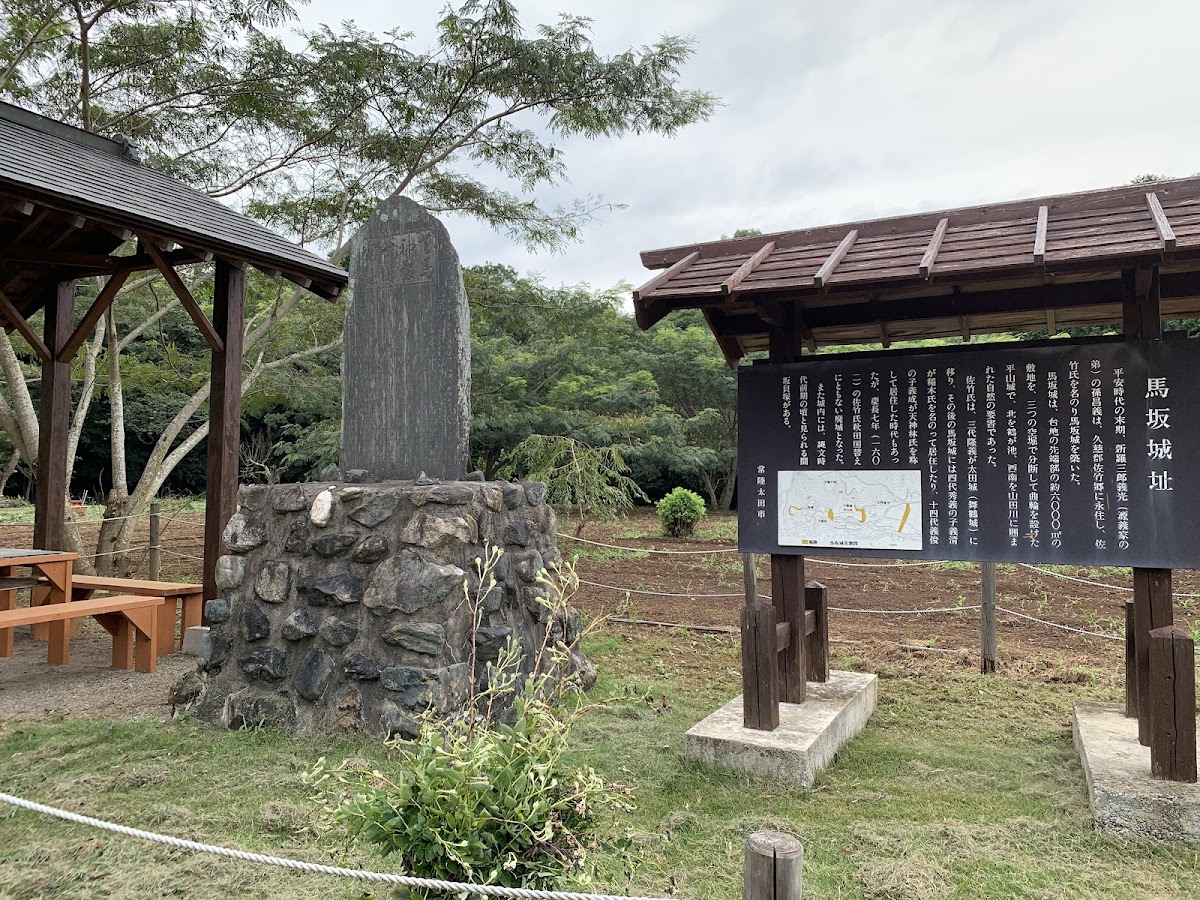
The Nukata Castle Ruins are being maintained by a local preservation society, and information boards have been installed at major points of interest. These boards provide explanations of the castle’s history and structure, making them easy to understand even for first-time visitors.
Walking paths are also maintained, with routes established to visit the main remains. However, some areas have uneven footing, so it is recommended to wear comfortable shoes when visiting.
Related Historical Sites in the Surrounding Area
Near the Nukata Castle Ruins, there are several historical sites related to the Nukata clan and Nukata Castle.
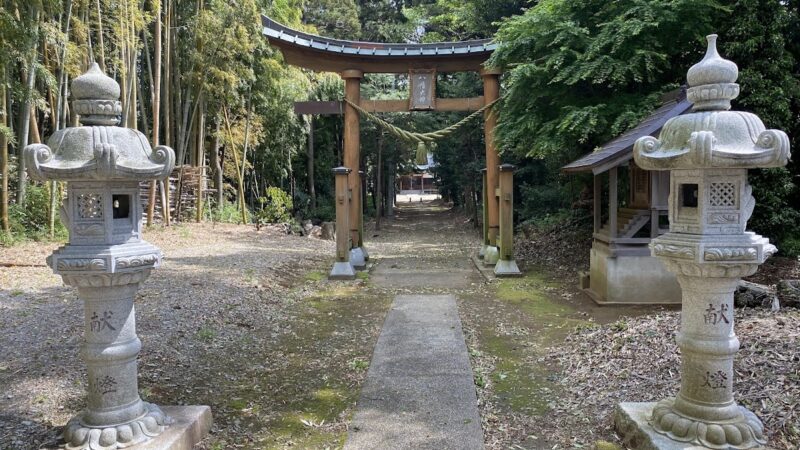
Amida-ji Temple is known as the Nukata clan’s family temple, and its grounds contain historical materials and graves related to the Nukata clan. In spring, the weeping cherry blossoms bloom beautifully, allowing visitors to enjoy both historical sightseeing and cherry blossom viewing.
Birōshana-ji Temple is also an ancient temple in the Nukata area, with deep ties to the Nukata clan. Old stone structures remain on the temple grounds, giving visitors a sense of the medieval atmosphere.
By following this historical walking course, which includes these temples, you can gain a deeper understanding of the history of Nukata Castle and the Nukata clan.
Access and Visiting Information for Nukata Castle
Location and Basic Information
Location: Nukata, Naka City, Ibaraki Prefecture
Castle Classification: Hilltop Castle (Ren-kuruwa style)
Year of Construction: Kenchō era (1249-1256)
Builder: Nukata Yoshinao (Second son of Satake Yoshishige)
Main Lords: Nukata clan, Onozaki clan
Year of Abandonment: Tenshō 19 (1591)
Remains: Enclosures, dry moats, earthworks
Designated Cultural Property: Naka City Designated Historic Site
Access by Car
Using the Jōban Expressway:
- Approximately 10 minutes from Naka IC
- Approximately 10 minutes from Higashi-Mito Road/Naka IC
A dedicated parking lot is available near the castle ruins and is free of charge. It’s about a 5-minute walk from the parking lot to the main enclosure. Entering “Nukata Castle Ruins” or “Nukata, Naka City, Ibaraki Prefecture” into your car navigation system will generally provide accurate directions.
Access by Public Transportation
Using the JR Suigun Line:
- Approximately 25 minutes on foot from Kamisugaya Station, or about 5 minutes by taxi.
- Approximately 25 minutes on foot from Nukata Station.
While access by public transportation is somewhat inconvenient, walking from the station offers a pleasant historical stroll. Along the way, you can see the old townscape and historical sites of the Nukata area.
Notes for Visitors
- Visiting Hours: There are no specific restrictions, but visiting during daylight hours is recommended.
- Admission Fee: Free
- Estimated Time Required: Approximately 30 minutes to 1 hour for the main area, 2 to 3 hours including surrounding historical sites.
- Attire: Comfortable walking shoes, long sleeves and long pants are recommended (insect repellent is also recommended in summer).
- Facilities: Restrooms are located near the parking lot.
- Other: Caution is advised as the ground can become slippery during and after rain.
Best Season for Visiting
Nukata Castle Ruins can be visited throughout the year, but each season has its own unique characteristics.
Spring (Late March to May): The surrounding cherry blossoms are beautiful, and the weeping cherry tree at Amida-ji Temple is a must-see. The fresh greenery is also beautiful, making it an ideal season for a stroll.
Summer (June-August): The lush greenery makes the ruins somewhat difficult to see, but the cool morning hours are pleasant. Insect repellent is essential.
Autumn (September-November): The autumn foliage is beautiful, and the air is clear, making it the most suitable season for exploring the castle ruins.
Winter (December-February): The vegetation withers, making the ruins easiest to see. It’s ideal for castle research purposes, but warm clothing is necessary.
Evaluation of Nukata Castle and Comparison with Other Castles in Ibaraki Prefecture
Positioning within Ibaraki Prefecture
Nukata Castle is one of the top-ranked castle ruins among medieval castles in Ibaraki Prefecture. Along with Obata Castle and Ishigami Castle, also located in Naka City, it is known as one of the “Three Great Castles of Naka City” and is highly regarded among castle enthusiasts.
In particular, the scale and state of preservation of its dry moat are among the best in the prefecture, and it is often recommended as “a castle ruin that you must visit if you want to see castles in Ibaraki Prefecture.”
Importance as a Satake Clan Related Castle
As the base of the Nukata clan, a branch of the Satake clan, a Sengoku daimyo of Hitachi Province, Nukata Castle is an important castle for understanding the Satake clan’s sphere of influence. By visiting it together with Ota Castle (Hitachiota City), the Satake clan’s main base, and its branch castles such as Koba Castle and Ishigami Castle, you can gain a comprehensive understanding of the Satake clan’s castle network and system of control.
Characteristics as a Medieval Castle in the Kanto Region
Nukata Castle is a typical example of the “earthen castles” commonly found in the Kanto region. Although it is a castle constructed only with earthworks and dry moats, without using stone walls, its scale and high level of technical skill represent the pinnacle of castle construction technology in the Kanto region during the Sengoku period.
Compared to other castles in the Kanto region from the same period, such as Sugiyama Castle in Saitama Prefecture and Minowa Castle in Gunma Prefecture, Nukata Castle boasts a comparable scale and structure, making it an important historical site for studying the Sengoku period history of Kanto.
Activities of the Nukata Castle Ruins Preservation Society and Local Initiatives
Nukata Castle Ruins are preserved and utilized by the local “Nukata Castle Ruins Preservation Society.” The society regularly conducts grass cutting and cleaning activities to preserve the remains.
They also install information boards, maintain viewing paths, and support history learning at local elementary schools, continuing their efforts to pass on Nukata Castle Ruins as a regional historical heritage to future generations.
Naka City also positions Nukata Castle Ruins as an important tourist resource and actively promotes it in the city’s tourism brochures and website. Further development and utilization are expected in the future.
Enjoying Nukata Castle Ruins in conjunction with surrounding tourist spots
Other historical sites in Naka City
Naka City has many historical sites besides Nukata Castle.
Naka City Historical and Folk Museum features exhibits on the city’s history, including Nukata Castle, making it ideal for pre-visit preparation and post-visit review.
Shizu Shrine is an ancient shrine known as the second-ranked shrine of Hitachi Province, and is of great historical value. It is located about 15 minutes by car from Nukata Castle.
Cherry Blossom Viewing Spots
Naka City is also known for its cherry blossoms. In the Nukata area, in addition to the weeping cherry trees at Amida-ji Temple mentioned above, the cherry blossoms at Biroshana-ji Temple are also beautiful, allowing you to enjoy both a stroll through the castle ruins and cherry blossom viewing during a spring visit.
Also, Naka City General Sports Park has early-blooming Kawazu cherry blossoms, which can be enjoyed from early March.
Sightseeing in the Mito Area
Naka Castle is about 30 minutes by car from the center of Mito City. It is possible to combine sightseeing in Mito with visits to tourist attractions such as Kairakuen Garden and Kodokan. Considering the history of Nukada Terumichi, who served Tokugawa Yorifusa, the connection to historical sites of the Mito Tokugawa family is particularly interesting.
Summary: The Charm and Value of Visiting Nukada Castle
Nukada Castle (Naka City, Ibaraki Prefecture) is a valuable historical site that preserves some of the highest-level remains of a local powerful family’s castle during the Sengoku period. With its vast castle grounds (equivalent to 22 Tokyo Domes), deep and long dry moats, and well-preserved earthworks, there are plenty of sights to see, making it enjoyable for castle enthusiasts and anyone interested in history.
The history of the Nukada clan, which lasted from the Kamakura period to the Sengoku period, its complex relationship with the Satake clan, its fall due to collusion with Date Masamune, and Nukada Terumichi’s return to Japan and subsequent service to the Tokugawa clan during the Edo period, is a turbulent history that symbolizes the way of life of a local samurai during the transition from the medieval to the early modern period.
Visiting the site will allow you to experience a sense of presence and the spirit of the Sengoku period that cannot be obtained from documents alone. When visiting Ibaraki Prefecture, be sure to visit the ruins of Nukata Castle and experience its magnificent scale and historical significance.
Thanks to the efforts of the local preservation society and Naka City, the remains are well-preserved, and the viewing environment is well-maintained. The fact that it’s free and easy to visit is also one of its attractions. As a destination for historical walks and a hidden gem of Ibaraki Prefecture, Nukata Castle is a wonderful historical site well worth visiting.