Anetai Castle (Iwate Prefecture) Complete Guide | The Mountain Castle of the Anetai Clan, Who Perished in the Kunohe Masazane Rebellion
What is Anetai Castle?
Anetai Castle is a Sengoku period mountain castle located in Anetai, Ichinohe-cho, Ninohe-gun, Iwate Prefecture. Built on a ridge approximately 70 meters high on the right bank of the Mabuchi River, it has a history of fierce battles against the Toyotomi army as a frontline base for the Kunohe army during the Kunohe Masazane Rebellion of 1591. Currently preserved as a designated historical site of Ichinohe Town, it is an important castle ruin in the Tohoku region, with well-preserved remains such as earthworks and dry moats.
Basic Information
Location: Anetai, Ichinohe-cho, Ninohe-gun, Iwate Prefecture
Former Province: Nukabe-gun, Mutsu Province
Castle Structure: Mountain Castle
Construction Period: Unknown (Sengoku period)
Builder: Anetai clan
Main Lords: Anetai clan, Noda clan
Year of Abandonment: Tensho 20 (1592)
Remains: Earthworks, dry moats, baileys
Designated Cultural Property: Ichinohe-cho Designated Historic Site
Elevation: Approximately 250 meters
Relative Height: Approximately 70-80 meters
History of Anetai Castle
Establishment of the Anetai Clan and Construction of the Castle
The Anetai clan was a clan that branched off from the Kunohe clan, a branch of the Nanbu clan. The Anetai clan is said to have originated when Kanemitsu, son of Kunohe Renyasu, acquired Anetai Village in Nukabe District, Mutsu Province, and adopted the name of the village from its local name. While there are no clear records of the castle’s construction date, it is believed that during the Sengoku period, as the Anetai clan expanded its power, they built the castle as their base on a strategic location overlooking the Mabuchi River.
The Anetai clan, as a branch of the Kunohe clan, played a key role in the Kunohe clan’s sphere of influence in the Nukabe region. The castle’s location was strategically important, controlling a crucial transportation hub and serving as a vital base for monitoring both water transport on the Mabuchi River and land routes.
The Kunohe Masazane Rebellion and the Battle of Anetai Castle
The most important event in the history of Anetai Castle is the Kunohe Masazane Rebellion, which erupted in 1591. This rebellion was a large-scale uprising stemming from a conflict between Nanbu Nobunao and Kunohe Masazane, and was suppressed by a large army dispatched by Toyotomi Hideyoshi.
The Anetai clan, as a branch of the Kunohe clan, sided with Kunohe Masazane, and Anetai Castle became the frontline base for the defense of Kunohe Castle. The castle lord, Anetai Daigaku Kaneoki, and his younger brother, Anetai Goro Kanenobu, along with Toda Tateki, led 230 soldiers into the castle during the siege.
The Toyotomi forces, led by Gamo Ujisato, numbered an overwhelming 28,000. Despite a more than 100-to-1 numerical disadvantage (230 against 28,000), the Anetai forces fought bravely. It is said that women within the castle, such as Anetai Daigaku’s wife, Otaki no Mae, a renowned master of the naginata (a type of Japanese pole weapon), and Koyano, a master of bojutsu (a type of stick fighting), also participated in the battle.
On August 24th, 1591 (Tensho 19), Anetai Castle finally fell in the face of overwhelming odds. It is said that most of the family and retainers, including Anetai Daigaku Kaneoki, were killed in battle. Approximately 10 days after the fall of Anetai Castle, on September 4th, the main base, Kunohe Castle, also fell, bringing the Kunohe Masazane Rebellion to an end.
Anetai Castle After its Fall
After the fall of Anetai Castle, the Noda clan, a branch of the Ichinohe Nanbu clan, took control of the castle. However, the “Record of Castle Demolition” from 1592 (Tensho 20) states, “Anetai Mountain Castle, Demolition, Noda Jingoro’s Share,” confirming that the castle was demolished (abandoned) shortly after the end of the rebellion.
This demolition is thought to have been part of the Toyotomi regime’s policy of streamlining castles in the Tohoku region. Castles involved in the Kunohe Masazane Rebellion were thoroughly demolished to prevent them from becoming bases for further rebellion.
Layout and Structure of Anetai Castle
Overall Structure
Anetai Castle is a mountain castle measuring approximately 250 meters east-west and 100-130 meters north-south. The castle is broadly composed of two main enclosures (kuruwa) on the east and west sides, with several smaller enclosures arranged around them.
Eastern Enclosure (Main Enclosure): Approximately 120 meters x 100 meters
Western Enclosure (Second Enclosure): Approximately 130 meters x 60 meters
The southern side of the castle grounds faces the Mabuchi River, with a cliff exceeding 50 meters, forming a natural stronghold. The northern side is also a naturally steep slope, and the castle is built on a ridge extending east-west, a typical mountain castle structure.
Characteristics of Defensive Facilities
Anetai Castle’s defensive system was robust, skillfully utilizing the terrain.
Dry Moat: A double dry moat was constructed at the eastern edge of the castle grounds, cutting off the ridge and preventing enemy intrusion. A large dry moat, approximately 20 meters deep and 20 meters wide, was also dug between the western and eastern enclosures, making it one of the largest defensive structures within the castle.
Earthwork: Earthworks 2-3 meters high were constructed in combination with the dry moats, demarcating the enclosures and enhancing defensive capabilities. These earthworks remain remarkably well-preserved, providing valuable insights into castle construction techniques of the Sengoku period.
Dry Moat: Multiple dry moats cutting across the ridge served to hinder enemy advances.
Traces of the Castle Town
Place names such as “Monzen” (gate) and “Baba” (horse riding ground) remain at the foot of the castle, conveying the appearance of the former castle town. The area in front of the gate is believed to be where the castle’s main gate stood, and the horse training ground is thought to have been a place for training warhorses and practicing martial arts. This suggests that a samurai settlement centered around the castle was formed.
Highlights of Anetai Castle
West Enclosure (Park Area)
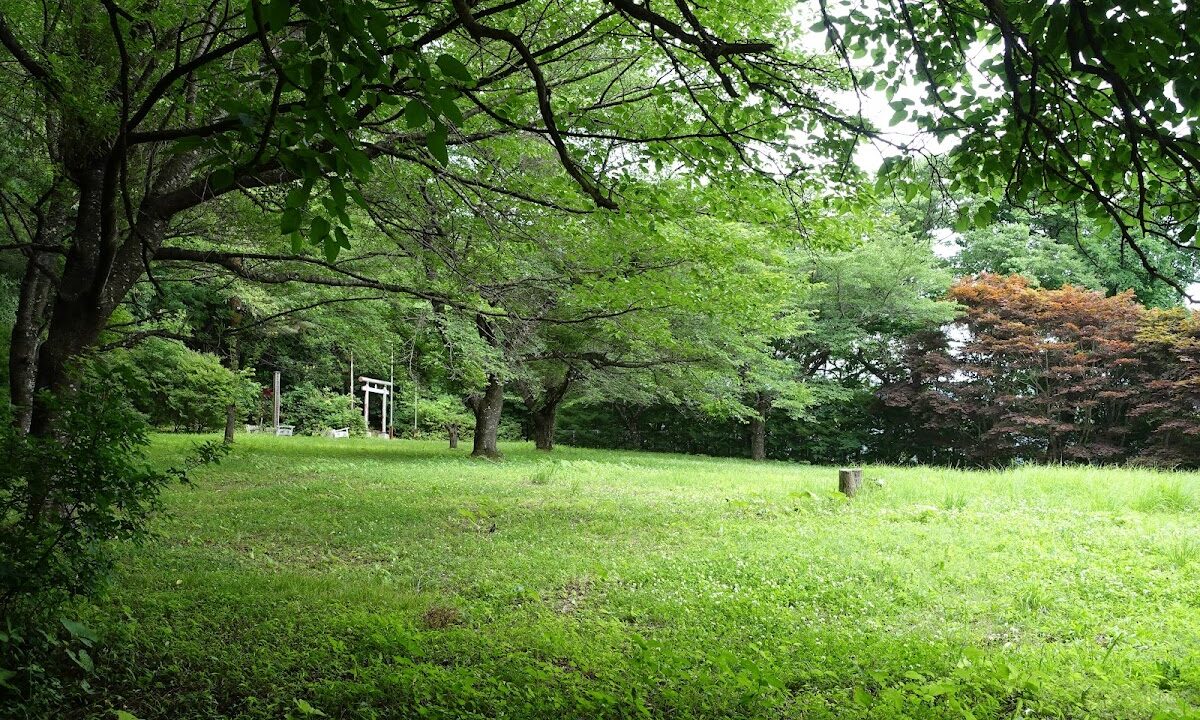
Currently, the West Enclosure is maintained as a park, making it the most easily accessible area for visitors. With grassy areas and walking paths, visitors can stroll around and experience the scale of the castle.
The traces of earthworks remain clearly visible around the enclosure, making it an excellent learning field for understanding the structure of castles from the Sengoku period. Well-maintained information boards are also installed, allowing visitors to learn in detail about the history of Anetai Castle and the Kunohe Masazane Rebellion.
Large Moat
The large moat, located between the West and East Enclosures, is the most impressive feature of Anetai Castle. Its depth of approximately 20 meters and width of approximately 20 meters make it one of the largest among mountain castles in the Tohoku region, demonstrating the castle’s high level of defense.
The sheer cliffs on both sides, viewed from the bottom of the moat, are breathtaking, showcasing the advanced castle-building techniques of the time and the determination of the Anetai clan to defend this castle.
East Enclosure (Main Enclosure)
The East Enclosure is considered the main enclosure and boasts a vast area of approximately 120 meters by 100 meters. Unlike the West Enclosure, this area remains a forest and is overgrown due to its lack of development.
While caution is necessary when visiting, it offers a more primitive castle atmosphere. From the main enclosure, you can enjoy a panoramic view of the Mabuchi River and the surrounding terrain, realizing the castle’s strategic importance as a key transportation point.
View from the Cliff
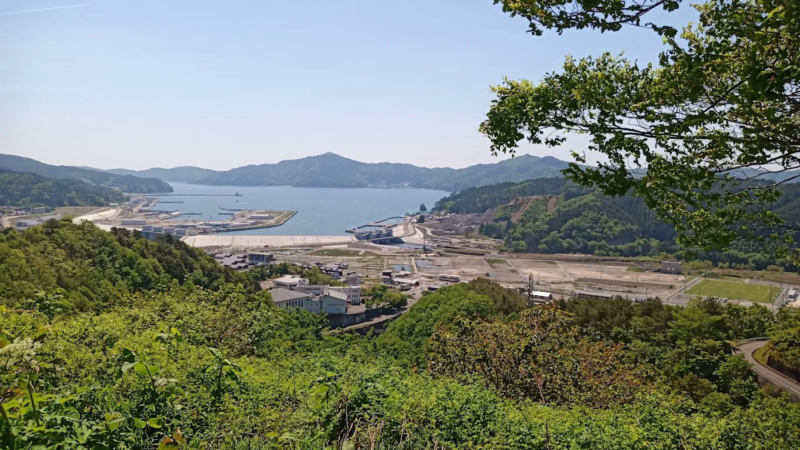
The south side of the castle faces a cliff over 50 meters high overlooking the Mabuchi River, offering a magnificent view. The Mabuchi River flowing below and the surrounding rural landscape convey the unchanging beauty of nature since the Sengoku period.
This cliff serves as a natural fortress, allowing us to understand why a castle was built in this location.
The Anetai Clan and the Kunohe Masazane Rebellion
Profiles of the Anetai Clan
Anetai Daigaku Kaneoki is recorded as one of the bravest warriors in the Kunohe Masazane Rebellion. His bravery in facing a Toyotomi army of 28,000 with only 230 men became a legend of heroism passed down through generations.
His younger brother, Anetai Goro Kanenobu, also fought alongside him, demonstrating the strong unity of the Anetai clan. Furthermore, Anetai Daigaku’s wife, Kotaki no Mae, was known as a master of the naginata (a type of Japanese pole weapon) and is said to have fought alongside men within the castle. A man named Koyano is also said to have participated in the battle as a master of stick fighting, but details are unknown.
Background of the Kunohe Masazane Rebellion
The Kunohe Masazane Rebellion was rooted in a power struggle within the Nanbu clan. When Nanbu Nobunao was recognized by Toyotomi Hideyoshi as the head of the Nanbu clan, Kunohe Masazane rebelled against Nobunao’s appointment, believing him to be inferior in ability.
Kunohe Masazane wielded considerable power in the Nukabe region, and many of his relatives and local lords, including the Anetai clan, sided with him. However, Toyotomi Hideyoshi dispatched formidable generals such as Gamo Ujisato, Asano Nagamasa, and Ishida Mitsunari, launching a crushing attack with overwhelming force.
The Battle of Anetai Castle is considered a prelude to this large-scale suppression operation. Before capturing Kunohe Castle, the Toyotomi army adopted a strategy of successively capturing surrounding subsidiary castles, and Anetai Castle became one of their targets.
Impact of the Rebellion
With the suppression of Kunohe Masazane’s rebellion, the Sengoku period in the Nukabe region came to an end. Many of the Kunohe-aligned lords, including the Anetai clan, were annihilated, and Nanbu Nobunao’s rule was established.
The demolition of Anetai Castle was a symbolic event in the Toyotomi regime’s control over the Tohoku region. It is believed that the intention was to prevent the castle from becoming a base for further rebellion and to demonstrate the authority of the Toyotomi regime.
Current Status of Anetai Castle Ruins
Preservation Status as a Historic Site
Anetai Castle Ruins are protected as a designated historical site of Ichinohe Town and are recognized as an important historical heritage. A park is being developed, centered around the Nishino-kuruwa (Western Enclosure), and it is also used as a place of relaxation for local residents.
Major remains such as earthworks and dry moats are well preserved, making it a valuable field for learning about the structure of mountain castles from the Sengoku period. Information boards and explanatory signs have been installed to make it easier for visitors to understand the history.
Development Status
The Nishino-kuruwa has been planted with grass and has walking paths, making it easy to stroll around. Parking is also available, allowing access by car.
On the other hand, the Higashino-kuruwa (Eastern Enclosure) is undeveloped, so caution is required when visiting. Due to the overgrown vegetation, appropriate equipment and preparation are necessary. However, this area is attractive to castle enthusiasts who want to experience the atmosphere of a more primitive castle.
Access Methods
Access by Car
From Ichinohe IC on the Tohoku Expressway: Approximately 15 minutes
From National Route 4: Approximately 20 minutes via Ichinohe town center
There is parking space near the castle ruins, making access by car convenient. However, it is recommended to check in advance as passage of large vehicles may be difficult.
Access by Public Transportation
From Ichinohe Station on the IGR Iwate Galaxy Railway: Approximately 15 minutes by taxi
Route Bus: Since the number of buses is limited, it is recommended to check the timetable in advance.
Public transportation access is somewhat inconvenient, so it is advisable to consider renting a car or arranging a sightseeing taxi.
Notes for Visitors
- The Higashi-no-Kuruwa (Eastern Enclosure) is undeveloped, so it is recommended to wear long-sleeved shirts, long pants, and hiking boots when visiting.
- Due to the dense undergrowth in summer, spring and autumn are the best times to visit.
- Due to snow in winter, caution is necessary when visiting.
- Please use the information boards and explanatory signs to ensure a safe visit.
- Please be careful not to damage the remains in order to protect the historical site.
Nearby Tourist Attractions
Kunohe Castle Ruins
Located approximately 15 kilometers northeast of Anetai Castle, Kunohe Castle Ruins is a nationally designated historical site known as the base of operations for Kunohe Masazane. It was the site of the final battle of the Kunohe Masazane Rebellion, and visiting both Anetai Castle and Kunohe Masazane Castle will provide a better understanding of the rebellion as a whole.
Ichinohe Town Historical and Folk Museum
This museum introduces the history and culture of Ichinohe Town and also features exhibits on Anetai Castle and the Kunohe Masazane Rebellion. Visiting before visiting the castle ruins will provide a deeper understanding.
Goshono Site
This is a large-scale settlement site from the middle Jomon period and one of the constituent sites of the World Heritage Site “Jomon Archaeological Sites in Hokkaido and Northern Tohoku.” It allows visitors to experience the flow of history from ancient times to the Sengoku period in Ichinohe Town.
Cultural Value of Anetai Castle
Position in Castle History
Anetai Castle occupies an important position in castle history research as a typical example of a mountain castle from the late Sengoku period in the Tohoku region. As a castle directly linked to the historical event of the Kunohe Masazane Rebellion, research is progressing from both documentary sources and archaeological remains.
It is also listed in Volume 2 of the “Comprehensive Survey of Japanese Castles” (Aomori, Iwate, Akita), and is a castle site recognized academically.
Preservation and Utilization
Ichinohe Town positions the Anetai Castle site as an important regional historical resource and is promoting its preservation and utilization. The development through park creation can be evaluated as an attempt to balance historical site protection with use by local residents.
Further research, studies, and development are expected to lead to a wider recognition of the historical value of Anetai Castle.
Summary
Anetai Castle is a mountain castle from the Sengoku period located in Ichinohe Town, Iwate Prefecture. It is a historical site where fierce battles were fought against the Toyotomi army during the Kunohe Masazane Rebellion. The brave battle in which 230 soldiers, led by Anetai Daigaku Kaneoki, faced an army of 28,000 is still recounted today.
Built on a cliff overlooking the Mabuchi River, the castle retains well-preserved remains such as earthworks and dry moats, making it a valuable site for learning about the structure of Sengoku period mountain castles. In particular, the large moat between the West and East baileys is one of the largest in the Tohoku region and a must-see historical site.
Protected as a designated historical site by Ichinohe Town and developed into a park, the Anetai Castle ruins are a place enjoyed not only by history buffs but also by local residents. Visiting both the Kunohe Castle ruins and Anetai Castle will give you a complete understanding of the Kunohe Masazane Rebellion.
For those interested in the Sengoku period history of the Tohoku region, and those who enjoy exploring mountain castles, Anetai Castle is a must-see historical site. Please visit Anetai Castle, where you can feel the romance of Sengoku history along with the beautiful scenery of the Mabuchi River.