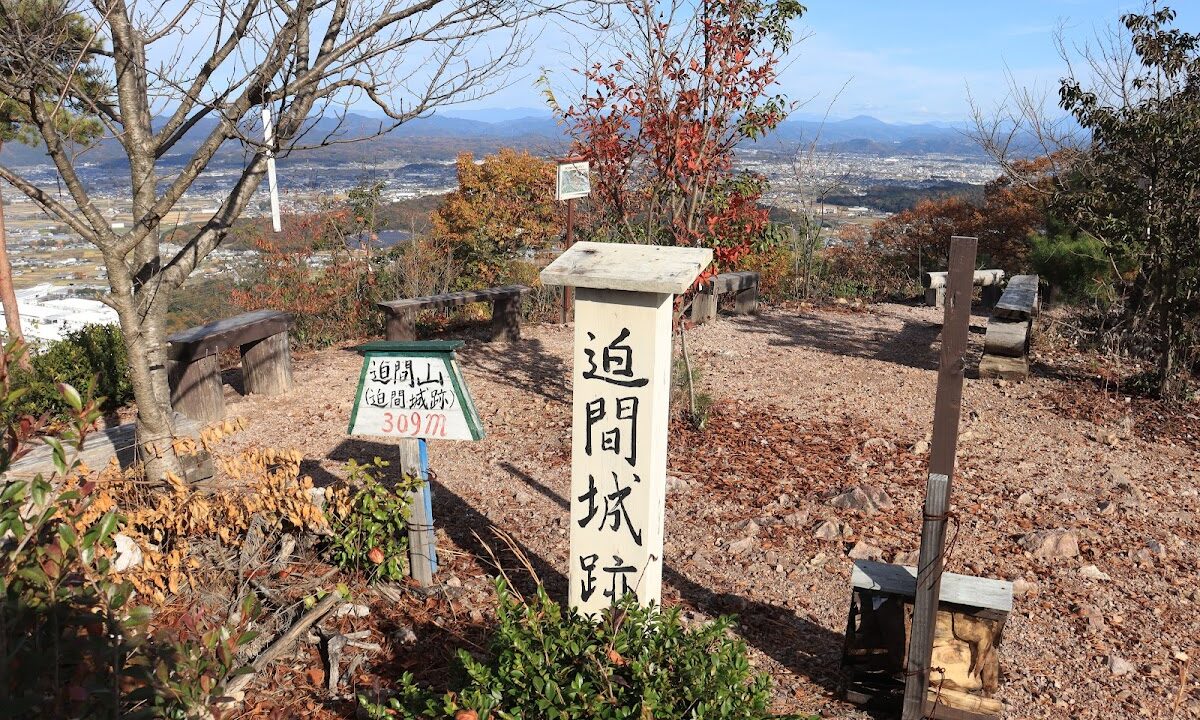
A Thorough Explanation of the History and Highlights of Hasama Castle (Seki City, Gifu Prefecture) | The Charm of the Oshima Clan’s Residence and Remains
Hasama Castle, located in Hasama, Seki City, Gifu Prefecture, is a mountain castle known as the residence of the Oshima clan, who ruled this area from the Sengoku period to the Edo period. Remains such as moats still exist today, preserving the castle’s appearance. This article provides a detailed explanation of Hasama Castle’s historical background, the lineage of the Oshima clan who ruled the castle, details of the existing remains, and access information for visitors.
Overview and Location of Hasama Castle
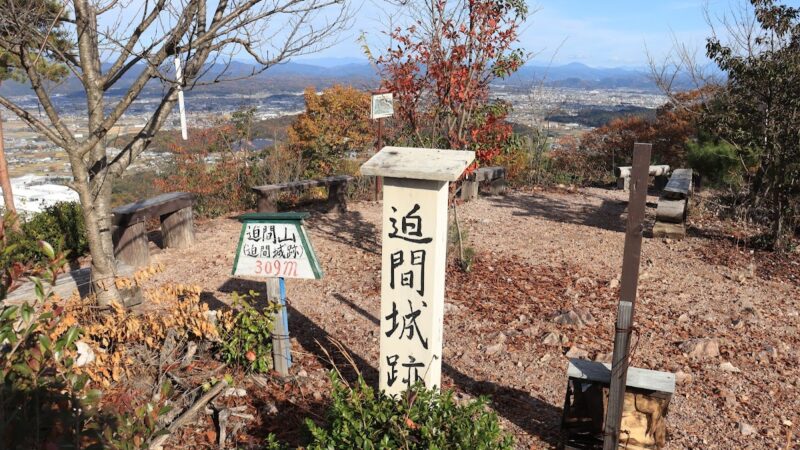
Hasama Castle is a medieval mountain castle built on Mount Hasama in Hasama, Seki City, Gifu Prefecture. Located near the summit at an altitude of approximately 300 meters, it was built in a strategic location overlooking the Kiso River basin. This location held significant strategic value for monitoring the transportation route connecting Mino Province and Hida Province, and for controlling water transport on the Kiso River.
Although relatively small in scale, the castle is characterized by its defensive structures that cleverly utilize the terrain. Currently, the castle ruins extend across an area including the grounds of the Hakama Fudo-son temple, and are also developed as hiking and mountaineering trails.
Castle Location and Strategic Value
The location of Hakama Castle had the following strategic significance:
- Monitoring the Kiso River: Situated on high ground overlooking the transportation routes along the Kiso River
- Border between Mino and Hida Provinces: Located near the point of contact between the two provinces, it played a role in border security
- Utilization of Mountainous Terrain: A natural stronghold utilizing the steep terrain
- Securing Water Sources: An environment where mountain spring water could be used
From the medieval to the early modern period, this region functioned as an important transportation hub within Mino Province, and Hakama Castle served as its base of operations.
History of Hakama Castle and its Lord, the Oshima Clan
The history of Hakama Castle is closely intertwined with the history of its lord, the Oshima clan. The Oshima clan, as local lords of Mino Province, ruled this region for a long period.
The Origins and Genealogy of the Oshima Clan
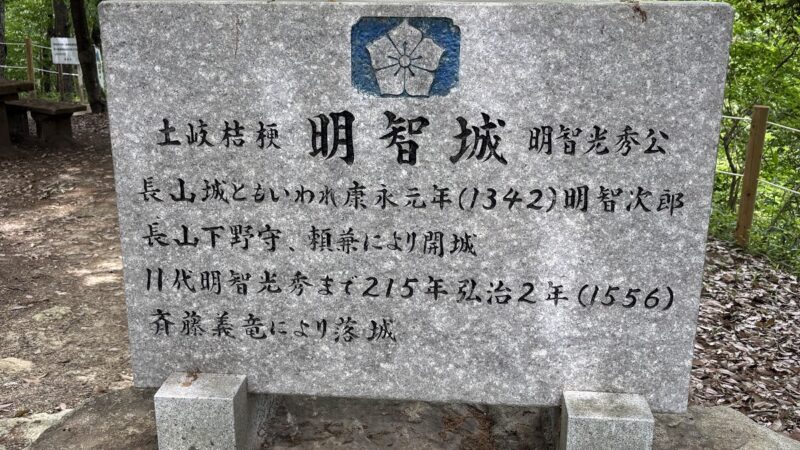
There are various theories regarding the origins of the Oshima clan, but they are generally believed to have been a family of powerful local lords within Mino Province. In particular, the name of Oshima Mitsutoshi appears in historical records, and it is known that he had Sakama Castle as his residence.
The Oshima clan maintained their power through skillful diplomacy even during the turbulent Sengoku period. When Oda Nobunaga pacified Mino, the Oshima clan’s territory was secured by their submission to the Oda family, and they continued to exist as hatamoto (direct retainers of the shogun) throughout the Edo period.
Sakama Castle in the Sengoku Period
During the Sengoku period, Mino Province came under the control of powerful daimyo such as Saito Dosan and Oda Nobunaga. However, the small local lords in the surrounding area, including Sakama Castle, continued to control their region while still following the ruling powers of the time.
The Oshima clan was no exception; during Oda Nobunaga’s invasion of Mino Province, they sided with the Oda, and are believed to have cooperated in Nobunaga’s subsequent unification of Japan. This flexible approach is one of the factors that allowed the Oshima clan to maintain their family name until the Edo period.
The Oshima Clan and Sakama Castle in the Edo Period
In the Edo period, the Oshima clan was appointed as hatamoto (direct retainers) of the Tokugawa shogunate. This was a rare case for a local lord who had survived the Sengoku period, demonstrating the Oshima clan’s high level of political skill.
As hatamoto, the Oshima clan was granted fiefs around Sakama and continued to exist throughout the Edo period. During this time, Sakama Castle is thought to have lost its military function and transformed into a more garrison-like structure. While many castles were abandoned due to the Edo shogunate’s “One Castle Per Province” decree, Sakama Castle also lost its function as a formal castle, but its role as the Oshima clan’s base continued.
Structure and Layout of Sakama Castle
Sakama Castle possesses the typical structure of a medieval mountain castle, characterized by a layout that skillfully utilizes the terrain. Despite its small size, the necessary defensive facilities are efficiently arranged.
Major Remains
The major remains that can currently be confirmed at the Sakama Castle site include the following:
Moats (Horikiri)
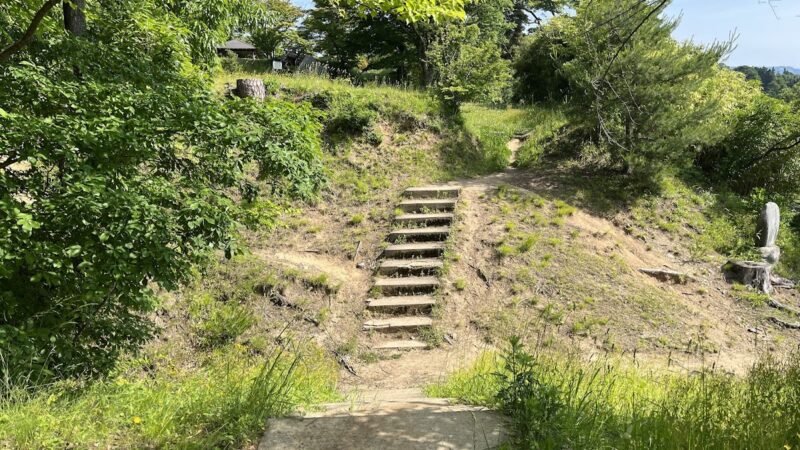
The most clearly preserved remains at Sakama Castle are the moats. A moat is a dry ditch dug to cut across a ridge, an important defensive structure to prevent enemy intrusion. The moats at Sakama Castle are positioned to separate the mountaintop from the foot of the mountain, and their shape can still be clearly seen today.
The depth varies depending on the location, but in the deepest parts it reaches several meters, demonstrating the high level of civil engineering technology at the time. Traces of earthworks can also be seen on both sides of the moats, indicating that the defensive capabilities were further enhanced.
Enclosures (Kuruwa)
Several flat areas can be confirmed in the central part of the castle, and these are thought to be the remains of facilities called enclosures (kuruwa). The main enclosure (equivalent to the main keep) was located near the mountaintop, with multiple smaller enclosures arranged in stages downwards from there.
Each enclosure was small in scale, making it unlikely that large buildings stood there. However, it is presumed that they functioned as watchtowers, soldiers’ quarters, and storage areas for supplies.
Earthworks and Cut Slopes
Partial traces of earthworks remain around the enclosures. Furthermore, cut slopes—steep, artificially carved slopes—can also be observed, demonstrating various defensive measures.
Characteristics of the Castle Layout
The layout of Sakama Castle has the following characteristics:
- Consecutive Enclosure Arrangement: Multiple enclosures are arranged along the ridge from the main enclosure.
- Utilization of Natural Terrain: Steep slopes are used directly as defensive lines.
- Demarcation by Moats: Moats are strategically placed to clearly define defensive zones.
- Compact Design: Despite being a small castle, it boasts an efficient defensive layout.
These characteristics are typical of castles built by local lords in the medieval period, demonstrating an effort to achieve maximum defensive effectiveness with limited resources.
Highlights of Sakama Castle and the Charm of the Castle Ruins
This section introduces the highlights of Sakama Castle from both the perspective of the castle ruins and the surrounding environment.
Highlights as Ruins
Clearly Remaining Moats
The greatest highlight of Sakama Castle is the well-preserved moats. Although covered by trees, their shape, cutting across the ridge, is clear, making them a valuable part of the castle ruins. The terrain clearly changes before and after the moat, allowing you to appreciate its function as a defensive structure.
Arrangement of the Enclosures
The tiered arrangement of the multiple enclosures is important for understanding the ingenuity of the castle’s layout at the time. Walking around each enclosure allows you to grasp the overall layout of the castle.
Views
From near the summit, you can overlook the Kiso River basin, giving you a real sense of why this castle was built in this location. On a clear day, you can see distant mountains, highlighting its strategic value.
Relationship with Hakama Fudo-son
The entrance to Hakama Castle is located at Hakama Fudo-son. Hakama Fudo-son is an ancient shrine believed to have been founded around the 8th century, and is revered locally as a god of matchmaking and business prosperity.
Hakama Mountain, where the Fudo-son is located, and its surroundings are developed as walking trails, making it a popular spot for hikers and mountain climbers. In spring, the “Fire Walking Ritual” is held, and in autumn, the “Goma Fire Ritual” takes place, attracting many visitors.
Combining a tour of the castle ruins with a visit to the shrine will make for a more fulfilling visit.
Nature in Every Season
Hakama Castle Ruins are located in a rich natural environment, allowing visitors to enjoy the scenery of each season:
- Spring: Beautiful with fresh greenery and mountain cherry blossoms; especially lively during the Fire Walking Ritual.
- Summer: Surrounded by deep greenery, perfect for a refreshing hike.
- Autumn: Autumn leaves color the mountains; a solemn atmosphere during the Goma Fire Ritual.
- Winter: The shape of the ruins can be observed more clearly due to the fallen leaves.
Access and Visiting Guide to Hakama Castle
Detailed access information and points to note when visiting Hakama Castle are provided.
Access Methods
Access by Car
Hakama Fudo-son has a parking lot, making access by car convenient.
- Tokai-Hokuriku Expressway: Approximately 15-20 minutes from Mino IC or Seki IC
- National Route 248: Head north from Seki city center, follow the signs
- Parking: Use the parking lot for visitors to Sakama Fudoson (free)
Access by Public Transportation
Public transportation access is limited:
- JR Takayama Line: Get off at Mino-Ota Station, approximately 20 minutes by taxi
- Nagaragawa Railway: Get off at Seki Station, take a taxi or bus
Since public transportation is limited, it is recommended to check the timetable in advance.
Castle Ascent Route
Castle Ascent Route Starting from Hakama Fudo-son Temple:
- Hakama Fudo-son Temple Parking Lot: Begin your ascent on foot from here.
- Approach Path: Proceed along the approach path to the temple (approximately 5 minutes).
- Fork in the Road: Follow the signs to the castle ruins.
- Mountain Trail: Climb the well-maintained walking path (approximately 15-20 minutes).
- Castle Ruins: View the remains such as moats and baileys.
The round trip to the castle takes approximately 1 hour. Those who are not confident in their physical fitness are advised to climb slowly and take their time.
Points to Note When Visiting
- Clothing: Since you will be walking on mountain trails, athletic shoes or trekking shoes are essential.
- Season: Insect repellent in summer, and warm clothing in winter.
- Drinking Water: There are no vending machines in the mountains, so bring your own.
- Rainy Weather: Be careful as the ground can become slippery.
- Opening Hours: Visiting Hakama Fudo-son is generally best done during the day; avoid early mornings and late nights.
Estimated Visit Time
- Visiting Fudo-son Only: Approximately 30 minutes
- Including Castle Ruins Visit: 1 hour 30 minutes to 2 hours
- Thorough Visit: 2 hours or more
If you plan to take photographs or closely observe the ruins, we recommend planning with ample time.
Nearby Tourist Spots and Related Castle Ruins
Here are some nearby spots you might want to visit in conjunction with your visit to Hakama Castle.
Nearby Castles
Sarubami Castle
Located relatively close to Sakama Castle, Sarubami Castle is a mountain castle built on a strategic point along the Kiso River. During the Sengoku period, it was a frontline castle where the forces of Oda Nobunaga and Takeda Shingen clashed. Visiting both Sakama Castle and Seki Castle will provide a deeper understanding of the characteristics of castles in this region.
Seki Castle
A flatland castle located in the center of Seki City, it has few remaining structures today, but it is an important castle site for understanding the history of Seki City.
Nearby Tourist Facilities
Seki City’s Cutlery Industry
Seki City is known as one of Japan’s leading cutlery production areas. You can learn about the history and manufacturing techniques of cutlery at facilities such as the Seki Blacksmithing Tradition Museum.
Kiso River Scenery
The Kiso River, visible from Sakama Castle, forms a scenic area known as the Japan Rhine. River cruises and sightseeing boats are also available.
Accommodation
The following accommodations are available in the surrounding area:
- Business hotels in Seki City: Affordable accommodations available
- Ryokans along the Kiso River: Hot spring inns with scenic views, such as Hasshokaku and Shunjuan
- Around Mino-Ota: Conveniently located near the JR station, making it easy for those using public transportation
Historical Significance and Evaluation of Sakama Castle
Sakama Castle is not a large-scale castle, but it holds significant historical importance as a castle of a local lord and as the base of the Oshima clan, which survived until the Edo period.
Value as a Castle of a Local Lord
Sakama Castle is a valuable example of how local lords built castles and survived during the Sengoku period. While it is a simple mountain castle without large stone walls or a keep, its layout, which skillfully utilizes the terrain, demonstrates some of the castle-building techniques of the time.
The Survival of the Oshima Clan and Sakama Castle
The fact that the Oshima clan survived the turmoil of the Sengoku period and maintained their family name until the Edo period is noteworthy. While many local lords perished in the turmoil of the Sengoku period or were dispossessed of their domains during the Edo period, the fact that the Oshima clan survived as hatamoto (direct retainers of the shogun) demonstrates their skillful diplomacy and solid control over the region.
Hakama Castle, as the base of the Oshima clan, is an important historical site that tells the story of the family’s history.
Preservation and Utilization in Modern Times
Currently, the Hakama Castle ruins are recognized as a local historical heritage site and are utilized as a hiking course in conjunction with the development of Hakama Fudoson Temple. The remains are well-preserved, and the moats, in particular, remain clearly visible, making them valuable resources for castle research.
Utilization as a resource for local history education and tourism is also progressing, making it an important spot that conveys the history of Seki City.
For Castle Fans Visiting Hakama Castle
Hakama Castle may not be flashy, but it is a valuable castle site where you can learn about the basic structure of a medieval mountain castle. This site is especially recommended for the following people:
- Those interested in medieval mountain castles: Basic remains such as moats are well-preserved.
- Those touring castles in Gifu Prefecture: Visit in conjunction with famous castles such as Gifu Castle and Iwamura Castle.
- Those interested in the history of local powerful families: Learn about regional rule during the Sengoku period through the history of the Oshima clan.
- Those who want to combine hiking and castle ruins: Enjoy moderate exercise and historical exploration at the same time.
Points to keep in mind when visiting
When visiting Sakama Castle, keeping the following points in mind will make your visit more fulfilling:
- Prior study: Learn about the history of the Oshima clan and basic knowledge of medieval mountain castles.
- Bring a castle layout map: You can understand the structure of the castle while you visit.
- Photography: Record the shape of moats and baileys.
- Comparison with surrounding castles: Comparing it with nearby castles such as Sarutake Castle will deepen your understanding.
- Local History: Understanding the Historical Background of Seki City and the Kiso River Basin
Summary: The Charm of Sakama Castle and the Significance of Visiting
Sakama Castle in Seki City, Gifu Prefecture, was a mountain castle that served as the residence of the Oshima clan and was central to the region from the Sengoku period to the Edo period. Although small in scale, the remains, such as moats, are well-preserved, making it a valuable historical site for learning about the structure of medieval mountain castles.
The climbing route starting from Sakama Fudōson is well-maintained and relatively easy to access. The view from the castle ruins is magnificent, allowing you to appreciate its strategic location in the Kiso River basin.
The historical fact that the Oshima clan survived as hatamoto (direct retainers of the shogun) until the Edo period speaks to the importance of this castle and the family. While not flashy, it is a castle ruin worth visiting as a local lord’s castle and an important historical site for learning about regional history.
If you are planning a castle tour in Gifu Prefecture or are interested in medieval mountain castles, please visit Sakama Castle and experience the charm of its history and remains. Combined with the beauty of nature throughout the seasons, this will surely be a fulfilling historical exploration.