Ono Jinya (Hyogo Prefecture) Complete Guide: The Complete History and Site of the Ichiyanagi Clan’s 10,000-Koku Domain Office
What is Ono Jinya?
Ono Jinya was an Edo period administrative office located in Nishihonmachi, Ono City, Hyogo Prefecture (formerly Kato District, Harima Province), and served as the administrative center of the Ono Domain. Built in 1653 by the second lord, Ichiyanagi Naotsugu, it served as the residence of the Ichiyanagi clan, a 10,000-koku domain, until the Meiji Restoration.
Currently, the site of the Jinya is occupied by Ono Municipal Ono Elementary School, Hyogo Prefectural Ono High School, and Ono Municipal Kokokan Museum. While no original buildings remain, traces of the past can still be seen in the topography and ponds.
Basic Information on Ono Jinya
- Location: Nishihonmachi, Ono City, Hyogo Prefecture
- Year of Construction: 1653 (Shoo 2)
- Builder: Ichiyanagi Naotsugu (2nd Lord of Ono Domain)
- Year of Abandonment: Early Meiji Period
- Remains: Topography, Pond (Moat Remains), Stone Monument
- Designated Cultural Property: Recorded as the Ono Domain Jinya Ruins
History of Ono Jinya
The Establishment of the Ichiyanagi Family and the Beginning of the Ono Domain
Ichiyanagi Naoie, the founder of the Ono Domain, was originally a daimyo with territory in Kawanoe, Iyo Province (present-day Shikokuchuo City, Ehime Prefecture). However, when Naoie died in 1651 (Keian 4), his successor, Ichiyanagi Naotsugu, was an adopted son at the end of his life, which violated the shogunate’s ban on adopting sons at the end of their lives.
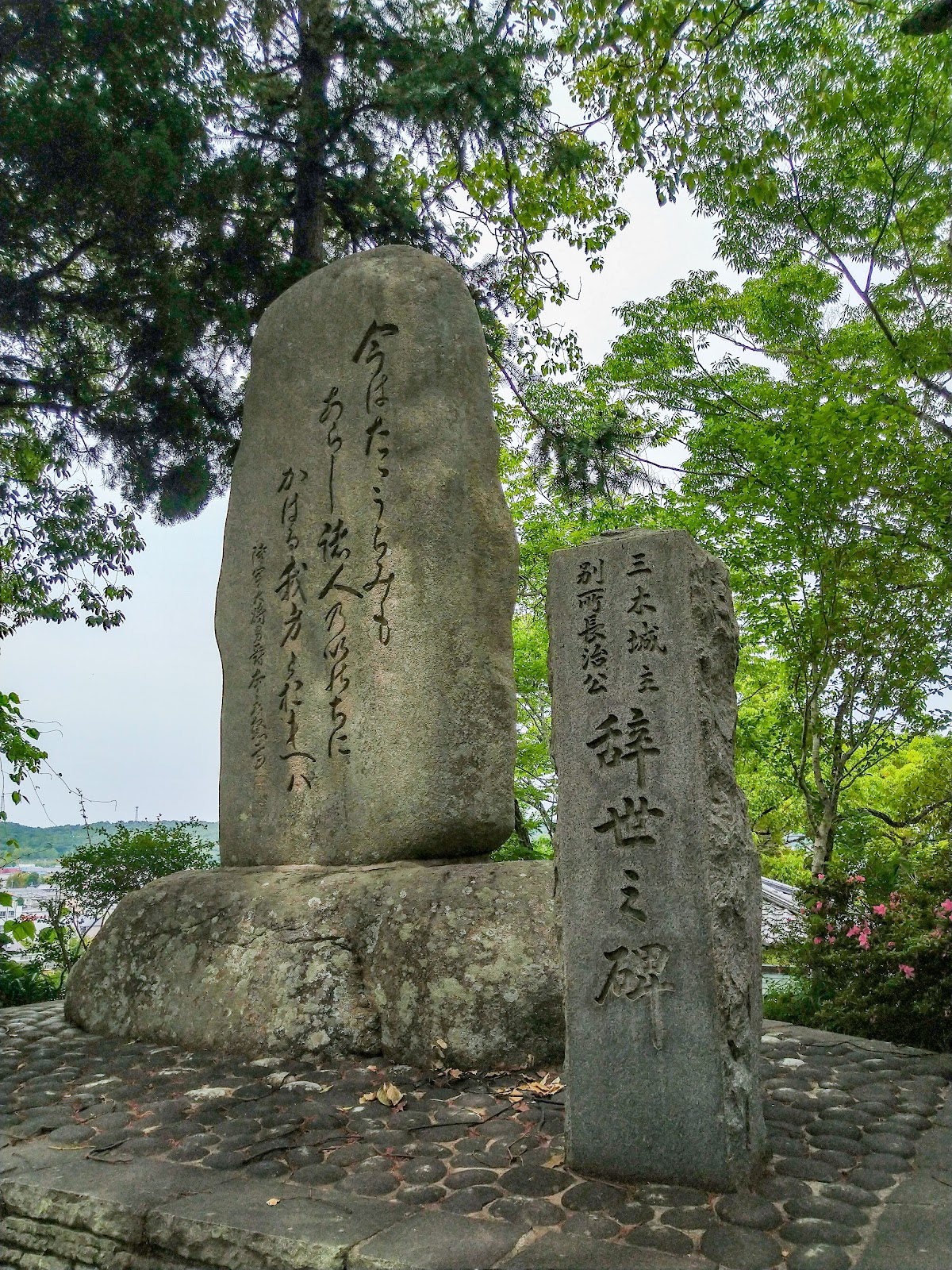
As a result, the territory of Iyo-Kawanoe was confiscated, and Naotsugu’s domain was drastically reduced to 10,000 koku in Ono, Harima Province. Naotsugu was born the second son of Koide Yoshichika, the lord of Sonobe Domain, and had been adopted by Ichiyanagi Naoie. This harsh punishment forced the Ichiyanagi family to start anew in their new home, Ono, Harima.
Construction and Relocation of the Jinya (Fortified Residence)
Initially, when the Ono Domain was established, the domain’s administrative office was located at a place called the Shikiji Jinya. However, in 1653, Ichiyanagi Naotsugu, the second lord of the domain, built a new Jinya in the current location, which was more suitable for defense, and moved the administrative office there.
This new Jinya cleverly utilized the topography of the edge of a terrace, possessing natural defensive lines of cliffs to the south and west, and three ponds (including Karimata Pond) on the east side that served as moats, thus functioning as a natural stronghold.
The Development of the Ono Domain and the Rule of the Ichiyanagi Clan
The Ono Domain was a small domain with a 10,000 koku (unit of rice production) yield, but the Ichiyanagi clan ruled this land for generations. Within the domain’s headquarters were the “Kōkaichō” (official administrative office) where domain affairs were conducted, a group of palaces including the “Otemaru Goten,” “Goinden,” and “Onishi Goten” (residences of the lord), and an armory.
North of the domain’s headquarters, on the site of the current Ono High School, were the domain school “Kiseikan,” a rice storehouse, and a martial arts training hall, functioning as a place for education and military training. To the east, samurai residences lined the streets, forming a castle town landscape, as can be seen from the “Ichiyanagi Family Castle Town Map” created during the Meiji era.
From the End of the Edo Period to the Meiji Restoration
The Ono Domain survived the turbulent period of the late Edo period and then the Meiji Restoration. With the abolition of the feudal domains in 1871 (Meiji 4), the Ono Domain was abolished, and the domain’s headquarters ceased to function. Later, the jinya (fortified residence) buildings were demolished, and public facilities such as schools were constructed on the site.
The Ichiyanagi family continued as a noble family, and their connection to Ono continues to this day. The Ono City Kokokan Museum houses items related to the Ichiyanagi family, including valuable cultural artifacts such as a yellow brocade garment with peony, lotus, and arabesque patterns, said to have been bestowed by Toyotomi Hideyoshi.
Structure and Layout of the Ono Jinya
Location Utilizing Natural Fortifications
The most distinctive feature of the Ono Jinya is its location, which makes maximum use of the topography at the tip of a terrace. The south and west sides are steep cliffs, functioning as natural defensive walls. Three ponds, including the Karimata Pond, were located on the east side, serving as moats.
This topographical feature allowed for a highly defensible structure despite the small size of the jinya. For attackers, it was an impregnable fortress, accessible only from limited directions.
Main Facilities within the Jinya (Fortified Residence)
According to the “Ichiyanagi Family Castle Town Map” from the Meiji era, the following facilities were located within the Jinya:
Kōkaichō (Official Office)
This was the central facility for conducting the domain’s administrative affairs, essentially the main building of the domain’s government. Here, the lord and his retainers made important decisions regarding the domain’s administration.
Otemaru Goten (Otemaru Palace)
This palace was used as the lord’s primary living space. It was used for the lord’s daily life and receiving guests.
Okakuden (Retired Palace)
This is thought to be a palace for the retired lord and his family.
Onishi Goten (Western Palace)
This palace was located on the west side of the Jinya; there are various theories regarding its purpose.
Armory
This facility stored the domain’s weapons and military supplies, prepared for emergencies.
Domain School and Surrounding Facilities
North of the Jinya (fortified residence), on the site of the current Ono High School, the following facilities were located:
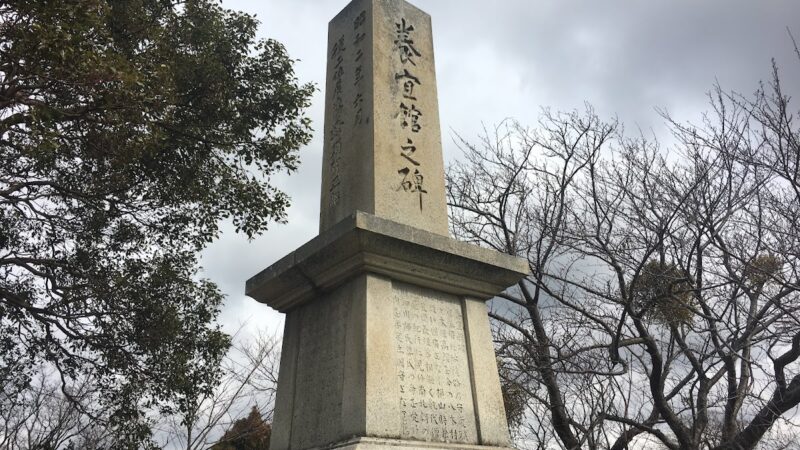
Kiseikan The Ono Domain’s school, an educational institution that taught academics to the children of samurai. Education centered on Confucianism, it played an important role as a place for cultivating talent within the domain.
Rice Granary A group of warehouses for storing tax rice and other supplies, forming the foundation of the domain’s finances.
Martial Arts Training Ground A facility for practicing and training in martial arts, including swordsmanship, spearmanship, and archery.
Samurai Residences Samurai residences lined the east side of the Jinya, where the samurai resided. It is believed that the size of the residences varied according to social status.
Current Status of the Ono Jinya Site
Status of Remains
Currently, no buildings of the Ono Jinya remain, but traces of its former glory can be felt in the following ways:
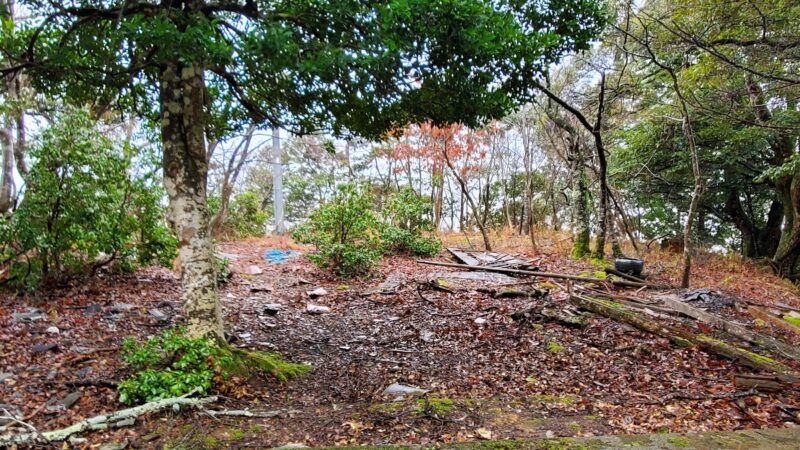
Terrace Topography The terrace topography on which the Jinya was built is still preserved, and the natural fortifications of the cliffs on the south and west sides can be seen.
Ponds (Moat Remains) Some of the ponds that functioned as moats, such as the Karimata Pond on the east side, still remain, allowing us to imagine the Jinya’s defensive system.
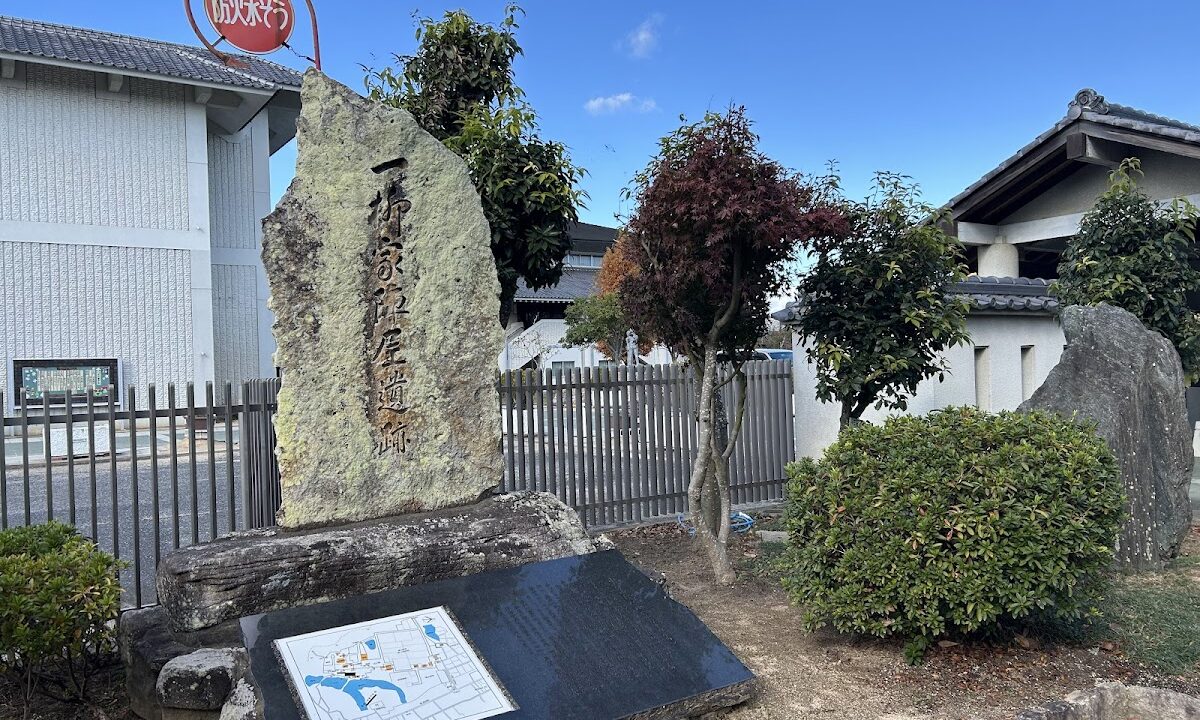
Stone Monument A stone monument marking the “Ono Domain Jinya Site” stands in front of Ono Elementary School, signifying the historical significance of this location.
Ono City Kokokan Museum
The Ono City Kokokan Museum, located adjacent to the Jinya site, is a museum that conveys the history and culture of Ono. The permanent exhibition features a topographical model of the Ono Jinya, allowing for a three-dimensional understanding of the Jinya’s overall layout.
The museum also houses items related to the Ichiyanagi family, including a yellow brocade robe with peony, lotus, and arabesque patterns, said to have been bestowed upon the family by Toyotomi Hideyoshi. Its vibrant golden color makes it a particularly valuable cultural asset. The museum regularly holds special exhibitions, such as “Toyotomi Hideyoshi and the Ichiyanagi Family,” allowing visitors to learn more about the Ichiyanagi family’s history.
Basic Information on Ono City Kokokan Museum
- Opening Hours: 9:30 AM – 5:00 PM
- Admission Fee: 200 yen (during special exhibitions)
- Closed: Mondays (or the following day if Monday is a public holiday), New Year holidays
Features of Ono Elementary School
Ono City Ono Elementary School, built on the site of a former jinya (feudal lord’s residence), is designed with its historical location in mind. The school gate and building feature a tiled roof-like design, reflecting respect for the era when the jinya stood there.
Ono Jinya Festival
In Ono City, the “Ono Jinya Festival” is held annually to pass on the history and culture of the Jinya (fortified residence) to future generations. This event has become an important cultural event in the region, and in 2024 it marked its 21st anniversary.
Event Overview
Date: Every November (The 21st festival was held on November 9, 2024)
Time: 10:00 AM – 4:00 PM
Venue: Ono Shopping Street, Atago Shrine Grounds, Ono City Kokokan Museum, Ono Community Center
Festival Contents
The Ono Jinya Festival features the following events:
- Historical processions and warrior processions
- Performances of local traditional arts
- Sales of local gourmet food and products
- Special exhibitions and explanations at the Kokokan Museum
- Historical experience events for children
This festival is an important opportunity for local residents to rediscover the history of Ono and cultivate a love for their hometown.
Access and Visiting Guide
Transportation Access
Access by Train
Get off at Ono Station on the Kobe Electric Railway Ao Line, approximately 5 minutes on foot (approx. 0.2 km)
The festival is very close to the station and easily accessible.
Access by Car
- Approximately 10 minutes from the Sanyo Expressway “Miki-Ono IC”
- Approximately 15 minutes from the Chugoku Expressway “Takino-Yashiro IC”
Parking is available at the Ono City Kokokan Museum and surrounding public parking lots.
Points to Note During Your Visit
Estimated Time Required: Approximately 1-2 hours
- Stone Monument in Front of Ono Elementary School: Take a commemorative photo at the stone monument marking the site of the former Jinya (feudal lord’s residence).
- Observe the Surrounding Topography: Check the terrace topography and cliff features.
- Karigane Pond: Visit the pond that functioned as a moat.
- Ono City Kokokan Museum: Admire topographical models and cultural artifacts of the Ichiyanagi family.
- Around Ono High School: Stroll around the site of the former domain school and rice storehouse.
Nearby Attractions
Atago Shrine
A historic shrine that also serves as the venue for the Jinya Festival, and is revered as the guardian deity of Ono.
Ono Shopping Street
This shopping street retains the atmosphere of a castle town, where you can purchase local specialties and traditional crafts.
Jodo-ji Temple
A renowned temple with the National Treasure Jodo-do Hall, it is a representative cultural asset of Ono City. Approximately 10 minutes by car from the Jinya (fortified residence) site.
Historical Significance of the Ono Jinya
Administration of a Small Domain
The Ono Domain was a small domain with a 10,000 koku (unit of rice production) yield, but it operated efficiently around its Jinya. Many examples of ingenuity unique to a small domain can be seen, such as establishing a domain school and focusing on education within limited resources, and constructing a defense system that utilized the natural fortifications.
Cultural Contributions of the Ichiyanagi Family
The Ichiyanagi family has a history of serving Toyotomi Hideyoshi, and has carefully preserved cultural artifacts received through that connection. These items are currently on display at the Ono City Kokokan Museum and are utilized as cultural assets of the region.
The Core of Regional Identity
The history of Ono Jinya is a vital source of regional identity for the citizens of Ono. Through various initiatives, including the Jinya Festival, its history and culture are being passed down to future generations.
Summary
Ono Jinya (Hyogo Prefecture) is the site of the Ono Domain’s 10,000-koku administrative office, built in 1653 by Ichiyanagi Naotsugu. Utilizing the terraced terrain, it functioned as a natural stronghold and served as the residence of the Ichiyanagi family until the Meiji Restoration.
Although no buildings remain today, traces of the past can still be seen in the topography and ponds. At the Ono City Kokokan Museum, you can learn about the history of Jinya and the cultural assets of the Ichiyanagi family. Its convenient location, just a 5-minute walk from Ono Station on the Kobe Electric Railway, makes it an ideal spot for historical exploration.
The Ono Jinya Festival, held every November, offers a variety of events where you can experience the region’s history and culture. Why not visit this hidden historical spot in Hyogo Prefecture?