Kagoshima Castle (Tsurumaru Castle) Complete Guide: A Thorough Explanation of the History and Highlights of the Shimazu Clan’s Residence
Kagoshima Castle, located in Shiroyama-cho, Kagoshima City, Kagoshima Prefecture, is an Edo period castle also known as Tsurumaru Castle. Despite being the residence of the Satsuma Domain, which boasted a rice yield of 770,000 koku, this castle is characterized by its simple construction without a keep, making it an important historical site that tells the story of the Shimazu clan’s unique values and strategies.
History of Kagoshima Castle
Background of Construction and Construction by Shimazu Iehisa
Construction of Kagoshima Castle began around 1601 (Keicho 6) by Shimazu Iehisa (later the 18th head of the Shimazu clan and the first lord of the Satsuma Domain). In the turbulent period immediately following the Battle of Sekigahara, the Shimazu clan decided to develop their base to adapt to the new era.
The castle took approximately 10 years to construct and was completed around 1611. While its official name is “Kagoshima Castle,” the name “Tsurumaru Castle” is also widely used. There are various theories about the origin of this alternative name, but it is thought to be related to the castle’s shape or auspicious symbolism.
Continuity from the Middle Ages: Relationship with Shiroyama (Kamiyama Castle)
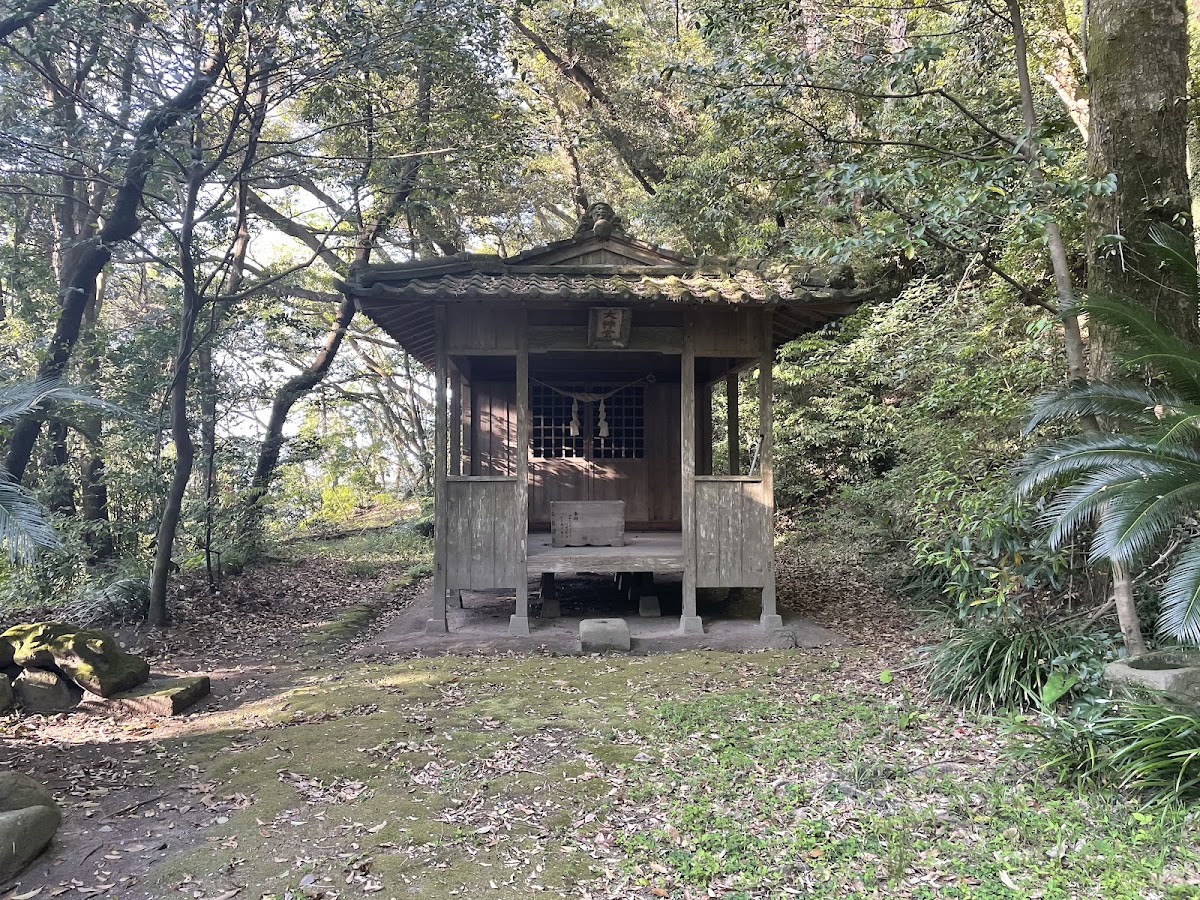
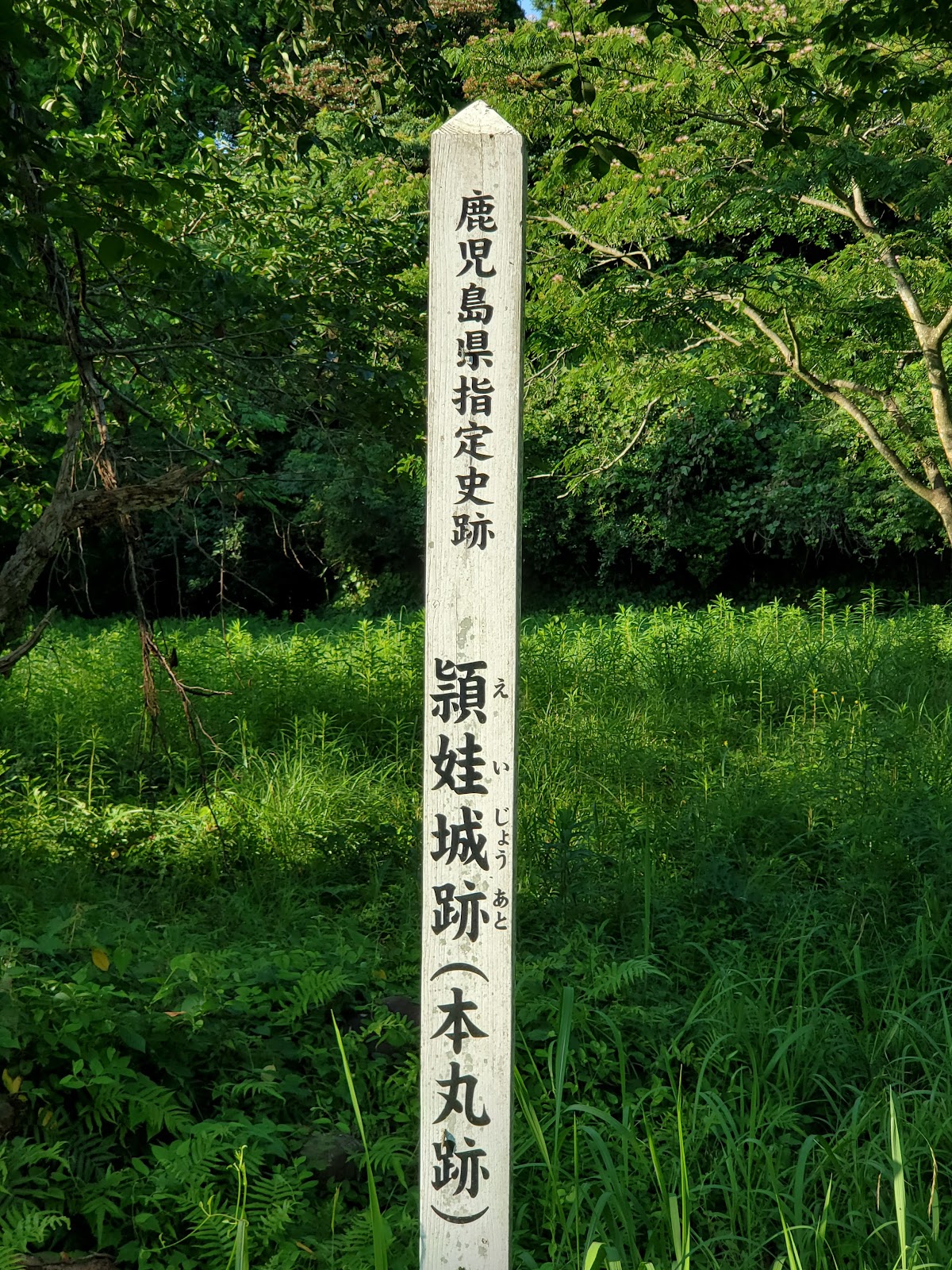
A major characteristic of Kagoshima Castle is the existence of the medieval Kamiyama Castle ruins on Shiroyama (107m above sea level) behind it, forming a defensive system integrated with the residence at the foot of the mountain. This follows the traditional castle structure of a mountain castle and a residence at the foot of the mountain, a form of fortification dating back to the Middle Ages, and strongly reflects the Sengoku period (Warring States period).
Shiroyama functioned as a fortified outpost in times of emergency, while Kagoshima Castle at the foot of the mountain served as the political and administrative center during peacetime, employing a dual structure. This structure can be seen as a manifestation of the defensive philosophy cultivated by the Shimazu clan over many years. ### As the Shimazu Clan’s 270-Year Residence
Kagoshima Castle served as the residence of the Shimazu clan for approximately 270 years, from the start of its construction in 1601 (Keicho 6) until the abolition of the feudal domains and establishment of prefectures following the Meiji Restoration. During this time, the Satsuma Domain boasted the largest rice yield in Kyushu at 770,000 koku, and played a crucial role in driving Japan’s modernization during the late Edo period.
The castle was the site of domain administration, where many important political decisions were made. Especially during the late Edo period, under wise rulers such as Shimazu Nariakira and Shimazu Hisamitsu, the introduction of Western technology and the development of human resources were actively pursued, promoting the modernization of the Satsuma Domain.
Changes After the Meiji Restoration and Destruction by Fire
After the Meiji Restoration, Kagoshima Castle was placed under the control of the new government. However, a fire in 1873 (Meiji 6) destroyed many of its main buildings, including the main palace. This fire marked a major turning point in the castle’s history, and from then on, it lost its function as a fortress.
After the fire, public facilities such as the Kagoshima Prefectural Government Office and the Kagoshima City Museum of Art were constructed on the castle site, and it remains so to this day. However, parts of the stone walls and moats retain their original appearance, allowing us to imagine the castle’s former glory.
The Satsuma Rebellion and Kagoshima Castle
The Satsuma Rebellion, which broke out in 1877 (Meiji 10), had a significant impact on the area around Kagoshima Castle. The Satsuma army, led by Saigo Takamori, fought against the government forces from Kagoshima, and fierce battles took place around the castle.
Even today, numerous bullet holes from the Satsuma Rebellion remain in the castle’s stone walls, preserving them as vivid traces of this historical event. These bullet holes are valuable relics that tell the story of the turbulent era from the end of the Edo period to the Meiji era.
Structure and Characteristics of Kagoshima Castle
A Simple Flatland Castle Without a Keep
The most distinctive feature of Kagoshima Castle is its extremely simple construction, lacking a keep, despite being the residence of a large domain with a rice yield of 770,000 koku. This reflects the Shimazu clan’s values of “simplicity and strength,” prioritizing practicality over extravagant decoration.
The castle consisted of two baileys, the Honmaru and Ninomaru, and had a simple structure with no turrets other than the main gate. This design philosophy represents the transitional period from the practical, warlike castles of the Sengoku period to the castles that served as administrative centers of the Edo period.
Palace Architecture Following the Tradition of Medieval Manor Houses
Although it lacked a keep, magnificent palace architecture was built within the castle grounds. These buildings followed the tradition of manor house construction from the medieval period, while possessing the status of a daimyo’s palace in the Edo period.
The palace served as both the lord’s living space and a place for conducting government affairs, with many rooms arranged according to their purpose. Unfortunately, it was destroyed in a fire in 1873 (Meiji 6), but we can learn about its appearance at the time from drawings and records.
Characteristics and Techniques of the Stone Walls
The stone walls of Kagoshima Castle remain almost completely intact around the main keep and the second bailey, making them a valuable historical site that conveys the techniques used at the time of its construction. The stone walls utilize transitional techniques from rough-hewn stonework to fitted stonework, making them important resources for understanding stone wall construction techniques in the early 17th century.
In particular, the arrangement of the stone walls, which skillfully utilizes the topography of the castle hill, is highly regarded as an excellent design that balances defensiveness and aesthetic appeal. The markings remaining on the stone walls also confirm the existence of groups of stonemasons who participated in the construction.
Restored Goromon Gate: One of Japan’s Largest Castle Gates
Historical Significance of the Goromon Gate
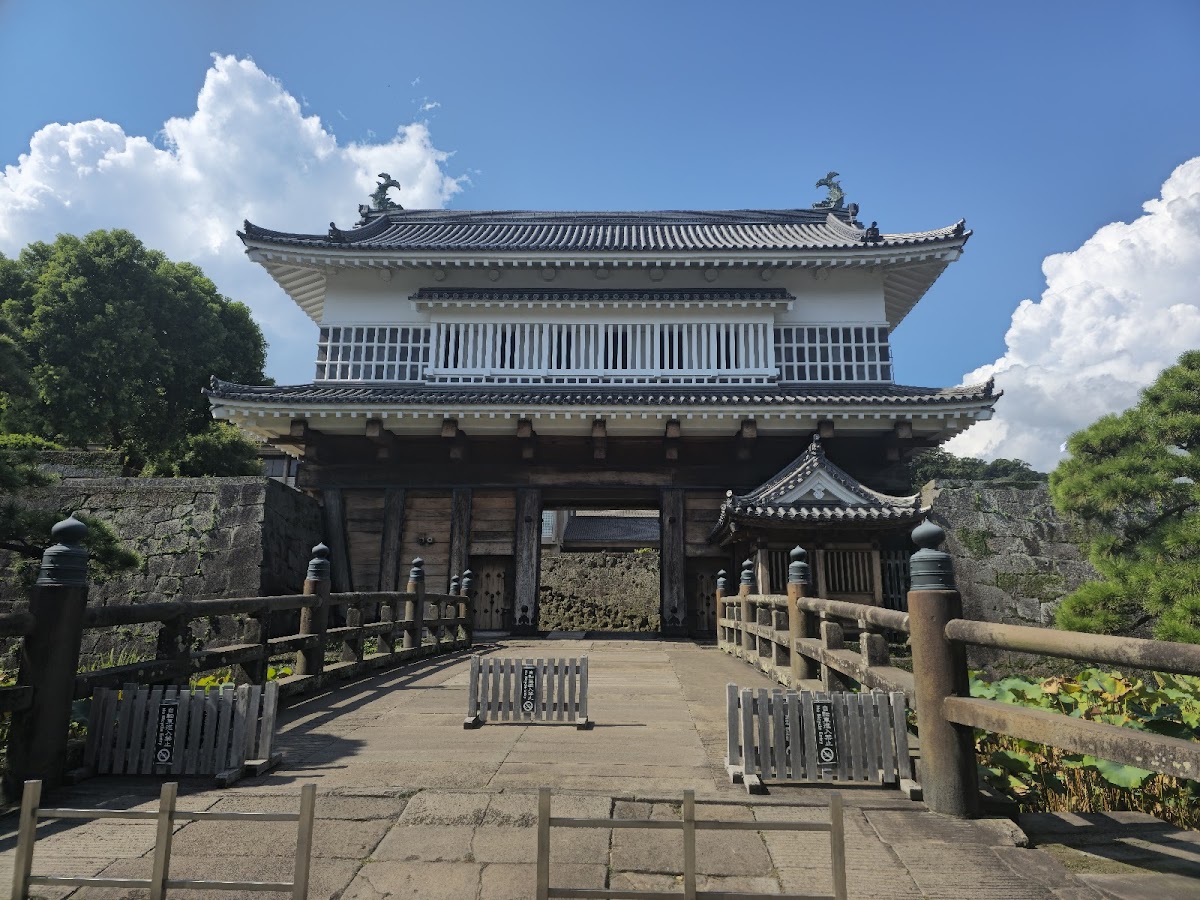
The Goromon Gate was an important structure that existed from the time of the castle’s construction as the main gate of Kagoshima Castle. This two-story turret gate was a symbolic structure that demonstrated the castle’s grandeur, but it was destroyed in a fire in 1873 (Meiji 6).
The gate measured approximately 20 meters wide, 10 meters deep, and 20 meters high, making it exceptionally large for a castle structure. This magnificent gate was the most important structure in Kagoshima Castle, which lacked a main keep, symbolizing the domain’s prestige.
Restoration Completed in 2020
After approximately 140 years, the main gate was restored on March 31, 2020 (Reiwa 2). This restoration project aimed to recreate its original appearance as faithfully as possible, based on surviving drawings, old photographs, and archaeological findings.
Traditional wooden construction techniques were used in the restoration, bringing together the finest skills of modern craftsmen. The wood used was primarily domestically sourced, and the metal fittings were also manufactured using techniques that reproduced those of the time.
Features as one of Japan’s largest castle gates
The restored main gate boasts one of the largest scales among existing and restored castle gates. Its imposing appearance leaves a strong impression on visitors and has become a new symbol of Kagoshima Castle.
Part of the gate’s interior is open to the public, allowing visitors to learn about the details of the architectural techniques and historical background. Furthermore, the view of Shiroyama from the gate offers a valuable opportunity to relive the scenery seen by people in the Edo period.
Highlights of Kagoshima Castle Ruins
Bullet Marks from the Satsuma Rebellion Remaining in the Stone Walls
Numerous bullet marks from the Satsuma Rebellion of 1877 remain in the stone walls of Kagoshima Castle. These can be seen as circular indentations several centimeters in diameter, vivid remnants that convey the intensity of the fighting at the time.
Bullet marks are particularly concentrated in the stone walls on the north side of the main keep, indicating that this area was the site of fierce fighting. These traces are preserved as valuable historical witnesses, telling the story of the turbulent period from the end of the Edo period to the Meiji era.
Kagoshima City Museum of Art and Reimeikan Museum
The Kagoshima City Museum of Art currently stands on the castle site, exhibiting primarily works of art related to Kagoshima. The museum building itself is a valuable example of modern architecture and blends seamlessly into the castle landscape.
Furthermore, the Kagoshima Prefectural Historical Materials Center Reimeikan Museum is located on the site of the second bailey, where visitors can learn in detail about the history and culture of the Satsuma Domain. Exhibits cover a wide range of topics, including the history of the Shimazu clan, the industries of the Satsuma Domain, and the events of the late Edo period and the Meiji Restoration.
Site of the Private School and Historical Sites Related to Saigo Takamori
Numerous historical sites related to Saigo Takamori remain around Kagoshima Castle. The site of the private school is the former location of an educational institution established by Saigo and is also known as the starting point of the Satsuma Rebellion.
Bullet holes from the Satsuma Rebellion remain in the stone walls, a reminder of the tense situation at the time. Nearby are the site of Saigo Takamori’s death and a bronze statue, allowing visitors to trace the footsteps of this hero of the Meiji Restoration.
Satsuma Loyalists Monument
Near the castle ruins stands the Satsuma Loyalists Monument. This monument commemorates the Satsuma samurai who worked on flood control projects for the Kiso Three Rivers during the Edo period, making great sacrifices. This monument conveys the Satsuma domain’s contributions to public works and the selfless spirit of the samurai.
Tenshoin Statue
Tenshoin Atsuhime, who entered the Edo Castle’s inner palace as the wife of Tokugawa Iesada during the turbulent Bakumatsu period and later supported the Tokugawa family after the Meiji Restoration, is also a figure of a woman from the Satsuma domain. Her statue, erected near the castle ruins, celebrates her achievements as a woman who played a crucial role in connecting Satsuma and the Edo shogunate.
Understanding Kagoshima Castle in its Integrated Structure with Shiroyama (Kamiyama Castle Ruins)
Shiroyama as a Fortified Fortress
Understanding Kagoshima Castle requires understanding Shiroyama (elevation 107m), which rises behind it. This is the site of the medieval Kamiyama Castle, designed to function as a fortified fortress where the feudal lord and his retainers could take refuge in times of emergency.
From Shiroyama, one can enjoy a panoramic view of Kagoshima city and Kinko Bay, making it a strategically important location. Currently, a walking path has been developed, and the observation deck offers stunning views, including Sakurajima.
Dual Structure of Mountain and Flatland Castles
Kagoshima Castle’s defensive system employed a dual structure: during peacetime, administrative affairs were conducted at the flatland castle at the foot of the mountain, while during wartime, the castle was a fortified mountain castle. This applied traditional defensive thinking from the medieval period to Edo-period castles.
This structure is a practical design based on the assumption of actual combat, demonstrating that the Shimazu clan constantly maintained a sense of military tension. At the same time, it was a rational design that clearly separated administrative functions in times of peace from defensive functions in times of emergency.
Kagoshima Castle as the Center of the Outer Castle System
Satsuma Domain’s Unique Defense System
Kagoshima Castle was located at the center of the “Outer Castle System,” a unique defense system established by the Satsuma Domain. By establishing 113 outer castles (tojo) within the domain, and placing private territories belonging to the Shimazu family and their senior retainers, as well as jitōsho (land stewards) directly controlled by the Shimazu main family, the entire domain was fortified.
This system allowed samurai in various regions to receive military training while residing in rural areas, and to be mobilized immediately in times of emergency. Kagoshima Castle functioned as the command center of this vast network.
Relationship with Fumoto Settlements
Under the Outer Castle System, samurai settlements called “fumoto” (mountain foot settlements) formed in various locations, creating a distinctive landscape of the Satsuma Domain. These foothill settlements, including those around Kagoshima Castle, were planned with defense in mind, featuring neatly arranged samurai residences separated by stone walls and hedges.
Even today, in foothill settlements such as Chiran and Izumi, groups of samurai residences from that era are preserved, allowing visitors to experience the samurai culture of Satsuma.
Access and Tourist Information
Basic Information
Location: 7-2 Shiroyama-cho, Kagoshima City, Kagoshima Prefecture
Access:
- Approximately 5 minutes on foot from the “City Hall” tram stop
- Approximately 7 minutes on foot from the “Aquarium Entrance” tram stop
- Approximately 10 minutes by car from JR Kagoshima-Chuo Station
- Immediately after alighting at the “Satsuma Gishi Monument” bus stop on the Kagoshima City View bus line
Opening Hours: The main gate is open 24 hours a day for exterior viewing only (interior opening hours vary depending on the season)
Admission Fee: Free to explore the castle ruins (separate fees apply for facilities such as the Reimeikan Museum)
Parking: Paid parking is available nearby
Nearby Tourist Attractions
The area around Kagoshima Castle ruins is home to many tourist attractions where you can experience history and culture. Within walking distance are the Saigo Takamori statue, Terukuni Shrine, and Sengan-en Garden (Iso Garden), allowing you to efficiently learn about Kagoshima’s history.
Furthermore, the Shiroyama Observatory is accessible on foot or by bus, offering stunning views of Sakurajima and Kinko Bay. The nearby Tenmonkan shopping district allows for a fulfilling stay combining sightseeing, dining, and shopping.
Recommended Sightseeing Route
To efficiently explore Kagoshima Castle, begin by entering through the reconstructed main gate and examining the bullet holes from the Satsuma Rebellion remaining in the stone walls. Afterward, a recommended route involves learning about the history of the Satsuma Domain at the Reimeikan Museum, and then visiting the former private school site and historical sites related to Saigo Takamori.
If you have extra time, extend your visit to the Shiroyama Observatory to experience firsthand how Kagoshima Castle was an integrated defensive system with the surrounding hill. The estimated time required is approximately 30 minutes for the area around the main gate, and 2-3 hours if you include the surrounding historical sites.
Cultural Value of Kagoshima Castle
Evaluation as one of Japan’s Top 100 Castles
Kagoshima Castle is one of the “Top 100 Castles of Japan” selected by the Japan Castle Association (No. 97). Despite its simple construction without a main keep, Kagoshima Castle is valued for its historical significance as the residence of the 770,000-koku Satsuma domain for 270 years, its structure embodying a unique defensive philosophy, and its importance as a stage for the Meiji Restoration.
The 100 Famous Castles stamp is located at the Kagoshima Prefectural Historical Materials Center, Reimeikan, making it a popular historical site for castle enthusiasts.
A Heritage Site Conveying the History of the Satsuma Domain
Kagoshima Castle is not merely a castle ruin, but an important cultural heritage site that comprehensively conveys the history and culture of the Satsuma domain. From the Shimazu clan’s simple and robust spirit, their unique governing system of outer castles, their pioneering efforts during the Meiji Restoration, to the Satsuma Rebellion, a major upheaval in the Meiji era, it was a stage that consistently appeared at important moments in Japanese history.
The restored main gate creates new cultural value as a symbol of reviving lost history and passing it on to future generations.
Kagoshima Castle and the Legacy of the Shimazu Clan
The History of the Shimazu Clan and Kagoshima Castle
The Shimazu clan was a prestigious daimyo family that ruled the three provinces of Satsuma, Osumi, and Hyuga for approximately 700 years, from the Kamakura period to the Meiji Restoration. Kagoshima Castle served as their residence for 270 years during the Edo period, and can be considered the culmination of the Shimazu clan’s history.
Especially during the late Edo period, initiatives that spearheaded Japan’s modernization, such as the Shuseikan project by Shimazu Nariakira, were carried out here, and Kagoshima Castle became the command center. Saigo Takamori and Okubo Toshimichi, key figures in the Meiji Restoration, also grew up and played active roles in this castle town.
The Spirit of Satsuma Passed Down to the Present
The samurai culture of Satsuma, symbolized by Kagoshima Castle, continues to be passed down in modern Kagoshima. The unique educational system exemplified by “Gochu Education,” the spirit of valuing simplicity and fortitude, and the pioneering spirit remain an integral part of the identity of the people of Kagoshima Prefecture.
The restored main gate serves as a new symbol to pass on this Satsuma spirit to future generations, and a place to reaffirm regional pride.
Summary
Kagoshima Castle (Tsurumaru Castle), despite its simple construction without a keep, is a historically important castle that functioned as the residence of the 770,000-koku Satsuma domain for 270 years. Construction began in 1601 by Shimazu Iehisa, and it incorporated a unique defensive system integrated with the castle hill behind it (the site of Kaminoyama Castle).
Although the main buildings were destroyed by fire in 1873, the main gate was restored in 2020, attracting attention as a new tourist spot. From the bullet holes from the Satsuma Rebellion remaining in the stone walls to the surrounding historical sites related to Saigo Takamori, this is a place where you can experience the turbulent history from the end of the Edo period to the Meiji era.
Kagoshima Castle, which supported the unique governing system of the Satsuma Domain as the center of the outer castle system and spearheaded Japan’s modernization during the Meiji Restoration, is highly regarded for its history and cultural value, and has been selected as one of Japan’s Top 100 Castles. When you visit Kagoshima, why not visit this historic castle site and reflect on the era in which the Satsuma samurai lived?