Hishakuyama Castle (Kiryu City, Gunma Prefecture) Complete Guide | History, Remains, Access, and Highlights Explained in Detail
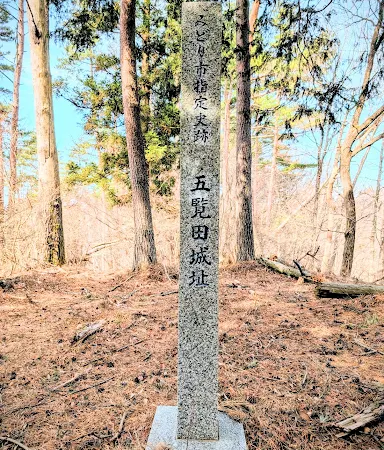
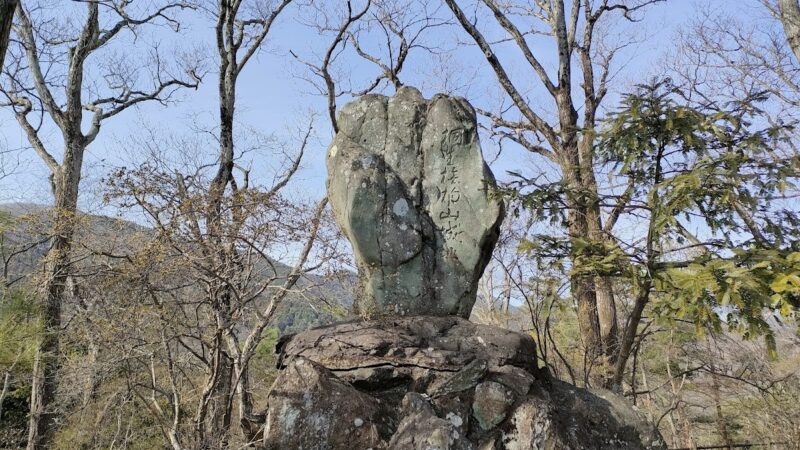
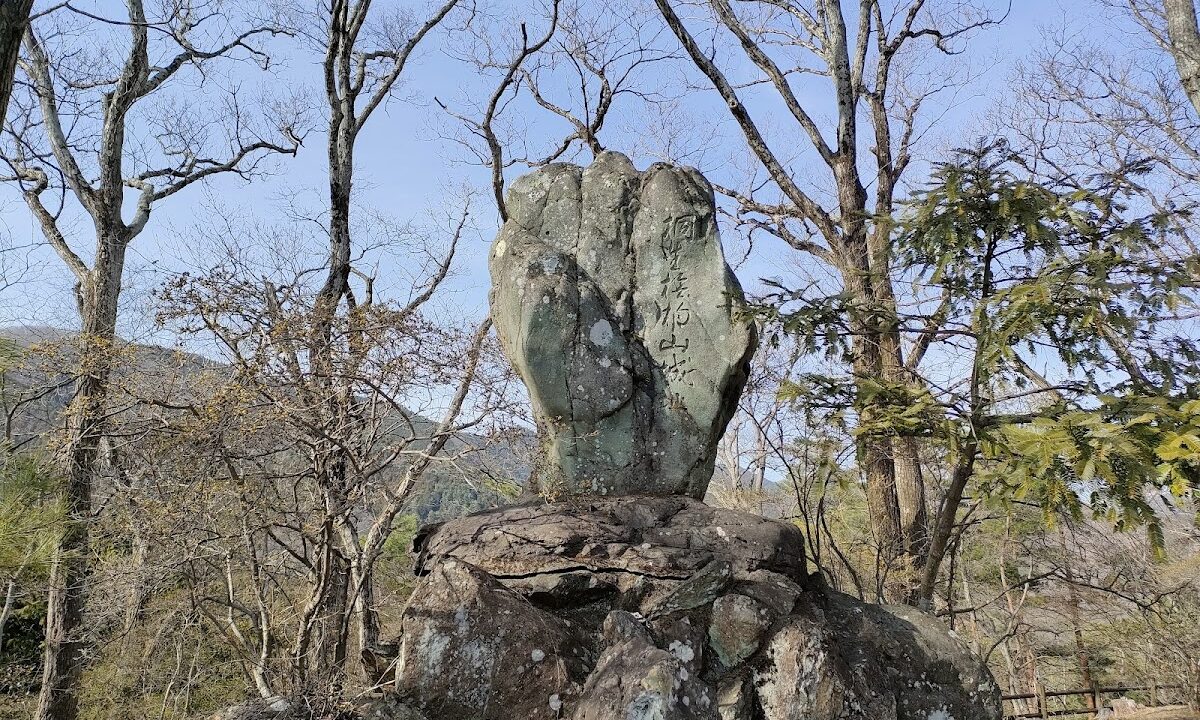
Hishakuyama Castle (Hishakuyama-jo) is a medieval mountain castle located in Umeda-cho, Kiryu City, Gunma Prefecture. Also known as Kiryu Castle or Hishakuyama Castle, it was built on the summit of Shiroyama (elevation 361 meters) on the west bank of the upper reaches of the Kiryu River, approximately 5 kilometers north of Kiryu city center. It functioned as the base of the Kiryu clan for about 240 years and is designated as a Kiryu City Historic Site as the “Kiryu Hishakuyama Castle Ruins.”
This article will provide a comprehensive overview of Hishakuyama Castle, from its detailed history from construction to abandonment, to its structural features, verifiable remains, access methods, and surrounding tourist information, offering a complete and fascinating look at this castle.
History of Hishakuyama Castle
Construction and the Rise of the Kiryu Clan
Hishakuyama Castle is believed to have been built around 1350 by Kiryu Kunitsuna. The Kiryu clan was a family descended from the Fujiwara-Ashikaga clan and expanded their power in the eastern part of Kozuke Province (present-day Gunma Prefecture). Built at a strategic point along the Kiryu River, this castle functioned as a typical, practical mountain castle and became the Kiryu clan’s base.
The Kiryu clan maintained its power throughout the Muromachi period, reaching its peak during the Sengoku period under Kiryu Suketsuna. Suketsuna accompanied Uesugi Kenshin when he invaded the Kanto region and played an important role in Kenshin’s sphere of influence. After Uesugi Kenshin returned to Echigo, Suketsuna followed Ashikaga Yoshiuji, the Koga Shogun, and sought to ensure the survival of the Kiryu clan by reading the times.
Internal Conflict and Decline of the Kiryu Clan
After the death of Kiryu Suketsuna, the situation changed dramatically. Suketsuna handed over the family headship to Kiryu Chikatsuna, who had been adopted from the Sano clan. However, Chikatsuna was unable to unite the family, and a serious internal conflict arose within the Kiryu clan. This turmoil significantly weakened the Kiryu clan’s military strength, giving surrounding forces an opportunity to exploit the situation.
The Conquest by Yura Narishige and the Downfall of the Kiryu Clan
In 1572 (Genki 3), Yura Narishige, lord of Ota Kanayama Castle, launched a surprise attack on Hishakuyama Castle, which had been weakened by internal conflict. Some sources say it was March 1573 (Tensho 1), but in any case, the Kiryu clan was unable to withstand the attack, and Kiryu Chikatsuna fled to the Sano clan. This marked the end of the Kiryu clan’s rule, which had lasted for approximately 220 years, and Hishakuyama Castle came under the control of the Yura clan.
The Yura Clan Era and the Castle’s Abandonment
After Yura Narishige acquired Hishakuyama Castle, it functioned as a branch castle of the Yura clan. However, this period did not last long. In 1590, when the Later Hojo clan was destroyed in Toyotomi Hideyoshi’s Odawara campaign, the Yura clan, who had sided with the Hojo, were ordered to relocate. The Yura clan was transferred to Ushiku in Hitachi Province (present-day Ushiku City, Ibaraki Prefecture), and Hishakuyama Castle ceased to exist and was abandoned.
Even now, more than 430 years after its abandonment, the remains of Hishakuyama Castle are well-preserved, making it a valuable historical site that conveys the appearance of a mountain castle from the Sengoku period.
Structure and Layout of Hishakuyama Castle
Characteristics of a Concentric Mountain Castle
Hishakuyama Castle was designed as a concentric mountain castle. The main keep, second bailey, and third bailey are arranged linearly along the ridge from the mountaintop, and each bailey is separated by a clear moat. This structure enhanced defensibility and effectively halted the attacking army’s advance in stages.
The entire castle grounds extend long and narrow from north to south, with the main section alone spanning approximately 500 meters. The layout, which skillfully utilizes the mountain’s terrain, strongly retains the characteristics of a typical Sengoku period mountain castle designed with actual combat in mind.
Main Keep and its Surroundings
The main keep is located at the highest point of the castle mountain, at an altitude of 361 meters, and forms the core of Hishakuyama Castle. From the main keep, one can see a panoramic view of Kiryu city, making it an excellent location for monitoring the movements of the town below. The main keep is relatively compact, a result of prioritizing defense over the construction of large structures, which is characteristic of mountain castles.
Around the main keep, lower baileys (lower enclosures) are arranged in a spiral pattern, forming a multi-layered defensive structure. This outer bailey made it difficult to approach the main keep and also functioned as a space for defending soldiers to be positioned.
Three Moats
One of the greatest highlights of Hishakuyama Castle is the three moats that divide the various baileys. A moat is a dry moat dug to cut across a ridge, and it is an important defensive structure that prevents enemy intrusion.
The moats at Hishakuyama Castle are large in scale, and both their depth and width are impressive. In particular, the moat separating the main keep and the second bailey is still clearly visible today, demonstrating the high level of castle-building technology of the time. The three moats allowed for the reconstruction of the defensive line in the next bailey even if one bailey was breached.
Second and Third Baileys and the Northern Bailey
To the south of the main keep are the second bailey and the third bailey, arranged in succession. The second bailey is the second most important bailey after the main keep, and an outer bailey is also located here. The third bailey was located further south and served to protect the castle entrance.
To the north of the main bailey lay a group of baileys known as the North Bailey. These were facilities that complemented the defenses of the main bailey and were designed to withstand attacks from multiple directions.
Location of the Residence
The residence, the daily living space of the castle lord, is believed to have been located not on the mountaintop where the main bailey is situated, but on the flat ground at the foot of the mountain. This is a common characteristic of many mountain castles, where administrative affairs were conducted in the residence at the foot of the mountain during peacetime, and the lord would take refuge in the fortress on the mountaintop during wartime. The site of the residence at Hishakuyama Castle is believed to have been on the other side of the mountainside from the main bailey, but further investigation is needed to determine its exact location and size.
Highlights of Hishakuyama Castle
Well-Preserved Remains
The greatest appeal of Hishakuyama Castle is that, despite being abandoned for over 400 years, the remains are in remarkably good condition. The moats, earthworks, and baileys, in particular, remain clearly defined, making this a valuable historical site where you can experience the structure of a medieval mountain castle.
In recent years, walking trails have been developed, making access to the castle ruins easier. Information boards have also been installed, allowing even first-time visitors to understand the location and significance of each structure as they explore.
Charm as a Cherry Blossom Spot
Hishakuyama Castle Ruins are also known as a famous cherry blossom spot. Approximately 640 Somei Yoshino cherry trees are planted mainly around the main keep, and every year in mid-April, the entire mountain is dyed pink with cherry blossoms. The combination of castle ruins and cherry blossoms creates a quintessentially Japanese beauty, attracting many cherry blossom viewers and hikers.
This time of year, when you can enjoy the view from the main keep and the full bloom of cherry blossoms simultaneously, is arguably the best season to visit Hishakuyama Castle. Even outside of cherry blossom season, you can enjoy the natural beauty of each season, such as the fresh greenery of May and the autumn leaves of November.
Stunning Views
The view from the main keep is a major attraction of Hishakuyama Castle. You can look down on the city of Kiryu below, and on a clear day, you can even see the vast Kanto Plain. During the Sengoku period, the castle lords would have surveyed their territories and monitored enemy movements from this very spot.
In modern times, it’s also a popular spot for night views, where you can enjoy the beautiful scenery created by the lights of Kiryu city.
Hiking and Mountain Climbing Courses
The Hishakuyama Castle Ruins Walking Trail is well-maintained and is a popular hiking and mountain climbing course. It takes about 30-40 minutes to walk from the trailhead to the main keep, slowly observing the remains along the way.
Along the way, you can experience the structure of a multi-bailey mountain castle by visiting the third bailey, second bailey, and then the main keep in order. Crossing the moats gives you a real sense of the difficulty of sieges in those times.
Those confident in their physical fitness can access the area near the main keep by car via a forest road, but climbing on foot will allow for a deeper understanding of the castle’s defensive structure.
Access Information
Access by Public Transportation
By Train and Bus:
- Get off at Kiryu Station on the JR Ryomo Line or Watarase Keikoku Railway
- Take the “Orihime Bus” from Kiryu Station and get off at the “Shiroyama Iriguchi” bus stop (approximately 15 minutes)
- Approximately 5 minutes on foot from the bus stop to the trailhead, and approximately 30-40 minutes on foot from the trailhead to the main keep.
The Orihime Bus is a community bus operated by Kiryu City, and since the number of buses is limited, it is recommended to check the timetable in advance.
Access by Car
By Car:
- Approximately 20 minutes from the Ota-Kiryu Interchange on the Kita-Kanto Expressway
- Approximately 40 minutes from the Isesaki Interchange on the Kan-Etsu Expressway
- Approximately 50 minutes from the Sano-Fujioka Interchange on the Tohoku Expressway
There is parking space near the trailhead. It is also possible to access near the main keep by car using the forest road, but caution is required as some sections of the road are narrow.
Points to Note When Visiting
- Attire: As this is a mountain castle, please wear comfortable clothing and walking shoes (trekking shoes recommended).
- Season: The cherry blossom season (mid-April) is expected to be crowded. If you wish to quietly visit the castle ruins, weekdays or visits outside of cherry blossom season are recommended.
- Weather: The ground can become slippery in rainy weather, so please refrain from visiting or exercise extreme caution.
- Estimated Time Required: Approximately 1.5-2 hours for a round trip from the trailhead to the main keep. Allow 2.5-3 hours if you plan to thoroughly explore the ruins.
Nearby Tourist Attractions
Historical Buildings of Kiryu City
Kiryu City has a history of flourishing as a “textile town,” and many early Showa-era sawtooth-roof factories and modern industrial heritage sites remain in the city center.
- Kiryu Shinmachi Important Traditional Buildings Preservation District: A townscape of merchant houses dating back to the Edo period is preserved.
- Kiryu Textile Museum: A facility introducing the history and techniques of Kiryu weaving.
- Yurinkan: A cultural facility utilizing a Meiji-era storehouse, housing a gallery and cafe.
Kanayama Castle Ruins
The Kanayama Castle Ruins (Ota City), the base of Yura Narishige who conquered Hishakuyama Castle, is also worth a visit. It is one of Japan’s 100 Famous Castles, and the stone wall remains are remarkably well-preserved. Located about 40 minutes by car from Hishakuyama Castle, it’s recommended to visit both together.
Watarase Keikoku Railway
The Watarase Keikoku Railway, departing from Kiryu Station, is a local line that runs through the beautiful gorge along the Watarase River. A trolley train also operates, allowing you to enjoy the scenery of each season.
Kusaki Lake and Kusaki Dam
Kusaki Lake is located in the northern part of Kiryu City, and the area around the dam lake is known as a famous spot for autumn foliage. It’s about 30 minutes by car from Hishakuyama Castle.
Historical Significance of Hishakuyama Castle
A Typical Example of a Mountain Castle in the Kanto Region
Hishakuyama Castle occupies an important position in castle research as a typical example of a medieval mountain castle in the Kanto region. The castle retains many features of a mountain castle designed for actual combat, such as its multi-bailey layout, defensive moats, and spiral arrangement of lower baileys, making it a valuable resource for studying the castle construction techniques and tactics of the time.
A Legacy Telling the History of the Kiryu Clan
Hishakuyama Castle is also a historical site that tells the story of the rise and fall of the Kiryu clan, a local powerful family. From its construction around 1350 to its downfall in 1573, approximately 220 years of Kiryu clan history are etched into this castle.
The Kiryu clan skillfully navigated between powerful forces such as Uesugi Kenshin and the Koga Shogunate to maintain their power, but their self-destruction due to internal conflict symbolizes the challenges faced by local powerful families during the Sengoku period.
Regional Pride and Preservation Activities
Kiryu City has designated Hishakuyama Castle ruins as a city-designated historical site and is focusing on preservation and utilization through the development of walking trails and the installation of information boards. Regular guided tours are held for local history enthusiasts and castle fans, and the castle is cherished as a regional historical heritage site.
Events utilizing the castle ruins, such as the spring cherry blossom festival, are also held, contributing to the community in both historical and tourism aspects.
How to Enjoy Your Visit to Hishakuyama Castle
How to Enjoy for History Fans
Those interested in castles will gain a deeper understanding by researching the history and layout of Hishakuyama Castle beforehand. Pay attention to the following points while on site:
- Scale and Arrangement of the Three Moats: Observe how each moat forms a defensive line.
- Shape of the Enclosures and Arrangement of the Lower Enclosures: Observe how the spiraling lower enclosures enhance defensive capabilities.
- View from the Main Enclosure: View the territory from the lord’s perspective and appreciate the strategic importance of this castle.
Photography Tips
Hishakuyama Castle is also an attractive spot for photography:
- Cherry Blossom Season: The combination of cherry blossoms around the main keep and the city of Kiryu makes for an excellent subject.
- The Impressive Moat: A recommended angle is to look up at the deeply cut moat from below.
- Evening and Night Views: The sunset and night view from the main keep create a magical atmosphere.
How to Enjoy with Family
Hishakuyama Castle ruins are suitable for families as a light hike. Walking while explaining the structure of a castle from the Sengoku period to children makes it a great place for historical education. You can also enjoy a picnic combined with cherry blossom viewing during the cherry blossom season.
However, since you will be walking on mountain paths, please take extra care of safety if you are with small children.
Summary
Hishakuyama Castle (Kiryu City, Gunma Prefecture) is a medieval mountain castle built around 1350 by Kiryu Kunitsuna and reaching its peak during the time of Kiryu Suketsuna. It was captured by Yura Narishige in 1572 and abandoned in 1590 when the Yura clan was transferred to another domain. However, its remains, including three trenches, are still well-preserved.
With its multi-bailey layout, spiral-shaped outer baileys, and clearly defined trenches, this castle strongly retains the characteristics of a practical mountain castle, making it a must-see spot for castle enthusiasts. Furthermore, it’s an attractive historical site where you can enjoy not only history but also natural beauty, such as the spring scenery with approximately 640 cherry trees and the views from the main bailey.
Access from Kiryu city center is relatively easy, and well-maintained walking paths make it safe even for beginners. Combine your visit to Hishakuyama Castle with other historical sites and nearby tourist attractions in Kiryu City for a fulfilling historical exploration.
Hishakuyama Castle is a valuable historical site that tells the story of the rise and fall of the Kiryu clan, a powerful local family, and is also an important resource for the study of medieval mountain castles in the Kanto region. Be sure to visit the site and experience the atmosphere of the Sengoku period.